
If you have a dog or are thinking about getting one, you might wonder about spaying and what it really means for your furry friend. Spaying isn’t just a medical procedure—it can bring many benefits for your dog’s health and happiness.
Understanding these benefits can help you make the best choice for your pet’s well-being. Keep reading to discover how spaying can protect your dog and improve their life in ways you might not expect.
Health Benefits Of Spaying
Spaying your dog offers significant health benefits that can extend her life and improve her quality of living. Many pet owners may not realize how much spaying can protect their furry friends from serious illnesses. Understanding these health benefits can help you make a well-informed decision for your dog’s well-being.
Reduced Risk Of Reproductive Cancers
Spaying eliminates the risk of ovarian and cervical cancers by removing the organs where these cancers develop. These types of cancers can be aggressive and difficult to treat, often requiring invasive procedures and costly treatments. By spaying, you drastically reduce your dog’s chance of facing these life-threatening diseases.
Think about how much peace of mind you would gain knowing your dog is protected from such serious health issues. Would you be willing to take that step to keep her safe?
Prevention Of Uterine Infections
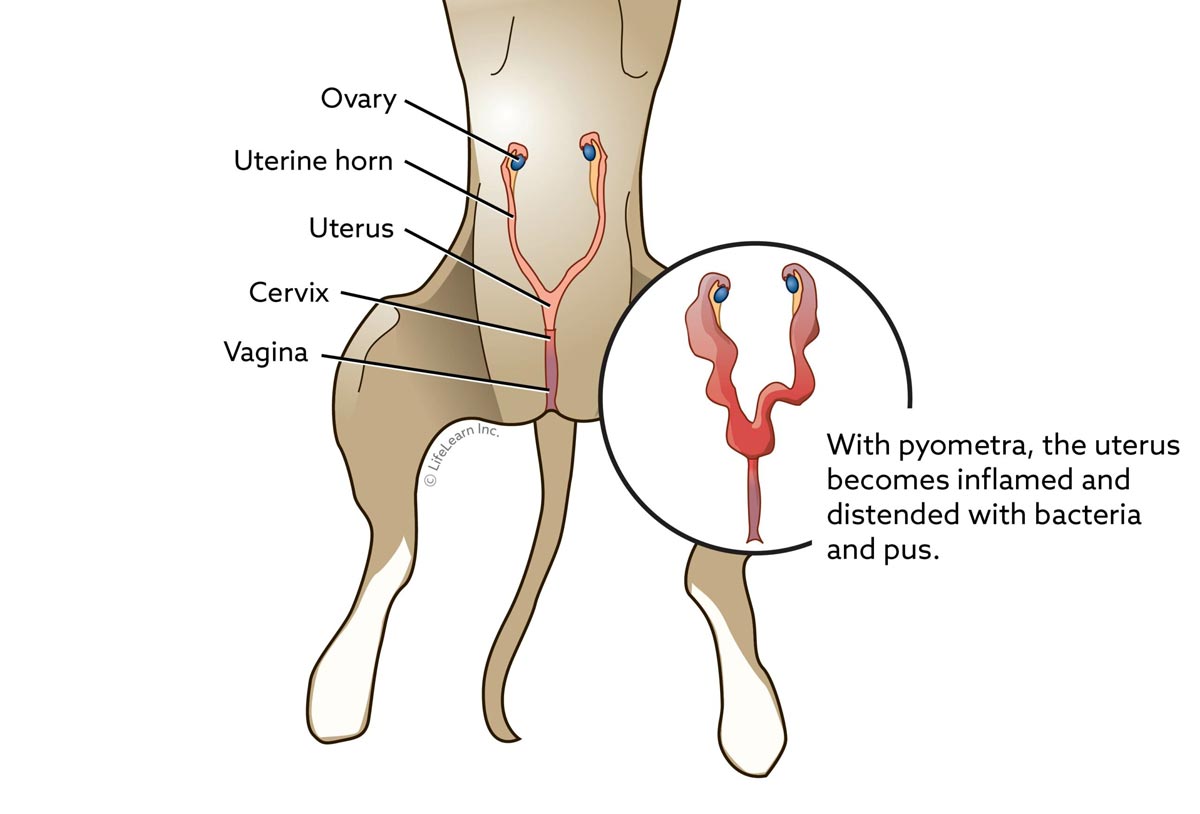
Uterine infections, or pyometra, are common and life-threatening in unspayed dogs, especially as they age. This condition causes the uterus to fill with pus, leading to severe illness and often requiring emergency surgery. Spaying removes the uterus entirely, making this painful and dangerous infection impossible.
One dog owner I know faced a huge vet bill and emotional stress when their dog developed pyometra. They wished they had spayed her earlier to avoid that ordeal. Could spaying help you prevent unexpected emergencies with your dog?
Lowered Chance Of Mammary Tumors
Spaying before your dog’s first heat cycle can reduce the risk of mammary tumors by up to 90%. These tumors can be benign or malignant, but malignant ones often require surgery and chemotherapy. The earlier you spay, the better the protection against these common tumors.
Consider how much easier it is to prevent a tumor than to treat one after it grows. Taking proactive steps like spaying can save your dog discomfort and your family significant stress and expense.
Behavioral Improvements
Spaying a dog often leads to noticeable behavioral improvements. These changes make life easier for both pets and owners. Behavior linked to hormones tends to decrease after spaying. Dogs become more relaxed and easier to manage. Understanding these benefits helps owners make informed decisions about spaying.
Decreased Aggression And Roaming
Spaying reduces aggressive behavior in many dogs. Hormones can cause dogs to act more territorial or hostile. After spaying, these hormone levels drop. This change lowers the chance of fights with other dogs. Spayed dogs also roam less. The urge to find a mate fades. This keeps them safer and closer to home.
Reduced Marking And Spraying
Marking territory is common in unspayed dogs. They use urine to claim their space. Spaying lowers this instinct by balancing hormone levels. Dogs often stop or reduce marking inside the house. This leads to a cleaner home and less stress for owners. It also helps dogs feel more secure in their environment.
Calmer Demeanor
Spayed dogs tend to show a calmer behavior overall. Hormonal shifts reduce anxiety and restlessness. Many owners notice their dogs become more affectionate. They enjoy quiet time and respond better to training. A calm dog is easier to live with and care for. This change improves the bond between dog and owner.
Impact On Pet Population Control
Controlling the pet population is a critical reason to consider spaying your dog. It helps manage the number of dogs born each year, preventing a cycle of overpopulation that affects communities everywhere. Your decision to spay can directly influence the well-being of countless animals waiting for homes.
Preventing Unwanted Litters
Spaying stops your dog from having unexpected puppies. Each litter adds to the number of pets needing care, and not all find loving homes. By preventing these litters, you reduce the chance of puppies ending up homeless or in unsafe environments.
Think about how many puppies one unspayed dog can produce in just a few years. Imagine if every dog owner made the choice to spay; the number of unwanted animals would drop dramatically. This simple step can save you from dealing with surprise litters and the stress that comes with them.
Reducing Shelter Overcrowding
Shelters often struggle with space and resources due to too many abandoned or stray dogs. Spaying your dog helps lower the number of animals entering shelters. This means shelters can provide better care for the pets they do have.
Have you ever visited a shelter and seen how crowded it can be? Overcrowding can lead to limited attention and resources for each animal. Your choice to spay contributes to easing this problem, giving shelters a better chance to find permanent homes for animals.
Credit: southeastoakvillevet.ca
Timing And Risks Of Spaying
Deciding when to spay your dog involves weighing the benefits against potential risks. Timing plays a crucial role in ensuring a smooth recovery and long-term health benefits. Understanding these factors helps you make an informed choice that suits your dog’s unique needs.
Best Age To Spay
The ideal age to spay a dog varies depending on breed, size, and health. Most veterinarians recommend spaying between 6 to 9 months old, before your dog experiences her first heat cycle.
Spaying too early might affect growth in some large breeds, while waiting too long increases the risk of unwanted pregnancies and certain cancers. For example, a friend’s Labrador was spayed at 8 months and recovered quickly without complications.
Ask yourself: does your dog’s breed or lifestyle suggest a different timing? Discussing this with your vet ensures you choose the best moment for your pet’s spay surgery.
Possible Surgical Risks
Spaying is generally safe, but like any surgery, it carries some risks. Common risks include reactions to anesthesia, bleeding, and infection.
Serious complications are rare but can happen, especially if your dog has underlying health issues. Monitoring your dog closely after surgery helps catch problems early.
- Watch for excessive swelling or bleeding at the incision site.
- Keep an eye on appetite and energy levels.
- Contact your vet immediately if your dog shows signs of pain or unusual behavior.
Are you prepared to manage your dog’s post-surgery care? Planning ahead can minimize risks and help your dog heal quickly.
Myths About Spaying
Many myths surround the topic of spaying dogs. These myths can confuse pet owners and affect their decisions. Understanding the facts helps in making the best choice for your dog’s health and happiness. Let’s explore some common myths about spaying.
Spaying And Weight Gain
Some people believe spaying makes dogs gain weight quickly. The truth is spaying does not directly cause weight gain. Weight gain happens when dogs eat more than they burn. After spaying, metabolism might slow down a bit. This means dogs need slightly fewer calories. Owners should adjust food amounts and encourage regular exercise. Keeping a dog active and feeding the right portions prevents weight gain.
Effect On Activity Levels
Many think spaying will make dogs lazy or less active. Spaying does not reduce a dog’s natural energy. Activity levels depend on breed, age, and personality. Some dogs stay playful and energetic after spaying. Others may calm down a little with age, regardless of spaying. Regular walks and playtime keep dogs healthy and lively. Spaying simply helps prevent unwanted behaviors linked to heat cycles.

Credit: backbayvet.com

Credit: zigly.com
Frequently Asked Questions
What Are The Health Benefits Of Spaying A Dog?
Spaying a dog can significantly reduce the risk of uterine infections and breast tumors. It also eliminates the chance of ovarian cancer. Overall, spaying contributes to a longer, healthier life for your dog. This procedure is highly recommended for preventing numerous health issues in female dogs.
How Does Spaying Affect A Dog’s Behavior?
Spaying can reduce aggressive and territorial behaviors in dogs. It often leads to a calmer demeanor and lessens the tendency to roam. These behavioral changes make your dog more manageable and affectionate. Spaying can also prevent mood swings linked to hormonal changes during heat cycles.
Does Spaying Help Control The Pet Population?
Yes, spaying helps in controlling the pet population effectively. By preventing unwanted litters, it reduces the number of homeless animals. This reduces the burden on animal shelters and decreases euthanasia rates. Spaying plays a vital role in responsible pet ownership and community well-being.
Is Spaying A Dog Cost-effective In The Long Run?
Spaying is cost-effective by preventing costly health issues and unwanted litters. It saves on treatments for reproductive cancers and infections. By reducing pet overpopulation, it also decreases community costs associated with stray animals. Spaying is an investment in your dog’s health and community welfare.
Conclusion
Spaying your dog helps keep her healthy and happy. It lowers the risk of certain cancers and infections. Spaying also stops unwanted puppies, helping control pet populations. Your dog may live longer with fewer health problems. The surgery is simple and safe when done by a vet.
Caring for a spayed dog is easier and less stressful. Choosing to spay shows you care about your pet’s well-being. It is a responsible step for every dog owner.

Emily Barker is the founder of ChillDogLife.com, a space dedicated to helping pup parents discover the best dog products, lifestyle tips, and cozy ideas for happier homes.
A lifelong dog lover, Emily combines her passion for pets with a knack for research to share trusted recommendations on everything from toys and furniture to health and everyday care.
Her goal is simple: to make life easier, stylish, and more joyful for dogs and the people who love them.




