If you’ve just brought a new puppy home, you might be wondering about the best food to give them. Maybe you have some adult dog food on hand and are thinking, “Can I just feed this to my puppy?” It’s a common question, but the answer isn’t as simple as it seems.
What you feed your puppy now can affect their growth, health, and happiness for years to come. Keep reading to find out what really happens if you give your puppy adult dog food—and why making the right choice matters more than you might think.

Credit: greenpantry.co.uk
Puppy Nutritional Needs
Puppies need special food to grow healthy and strong. Their bodies and brains develop fast in their first year.
Giving a puppy adult dog food can cause problems. It may not have the right nutrients or energy for growth.
Essential Nutrients For Growth
Puppies need more protein, fat, and vitamins than adult dogs. These help build muscles and support brain development.
Calcium and phosphorus are important for strong bones and teeth. Puppies need these in the right amounts.
- High-quality protein for muscle growth
- Fat for energy and healthy skin
- Calcium and phosphorus for bone health
- Vitamins and minerals for overall development
Calorie Requirements
Puppies burn more energy than adult dogs. They need food with higher calories to keep up their growth.
Adult dog food has fewer calories. Feeding it to puppies can lead to low energy and slow growth.
- Puppies need about twice the calories of adult dogs
- Higher fat content helps meet energy needs
- Calorie-rich food supports rapid development
Differences From Adult Dogs
Puppies and adult dogs have different dietary needs. Adult food lacks some nutrients puppies need to grow.
Adult food can be too hard or less digestible for puppies. This can cause stomach upset or poor nutrient absorption.
- Adult food has less protein and fat
- Lower vitamins and minerals for growth
- Different kibble size for chewing ability
- Less calorie-dense than puppy food
Ingredients In Adult Dog Food
Adult dog food has different ingredients than puppy food. These ingredients match the needs of grown dogs. Feeding adult food to a puppy can affect its growth and health.
It is important to understand what adult dog food contains. This helps you know why it may not be the best choice for puppies.
Protein And Fat Levels
Adult dog food usually has lower protein and fat than puppy food. Puppies need more of these nutrients for fast growth and energy. Adult food may not support a puppy’s muscle and brain development well.
Vitamin And Mineral Content
Vitamins and minerals in adult food are balanced for mature dogs. Puppies require higher levels of some vitamins and minerals. Adult dog food may lack enough calcium and phosphorus, which puppies need for strong bones.
| Vitamin or Mineral | Puppy Requirement | Adult Dog Requirement |
|---|---|---|
| Calcium | High | Moderate |
| Phosphorus | High | Moderate |
| Vitamin A | High | Moderate |
| Vitamin D | High | Moderate |
Potential Additives
Adult dog food may contain additives that suit mature dogs. Some additives help with joint health and digestion for older dogs. These may not be necessary or helpful for puppies.
- Preservatives to keep food fresh longer
- Flavor enhancers for adult dog tastes
- Joint supplements like glucosamine
- Fiber for adult digestion support
Risks Of Feeding Adult Food To Puppies
Feeding adult dog food to puppies can cause several problems. Puppies have special needs that adult food may not meet.
It is important to understand the risks before giving adult food to a growing puppy. This helps keep your puppy healthy.
Nutritional Deficiencies
Adult dog food often lacks key nutrients puppies need. These include higher amounts of protein, fat, and certain vitamins.
- Lower protein can slow muscle growth.
- Insufficient fat affects energy levels.
- Missing vitamins can weaken the immune system.
Digestive Issues
Puppies have sensitive stomachs. Adult food may cause upset, diarrhea, or constipation.
| Issue | Cause | Effect |
| Diarrhea | High fiber or fat content | Dehydration and discomfort |
| Constipation | Low moisture or fiber | Pain and straining |
| Stomach upset | Sudden diet change | Vomiting and nausea |
Impact On Growth And Development
Adult food can slow a puppy’s growth. It may also cause weak bones and joints.
Key growth risks include:
- Slow bone development due to low calcium.
- Poor muscle formation from less protein.
- Delayed brain development without enough DHA.

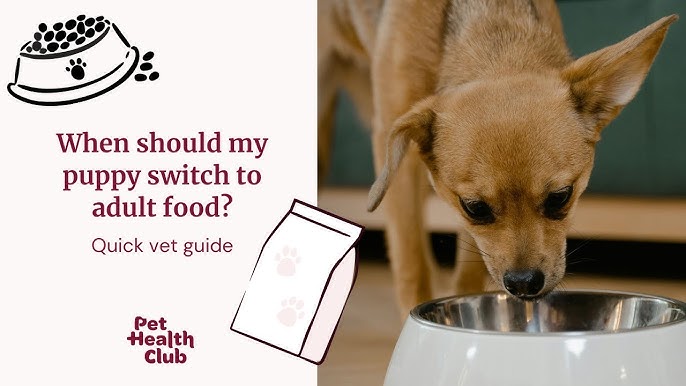
Credit: www.youtube.com
Signs Your Puppy Needs Puppy Food
Feeding your puppy adult dog food can cause health issues. Puppies have special dietary needs for growth.
Watch for signs that show your puppy needs food made just for puppies. These signs help you keep your puppy healthy.
Behavioral Changes
Puppies fed adult food may act differently. They might seem less playful or more tired. Some puppies may become irritable or restless.
- Less interest in playing or socializing
- More frequent whining or fussiness
- Restlessness or trouble sleeping
Physical Symptoms
Physical signs show if your puppy is not getting the right nutrients. Watch for changes in coat, digestion, and overall health.
| Symptom | Description | Possible Cause |
| Dull coat | Fur looks dry or lacks shine | Missing essential fats and vitamins |
| Diarrhea | Loose or frequent stools | Improper fiber or protein levels |
| Weak immune system | More infections or sickness | Not enough nutrients for growth |
Weight And Energy Levels
Your puppy’s weight and energy can tell a lot. Adult dog food may not support healthy growth and activity.
Look for these signs:
- Puppy loses weight or fails to gain enough
- Low energy or reluctance to move
- Appears weak or tired quickly
Transitioning To Adult Food
Switching your puppy to adult dog food is an important step. It helps meet their changing nutritional needs.
Knowing when and how to change the food ensures your puppy stays healthy and happy.
When To Make The Switch
Puppies grow fast and need different nutrients than adult dogs. Most dogs switch to adult food between 9 and 12 months old. Some breeds may need to switch earlier or later.
It is best to ask your vet about the right time for your puppy. Watch for signs like slower growth or less activity. These can mean your puppy is ready for adult food.
How To Transition Gradually
Changing your puppy’s food too fast can upset their stomach. A slow change helps their body adjust.
- Start by mixing 25% adult food with 75% puppy food for three days.
- Then mix 50% adult food and 50% puppy food for the next three days.
- Next, mix 75% adult food with 25% puppy food for three days.
- Finally, give only adult food.
Watch your puppy for any signs of upset stomach during the change. If needed, slow down the transition.
Choosing The Right Adult Food
| Type of Adult Food | Benefits | Considerations |
|---|---|---|
| Dry Kibble | Easy to store, good for teeth | Ensure fresh water is available |
| Wet Food | More moisture, tasty | More expensive, spoil faster |
| Grain-Free | Good for sensitive digestion | Check vet advice before use |
| High-Protein | Supports active dogs | Not for dogs with kidney issues |
Pick adult food that fits your dog’s size, health, and activity. Read labels to check ingredients and nutrition.
Tips For Feeding Puppies
Feeding a puppy is a crucial part of their growth and development. It’s important to understand their dietary needs.
Providing the right nutrition ensures your puppy grows into a healthy adult dog. Let’s explore some key tips.
Feeding Schedule
Puppies need frequent meals to support their energy levels. Establishing a regular schedule helps with digestion and routine.
- Feed younger puppies three to four times a day.
- As they grow, reduce to two meals per day.
- Stick to the same feeding times daily.
Portion Control
Overfeeding can lead to obesity, while underfeeding can stunt growth. Knowing the right portion sizes is essential.
| Age (Months) | Meals per Day | Portion Size (Cups) |
| 2-3 | 4 | 0.5 |
| 4-6 | 3 | 1 |
| 6-12 | 2 | 1.5 |
Consulting A Veterinarian
Consulting a veterinarian ensures your puppy’s diet meets all nutritional needs. They can offer personalized advice based on breed and health.
Credit: www.thinkjinx.com
Frequently Asked Questions
Can Puppies Eat Adult Dog Food Safely?
Puppies can eat adult dog food, but it lacks essential nutrients for growth. It may cause digestive issues and nutrient deficiencies. Always use puppy-specific food for balanced nutrition and healthy development.
What Happens If A Puppy Eats Adult Dog Food?
Feeding adult dog food to puppies can lead to poor growth and weak immunity. They may miss vital vitamins and minerals needed for energy and brain development. It’s best to avoid adult food until they mature.
How Does Adult Dog Food Affect Puppy Growth?
Adult dog food usually has lower protein and fat than puppy food. This can slow growth and impair muscle and bone development. Puppies need nutrient-rich food for their active growth stages.
When Can Puppies Switch To Adult Dog Food?
Puppies typically switch to adult dog food around 12 months. Large breeds may need longer, up to 18 months. Transition gradually to avoid digestive upset and ensure they get proper nutrition.
Conclusion
Feeding a puppy adult dog food can cause health issues. Puppies need more nutrients for growth and energy. Adult food lacks certain vitamins and minerals puppies require. This might lead to weak bones or poor development. Always choose food made for puppies to support their needs.
Proper nutrition helps your puppy grow strong and healthy. Watch your puppy’s weight and energy after feeding changes. Consult a vet if unsure about the best diet. Taking care of your puppy’s food now pays off later. Healthy habits start with the right food at the right age.

Emily Barker is the founder of ChillDogLife.com, a space dedicated to helping pup parents discover the best dog products, lifestyle tips, and cozy ideas for happier homes.
A lifelong dog lover, Emily combines her passion for pets with a knack for research to share trusted recommendations on everything from toys and furniture to health and everyday care.
Her goal is simple: to make life easier, stylish, and more joyful for dogs and the people who love them.




