
Have you ever felt overwhelmed by stress, anxiety, or loneliness? Imagine having a loyal companion by your side who not only offers comfort but also helps improve your mental well-being every day.
That’s exactly what an emotional support dog can do for you. These special dogs provide more than just friendship—they bring real, proven benefits that can change your life. Keep reading to discover how an emotional support dog can support your emotional health, boost your happiness, and make your daily challenges easier to face.
Emotional Comfort And Stress Relief
Having an emotional support dog can transform the way you handle daily stress and emotional challenges. These dogs offer more than just companionship; they provide a reliable source of comfort that helps ease mental burdens. Let’s look at how their presence can bring emotional comfort and stress relief to your life.
Reducing Anxiety And Depression
Emotional support dogs have a unique ability to help lower anxiety and depressive symptoms. Their calming presence encourages you to focus on the moment instead of spiraling into negative thoughts. Many owners notice a drop in panic attacks and an overall sense of peace when their dog is nearby.
Have you ever felt your heart race and your breath quicken during a stressful moment? Simply petting or sitting with your dog can slow your breathing and heart rate. This immediate relief can make a huge difference in managing daily pressures.
Providing Constant Companionship
One of the biggest benefits is having a loyal companion by your side at all times. Emotional support dogs don’t judge or criticize; they offer unconditional love and acceptance. This constant companionship can boost your mood and give you a reason to look forward to each day.
Think about how it feels to come home after a tough day and be greeted with excitement and affection. Your dog’s enthusiasm can pull you out of a bad mood and remind you that you’re not alone. This steady presence helps build emotional resilience over time.
Easing Loneliness
Loneliness can worsen mental health struggles, but emotional support dogs help fill that void. They provide social connection, even when human interaction feels difficult or overwhelming. Their need for care and attention creates a sense of purpose that combats feelings of isolation.
Have you noticed how simply talking to your dog or including them in your routine can lighten your emotional load? Their companionship often encourages you to get outside, meet new people, or engage in activities you might otherwise avoid. This interaction can slowly rebuild your social confidence.

Credit: reflector.uindy.edu
Physical Health Improvements
Having an emotional support dog can bring more than just comfort to your life—it can also boost your physical health in meaningful ways. These furry companions encourage habits and routines that improve your body’s well-being while helping you feel more energized and balanced. Let’s look at some specific physical health improvements that come from living with an emotional support dog.
Encouraging Regular Exercise
Dogs need daily walks, which means you get moving too. This regular activity helps you stay active even on days when motivation is low. Walking your dog can turn exercise into a fun and relaxing routine, making it easier to stick with over time.
Have you noticed how a simple walk with your dog can clear your mind and lift your mood? That’s a powerful way to combine mental and physical health benefits.
Lowering Blood Pressure
Spending time with your emotional support dog can help reduce stress, which directly lowers blood pressure. The calming presence of a dog encourages relaxation and reduces anxiety, two key factors that impact heart health.
Studies show that people who interact with their dogs often have lower blood pressure readings compared to those without pets. Could your dog be your natural stress relief tool?
Enhancing Immune Function
Exposure to pets can actually strengthen your immune system by introducing beneficial microbes. This interaction helps your body build defenses against common illnesses.
Dogs also encourage outdoor time, which increases vitamin D levels from sunlight—another boost for your immune health. How often do you get outside with your dog to enjoy fresh air and sunshine?
Social Benefits
Having an emotional support dog offers more than just comfort at home—it can significantly improve your social life. These dogs act as natural icebreakers, helping you connect with others effortlessly. They create opportunities to engage, build relationships, and feel more at ease in social settings.
Boosting Social Interaction
Emotional support dogs naturally draw attention, encouraging conversations wherever you go. People often approach you to ask about your dog, sparking easy and genuine interactions. This can be especially helpful if you find socializing challenging or tend to avoid new people.
Imagine walking in the park and suddenly starting a chat with a stranger who compliments your dog. That simple moment can lead to new friendships or support you didn’t expect. Your dog becomes a bridge to the outside world, making socializing less intimidating.
Building Support Networks
Having an emotional support dog can connect you with communities that share your experiences. Dog parks, training classes, and support groups offer spaces where you meet people who understand your journey. These networks provide emotional support, advice, and encouragement beyond what you might find alone.
Think about how sharing stories about your dog can create bonds with others facing similar challenges. This sense of belonging can reduce feelings of isolation and make daily life feel more manageable. Are you making the most of these opportunities to grow your support circle?
Increasing Confidence In Public
Taking your emotional support dog out in public can boost your confidence significantly. Knowing your dog is there to calm your nerves helps you face crowds and noisy environments more comfortably. This confidence can extend to trying new activities and attending social events you might usually avoid.
When you feel supported, you are more likely to push your boundaries. Have you noticed how your dog’s presence helps you stay calm during stressful situations? This growing self-assurance can improve your overall well-being and quality of life.
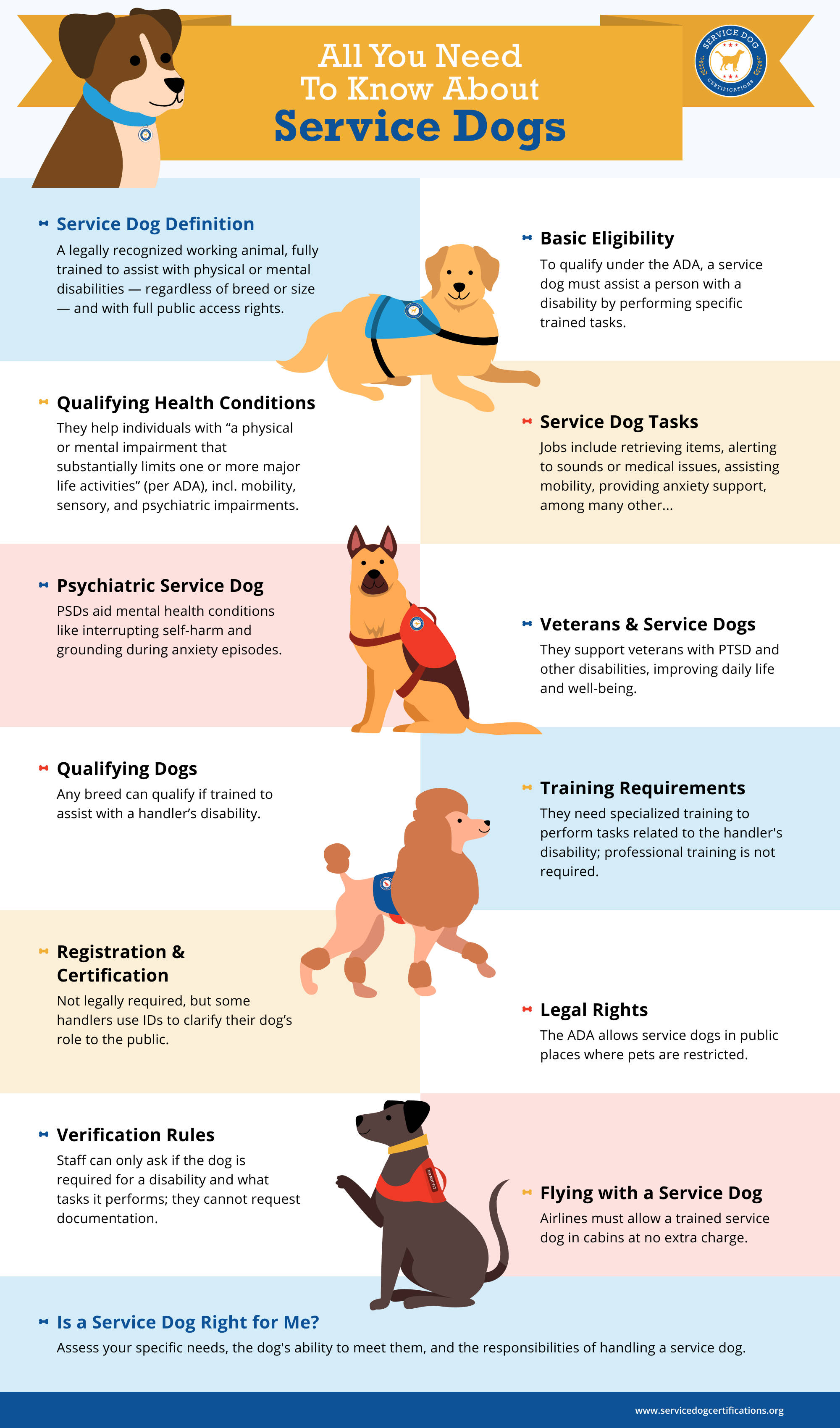
Credit: www.servicedogcertifications.org
Improved Daily Functioning
Having an emotional support dog can significantly improve how you manage your day-to-day life. These dogs offer more than companionship; they help you stay grounded and more in control of your daily activities. The positive changes they bring often start with small shifts in your routine and mindset.
Enhancing Focus And Productivity
Emotional support dogs provide a comforting presence that can reduce distractions caused by anxiety or stress. When you feel calmer, your mind clears, making it easier to concentrate on tasks.
Imagine working on a project while your dog rests quietly nearby. This simple presence can boost your ability to stay on track and complete tasks faster. Have you noticed how even a brief petting session can reset your focus?
Providing Routine And Structure
Dogs thrive on routine, and they encourage you to follow one too. Feeding, walking, and caring for your dog create natural checkpoints throughout your day.
This structure helps break down your day into manageable parts. It can be especially helpful if you struggle with motivation or feel overwhelmed by unstructured time.
Assisting With Emotional Regulation
Your emotional support dog senses your mood changes and offers comfort when you need it most. This support helps you manage intense emotions before they spiral out of control.
For example, during moments of anxiety, focusing on your dog’s breathing or gentle touch can slow your own breathing and calm your mind. How might having this kind of immediate emotional support change your response to stress?
Legal Protections And Housing Rights
Having an emotional support dog (ESA) comes with legal protections that can significantly improve your daily life, especially when it comes to housing and travel. These rights are designed to reduce barriers and provide you with the support you need without unnecessary hassle. Understanding these protections helps you advocate for yourself and your ESA effectively.
Navigating Housing Accommodations
If you rent your home, your ESA can help you secure reasonable accommodations. The Fair Housing Act (FHA) requires landlords to allow emotional support animals, even if the property has a no-pet policy.
You only need to provide proper documentation from a licensed mental health professional stating your need for the ESA. This means you don’t have to pay pet fees or deposits, which can save you money.
Have you ever faced discrimination from a landlord? Knowing your rights can empower you to stand firm and avoid unnecessary stress.
Travel And Transportation Benefits
Traveling with your ESA can be simpler thanks to legal protections that allow you to bring your dog on flights and other public transport. Airlines often require an ESA letter to waive pet fees and let your dog accompany you in the cabin.
However, rules vary between airlines, so always check their specific ESA policies before booking. Being prepared with the correct paperwork can prevent last-minute travel disruptions.
Think about how much easier your trips would be if you didn’t have to leave your emotional support dog behind or pay extra fees.
Understanding Esa Documentation
Having the right ESA documentation is key to accessing your legal protections. This usually includes a letter from a licensed mental health professional stating your need for an emotional support animal due to a diagnosed condition.
Make sure the letter includes specific details like your professional’s license information, the date, and your condition. Incomplete or outdated documents can lead to denied requests, so keep them current.
Do you have your ESA letter handy? Keeping your paperwork organized ensures you’re always ready to assert your rights with confidence.
Choosing The Right Emotional Support Dog
Choosing the right emotional support dog is a crucial step in ensuring you receive the comfort and companionship you need. The perfect dog can enhance your emotional well-being and offer consistent support during challenging times. But how do you find a dog that truly fits your lifestyle and emotional needs?
Traits To Consider
Look for calmness and patience in a dog, especially if you experience anxiety or stress. A dog that is too energetic might add to your worries instead of calming you down.
Consider the dog’s size and energy level. Smaller breeds often adapt well to apartment living, while larger breeds may require more space and exercise.
Think about the dog’s temperament. Friendly and gentle dogs usually make better emotional support animals because they respond well to affection and interaction.
Matching Personality And Needs
Your personality plays a big role in picking the right dog. If you are quiet and introverted, a dog that enjoys calm environments will suit you better.
Ask yourself: Do you need a dog that is independent or one that demands attention? Your daily routine can help answer this.
Matching your needs with the dog’s behavior prevents frustration and builds a stronger bond. Spend time with different dogs to see which one naturally connects with you.
Training And Care Tips
Training your emotional support dog is key to making sure it behaves well in public and at home. Basic commands and socialization can make a huge difference.
Regular vet visits keep your dog healthy, which is essential for consistent emotional support. Neglecting health can affect your dog’s mood and reliability.
Remember, emotional support dogs need love and attention just like any pet. Daily walks, playtime, and grooming are part of their care routine and your bonding experience.
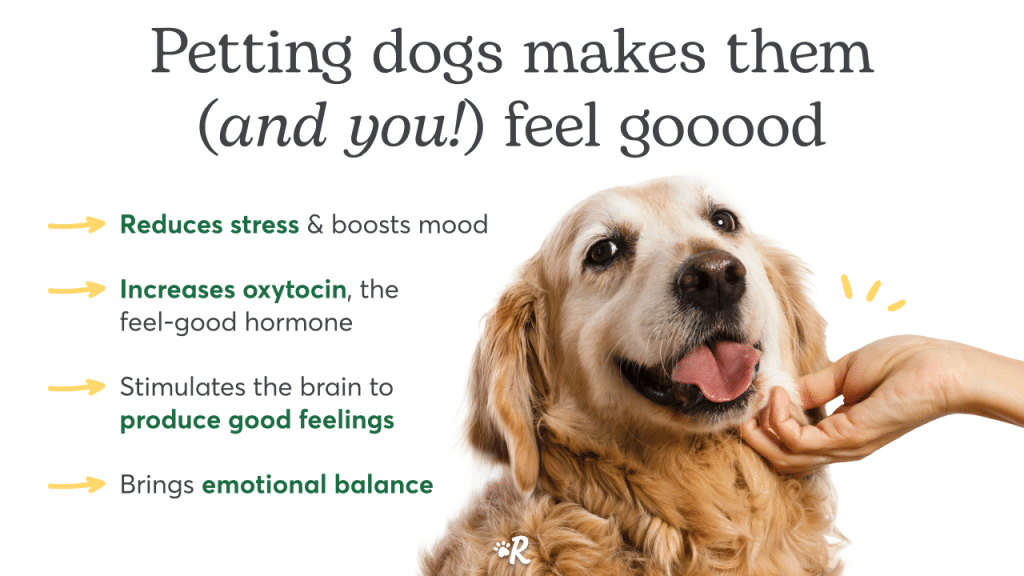
Credit: www.rover.com
Frequently Asked Questions
What Is An Emotional Support Dog?
An emotional support dog provides companionship and comfort to individuals with emotional or mental health challenges. Unlike service dogs, they are not trained for specific tasks. Their presence can alleviate symptoms of anxiety, depression, and PTSD. Emotional support dogs can improve overall well-being and enhance the quality of life for those in need.
How Can An Emotional Support Dog Help Anxiety?
Emotional support dogs help reduce anxiety by offering companionship and unwavering support. Their calming presence can ease symptoms of anxiety disorders. They provide a sense of security and stability in stressful situations. Regular interaction with an emotional support dog can lead to decreased anxiety levels over time.
Are Emotional Support Dogs Allowed Everywhere?
Emotional support dogs are not granted the same public access rights as service dogs. They are allowed in housing with no-pet policies under the Fair Housing Act. Airlines may have specific policies regarding emotional support animals. It’s important to check local regulations and guidelines before bringing them to public spaces.
How Do I Qualify For An Emotional Support Dog?
To qualify, you need a recommendation from a licensed mental health professional. They will assess your need for an emotional support animal. A letter of recommendation is typically required to designate your pet as an emotional support dog. This documentation supports your need for the animal in housing or travel situations.
Conclusion
Emotional support dogs bring comfort and calm to daily life. They help reduce stress and feelings of loneliness. These dogs offer constant companionship and emotional relief. Many people find their mood improves with support dogs nearby. Caring for a dog also encourages routine and activity.
Overall, emotional support dogs provide valuable help for mental health. They make tough days easier to face. A loyal friend, always ready to listen and support.

Emily Barker is the founder of ChillDogLife.com, a space dedicated to helping pup parents discover the best dog products, lifestyle tips, and cozy ideas for happier homes.
A lifelong dog lover, Emily combines her passion for pets with a knack for research to share trusted recommendations on everything from toys and furniture to health and everyday care.
Her goal is simple: to make life easier, stylish, and more joyful for dogs and the people who love them.




