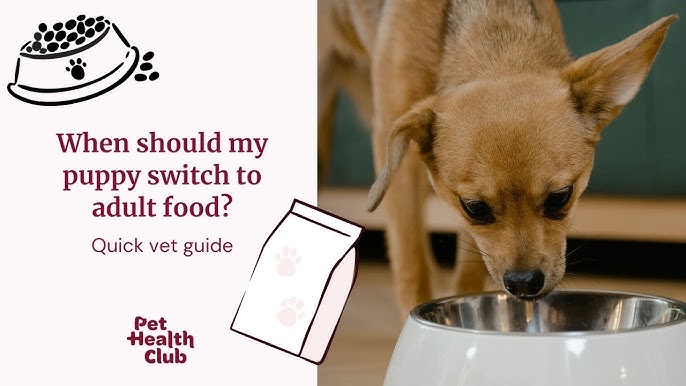
Are you wondering when it’s the right time to switch your furry friend to adult dog food? Choosing the perfect moment can feel confusing.
Feeding your dog the right food at the right age affects their health, energy, and happiness. You want to make sure you’re giving them the best nutrition as they grow. Keep reading to discover clear signs and simple tips that will help you make the best choice for your dog’s diet and well-being.
Your dog’s health depends on it!
Signs Your Dog Is Ready
Knowing when to switch your dog to adult food is important for their health. Dogs change as they grow, and their diet needs to keep up.
Look for physical and behavior signs to decide the right time for the change.
Physical Growth Milestones
Most dogs reach their full height by 12 months old. After this, they need adult food to support their mature body.
- Puppy teeth start to fall out and adult teeth grow in.
- Growth in height and length slows down or stops.
- Weight gain stabilizes as the dog reaches adult size.
Behavioral Changes
Behavior changes can show readiness for adult food. Puppies become calmer and less hyperactive.
- Your dog has less need for constant play and naps more.
- They show more focus during training and daily activities.
- Chewing on everything decreases as teething ends.
Breed And Size Considerations
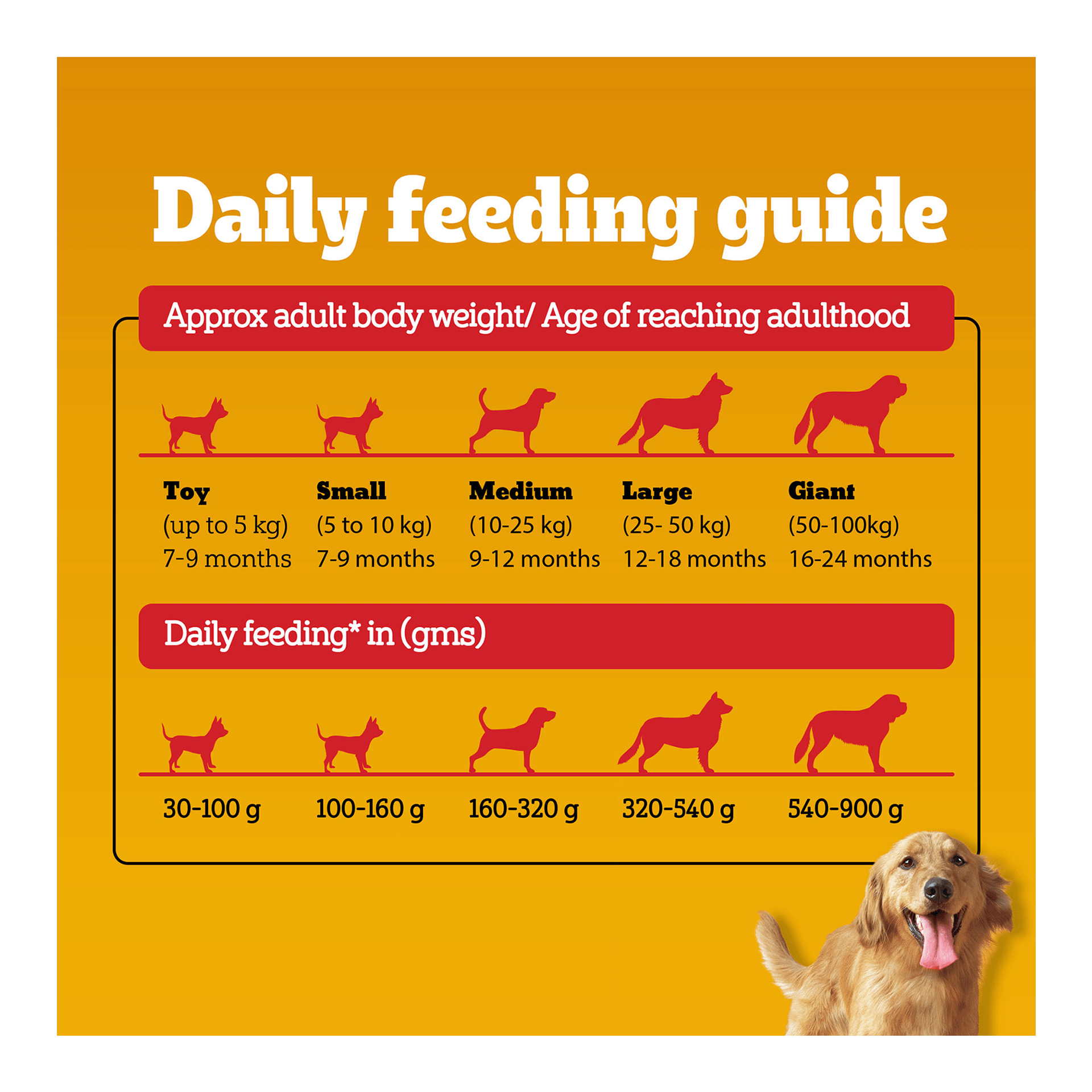
Different breeds and sizes grow at different rates. Small breeds mature faster than large breeds.
| Breed Size | Typical Age to Switch | Notes |
| Small Breeds | 9 to 12 months | Reach adult size early, switch sooner. |
| Medium Breeds | 12 months | Average growth period, standard switch time. |
| Large Breeds | 12 to 18 months | Longer growth phase, delayed switch. |
| Giant Breeds | 18 to 24 months | Slowest growth, late switch needed. |
Comparing Puppy And Adult Food
Choosing the right food for your dog is important as they grow. Puppies and adult dogs need different nutrients to stay healthy.
Switching to adult dog food at the right age helps support your dog’s health and energy levels.
Nutritional Differences
Puppy food has more protein and fat to support growth. Adult dog food has balanced nutrients for maintenance.
Puppies need extra vitamins and minerals to build strong bones and muscles. Adult dogs need fewer of these nutrients.
- Puppy food: higher protein and fat
- Adult food: balanced nutrients for health
- Puppy food: extra vitamins and minerals
- Adult food: maintenance nutrients
Calorie Requirements
Puppies burn more calories because they are active and growing fast. They need more energy in their food.
Adult dogs burn fewer calories and need less energy to avoid weight gain. Their food has fewer calories.
- Puppies need more calories per pound of body weight
- Adult dogs need fewer calories to maintain weight
- Energy needs drop after puppy stage
Ingredient Variations
Puppy food includes ingredients that help brain and eye development. It often has DHA and other nutrients.
Adult dog food focuses on ingredients for joint health and a strong immune system. It has more fiber too.
- Puppy food contains DHA for brain growth
- Adult food has glucosamine for joints
- Adult food includes fiber for digestion
Ideal Age For Switching
Knowing when to switch your dog to adult food is important. Different breeds grow at different rates. Feeding the right food helps keep your dog healthy.
This guide explains the ideal switching age for small, medium, and large dog breeds.
Small Breeds Timeline
Small dog breeds mature faster than larger breeds. You can switch to adult food sooner. Most small breeds reach adulthood by 9 to 12 months old.
- Switch at about 9 months old
- Look for signs of adult teeth and slower growth
- Consult your vet for breed-specific advice
Medium Breeds Timeline
Medium breeds grow at a moderate pace. They usually mature between 12 and 15 months. You should change their food at this time to meet their nutritional needs.
| Age | Milestone |
| 12 months | Start switching to adult food |
| 15 months | Fully adult diet recommended |
Large Breeds Timeline
Large dogs take longer to mature. They need puppy food longer to support growth. Switching too early can cause health issues.
- Switch between 12 and 18 months
- Watch for slowed growth and adult teeth
- Use large breed adult formulas for joint support
Transitioning Your Dog’s Diet
Switching your dog from puppy food to adult dog food is an important step. It helps meet their changing nutritional needs as they grow.
Making this change slowly can keep your dog healthy and happy during the transition.
Gradual Food Introduction
Start by mixing a small amount of adult dog food with your dog’s current food. Increase the adult food amount over several days.
- Day 1-2: 25% adult food, 75% puppy food
- Day 3-4: 50% adult food, 50% puppy food
- Day 5-6: 75% adult food, 25% puppy food
- Day 7: 100% adult food
Monitoring Digestive Health
Watch your dog’s stool and energy levels during the diet change. Soft stools or diarrhea can mean the change is too fast.
| Sign | What to Do |
| Normal stools | Keep current transition pace |
| Loose stools | Slow down the food change |
| Vomiting | Stop transition and consult vet |
Adjusting Portion Sizes
Adult dog food usually has more calories. Give smaller portions at first. Watch your dog’s weight and energy.
Tips to adjust portion size:
- Check feeding guidelines on the dog food package.
- Measure food with a cup or scale.
- Feed your dog twice a day at regular times.
- Watch for weight gain or loss and adjust portions accordingly.
Common Mistakes To Avoid
Choosing the right time to switch your dog to adult food is important. Picking the wrong age can hurt your dog’s health.
This guide covers common mistakes dog owners make when switching dog food. Avoiding these errors helps your dog stay healthy.
Switching Too Early Or Late
Switching your dog to adult food too early can cause nutritional gaps. Puppies need food made for growth.
Switching too late may lead to weight gain or poor digestion. Adult food fits your dog’s changing needs.
- Too early: Puppy lacks essential nutrients
- Too late: Dog gains excess weight
- Watch your dog’s growth and energy levels
Ignoring Breed-specific Needs
Different breeds grow at different speeds. Large breeds need a slower switch to avoid joint problems.
Small breeds may switch earlier because they mature faster. Ignoring this can cause health issues.
- Large breeds: Switch around 12-18 months
- Small breeds: Switch around 9-12 months
- Consider your dog’s breed size and growth rate
Skipping Vet Consultation
Your vet knows your dog’s health history. Skipping a vet check before switching food is risky.
Vets can suggest the best food type and timing. They help avoid allergies or digestive problems.
- Ask your vet about the right switch time
- Discuss any health concerns before changing food
- Follow vet advice for a smooth transition
Credit: www.swiggy.com
Expert Tips For A Smooth Switch
Switching your dog to adult food is an important step. It ensures they get the right nutrients for their age.
Knowing when and how to make the switch can be tricky. Follow these expert tips for a smooth transition.
Choosing The Right Adult Food
Selecting the right adult dog food is crucial for their health. Look for foods that meet their specific needs.
- Check for high-quality protein sources.
- Avoid foods with artificial additives.
- Consider any allergies or sensitivities.
Incorporating Supplements
Supplements can provide extra nutrients. They help maintain your dog’s overall well-being.
| Supplement | Benefit |
| Fish Oil | Supports skin and coat health |
| Glucosamine | Promotes joint health |
| Probiotics | Aids digestion |
Maintaining A Balanced Diet
A balanced diet is key to keeping your dog healthy. It should include proteins, fats, and carbohydrates.
When To Consult Your Veterinarian
Choosing the right time to switch to adult dog food is important. Your veterinarian can help you make the best decision for your pet.
Veterinarians know the specific needs of different breeds and ages. They can guide you on when to make the switch for your dog.
Health Issues Affecting Diet
Some dogs have health problems that affect their diet. These issues can change when you should switch to adult food.
Conditions like diabetes or allergies need special attention. A vet can recommend the right time to change food based on these factors.
- Diabetes requires careful monitoring of sugar intake
- Allergies may demand specific ingredient avoidance
- Thyroid problems can affect metabolism and diet needs
Special Dietary Requirements
Some dogs have special dietary needs. These needs can influence when to switch to adult food.
Veterinarians can help identify these requirements. They ensure your dog gets the proper nutrients at every life stage.
| Dietary Need | Consideration |
| High protein | For active breeds |
| Low fat | For overweight dogs |
| Grain-free | For dogs with grain allergies |
Monitoring Weight And Activity
Weight and activity levels are key factors in deciding diet changes. A vet can guide you on these aspects.
Active dogs might need different nutrition than less active ones. Keeping an eye on weight helps in making informed food choices.
- Track your dog’s weight regularly
- Adjust food portions based on activity
- Consult your vet for tailored advice
Credit: dogsauce.co

Credit: www.amazon.in
Frequently Asked Questions
When Should I Switch My Puppy To Adult Dog Food?
Switch your puppy to adult dog food around 12 months old. Large breeds may need to wait until 18-24 months. This ensures proper growth and nutrient balance for their age and size.
How Do I Know If My Dog Is Ready For Adult Food?
Look for signs like slowed growth and adult teeth. Your vet can confirm readiness based on breed, weight, and health status. Transition gradually to avoid digestive upset.
Can Switching To Adult Food Too Early Harm My Dog?
Yes, switching too early can cause nutrient deficiencies. Puppies need extra calories and nutrients for growth. Consult your vet to choose the right time and food type.
What Are The Benefits Of Adult Dog Food Over Puppy Food?
Adult dog food supports maintenance, not growth. It has balanced protein, fat, and calories suitable for adult energy levels. This helps prevent obesity and promotes long-term health.
Conclusion
Switching your dog to adult food depends on their breed and size. Most dogs change between 12 and 18 months old. Large breeds might need adult food later than small breeds. Watch your dog’s weight and energy to decide the right time.
Always choose a balanced diet made for adult dogs. Consult your vet if you are unsure about the switch. Feeding the right food helps your dog stay healthy and happy. Keep an eye on their needs as they grow. The right food supports a long, active life.

Emily Barker is the founder of ChillDogLife.com, a space dedicated to helping pup parents discover the best dog products, lifestyle tips, and cozy ideas for happier homes.
A lifelong dog lover, Emily combines her passion for pets with a knack for research to share trusted recommendations on everything from toys and furniture to health and everyday care.
Her goal is simple: to make life easier, stylish, and more joyful for dogs and the people who love them.




