
Are you wondering when to switch your furry friend from puppy food to adult dog food? Knowing the right time to make this change is crucial for your dog’s health and happiness.
Feed them too early, and they might miss out on vital nutrients; wait too long, and they could gain unnecessary weight or face digestion issues. You’ll discover the simple signs and expert tips that help you decide the perfect moment to start feeding your dog adult food.
Keep reading to make sure your dog gets the best nutrition at every stage of life.
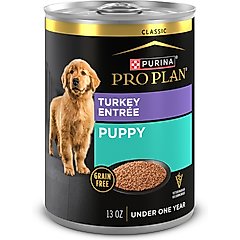
Credit: www.chewy.com
Puppy Nutrition Basics
Feeding your puppy the right food helps them grow strong and healthy. Puppies need special nutrition that supports their development.
Knowing when to switch from puppy food to adult food is important for your dog’s health. This guide explains the basics of puppy nutrition.
Nutritional Needs By Age
Puppies need more calories and nutrients than adult dogs. Their bodies grow fast and require protein, fat, vitamins, and minerals.
As puppies get older, their nutritional needs change. By about one year old, most dogs can start eating adult food. Large breeds may switch later.
- Puppies (0-6 months): High calories and protein for growth
- Older puppies (6-12 months): Balanced nutrition to support slower growth
- Adults (12 months+): Maintenance diet with fewer calories
Importance Of Puppy Food
Puppy food contains extra nutrients to help bones, muscles, and the brain develop. It is easier to digest than adult food.
Feeding adult food too soon can cause poor growth or health problems. Stick to puppy food until your dog reaches the right age or size.
- Supports fast growth and energy needs
- Helps build strong bones and teeth
- Contains essential fatty acids for brain health
- Offers balanced vitamins and minerals
Credit: dogsauce.co
Signs To Switch To Adult Food
Knowing when to switch your dog to adult food is important for their health. Puppies grow fast, and their food needs change as they get older.
This guide explains key signs that show it is time to feed your dog adult food.
Physical Growth Milestones
Puppies reach several physical milestones that indicate they need adult food. These changes show their bodies no longer need puppy-specific nutrients.
- Most dogs finish growing between 9 to 12 months.
- Large breeds may grow for up to 18 months.
- Teeth become fully developed and adult-sized.
- Muscle mass and bone density increase steadily.
- Weight gain slows down and stabilizes.
Behavioral Changes
Behavior changes can help you know when to change food. Dogs become less active and show different eating habits as they mature.
| Behavior | What It Means |
| Less frequent bursts of energy | The dog is moving from puppy energy to adult calmness |
| Decreased appetite for small frequent meals | Adult dogs usually eat less often but larger meals |
| Chewing on toys less often | Teething is done, which changes food needs |
| More focused on rest and sleep | Growth slows; energy demands drop |
Veterinarian Recommendations
Your vet is the best source to decide when to switch your dog’s food. They consider breed, size, and health to give advice.
Common vet tips include:
- Start switching food around 12 months for small breeds.
- Wait up to 18 months for large breeds before switching.
- Watch for healthy weight and coat condition.
- Adjust diet if your dog has special health needs.
Age Guidelines For Different Breeds
Feeding dogs the right food at the right age is important. Different breeds grow at different rates, needing varied nutrition plans.
Adult dog food is tailored for their specific nutritional needs. Knowing when to start feeding adult food depends on the breed size.
Small Breeds
Small breeds mature faster than larger breeds. They often reach adulthood by 9 to 12 months of age. This is when you can start feeding them adult dog food.
Examples of small breeds include Chihuahuas and Pomeranians. Their faster growth means they need adult food sooner.
- Chihuahua: 9 months
- Pomeranian: 10 months
- Yorkshire Terrier: 12 months
Medium Breeds
Medium breeds take a bit longer to mature. They typically reach adulthood by 12 to 15 months of age. Transitioning to adult food around this time is best.
Breeds such as Bulldogs and Cocker Spaniels fall into this category. Their growth rate is moderate, requiring a balanced approach to feeding.
- Bulldog: 12 months
- Cocker Spaniel: 13 months
- Beagle: 15 months
Large And Giant Breeds
Large and giant breeds grow the slowest. They can take 18 to 24 months to reach full maturity. It’s important to wait longer before switching to adult food.
Breeds like Great Danes and Saint Bernards are in this group. Their growth is steady and prolonged, needing careful dietary planning.
- Great Dane: 18 months
- Saint Bernard: 24 months
- Newfoundland: 24 months
Choosing The Right Adult Dog Food
Feeding your dog the right food is key as it grows. Adult dog food has different nutrients than puppy food. Knowing when to switch helps your dog stay healthy and strong.
Choosing the right adult dog food depends on many factors. Look for ingredients that support your dog’s health and avoid harmful additives. Also, match the food to your dog’s activity level.
Key Ingredients To Look For
Adult dog food should have nutrients that keep your dog active and healthy. Protein is very important for muscle strength. Healthy fats provide energy and support skin and coat.
- High-quality protein like chicken, beef, or fish
- Healthy fats such as omega-3 and omega-6 fatty acids
- Carbohydrates for energy, like brown rice or sweet potatoes
- Vitamins and minerals to support overall health
- Fiber for good digestion
Avoiding Common Additives
Some additives in dog food can harm your pet or cause allergies. Avoid foods with artificial colors, flavors, and preservatives. These may upset your dog’s stomach or cause skin problems.
| Additive | Why to Avoid |
| Artificial colors | Can cause allergies and hyperactivity |
| Artificial flavors | May upset digestion and cause reactions |
| Preservatives like BHA and BHT | Linked to health risks over time |
| Excess salt | Can lead to kidney problems |
Tailoring Food To Activity Level
Your dog’s energy needs change with activity. Active dogs burn more calories and need more protein and fat. Less active dogs need fewer calories to avoid weight gain.
Use this guide to match food to activity level:
- Low activity: Choose food low in calories and fat.
- Moderate activity: Select balanced food with moderate protein and fat.
- High activity: Pick food rich in protein and fats for energy.
Transitioning To Adult Food
Dogs grow quickly and their dietary needs change. Knowing when to switch to adult food is important for their health.
Transitioning to adult food is a key step in your dog’s development. It helps them maintain energy and health as they mature.
Step-by-step Feeding Plan
A gradual transition is best for your dog’s digestion. Start mixing adult food with their puppy food.
Over a week, increase the adult food portion. This helps their stomach adjust smoothly.
- Day 1-2: 75% puppy food, 25% adult food
- Day 3-4: 50% puppy food, 50% adult food
- Day 5-6: 25% puppy food, 75% adult food
- Day 7: 100% adult food
Managing Digestive Sensitivity
Some dogs have sensitive stomachs. Watch for signs like diarrhea or vomiting during the transition.
If issues arise, slow down the transition process. Consult a vet if problems persist.
| Signs of Sensitivity | Actions |
| Loose stools | Decrease adult food portion |
| Vomiting | Consult your vet |
| Lack of appetite | Pause transition |
Monitoring Your Dog’s Response
Observe your dog’s energy and behavior. A smooth transition should keep them active and happy.
Check their weight regularly. Ensure they stay healthy with their new diet.
- Monitor weight every two weeks
- Check coat for shine and softness
- Watch for playful behavior
Common Mistakes To Avoid
Feeding dogs adult food at the right age is important for their health. Many dog owners make mistakes that can cause problems.
Knowing when and how to switch food helps dogs grow strong and stay healthy. Avoiding common mistakes makes feeding easier.
Switching Too Early Or Late
Changing to adult food too soon can cause nutrition problems. Puppies need special food to grow well. Switching too late can make dogs gain extra weight.
Watch your dog’s age and size to know the right time. Most dogs switch between 12 and 18 months, but some need more time.
Ignoring Breed Differences
Different dog breeds grow at different speeds. Large breeds take longer to mature than small breeds. Using one rule for all dogs can cause feeding errors.
Learn about your dog’s breed needs. Large breeds may need puppy food longer to support bone growth. Small breeds may switch earlier.
- Small breeds: switch around 12 months
- Large breeds: switch closer to 18 months
- Medium breeds: switch between 12 and 15 months
Overfeeding Or Underfeeding
Giving too much or too little adult food can harm your dog. Overfeeding leads to obesity and health issues. Underfeeding causes weakness and poor growth.
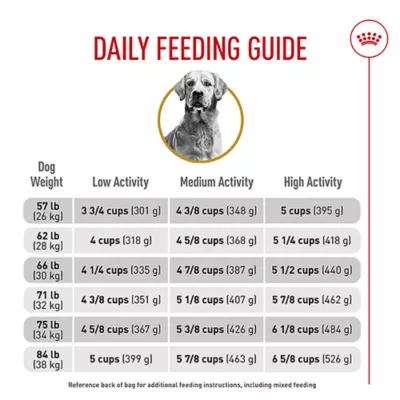
Follow the feeding guide on the food package. Adjust portions based on your dog’s activity and weight. Regularly check your dog’s body condition.
- Feed measured portions daily
- Split food into two or more meals
- Monitor weight and energy levels
- Consult a vet if unsure about amounts
Special Considerations
Feeding dogs adult food at the right age is important. Some dogs need special care when changing their diet.
Knowing health issues and allergies can help you choose the best food. Always check with your vet before switching.
Health Conditions Impacting Diet
Some dogs have health problems that affect their food needs. Conditions like kidney disease or diabetes need special diets.
Adult dog food may not suit dogs with these issues. Special veterinary diets can help manage their health better.
- Kidney disease requires low protein food
- Diabetes needs controlled carbohydrate levels
- Obesity calls for low-calorie meals
- Digestive problems need easily digestible ingredients
Puppies With Allergies
Some puppies have allergies to certain foods. Switching to adult food too soon can cause reactions.
Watch for signs like itching, redness, or upset stomach. Choose food with limited ingredients to avoid allergens.
- Common allergens include beef, chicken, and dairy
- Hypoallergenic foods reduce allergy risks
- Introduce new food slowly to watch for reactions
Consulting Your Vet
Your vet knows your dog’s health best. Ask them when to start adult food for your dog.
They can recommend the right food type and timing. This helps keep your dog healthy and happy.
Credit: www.petsmart.com
Frequently Asked Questions
When Should Puppies Switch To Adult Dog Food?
Puppies usually switch to adult dog food around 12 months old. Large breeds may need up to 18 months. This change supports their growth and nutritional needs as they mature.
Why Not Feed Puppies Adult Dog Food Early?
Adult dog food lacks the extra nutrients puppies need for growth. Feeding it too early can lead to nutrient deficiencies and health issues. Puppy food is specially formulated for their development.
How To Know If Dog Is Ready For Adult Food?
Look for signs like slowed growth and mature teeth. Your vet can confirm readiness based on breed, size, and health. Transition gradually to avoid digestive upset.
Can Switching Food Too Late Harm My Dog?
Yes, feeding puppy food too long can cause obesity and nutrient imbalance. Adult food suits mature dogs’ metabolism better. Timely switching helps maintain optimal health.
Conclusion
Most dogs switch to adult food between one and two years old. Puppy food supports growth but adult food keeps your dog healthy. Watch your dog’s size, energy, and health for clues. Ask your vet to get the best advice for your dog.
Changing food slowly helps avoid upset stomachs. Feeding the right food at the right time keeps dogs happy and strong. Remember, every dog is different, so pay attention to their needs. Good nutrition is key to a long, healthy life for your pet.

Emily Barker is the founder of ChillDogLife.com, a space dedicated to helping pup parents discover the best dog products, lifestyle tips, and cozy ideas for happier homes.
A lifelong dog lover, Emily combines her passion for pets with a knack for research to share trusted recommendations on everything from toys and furniture to health and everyday care.
Her goal is simple: to make life easier, stylish, and more joyful for dogs and the people who love them.




