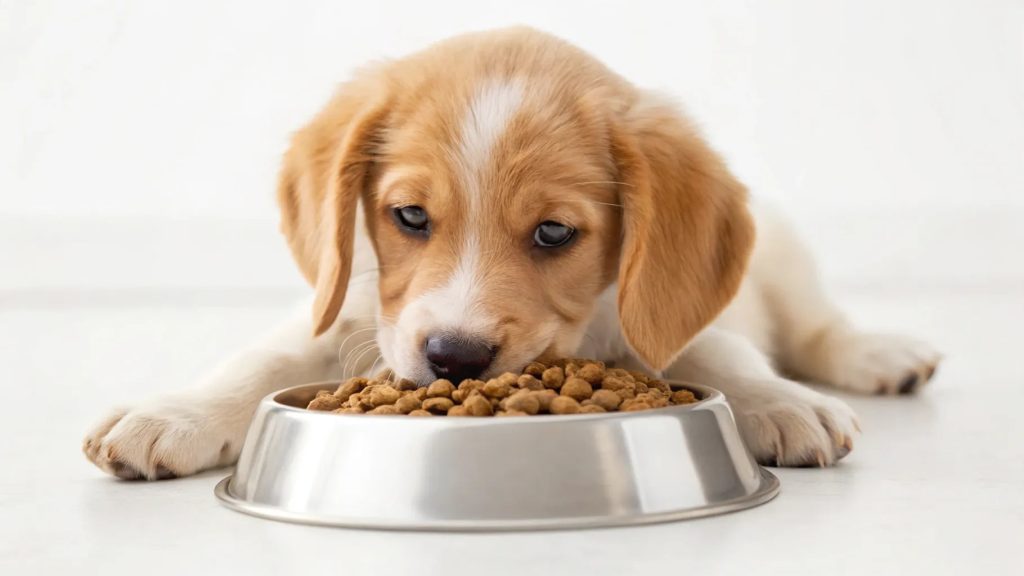
If you’ve just brought home a new puppy, you’re probably wondering when it’s time to switch from puppy food to adult dog food. You want to make sure your furry friend gets the right nutrition at every stage of life.
But how do you know the exact age to make this change? Feeding your puppy the wrong food can affect their growth, energy, and health. Keep reading to find out the key signs and the perfect age to make the switch, so your puppy stays happy and healthy for years to come.

Credit: www.youtube.com
Puppy Nutrition Basics
Puppies need special food to grow healthy and strong. Their bodies use nutrients differently than adult dogs.
Knowing when to switch to adult dog food is important for your puppy’s health. Let’s learn about the basics of puppy nutrition.
Essential Nutrients For Puppies
Puppies require a balance of nutrients to support their rapid growth. These nutrients help build bones, muscles, and the immune system.
- Protein: Builds strong muscles and tissues.
- Fat: Provides energy and supports brain development.
- Calcium and Phosphorus: Strengthen bones and teeth.
- Vitamins: Help with metabolism and immune health.
- Water: Keeps puppies hydrated and supports all body functions.
Differences Between Puppy And Adult Food
Puppy food has more calories and nutrients than adult dog food. It meets the needs of growing puppies that burn more energy.
| Feature | Puppy Food | Adult Dog Food |
| Protein | High (22%-32%) | Moderate (18%-25%) |
| Fat | Higher for energy | Lower to maintain weight |
| Calories | More per serving | Less per serving |
| Calcium | Higher for bone growth | Lower to prevent issues |
| Kibble Size | Smaller for easy chewing | Larger, suited for adult teeth |
Credit: dogsauce.co
When To Switch To Adult Food
Choosing the right time to switch your puppy to adult dog food is important. Feeding adult food too early or too late can affect your dog’s health.
Adult dog food has different nutrients than puppy food. Puppies need more protein and calories to grow. Adult dogs need balanced nutrition to stay healthy.
Age Guidelines By Breed Size
Different dog breeds grow at different speeds. The size of your puppy helps decide when to switch to adult food.
- Small Breeds:Switch at about 9 to 12 months old.
- Medium Breeds:Change at around 12 months.
- Large Breeds:Wait until 12 to 18 months old.
- Giant Breeds:Switch at 18 to 24 months.
Large and giant breeds take longer to finish growing. They need puppy food longer for good bone and muscle development.
Signs Your Puppy Is Ready
Besides age, watch your puppy for signs it is ready for adult food. These signs help make the switch safely.
- Your puppy has reached about 80% of its adult size.
- Your puppy’s growth rate has slowed down.
- Your puppy is less active in rapid play and exercise.
- Your puppy’s appetite has stabilized and is less frequent.
- Your vet says your puppy is healthy and ready for adult food.
Always check with your vet before changing your puppy’s diet. They can give advice based on your puppy’s health and breed.
Risks Of Early Transition
Changing a puppy’s food to adult dog food too soon can cause problems. Puppies need special nutrition to grow strong and healthy.
Adult dog food may not have the right nutrients for puppies. This can lead to health issues and affect their growth.
Potential Health Issues
Feeding adult dog food early can cause digestive problems. Puppies may have diarrhea or stomach upset. Their immune system might weaken, making them sick more often.
- Diarrhea and vomiting
- Reduced energy levels
- Weaker immune system
- Poor coat and skin health
Impact On Growth And Development
Puppies need more protein, fat, and calories than adult dogs. Adult dog food has lower amounts of these nutrients. This can slow their growth and affect muscle development.
| Nutrition Aspect | Puppy Food | Adult Dog Food |
| Protein | Higher (22-32%) | Lower (18-25%) |
| Fat | Higher (8-20%) | Lower (5-15%) |
| Calories | More energy per serving | Less energy per serving |
| Calcium and Phosphorus | Balanced for bone growth | Lower levels |
How To Transition Smoothly
Switching your puppy from puppy food to adult dog food needs care. A smooth change helps avoid tummy problems.
Start the transition slowly and watch how your puppy reacts. This guide shares tips to make the change easy.
Gradual Feeding Tips
Mix adult food with puppy food over days. This helps your puppy get used to new tastes and nutrients.
- Start with 25% adult food and 75% puppy food.
- After 3 days, change to 50% adult and 50% puppy food.
- Then, move to 75% adult and 25% puppy food.
- After about 7-10 days, use 100% adult dog food.
Monitoring Your Puppy’s Response
Check your puppy’s stool and energy. These show how well the new food suits them.
| Sign | What It Means | Action to Take |
| Loose stool | Digestive upset | Slow transition, give more time |
| Refusal to eat | Dislike or discomfort | Try mixing more puppy food |
| Normal stool | Good digestion | Continue gradual transition |
| High energy | Good health | Keep current feeding plan |
| Lethargy | Possible food issue | Consult your vet |
Special Considerations
Knowing when to switch your puppy to adult dog food is important. The right time depends on several factors.
Switching too early or too late can affect your puppy’s growth and health.
Small Vs. Large Breed Puppies
Small breed puppies grow faster than large breeds. They usually switch to adult food earlier.
Large breed puppies need special diets for slow growth. This helps protect their bones and joints.
- Small breeds switch around 9 to 12 months old
- Large breeds switch around 12 to 18 months old
- Large breed diets have less calcium and calories
Puppies With Health Concerns
Puppies with health issues may need special diets for longer. Always check with your vet first.
Some puppies have allergies or digestive problems. They might need adult food later or special formulas.
- Consult your vet before changing food
- Watch for signs of allergies or upset stomach
- Feed special diets as advised for health needs
Expert Recommendations
Choosing the right time to switch your puppy to adult dog food is important. Experts provide guidance to ensure your pet stays healthy.
Let’s explore what veterinarians suggest and some top puppy food brands to consider.
Veterinarian Advice
Veterinarians recommend waiting until your puppy is fully grown. This usually happens between 9 to 18 months.
- Small breeds may mature around 9 months.
- Medium breeds may take up to 12 months.
- Large breeds may need 18 months or more.
Top Puppy Food Brands
Choosing a quality puppy food brand is essential for growth and health. Here are some recommended brands:
| Brand | Special Features |
| Blue Buffalo | Natural ingredients, no by-products |
| Royal Canin | Breed-specific formulas |
| Hill’s Science Diet | Veterinarian recommended |
Credit: www.thinkjinx.com
Frequently Asked Questions
When Should I Switch My Puppy To Adult Dog Food?
Most puppies can switch to adult dog food between 9 to 12 months. Large breeds may need up to 18 months. Consult your vet to ensure the right time for your puppy’s breed and growth needs.
Why Not Feed Puppies Adult Dog Food Early?
Adult dog food lacks essential nutrients puppies need for growth. Feeding it too early can cause nutritional deficiencies and developmental issues. Puppy formulas have higher protein, fat, and calories tailored for growing dogs.
How To Transition Puppy To Adult Dog Food?
Transition gradually over 7-10 days. Mix increasing amounts of adult food with decreasing puppy food. This helps prevent digestive upset and allows your puppy to adjust to new flavors and textures comfortably.
Can Feeding Adult Food Affect Puppy’s Health?
Yes, feeding adult food too early can stunt growth and weaken immunity. Puppies need balanced nutrients for bones and organs. Always choose age-appropriate food to support healthy development.
Conclusion
Puppies need adult food at about one year old. This helps support their changing body needs. Switching too early can cause health issues. Watch your puppy’s size and energy to decide the right time. Always choose good quality food for their growth.
Talk to your vet for advice you can trust. Feeding your puppy properly means a happy, healthy dog. Take it step by step, and your dog will thrive. Simple changes make a big difference in their life.

Emily Barker is the founder of ChillDogLife.com, a space dedicated to helping pup parents discover the best dog products, lifestyle tips, and cozy ideas for happier homes.
A lifelong dog lover, Emily combines her passion for pets with a knack for research to share trusted recommendations on everything from toys and furniture to health and everyday care.
Her goal is simple: to make life easier, stylish, and more joyful for dogs and the people who love them.




