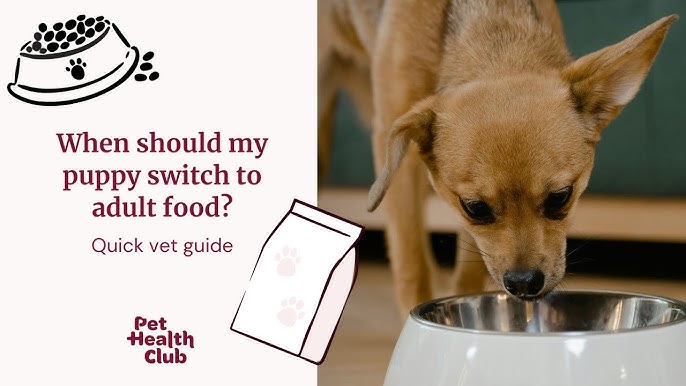
Wondering when your furry friend should switch from puppy food to adult dog food? You’re not alone.
Making this change at the right time is crucial for your dog’s health and happiness. Feed them too early, and they might miss out on important nutrients. Wait too long, and they could gain unwanted weight or face digestion issues.
You’ll discover the perfect age to make the switch, signs to watch for, and tips to keep your dog thriving through every stage of life. Keep reading to give your dog the best nutrition possible.
Puppy Nutrition Basics
Feeding your puppy the right food is key to healthy growth. Puppies need special nutrients to support their body changes.
Understanding when to switch to adult food helps keep your dog strong and happy. This guide explains what puppies need and how adult food differs.
Nutritional Needs By Growth Stage
Puppies grow fast and need more energy and nutrients than adult dogs. Their food must support brain development, strong bones, and muscle growth.
- Protein: Higher levels help build muscles.
- Fat: Provides energy for active puppies.
- Calcium and phosphorus: Support bone and teeth growth.
- DHA: An omega-3 fatty acid for brain and eye health.
- Vitamins and minerals: Keep the immune system strong.
After about one year, most dogs need less energy and fewer calories. Their food changes to support maintenance instead of growth.
Differences Between Puppy And Adult Food
Puppy food has more calories and nutrients than adult food. Adult food focuses on keeping your dog healthy without extra calories.
| Feature | Puppy Food | Adult Food |
| Protein | High (22-32%) | Moderate (18-25%) |
| Fat | Higher (8-20%) | Lower (5-15%) |
| Calories | More energy per serving | Less energy, fewer calories |
| Minerals | More calcium and phosphorus | Balanced for maintenance |
| Purpose | Growth and development | Maintenance and health |
Switch your puppy to adult food around 12 months old. Large breeds may need longer puppy feeding, up to 18 months.
Signs Your Dog Is Ready
Changing your dog to adult food is an important step. You need to know when your dog is ready for this change.
Look for signs in your dog’s body and behavior. These signs tell you if adult food is right for them now.
Physical Growth Indicators
Physical changes show your dog is growing up. They need more nutrients from adult food as they grow.
- Your dog has reached about 80% of its adult size.
- They have lost most of their puppy teeth.
- Their coat looks thicker and shinier.
- They have more muscle and less puppy fat.
Behavioral Changes To Watch
Behavior shows your dog is maturing inside. These changes help you decide if adult food is needed.
| Behavior | What It Means |
|---|---|
| Less frequent naps | More energy and stamina |
| More independent play | Growing confidence and strength |
| Change in appetite | Needs different nutrients for growth |
| Stronger chewing habits | Ready for tougher adult food textures |
Typical Age To Switch
Knowing when to switch your dog to adult food is important for their health. Dogs need different nutrients as they grow.
The right time to change depends on your dog’s breed and size. Each group grows at a different rate.
Small Breeds
Small breed dogs grow faster than large breeds. They reach adulthood sooner and need adult food earlier.
Most small dogs can switch to adult food around 9 to 12 months old. This helps support their active lifestyle.
Medium Breeds
Medium breeds grow at a moderate pace. They take longer to mature compared to small breeds.
Switching to adult food usually happens between 12 and 14 months of age. This change supports their steady growth.
Large And Giant Breeds
Large and giant breeds grow more slowly. Their bones and joints need more time to develop fully.
These dogs should stay on puppy food until they are 15 to 24 months old. This helps prevent health problems later.
- Large breeds: switch around 15 to 18 months
- Giant breeds: switch closer to 18 to 24 months

Credit: dogsauce.co
How To Transition Foods
Changing your dog’s food needs care and patience. Dogs can have upset stomachs if the change is too fast. A smooth switch helps your dog adjust well.
Adult dog food has different nutrients from puppy food. It is best to move your dog to adult food around one year old. This timing depends on the dog’s breed and size.
Gradual Introduction Tips
Start by mixing a small amount of adult food with your dog’s current food. Slowly increase the adult food amount over several days. This helps your dog’s stomach get used to the new food.
- Mix 25% adult food with 75% puppy food on the first two days
- Change to 50% adult food and 50% puppy food for the next two days
- Feed 75% adult food and 25% puppy food for another two days
- By day seven, give 100% adult food
Common Transition Challenges
Some dogs may face problems like loose stools or loss of appetite during the switch. Watch your dog closely. If problems last more than a week, talk to your vet.
| Challenge | Possible Cause | What to Do |
| Loose stools | Sudden diet change | Slow down transition, give bland food |
| Loss of appetite | New food taste or smell | Mix in some favorite treats |
| Vomiting | Food intolerance | Stop adult food, consult vet |
Risks Of Early Or Late Switching
Knowing the right time to switch your dog to adult food is very important. Switching too early or too late can cause health problems.
Each dog grows at its own pace, but feeding the wrong food can affect their body and energy levels. Careful timing helps your dog stay healthy.
Health Implications
Feeding adult food to puppies too soon can cause digestive problems. Their stomachs may not handle the richer nutrients well.
If you keep feeding puppy food for too long, your dog might gain too much weight. Adult dogs need fewer calories than puppies.
- Early switching may cause diarrhea or upset stomach
- Late switching can lead to obesity and joint problems
- Proper food supports a strong immune system
Impact On Growth And Development
Puppies need special nutrients to grow bones and muscles. Adult food lacks some of these nutrients, so early switching can stunt growth.
Keeping your dog on puppy food too long may slow down their natural development. They could become less active or gain unhealthy weight.
- Puppy food has more protein and fat for growth
- Adult food supports maintenance, not growth
- Switch at the right age for healthy bones and muscles

Credit: jiminys.com
Consulting Your Veterinarian
Choosing when to switch your dog to adult food is important. Your vet can help you decide the right time.
Every dog is different, and age can vary for food changes. Consulting your vet ensures your dog gets the proper nutrition.
When To Seek Professional Advice
Some signs show it’s time to ask your vet. Your dog may have special dietary needs or health issues.
If your dog seems overweight or underweight, consult your vet. They can provide guidance on the right food for your pet’s age and size.
- Notice changes in your dog’s energy levels
- Observe any digestive problems
- Check for unusual weight changes
Questions To Ask Your Vet
Asking the right questions helps you make informed decisions. Be prepared for your visit.
Discuss your dog’s growth and activity levels with your vet. Ask about the specific nutrients your dog needs at their age.
- What is the ideal weight for my dog?
- Are there specific food brands you recommend?
- How often should I feed my dog adult food?
Special Considerations
Deciding when your dog can eat adult food is important. There are factors to consider for your dog’s health and well-being.
Some dogs may need special diets due to health issues or allergies. It’s crucial to understand these needs before making dietary changes.
Puppies With Health Issues
Puppies with health problems may need different food. Regular adult food might not meet their needs. Consult your vet for advice on the best diet.
Conditions like digestive issues or growth problems require special diets. Always check with a vet before changing your puppy’s food.
- Digestive disorders need easily digestible food
- Growth issues may require high-calorie diets
Dietary Preferences And Allergies
Some dogs have food allergies. These allergies can cause discomfort and health issues. Identifying and avoiding these allergens is important.
It’s vital to choose food that suits your dog’s tastes and dietary needs. Dogs may have preferences that affect their eating habits.
| Common Allergens | Possible Symptoms |
| Grains | Itching, digestive upset |
| Dairy | Gas, diarrhea |
Credit: www.houndsy.com
Frequently Asked Questions
When Should I Switch My Puppy To Adult Dog Food?
Most dogs transition to adult food between 12 to 18 months. Small breeds switch earlier, large breeds later. Consult your vet to choose the best time for your dog’s breed and growth rate.
What Signs Show My Dog Is Ready For Adult Food?
Look for slowed growth and stable weight. Your dog’s energy levels should normalize. Teeth and digestive maturity also indicate readiness for adult food.
Can Feeding Adult Food Too Early Harm My Dog?
Yes, feeding adult food too early can stunt growth. Puppies need higher nutrients for development. Always follow vet advice to avoid nutritional deficiencies.
How Does Adult Dog Food Differ From Puppy Food?
Adult dog food has fewer calories and less protein than puppy food. It suits maintenance, not growth. This prevents excessive weight gain and supports healthy adult metabolism.
Conclusion
Dogs usually start eating adult food between one and two years old. Watch your pet’s size, energy, and health to choose the right time. Gradually change their diet to avoid stomach problems. Always check with your vet if you are unsure.
Feeding the proper food helps your dog stay strong and happy. Remember, every dog is different. Pay attention to their needs and adjust accordingly. Your careful choice makes a big difference in their life.

Emily Barker is the founder of ChillDogLife.com, a space dedicated to helping pup parents discover the best dog products, lifestyle tips, and cozy ideas for happier homes.
A lifelong dog lover, Emily combines her passion for pets with a knack for research to share trusted recommendations on everything from toys and furniture to health and everyday care.
Her goal is simple: to make life easier, stylish, and more joyful for dogs and the people who love them.




