
Have you noticed changes in your furry friend’s behavior as they’ve gotten older? Understanding old dog behavior can help you provide the care and comfort your pet needs in their golden years.
You might wonder why your dog is suddenly acting different—maybe they’re more tired, less playful, or even a bit grumpy. These shifts are natural, but knowing what to expect can make a big difference. Keep reading to discover the key signs, what causes these changes, and simple ways you can support your loyal companion through this new chapter of life.
Your dog deserves the best, and you’re about to learn how to give it.
Credit: www.dwdogtraining.com
Signs Of Aging In Dogs
Dogs show many signs as they grow older. These changes affect their body and mind.
Knowing these signs helps you care for your old dog better. Watch for changes in how they act and look.
Physical Changes
Older dogs have clear changes in their bodies. Their energy drops, and they may feel stiff or slow.
- Gray hair around the face and muzzle
- Weight gain or loss
- Cloudy eyes or vision problems
- Stiff joints or slower movement
- Reduced hearing or smelling ability
Behavioral Shifts
Older dogs often change how they behave. These changes can be confusing for both dogs and owners.
| Behavior | Possible Reason |
| Less active | Lower energy and joint pain |
| More sleeping | Need for more rest |
| Irritability | Discomfort or confusion |
| Seeking more attention | Feeling insecure or lonely |
| Changes in appetite | Dental issues or digestion changes |
Cognitive Decline
Old dogs may lose some mental sharpness. They might forget simple things or get confused.
Signs of cognitive decline include:
- Forgetting trained commands
- Wandering or pacing without purpose
- Less interest in playing or socializing
- Changes in sleeping patterns
- New anxiety or restlessness
Credit: shallowfordvet.com
Common Senior Dog Behaviors
As dogs grow older, their behavior often changes in many ways. These changes are normal and show how aging affects them.
Knowing common behaviors helps owners care better for their senior dogs. It makes it easier to understand their needs.
Sleep Patterns
Older dogs tend to sleep more than younger dogs. Their sleep cycles may become longer and deeper.
They might nap frequently during the day and rest for long hours at night. This helps them recover energy.
Activity Levels
Senior dogs usually have lower activity levels. They may not run or play as much as before.
Shorter walks and gentle play are better for older dogs. It keeps them healthy without tiring them out.
- Less jumping and climbing
- More time resting
- Prefers calm activities
Mood Swings
Older dogs may show mood swings. They can be happy one moment and quiet or grumpy the next.
Changes in mood can come from pain, confusion, or less energy. Gentle care can help them feel more secure.
Health Issues Affecting Behavior
Old dogs often change how they act because of health problems. These changes can be confusing for owners.
Understanding these health issues helps you care better for your dog. It also explains why their behavior shifts.
Arthritis And Mobility
Arthritis makes joints stiff and painful. Dogs with arthritis move less and may seem grumpy.
Reduced mobility can cause frustration. Your dog may avoid walking or playing like before.
- Difficulty climbing stairs or jumping
- Reluctance to go for walks
- Increased irritability or snapping
- More time spent resting
Sensory Loss
Hearing and vision often worsen in old dogs. They might not respond to sounds or hand signals.
Sensory loss can make dogs anxious or confused. They may startle easily or seem less playful.
- Not recognizing familiar voices
- Bumping into furniture or walls
- Increased barking or whining
- Hiding or avoiding people
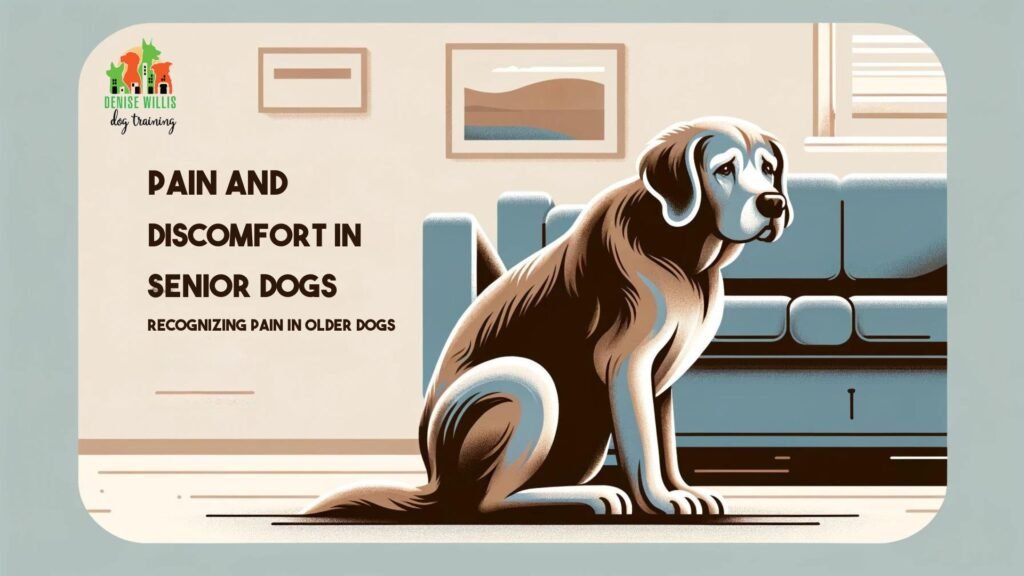
Chronic Pain
Long-lasting pain affects mood and behavior. Dogs may become withdrawn or aggressive.
Chronic pain can cause sleep problems and loss of appetite. Dogs may lick or bite sore spots.
- Changes in eating habits
- Restlessness or difficulty sleeping
- Increased licking or chewing of body parts
- Avoiding touch or petting
Adjusting Your Dog’s Routine
Older dogs need changes in their daily habits. Adjusting routines helps keep them happy and healthy. You can change exercise, diet, and mental activities.
These changes support your dog’s comfort and energy. Pay attention to what your dog enjoys and what suits their age.
Exercise Modifications
Older dogs may tire faster and need gentler exercise. Shorter walks and slow play are good options. Avoid hard running or jumping to protect joints.
- Take several short walks instead of one long walk
- Use soft surfaces like grass for walking
- Include gentle stretching and massage
- Watch for signs of tiredness or discomfort
Dietary Changes
Older dogs need special diets to stay healthy. Their metabolism slows down, so they may need fewer calories. Protein quality and nutrient balance are important.
| Food Type | Benefits |
| High-quality protein | Maintains muscle strength |
| Low-fat options | Prevents weight gain |
| Added fiber | Supports digestion |
| Joint supplements | Helps mobility |
Mental Stimulation
Older dogs still need mental challenges to stay sharp. Simple games and new smells keep their minds active. Avoid puzzles that cause stress or frustration.
Try these activities for mental exercise:
- Hide treats for your dog to find
- Use puzzle toys with easy rewards
- Teach new simple tricks
- Give varied walks with different routes
Managing Behavioral Challenges
Old dogs often face behavioral challenges. These can be due to age, health, or changes in routine. Understanding these challenges helps in managing them better.
Common issues include anxiety, confusion, house soiling, and aggression. Each requires a different approach and understanding.
Anxiety And Confusion
Old dogs may show signs of anxiety and confusion. Changes in their environment or routine can be triggers. Comfort and familiarity help reduce stress.
- Maintain a consistent daily schedule
- Provide a quiet and safe space
- Use calming aids like music or scents
House Soiling
House soiling is a common issue in older dogs. It can be due to medical conditions or cognitive decline. Patience and routine are key in managing this behavior.
| Reason | Solution |
| Medical Issues | Consult a vet |
| Lack of Routine | Establish a schedule |
| Confusion | Guide them to the door |
Aggression
Aggression in older dogs can stem from pain or fear. Identifying the cause helps in addressing it. Consult a professional if necessary.
Veterinary Support And Treatments
Old dogs need special care to stay healthy and happy. Veterinary support helps detect problems early. Treatments can ease pain and improve their quality of life.
Regular visits to the vet keep your senior dog in good shape. The vet can suggest medicines and therapies suited for aging dogs.
Regular Checkups
Checkups help find health issues before they get worse. Your vet will examine your dog’s teeth, joints, heart, and weight. They may also do blood tests.
Regular exams make it easier to manage chronic conditions. Older dogs may need visits every six months instead of once a year.
Medications And Supplements
Vets prescribe medicines to treat pain, arthritis, or infections. Some medicines help with anxiety or sleep problems in old dogs.
Supplements support joint health, digestion, and coat condition. Always use vet-approved supplements to avoid side effects.
- Pain relievers for arthritis
- Probiotics for digestion
- Omega-3 for skin and coat
- Vitamins for overall health
Therapies
Therapies can improve mobility and reduce pain in old dogs. Physical therapy helps strengthen muscles and joints.
Hydrotherapy uses water exercises to ease joint stress. Massage can relax muscles and improve circulation.
- Physical therapy for muscle strength
- Hydrotherapy for joint support
- Massage to reduce stress and pain
- Acupuncture for pain relief
Creating A Comfortable Environment
Old dogs need a space that feels safe and comfortable. Their needs change as they age. Adjusting their environment helps them stay happy and healthy.
Here are some key areas to focus on when creating a cozy setting for your senior dog.
Safe Spaces
Providing a safe space for your dog is important. They need a quiet area away from noise and stress. This helps them relax and feel secure.
- Choose a corner or room that is quiet
- Ensure it is free from sharp objects
- Provide access to their favorite toys
Accessible Living Areas
Older dogs might face mobility issues. Make it easy for them to move around their home. This reduces the risk of injury and promotes independence.
Consider installing ramps for easier access to couches or beds.
Comfortable Bedding
Comfortable bedding supports an old dog's joints and bones. It helps them rest better, improving their overall well-being.
| Bed Type | Feature |
| Orthopedic | Supports joints |
| Memory Foam | Adapts to body shape |
| Heated | Keeps warm in winter |
Emotional Care For Senior Dogs
Senior dogs need special attention to their feelings. Their emotions change as they grow older.
Giving them love and care helps keep them happy and calm. Emotional care is key to their well-being.
Bonding Activities
Spend quiet time with your senior dog every day. Gentle play and soft petting build trust and closeness.
Simple walks or brushing sessions help your dog feel loved. These moments strengthen your connection.
- Short, slow walks
- Light grooming
- Quiet cuddle time
- Talking softly to your dog
Patience And Understanding
Older dogs may move slower or forget commands. Be patient and gentle with their limits.
Give them time to adjust to changes. Understanding their needs reduces stress and builds trust.
- Allow extra time for tasks
- Use calm voices
- Avoid sudden movements
- Respect their rest times
Recognizing Stress
Senior dogs show stress in different ways. Watch for signs like pacing, whining, or hiding.
Noticing stress early helps you comfort your dog. Create a calm space for them to relax.
- Changes in appetite
- Restlessness or pacing
- Excessive licking or scratching
- Withdrawal or hiding
Credit: www.dwdogtraining.com
Frequently Asked Questions
What Are Common Behavioral Changes In Old Dogs?
Old dogs often show reduced energy, increased sleep, and slower responses. They may also become more anxious or clingy. Changes in appetite and bathroom habits are typical. Understanding these shifts helps owners provide better care and comfort for aging pets.
How Can I Help Manage My Old Dog’s Behavior?
Provide a consistent routine, gentle exercise, and mental stimulation. Regular vet check-ups help catch health issues early. Use positive reinforcement to encourage good behavior. Patience and adjustments in care improve your senior dog’s quality of life.
Why Does My Old Dog Become More Anxious?
Older dogs may experience anxiety due to cognitive decline, health problems, or sensory loss. Changes in environment or routine can also trigger stress. Recognizing anxiety signs early allows for timely intervention and comfort measures to ease their distress.
Is It Normal For Old Dogs To Become Less Active?
Yes, decreased activity is normal as dogs age. Joint pain, arthritis, and reduced stamina affect their movement. Encouraging gentle exercise supports mobility and overall health. Monitoring activity helps differentiate normal aging from medical issues.
Conclusion
Old dogs show changes in behavior as they age. Watching these signs helps you care better. Patience and love make a big difference. Small changes in routine can keep them happy. Understanding their needs builds a stronger bond. Every dog deserves comfort in their later years.
Taking time to notice helps you respond well. Aging is natural, but love stays constant. Keep your old dog safe, calm, and loved.

Emily Barker is the founder of ChillDogLife.com, a space dedicated to helping pup parents discover the best dog products, lifestyle tips, and cozy ideas for happier homes.
A lifelong dog lover, Emily combines her passion for pets with a knack for research to share trusted recommendations on everything from toys and furniture to health and everyday care.
Her goal is simple: to make life easier, stylish, and more joyful for dogs and the people who love them.




