
When it comes to feeding your furry friend, you might wonder: Is there really a difference between puppy and adult dog food? You want to give your dog the best, but understanding what’s right at each stage of their life can be confusing.
The food you choose now can shape their health, energy, and happiness for years to come. Keep reading to discover why your puppy’s needs are different from your adult dog’s—and how choosing the right food can make all the difference for your loyal companion.
Nutritional Needs Of Puppies
Puppies grow fast and need special food to stay healthy. Their bodies need more nutrients than adult dogs.
Feeding puppies the right food helps their bones, muscles, and brain develop properly. Puppy food differs from adult dog food.
Higher Protein Requirements
Puppies need more protein than adult dogs. Protein helps build strong muscles and tissues.
Growing puppies use protein to repair cells and support their fast growth. Adult dogs need less protein for maintenance.
Essential Vitamins And Minerals
Puppies require vitamins and minerals to develop healthy bones and organs. These nutrients support their immune system.
Important vitamins include A, D, and E. Minerals like calcium and phosphorus help build strong teeth and bones.
- Vitamin A supports vision and skin health
- Vitamin D helps calcium absorption
- Calcium and phosphorus build bones
- Vitamin E protects cells from damage
Caloric Density
Puppies burn more energy than adult dogs. Their food must have more calories to fuel growth and play.
Caloric density in puppy food is higher to meet these needs without feeding too much volume. Adult dog food has fewer calories.

Credit: m.youtube.com
Nutritional Needs Of Adult Dogs
Adult dogs have different nutritional needs than puppies. Their diet must support maintenance and overall health.
Understanding these needs helps provide the right food for a healthy adult dog life.
Balanced Protein Levels
Protein is important for muscle maintenance and repair in adult dogs. Adult dogs need enough protein to stay strong but not too much to strain organs.
The protein in adult dog food should come from quality sources like meat, fish, or eggs.
Maintaining Healthy Weight
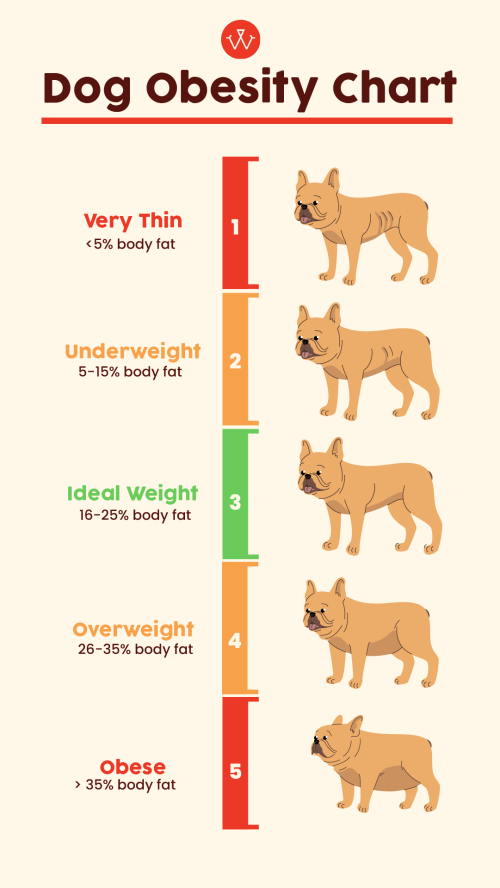
Weight control is vital for adult dogs to avoid health problems. Too many calories cause obesity and too few lead to weakness.
- Feed measured portions daily
- Choose food with moderate fat levels
- Provide regular exercise
- Monitor weight regularly
Nutrient Ratios
Adult dog food has balanced ratios of fats, carbohydrates, vitamins, and minerals. These keep the dog’s body working well.
| Nutrient | Recommended Range |
| Protein | 18-25% |
| Fat | 10-15% |
| Carbohydrates | 30-50% |
| Fiber | 2-5% |
Key Differences In Ingredients
Puppy and adult dog foods have different ingredients to meet their needs.
Understanding these differences helps choose the right food for your dog.
Growth-supporting Components
Puppy food contains extra nutrients to support fast growth and brain development.
- Higher protein levels for muscle building
- More calcium and phosphorus for strong bones
- Added DHA for brain and eye health
- Extra vitamins to support the immune system
Fat Content Variations
Puppy food usually has higher fat than adult food to provide more energy.
| Type of Food | Fat Content Percentage |
| Puppy Food | 8% – 15% |
| Adult Dog Food | 5% – 10% |
Additives And Supplements
Both foods have additives, but puppies get extra supplements for growth.
- Probiotics to support digestion in puppies
- Antioxidants to protect cells in adults
- Glucosamine and chondroitin for joint health in adult dogs
- Added minerals for bone development in puppies
Impact On Growth And Development
Puppies and adult dogs have different nutritional needs. Their food supports different stages of life. Puppy food focuses on growth, while adult food maintains health.
Understanding these differences helps you choose the right diet. This supports your dog’s well-being and development.
Bone And Muscle Formation
Puppy food contains more protein and calcium. These nutrients help build strong bones and muscles. Adult dog food has balanced amounts to keep muscles healthy without overloading.
- Higher protein supports muscle growth in puppies
- Extra calcium helps bone density
- Adult food has controlled minerals for maintenance
Immune System Support
The immune system is weak in puppies. Puppy food contains vitamins and antioxidants that help build immunity. Adult dog food supports the immune system but focuses on overall health balance.
| Food Type | Vitamin Content | Purpose |
| Puppy Food | High | Boost immune growth |
| Adult Food | Moderate | Maintain immunity |
Cognitive Development
Puppies need nutrients that support brain growth. These include DHA and other fatty acids. Adult dog food has less of these since brain growth slows down.
Important nutrients for puppy brain development:
- DHA (Docosahexaenoic acid)
- Omega-3 fatty acids
- Choline
Risks Of Feeding Adult Food To Puppies
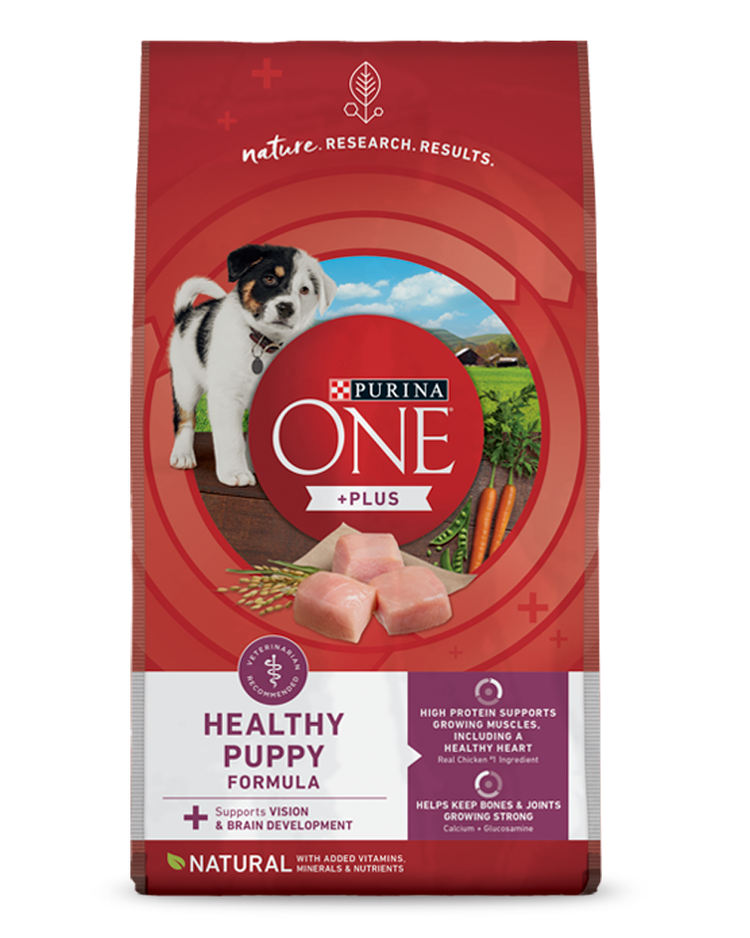
Feeding adult dog food to puppies can lead to health issues. Puppies have different nutritional needs than adult dogs.
Understanding these differences is important for their growth and well-being. Let’s explore the risks associated with feeding adult food to puppies.
Nutrient Deficiencies
Puppies require specific nutrients to grow strong and healthy. Adult dog food may lack essential vitamins and minerals.
- Lower levels of calcium
- Insufficient protein content
- Lack of omega-3 fatty acids
Growth Delays
Proper nutrition supports a puppy’s rapid growth phase. Adult dog food can slow down this crucial development period.
| Age | Nutritional Needs |
| Puppy | High protein and calcium |
| Adult | Balanced maintenance |
Digestive Issues
Puppies have sensitive stomachs. Adult dog food can be harder for them to digest, causing upset stomachs or diarrhea.
Credit: www.purina.com
Risks Of Feeding Puppy Food To Adults
Puppy food has more nutrients to help young dogs grow. Adult dogs need fewer calories and different nutrients.
Feeding adult dogs puppy food can cause problems. It is important to understand the risks involved.
Excess Calories
Puppy food contains more calories than adult dog food. This helps puppies grow fast and stay active.
Adult dogs do not need so many calories. Extra calories can lead to health problems over time.
Weight Gain
Eating puppy food regularly can cause adult dogs to gain too much weight. This can strain their joints.
Overweight dogs may face trouble moving and higher risks of diseases like diabetes and heart problems.
- Less energy to play or exercise
- Higher chance of joint pain
- More stress on heart and organs
Long-term Health Effects
Too many nutrients and calories can harm an adult dog’s health in the long run. Their body is not built for puppy food.
Issues like kidney strain, digestive problems, and imbalanced nutrition may appear after months or years.
Transitioning Between Puppy And Adult Food
Understanding the difference between puppy and adult dog food is crucial for your pet's health. Puppies have different nutritional needs compared to adult dogs.
As your puppy grows, you need to know when and how to switch to adult food. This ensures they receive the nutrients they need at every stage of life.
When To Switch
The ideal time to switch from puppy to adult dog food varies by breed size. Smaller breeds mature faster than larger breeds.
| Breed Size | Approximate Age to Switch |
| Small Breeds | 9-12 months |
| Medium Breeds | 12-15 months |
| Large Breeds | 15-18 months |
Gradual Introduction Tips
Gradually introducing new food helps your dog’s digestive system adjust. Mix the new food with the old food over a period of time.
- Start with 75% puppy food and 25% adult food.
- After a few days, mix 50% puppy food and 50% adult food.
- In the next few days, switch to 25% puppy food and 75% adult food.
- Finally, feed only adult food.
Monitoring Health Changes
Observe your dog for any health changes during the transition. Look for signs like digestive issues or changes in weight and energy levels.
Choosing The Right Food For Your Dog
Choosing the right food for your dog is important for their health and happiness. Puppies and adult dogs have different needs. Feeding them the correct food helps them grow and stay strong.
Understanding the factors that affect your dog’s diet will help you make better choices. Pay attention to breed, size, and other key points.
Breed And Size Considerations
Dogs come in many breeds and sizes. Each breed and size has special dietary needs. Large breeds need food that supports strong bones. Small breeds may need smaller kibble and different nutrients.
- Small breeds need energy-dense food.
- Large breeds require food with joint support.
- Active breeds need more protein.
- Less active dogs need fewer calories.
Consulting A Veterinarian
Your veterinarian knows your dog’s health best. They can recommend the best food based on age, breed, and health. Always ask your vet before changing your dog’s diet.
Regular check-ups help spot health issues early. A vet can guide you on supplements or special diets if needed.
Reading Food Labels
Food labels tell you what is inside the dog food. Look for key information to choose the best option. Understand the ingredients and nutrition facts.
| Label Section | What to Look For |
| Ingredients | Meat or meat meal as the first ingredient |
| Guaranteed Analysis | Protein, fat, fiber percentages |
| Feeding Guidelines | Portion size by weight and age |
| Adequacy Statement | Meets nutritional levels set by AAFCO |
Credit: wefeedraw.com
Frequently Asked Questions
What Are The Key Differences Between Puppy And Adult Dog Food?
Puppy food has higher calories, protein, and nutrients for growth. Adult dog food supports maintenance with balanced nutrients and fewer calories. Puppies need extra vitamins and minerals to develop bones and muscles properly.
Can Adult Dogs Eat Puppy Food Safely?
Adult dogs can eat puppy food occasionally, but it may cause weight gain. Puppy food is richer and designed for growth, not maintenance. Regular adult dog food is better for mature dogs’ health.
When Should I Switch From Puppy To Adult Dog Food?
Switch to adult dog food when your dog reaches 12 months old. Large breeds may need to wait until 18-24 months. Switching too early or late can affect nutrition and growth.
Is Puppy Food More Expensive Than Adult Dog Food?
Yes, puppy food is generally more expensive due to higher nutrient content. It uses premium ingredients to support healthy growth. Adult dog food tends to cost less as it focuses on maintenance nutrition.
Conclusion
Puppy food and adult dog food serve different needs. Puppies require more nutrients for growth and energy. Adult dogs need food that supports maintenance and health. Feeding the right food helps dogs stay strong and happy. Changing food at the right time is important for their well-being.
Always choose dog food that fits your dog’s age and size. This keeps your pet healthy now and in the future. Remember, good nutrition is key to a long, happy life.

Emily Barker is the founder of ChillDogLife.com, a space dedicated to helping pup parents discover the best dog products, lifestyle tips, and cozy ideas for happier homes.
A lifelong dog lover, Emily combines her passion for pets with a knack for research to share trusted recommendations on everything from toys and furniture to health and everyday care.
Her goal is simple: to make life easier, stylish, and more joyful for dogs and the people who love them.




