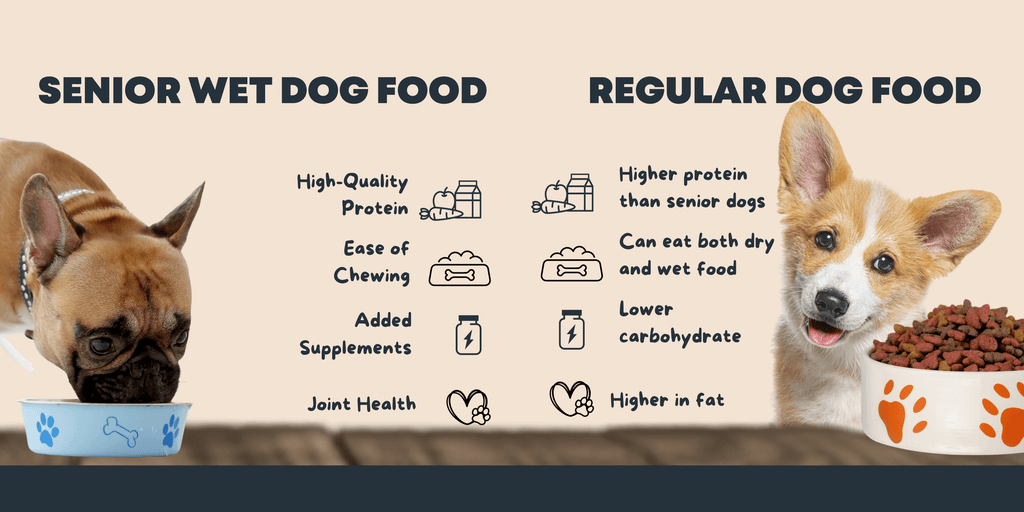
If you have a furry friend by your side, you probably want the best for them—especially when it comes to their food. But have you ever stopped to wonder if the food you give your adult dog is really right for your senior pup?
You might think all dog food is the same, but there’s more to it than meets the eye. Choosing the right food can make a huge difference in your dog’s health, energy, and happiness as they age. Keep reading, and you’ll discover what sets adult dog food apart from senior dog food—and how to pick the perfect meal for your loyal companion.
Credit: www.businessinsider.com
Nutritional Needs Of Adult Dogs
Adult dogs need balanced nutrition to stay healthy and active. Their diet supports daily energy and body functions. Choosing the right food helps maintain their weight and muscle tone.
Different nutrients like calories, proteins, fats, vitamins, and minerals play key roles. These nutrients keep the dog’s body working well and support overall health.
Caloric Requirements
Adult dogs need enough calories to fuel their activities and maintain body weight. Too many calories can cause weight gain, while too few can lead to energy loss.
- Active adult dogs need more calories than less active ones.
- Calorie needs depend on size, age, and activity level.
- Consult a vet to find the right calorie amount for your dog.
Protein And Fat Levels
Proteins help build and repair muscles. Fats provide energy and support healthy skin and coat. Adult dog food usually has balanced levels of both.
| Nutrient | Recommended Level | Reason |
| Protein | 18-25% | Supports muscle maintenance and repair |
| Fat | 8-15% | Provides energy and keeps skin healthy |
Essential Vitamins And Minerals
Vitamins and minerals support many body processes in adult dogs. They help with immune function, bone health, and nerve function.
- Vitamin A helps keep eyes and skin healthy.
- Calcium and phosphorus support strong bones and teeth.
- Vitamin E acts as an antioxidant to protect cells.
- Zinc helps with skin healing and immune health.
Changes In Senior Dog Nutrition
As dogs grow older, their nutritional needs change. Senior dogs require special care to stay healthy.
Choosing the right food helps support their aging bodies and keeps them active.
Reduced Calorie Needs
Senior dogs burn fewer calories because they move less. Their metabolism slows down.
Feeding too many calories can cause weight gain and health problems.
- Lower calorie content helps keep weight in check.
- Balanced fats provide energy without excess calories.
- Portion control is important to avoid overeating.
Joint And Bone Support
Older dogs often face joint pain and weaker bones. Their food should help strengthen these areas.
| Nutrient | Purpose |
| Glucosamine | Supports joint repair |
| Chondroitin | Reduces joint inflammation |
| Calcium | Maintains strong bones |
| Omega-3 Fatty Acids | Reduces joint stiffness |
Digestive Health Considerations
Senior dogs may have trouble digesting food well. Their digestion slows down with age.
Good fiber and probiotics help keep their digestive system working smoothly.
- Fiber aids in regular bowel movements.
- Probiotics support healthy gut bacteria.
- Easy-to-digest proteins reduce stomach upset.
Common Ingredients In Adult Vs Senior Dog Food
Dog food varies based on the age of the dog. Adult and senior dogs have different nutritional needs.
Understanding these differences helps in choosing the right food for your pet.
Protein Sources
Protein is crucial for both adult and senior dogs. It supports muscle health and energy levels.
- Chicken and beef are common in adult dog food.
- Senior formulas may include fish for easier digestion.
- Eggs are another protein source found in both types.
Added Supplements
Supplements enhance the nutritional value of dog food. They address specific health needs.
| Supplement | Adult Dogs | Senior Dogs |
| Glucosamine | Rarely added | Supports joint health |
| Omega-3 Fatty Acids | Maintains coat shine | Supports brain function |
| Antioxidants | General health | Boosts immune system |
Fiber Content
Fiber aids in digestion for dogs of all ages. The amount varies between adult and senior dog food.
Benefits Of Senior Dog Formulas
Senior dog food is made to meet the needs of older dogs. Their bodies change as they age. Senior formulas help keep them healthy and strong.
Adult dog food works well for younger dogs. But senior dog food has special ingredients for aging dogs. These help with their weight, joints, and immune system.
Weight Management
Older dogs often move less and burn fewer calories. Senior dog food has fewer calories to prevent weight gain. It also has more fiber to keep dogs full.
Keeping a healthy weight helps dogs avoid health problems like diabetes and joint pain. Senior formulas support a balanced diet for better weight control.
Improved Mobility
Senior dogs may have stiff joints and less movement. Senior dog food contains ingredients like glucosamine and chondroitin. These support joint health and reduce stiffness.
Omega-3 fatty acids in senior formulas help reduce inflammation. These nutrients help older dogs stay active and comfortable for longer.
- Glucosamine supports cartilage repair
- Chondroitin protects joint tissues
- Omega-3 fatty acids reduce joint inflammation
Enhanced Immune Support
Older dogs have weaker immune systems. Senior dog food includes antioxidants like vitamins E and C. These help fight free radicals and boost immunity.
Strong immunity helps senior dogs stay healthy and recover faster from illness. Special nutrients in senior formulas support their body’s defenses.
When To Switch From Adult To Senior Food
Knowing when to change your dog’s food is important. Adult and senior dog foods have different nutrients. These differences help support your dog’s health at different ages.
Switching at the right time can keep your dog healthy and active. This guide helps you decide when to make the change.
Age Guidelines
Most dogs are considered seniors between 7 and 10 years old. The exact age depends on the dog’s size and breed. Larger dogs age faster than smaller dogs.
- Small breeds: often senior at 10 years
- Medium breeds: senior at 7 to 9 years
- Large breeds: senior at 6 to 8 years
Check your dog’s breed and size to find the best age to switch food. Some dogs may need senior food earlier or later.
Health Indicators
Watch your dog’s health to know if senior food is needed. Changes in energy, weight, or digestion can be signs. Senior dog food supports joint health and digestion.
- Less energy or tiredness
- Weight gain or loss
- Stiff joints or trouble moving
- Changes in appetite or digestion
If your dog shows these signs, it may be time to switch food. Senior food can help manage these health changes.
Consulting Your Veterinarian
Your vet can give advice about switching dog food. They know your dog’s health history and needs. A vet checkup helps make the best choice.
- Discuss your dog’s age and breed
- Review health and activity levels
- Ask about special dietary needs
- Follow vet recommendations for food changes
Always talk to your vet before switching to senior food. They can guide you on timing and the right diet.
Credit: www.petmd.com
Potential Risks Of Inappropriate Feeding
Feeding adult and senior dogs the wrong food can cause health problems. Dogs need the right amount and type of food to stay healthy. Giving them too much or too little food can lead to serious issues.
Knowing the risks helps you choose the best food for your dog. This guide explains what can happen if adult and senior dogs eat the wrong food.
Overfeeding Or Underfeeding
Overfeeding adult or senior dogs can cause obesity and joint pain. Underfeeding may lead to weakness and poor immune function. Both can harm your dog’s health and comfort.
- Overfeeding can cause weight gain and diabetes.
- Underfeeding can cause muscle loss and low energy.
- Senior dogs need fewer calories but more nutrients.
- Adult dogs need balanced meals for energy and health.
Nutritional Deficiencies
Inappropriate feeding can cause missing nutrients. Adult dogs and seniors have different nutritional needs. Lack of vitamins or minerals can weaken bones and affect the heart.
| Nutrient | Effect of Deficiency | Dog Age Group |
|---|---|---|
| Calcium | Weak bones, fractures | Senior dogs |
| Protein | Muscle loss, poor growth | Adult and senior dogs |
| Vitamin E | Poor immune function | Senior dogs |
| Omega-3 Fatty Acids | Skin problems, joint pain | Adult and senior dogs |
Impact On Lifespan And Quality Of Life
Feeding the wrong diet can shorten your dog’s life. It can also reduce how happy and active they feel. A proper diet helps them live longer and enjoy daily activities.
- Low energy and tiredness
- Joint stiffness and pain
- Digestive problems like diarrhea
- Frequent infections or sickness
Tips For Choosing The Right Dog Food
Choosing the right food for your dog is important for their health. Dogs have different needs as they age.
Understanding these needs helps in selecting the best food for your pet. This guide provides tips on how to choose wisely.
Reading Labels
Reading food labels helps you know what ingredients are in the food. Check for protein sources and other key nutrients.
- Look for the first ingredient as a named meat, like chicken or beef.
- Avoid foods with too many fillers like corn or soy.
- Check for added vitamins and minerals.
- Ensure the food is appropriate for your dog’s life stage.
Considering Breed And Size
Different breeds and sizes have unique nutritional needs. Large breeds may require different calorie counts than smaller breeds.
| Breed Size | Calorie Needs |
| Small | High calorie density |
| Medium | Moderate calorie intake |
| Large | Lower calorie density |
Monitoring Your Dog’s Response
Watch how your dog reacts to new food. This helps in ensuring they are healthy and happy with their diet.
Observe changes in energy levels and coat condition. If issues arise, consult your vet.
Credit: www.purina.com
Frequently Asked Questions
What Is The Main Difference Between Adult And Senior Dog Food?
Senior dog food has adjusted nutrients to support aging dogs. It often contains fewer calories, more fiber, and joint-supporting ingredients like glucosamine. Adult dog food meets general nutritional needs without these age-specific adjustments.
Why Do Senior Dogs Need Specialized Food?
Senior dogs have slower metabolism and joint issues. Specialized food helps maintain healthy weight, supports mobility, and improves digestion. It ensures they get nutrients tailored for their aging bodies.
Can Adult Dog Food Harm Senior Dogs?
Feeding adult food to senior dogs may lead to weight gain or joint problems. Adult formulas lack extra nutrients for aging dogs, making it less ideal for their health needs.
How To Choose The Right Food For Senior Dogs?
Look for formulas with balanced calories, added fiber, and joint supplements. Consult your vet to match food with your senior dog’s health condition. Quality ingredients and proper nutrition are essential.
Conclusion
Adult and senior dog foods serve different needs. Senior dogs need nutrients that support aging joints and health. Adult dogs require balanced nutrition for energy and growth. Choosing the right food helps keep your dog happy and strong. Pay attention to your dog’s age and health.
Feeding the proper diet makes a big difference. Your dog will feel better and live healthier. Small changes in food can improve your dog’s life. Trust in food designed for your dog’s stage. A well-fed dog is a joyful companion.

Emily Barker is the founder of ChillDogLife.com, a space dedicated to helping pup parents discover the best dog products, lifestyle tips, and cozy ideas for happier homes.
A lifelong dog lover, Emily combines her passion for pets with a knack for research to share trusted recommendations on everything from toys and furniture to health and everyday care.
Her goal is simple: to make life easier, stylish, and more joyful for dogs and the people who love them.




