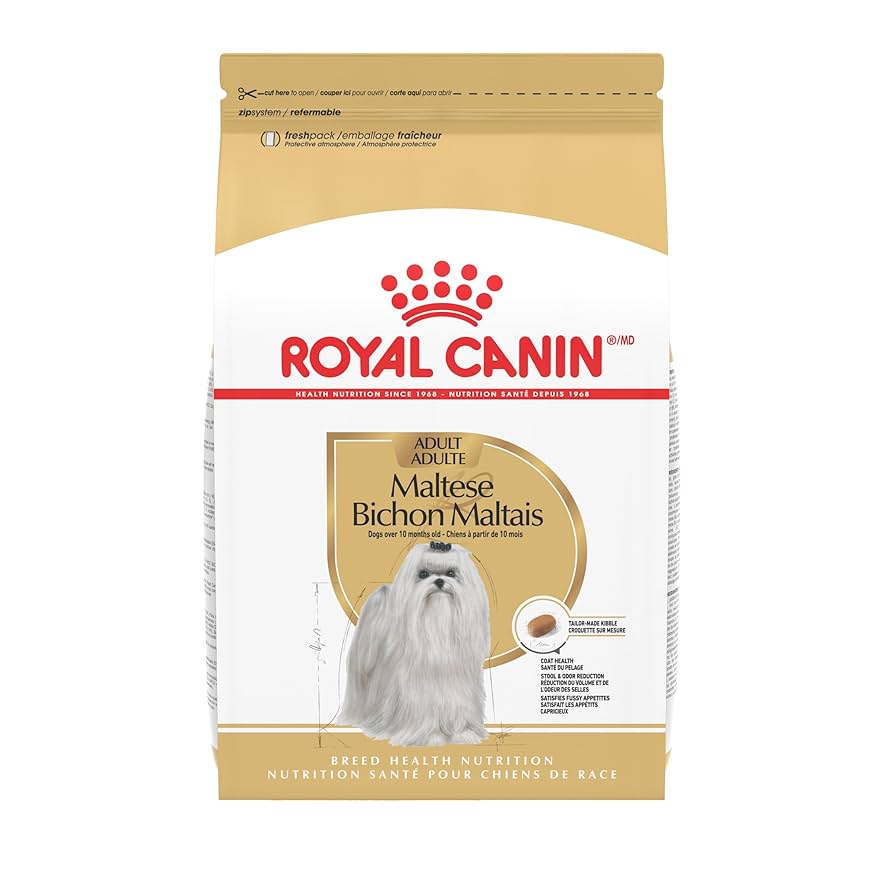
When it comes to choosing the best food for your dog, you want to be sure it’s worth every penny. You’ve probably heard about Royal Canin and wondered—does it really live up to the “premium” label?
Your dog’s health and happiness depend on what goes into their bowl. So, is Royal Canin truly a premium dog food that gives your furry friend the quality nutrition they deserve? Keep reading, because we’re breaking down everything you need to know to make the right choice for your loyal companion.
Credit: www.petco.com
Royal Canin Brand Profile
Understanding the Royal Canin brand helps you decide if it fits your dog’s needs and your expectations for premium dog food. This brand has a unique approach to pet nutrition that sets it apart in the market. Let’s look closer at what makes Royal Canin stand out through its history, product range, and target audience.
History And Background
Royal Canin started in 1968 with a focus on veterinary nutrition. The founder, a veterinarian, saw a gap in pet food that truly addressed health issues through diet. Over the years, the brand has grown globally while staying committed to research-based formulas.
This background shows a strong foundation in science, which many pet owners appreciate. Have you ever noticed how some brands seem to prioritize marketing over actual pet health? Royal Canin’s history suggests a different priority.
Product Range
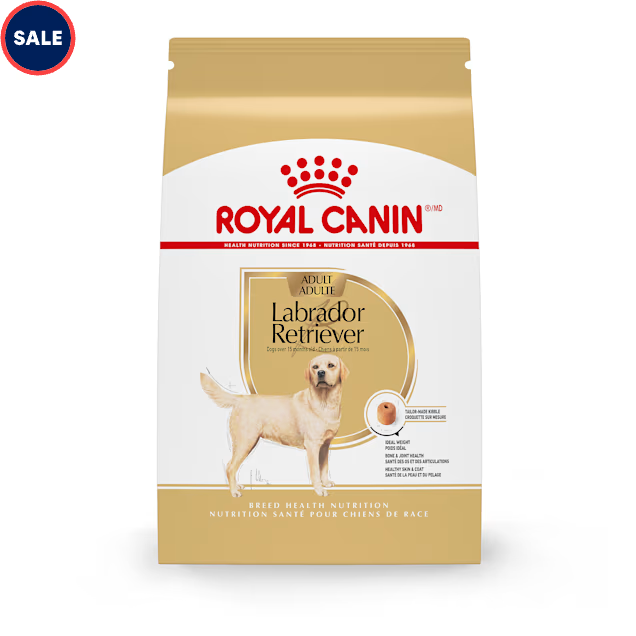
Royal Canin offers a wide variety of products tailored to specific breeds, sizes, ages, and health conditions. Their lines include:
- Breed-specific formulas designed to meet unique nutritional needs
- Age-specific diets for puppies, adults, and senior dogs
- Health-focused options targeting issues like digestion, skin sensitivity, and weight management
This detailed approach means you can find a product that fits your dog’s exact profile. Have you tried adjusting your dog’s food based on changes in their health or life stage? This brand makes that easier.
Target Audience
Royal Canin primarily targets pet owners who value tailored nutrition backed by science. These are people who want more than just generic dog food—they seek solutions that improve their pet’s quality of life.
Veterinarians often recommend Royal Canin for its clinical nutrition formulas. If you want to provide your dog with food that aligns with professional advice, this brand might be a good match. Are you ready to invest in specialized nutrition for your pet?
Credit: www.petco.com
Ingredients And Nutrition
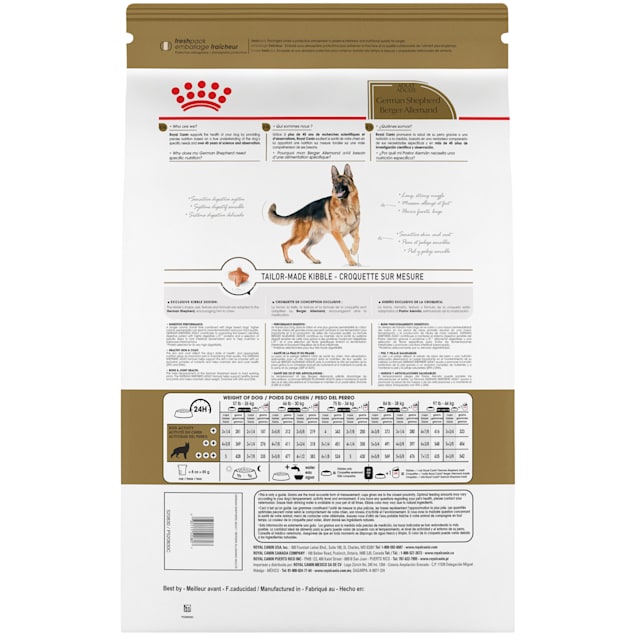
Understanding the ingredients and nutrition in Royal Canin dog food is key to deciding if it fits your pet’s needs. The brand claims to offer tailored nutrition based on breed, size, and health conditions. But what really goes into the food, and how does it support your dog’s well-being?
Quality Of Ingredients
Royal Canin uses a mix of animal and plant-based ingredients. You’ll find chicken meal, corn, and rice listed prominently, which serve as primary protein and carbohydrate sources. The quality here is decent, but it’s not always clear how much real meat versus by-products are included.
Have you ever checked if your dog’s food lists whole meats or just meals and by-products? This matters because whole meats generally provide higher-quality protein your dog can digest more easily.
Nutritional Balance
The brand emphasizes balanced nutrition tailored to specific needs like weight control or digestive health. Their formulas typically include essential vitamins, minerals, and fatty acids to support skin, coat, and joint health.
However, the carbohydrate content can be higher than some premium brands, which might not suit every dog’s diet, especially those sensitive to grains. Think about your dog’s activity level and health conditions before settling on a formula.
Use Of Additives And Preservatives
Royal Canin uses synthetic preservatives like BHA and BHT to keep their food fresh longer. Some pet owners prefer avoiding these additives due to potential health concerns.
They also add artificial flavors and colors to enhance taste and appearance. If you prioritize natural ingredients, this might be a factor to consider carefully.
Does your dog react well to foods with these additives, or have you noticed sensitivities? Paying attention to how your dog responds can guide you toward the best choice.
Manufacturing And Safety Standards
Understanding the manufacturing and safety standards of Royal Canin sheds light on whether it truly qualifies as a premium dog food. Your pet’s health depends heavily on how the food is made and the safety protocols followed. Let’s take a closer look at the production process, quality checks, and regulatory compliance that Royal Canin implements.
Production Facilities
Royal Canin operates multiple production sites worldwide, each designed with advanced technology to maintain consistency and hygiene. These facilities are built to minimize contamination risks and ensure that every batch meets strict quality criteria.
Have you ever wondered how a single brand manages to maintain the same quality across different countries? Royal Canin’s centralized recipe standards and automated systems help achieve this uniformity. This means your dog’s food tastes and performs the same no matter where it’s made.
Quality Control Measures
Quality control at Royal Canin is rigorous and continuous. Raw ingredients undergo thorough testing for purity and nutritional value before they enter the production line.
Throughout production, samples are regularly taken to check for consistency, moisture content, and nutrient levels. These steps help catch any deviations early, preventing subpar food from reaching your pet.
Imagine the peace of mind knowing that every bag has passed multiple safety checkpoints before reaching your home. Doesn’t your dog deserve that level of care?
Compliance With Regulations
Royal Canin strictly follows international and local food safety regulations. This includes guidelines set by bodies like the FDA in the US and the European Pet Food Industry Federation in Europe.
The brand also stays updated with changes in legislation and adjusts its practices accordingly. This commitment ensures your dog’s food is always safe and legally compliant.
Would you trust a dog food brand that cuts corners on legal standards? Royal Canin’s adherence to regulations speaks volumes about its dedication to quality and safety.
Comparing Royal Canin To Other Premium Brands
Comparing Royal Canin to other premium dog food brands helps pet owners make smart choices. Each brand has unique qualities that affect pet health and satisfaction. This comparison focuses on ingredients, price, and customer feedback. It reveals how Royal Canin stands in the premium market.
Ingredient Comparison
Royal Canin uses carefully selected ingredients designed for specific dog needs. Many formulas include high-quality proteins, grains, and added vitamins. Some other premium brands use more natural or organic ingredients. They may also avoid fillers and artificial additives more strictly.
Royal Canin focuses on science-backed nutrition. Other brands might emphasize organic or grain-free options. Both approaches aim to support dog health but appeal to different pet owners.
Price Analysis
| Brand | Price per Pound | Package Size |
|---|---|---|
| Royal Canin | $4.50 | 15 lbs |
| Brand A (Organic) | $6.00 | 12 lbs |
| Brand B (Grain-Free) | $5.50 | 20 lbs |
Royal Canin offers competitive pricing in the premium range. It is often less expensive than organic or grain-free brands. The price reflects the targeted nutrition and research investment.
Customer Reviews
- Many pet owners praise Royal Canin for improving pet digestion.
- Some report better coat condition and energy levels.
- Others appreciate the breed-specific formulas for tailored care.
- Some customers prefer brands with fewer grains or organic ingredients.
- Overall satisfaction remains high for Royal Canin products.
Customer feedback shows Royal Canin meets many dogs’ needs well. Preferences vary based on pet allergies, age, and lifestyle. Reading reviews helps find the best fit for each dog.
Expert Opinions And Veterinary Endorsements
Expert opinions and veterinary endorsements play a key role in judging if Royal Canin is a premium dog food. Professionals who understand pet health share their views on its quality and benefits. Their insights help pet owners make wise food choices.
Veterinarian Recommendations
Many veterinarians suggest Royal Canin for pets with special needs. They trust its formulas for breeds, sizes, and health conditions. Royal Canin often appears in vet clinics as a recommended option.
- Supports specific health issues like digestion and skin health
- Offers breed-specific nutrition, tailored to unique needs
- Backed by research and clinical trials for safety
Veterinarians value its consistent quality and balanced nutrients. They see it as a reliable brand for long-term pet care.
Nutritionist Insights
Animal nutritionists praise Royal Canin for its scientific approach. The brand uses detailed studies to create precise nutrient blends. This helps dogs get the right vitamins and minerals in each meal.
- Focus on balanced protein, fat, and carbohydrates
- Includes essential vitamins and antioxidants
- Formulated for different life stages and activity levels
Nutritionists highlight Royal Canin’s commitment to pet wellness. They see it as a thoughtful choice for healthy dog diets.
Consumer Experiences
Consumer experiences reveal a lot about whether Royal Canin lives up to its premium dog food reputation. Real stories from dog owners show how this brand performs in everyday life, highlighting its strengths and occasional drawbacks. Your dog’s health and happiness depend on the food you choose, so understanding these experiences can help you make a better decision.
Success Stories
Many dog owners praise Royal Canin for noticeable improvements in their pets’ coat shine and digestion. One user shared how their dog’s chronic skin issues cleared up after switching to Royal Canin’s sensitive skin formula. Others report better energy levels and fewer allergy symptoms, especially with breed-specific diets tailored to their dogs’ needs.
These positive outcomes often come from consistent feeding and choosing the right formula. Have you noticed any changes when trying specialized diets for your dog’s breed or health condition?
Common Complaints
Not every review is glowing—some consumers mention high price points that don’t always match their expectations. A few have experienced digestive upset when switching abruptly to Royal Canin, emphasizing the need for gradual diet changes. Others express concerns over ingredient transparency, wishing for more natural or organic options.
These complaints don’t necessarily mean Royal Canin isn’t premium, but they highlight the importance of monitoring your dog’s response and budget. What challenges have you faced with premium dog foods, and how did you address them?
Suitability For Different Dog Breeds
Royal Canin’s breed-specific formulas receive mixed reactions depending on the dog’s individual needs. Owners of small breeds like Chihuahuas appreciate the tailored kibble size and nutrient balance, while some large breed owners find the formulas beneficial for joint health. However, dogs with unique allergies or sensitivities sometimes require further customization beyond what these formulas offer.
The brand’s approach suggests that no single food fits all dogs perfectly. How well does your dog’s food match its breed and lifestyle? Adjusting your choice based on breed-specific feedback might improve your dog’s well-being significantly.
Final Assessment
Assessing Royal Canin’s place in the premium dog food market involves weighing various factors. Quality ingredients, nutritional balance, and brand reputation play key roles. This final assessment helps decide if Royal Canin meets the expectations of a premium brand.
Pros And Cons
- Pros:Formulated for specific breeds and health needs.
- Backed by scientific research and veterinary support.
- Consistent quality control and ingredient standards.
- Wide range of specialized diets available.
- Cons:Some formulas include fillers like corn and wheat.
- Higher price point compared to many regular dog foods.
- May contain more by-products than some premium brands.
Is Royal Canin Worth It?
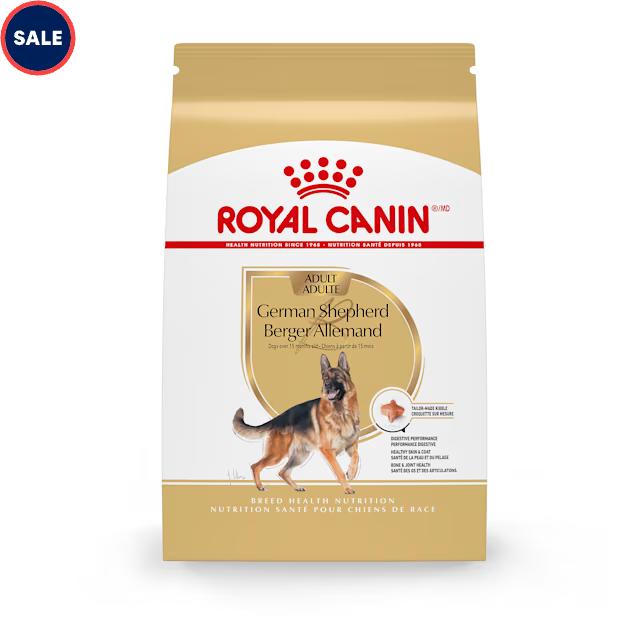
Royal Canin offers targeted nutrition for many dogs. It suits pets with specific health issues or breed needs. The brand’s science-driven approach adds value for pet owners seeking specialized diets.
Price may be a concern for budget-conscious buyers. Some may prefer foods with more natural ingredients or fewer fillers. Ultimately, Royal Canin is worth considering for dogs needing tailored nutrition.
Credit: www.petco.com
Frequently Asked Questions
Is Royal Canin Considered Premium Dog Food?
Yes, Royal Canin is considered a premium dog food. It offers tailored nutrition for various breeds and life stages. The brand uses high-quality ingredients and adheres to strict safety standards. Many veterinarians recommend it for its balanced nutritional profile.
What Makes Royal Canin Premium Quality?
Royal Canin’s premium quality comes from its focus on tailored nutrition. The company uses high-quality ingredients and rigorous testing. Each formula is designed to meet specific nutritional needs of different dog breeds and sizes. This specialization ensures optimal health and well-being for dogs.
Is Royal Canin Worth The Cost?
Royal Canin is worth the cost for many pet owners. Its specialized formulas provide tailored nutrition, supporting overall health. The brand’s commitment to quality and safety justifies the price. Many users find the health benefits and peace of mind valuable.
How Does Royal Canin Compare To Other Brands?
Royal Canin stands out for its breed-specific formulas and nutritional precision. While other brands offer quality products, Royal Canin’s tailored nutrition is unique. It provides solutions for specific health concerns and life stages, making it a preferred choice for many pet owners.
Conclusion
Royal Canin offers quality nutrition tailored to different dog needs. Its ingredients focus on health, digestion, and coat care. Many pet owners trust this brand for balanced meals. The price reflects the careful selection of components. Choosing dog food depends on your pet’s specific health and preferences.
Overall, Royal Canin stands as a solid option in premium dog foods. It combines science and nutrition to support your dog’s well-being. Consider your dog’s needs to decide if it fits your budget and expectations.

Emily Barker is the founder of ChillDogLife.com, a space dedicated to helping pup parents discover the best dog products, lifestyle tips, and cozy ideas for happier homes.
A lifelong dog lover, Emily combines her passion for pets with a knack for research to share trusted recommendations on everything from toys and furniture to health and everyday care.
Her goal is simple: to make life easier, stylish, and more joyful for dogs and the people who love them.




