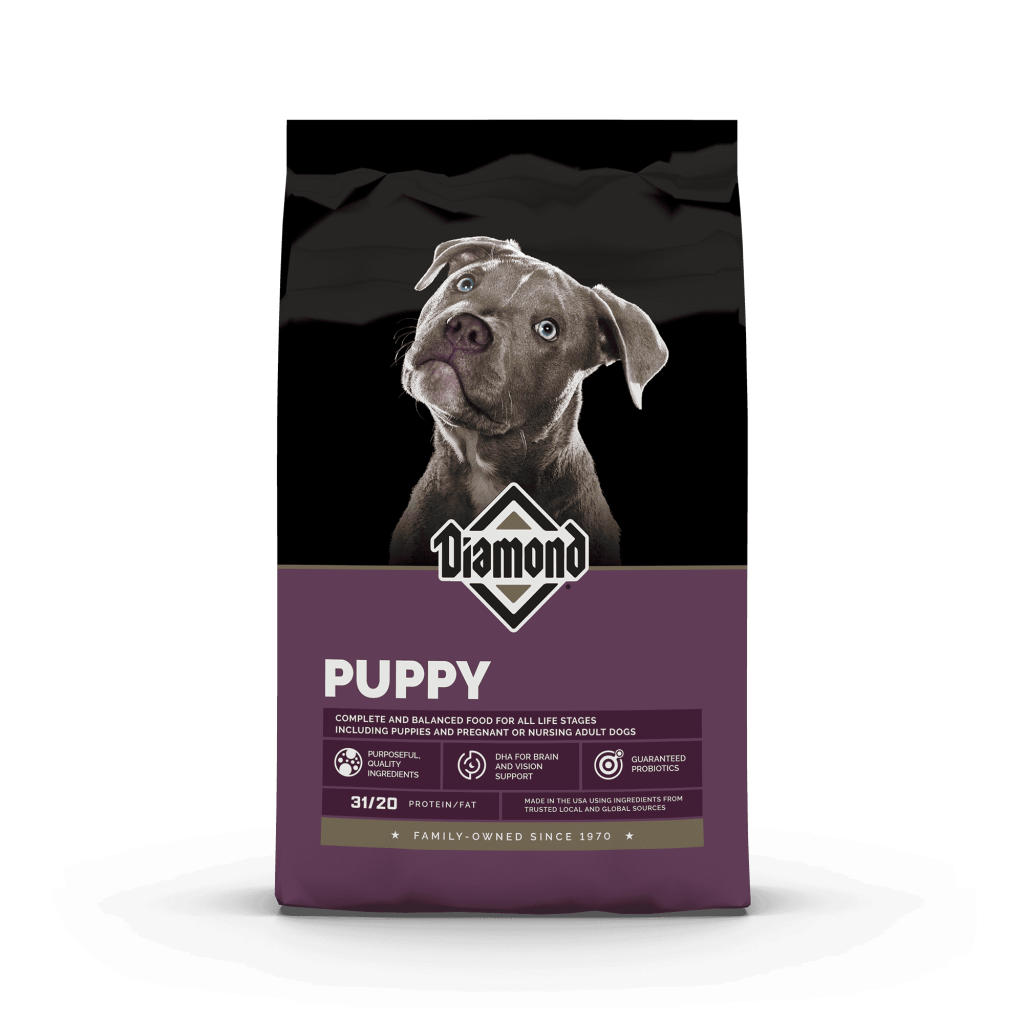
Are you wondering if it’s okay to feed your adult dog puppy food? You’re not alone.
Many dog owners face this question and want what’s best for their furry friend. Choosing the right food can feel confusing, especially when you see different options on the shelf. What happens if you give your adult dog puppy food?
Could it help or harm them? Keep reading to discover the surprising facts about puppy food for adult dogs and how to make the smartest choice for your pet’s health and happiness.

Credit: www.petsradar.com
Puppy Vs Adult Dog Nutrition
Feeding dogs the right food is important for their health. Puppies and adult dogs have different needs. Choosing the correct diet helps them grow and stay healthy.
This article explains the main differences between puppy and adult dog nutrition. It covers calories, nutrients, and growth needs.
Key Nutritional Differences
Puppies need more protein and fat than adult dogs. These nutrients help build strong muscles and a healthy coat. Adult dogs need balanced nutrients to maintain their health.
Puppy food has extra vitamins and minerals for bone growth. Adult dog food focuses on keeping joints and organs healthy. The nutrient levels differ to match their life stages.
Calorie Needs Comparison
Puppies burn more energy because they grow fast. They need more calories per pound of weight than adult dogs. Adult dogs need fewer calories to avoid gaining weight.
- Puppies need about twice the calories of adult dogs per pound
- Adult dogs need fewer calories to maintain weight
- Calorie needs depend on size and activity level
Growth And Maintenance Requirements
Puppies grow quickly and need nutrients that support this. They require more calcium and phosphorus for bones. Adult dogs focus on maintaining their body and health.
Feeding puppy food to adult dogs can cause excess nutrients. This may lead to weight gain or health issues. Adult dogs need food that keeps them fit and active.
Potential Risks Of Feeding Puppy Food To Adults
Feeding puppy food to adult dogs might seem harmless. Puppy food is made to support growth. But adult dogs have different needs.
Adult dogs eating puppy food can face health problems. It is important to understand these risks.
Excess Calories And Weight Gain
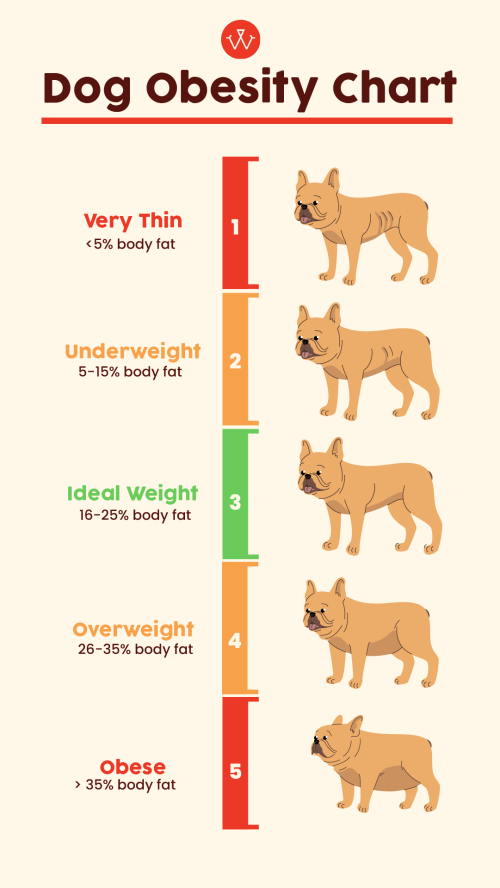
Puppy food contains more calories than adult dog food. This is to help puppies grow fast and strong. But adult dogs do not need extra calories.
- Extra calories cause weight gain in adults
- Obesity increases risk of joint problems
- Heavy dogs may develop heart disease
- Weight gain can reduce a dog’s energy
Imbalanced Nutrient Intake
Puppy food has different nutrients than adult dog food. It has more protein and fat to support growth. Adult dogs need balanced nutrients for maintenance.
| Nutrient | Puppy Food Amount | Adult Dog Food Amount | Effect on Adults |
|---|---|---|---|
| Protein | High | Moderate | May strain kidneys |
| Fat | High | Lower | Can cause digestive upset |
| Calcium | High | Balanced | May cause bone issues |
Long-term Health Concerns
Feeding puppy food to adult dogs for a long time can cause health problems. These problems may be hard to reverse.
Common long-term health concerns include:
- Obesity and related illnesses
- Kidney stress from excess protein
- Digestive troubles from too much fat
- Bone problems due to nutrient imbalance
Situations Where Puppy Food May Be Suitable
Puppy food is made to help young dogs grow strong and healthy. It has more calories and nutrients than adult dog food.
In some cases, adult dogs may also benefit from puppy food. Let’s look at when it might be okay to feed adult dogs puppy food.
Underweight Adult Dogs
Adult dogs that are underweight need extra calories to gain weight. Puppy food has more calories and fat to help with this.
Feeding puppy food can help underweight dogs build muscle and improve their health.
Dogs With High Energy Needs
Some adult dogs have very active lifestyles. Dogs that work, run, or play a lot need more energy from their food.
Puppy food provides extra nutrients and calories to support these high energy needs.
Transitioning Puppies To Adult Food
Puppies should move to adult dog food as they grow. Sometimes, this change happens slowly to avoid stomach upset.
During the transition, a mix of puppy and adult food can help puppies adjust their diet smoothly.

Credit: www.youtube.com
Expert Recommendations For Adult Dog Diets
Feeding adult dogs the right diet is important for their health and energy. Many pet owners wonder if puppy food is suitable for adult dogs.
Experts suggest following a diet that matches your dog’s age, size, and activity level. This helps keep your dog healthy and happy.
Choosing The Right Food
Puppy food has extra calories and nutrients for growth. Adult dogs do not need as many calories or high protein levels.
Feeding adult dogs puppy food regularly can cause weight gain and other health issues. Pick food made for adult dogs instead.
- Look for adult dog formulas with balanced nutrients
- Check the label for protein and fat levels suitable for adults
- Consider your dog’s breed, size, and activity when choosing food
Monitoring Health And Weight
Watch your dog’s weight and overall health closely. Too much weight can cause joint problems and lower energy.
Adjust food portions if your dog gains or loses weight unexpectedly. Regular exercise also helps maintain good health.
- Weigh your dog monthly to track changes
- Look for signs of overeating or lack of energy
- Keep a feeding schedule to avoid overfeeding
Consulting Your Veterinarian
Your veterinarian can give the best advice on diet changes. They know your dog’s health history and needs.
Talk to your vet before switching foods or if you notice health problems. They can recommend special diets if needed.
- Ask about ideal weight and nutrition for your dog
- Discuss any allergies or health issues
- Follow vet advice on food brands and portion sizes
Alternatives To Puppy Food For Adult Dogs
Puppy food is made for growing dogs. Adult dogs have different needs. Feeding adult dogs puppy food every day may cause problems.
There are many other food options for adult dogs. These options help keep adult dogs healthy and happy.
Senior And Special Diet Formulas
Senior dogs need food made for their age. Special formulas support joint health and digestion. These diets have less calories to prevent weight gain.
Special diet formulas help dogs with allergies or health problems. These foods have ingredients to support their needs.
- Low-calorie food for less active dogs
- Food with added vitamins and minerals
- Hypoallergenic formulas for sensitive dogs
- Grain-free options for digestion
Homemade And Raw Diet Options
Homemade meals let you control ingredients. You can use fresh meats, vegetables, and grains. This option may take more time but offers variety.
Raw diets include raw meat, bones, and organs. Some owners choose this to mimic a dog’s natural diet. It is important to keep food safe and balanced.
- Cooked chicken, rice, and vegetables
- Raw meat with added supplements
- Balanced meals with protein and fiber
- Consult a vet before starting
Supplementing Adult Dog Meals
Adding supplements can improve adult dog food. Supplements support skin, coat, and joints. They help fill nutrition gaps in regular food.
Common supplements include fish oil, glucosamine, and vitamins. Always check with a vet before adding supplements to your dog’s diet.
- Fish oil for healthy skin and coat
- Glucosamine for joint support
- Probiotics for digestion
- Multivitamins for overall health
Credit: wefeedraw.com
Frequently Asked Questions
Can Adult Dogs Eat Puppy Food Safely?
Adult dogs can eat puppy food occasionally, but it’s not ideal long-term. Puppy food has higher calories and nutrients suited for growth, which may cause weight gain or digestive issues in adults.
What Are The Risks Of Feeding Puppy Food To Adults?
Feeding adult dogs puppy food regularly can lead to obesity, nutrient imbalance, and digestive upset. Puppy food is richer in fats and proteins, which adults may not need in large amounts.
When Is It Okay To Feed Puppy Food To Adults?
Feeding puppy food to adults is acceptable during recovery from illness or for underweight dogs needing extra nutrition. Otherwise, adult dogs should eat food formulated for their life stage.
How Does Puppy Food Differ From Adult Dog Food?
Puppy food contains higher calories, proteins, fats, and essential nutrients to support growth. Adult dog food has balanced nutrients to maintain health and prevent weight gain in mature dogs.
Conclusion
Adult dogs need different nutrients than puppies. Puppy food has more calories and nutrients for growing pups. Feeding adult dogs puppy food often can cause weight gain and health issues. Choose food made for your dog’s age and size. Always check with your vet for the best diet advice.
Keeping your dog healthy starts with the right food choice. Simple changes can make a big difference in your dog’s life. Healthy meals mean a happy, active dog for years to come.

Emily Barker is the founder of ChillDogLife.com, a space dedicated to helping pup parents discover the best dog products, lifestyle tips, and cozy ideas for happier homes.
A lifelong dog lover, Emily combines her passion for pets with a knack for research to share trusted recommendations on everything from toys and furniture to health and everyday care.
Her goal is simple: to make life easier, stylish, and more joyful for dogs and the people who love them.




