Are you wondering if it’s safe to feed your puppy adult dog food? It’s a question many new dog owners face, especially when trying to make the best choices for their furry friend.
What you feed your puppy now can shape their health, growth, and energy levels for years to come. Feeding the wrong food could slow their development or cause problems later. Keep reading to discover the truth about adult dog food for puppies and learn how to give your puppy the nutrition they truly need.

Credit: www.purina.com
Puppy Nutritional Needs
Puppies need special food to grow strong and healthy. Their bodies require more energy and nutrients than adult dogs.
Feeding adult dog food to puppies may not meet these needs. It is important to understand what makes puppy food different.
Growth And Development
Puppies grow very fast in their first months of life. Their bones, muscles, and organs develop quickly during this time.
Puppy food supports this rapid growth with higher calories and balanced nutrients. Adult food may lack enough energy for puppies.
- Supports healthy bone and muscle growth
- Provides energy for active puppies
- Helps develop a strong immune system
Key Nutrients For Puppies
Puppies need more protein, fat, vitamins, and minerals than adult dogs. These nutrients help build their bodies and keep them healthy.
Important nutrients include calcium for bones, DHA for brain growth, and antioxidants for immunity. Puppy food is made to include these.
- Protein:Builds muscles and tissues
- Fat:Provides energy and supports brain health
- Calcium and Phosphorus:Strengthen bones and teeth
- DHA:Supports brain and eye development
- Vitamins and Antioxidants:Boost the immune system
Differences Between Puppy And Adult Food
Puppies need special food to help them grow strong and healthy. Adult dog food does not meet these needs well. Feeding puppies adult food can cause health problems.
Puppy food has extra nutrients that support their fast growth. Adult food has fewer calories and different nutrient levels to keep adult dogs healthy.
Calorie Content
Puppies burn more energy because they grow quickly. Puppy food has more calories to give them enough fuel. Adult dog food has fewer calories to avoid weight gain in grown dogs.
Feeding adult food to puppies may not give them enough energy. They might feel tired and grow slowly.
Protein And Fat Levels
Puppies need high protein and fat to build muscles and develop their brains. Puppy food contains more protein and fat than adult dog food.
Adult dog food has lower protein and fat because adult dogs need less to maintain their weight. Feeding puppies less protein and fat can slow their growth.
- Puppy food: Higher protein and fat
- Adult food: Moderate protein and fat
- Proper levels support healthy growth
Vitamin And Mineral Balance
Puppies need more vitamins and minerals like calcium and phosphorus to build strong bones and teeth. Puppy food is made with this balance in mind.
Adult dog food has lower amounts of these nutrients. Feeding adult food to puppies can lead to weak bones and health problems over time.
Risks Of Feeding Adult Food To Puppies
Feeding adult dog food to puppies can cause health problems. Puppies have special needs that adult food may not meet.
It is important to understand the risks before choosing what to feed your growing puppy.
Nutritional Deficiencies
Puppies need more protein, fat, and certain vitamins than adult dogs. Adult food may lack these nutrients.
- Lower protein can slow muscle growth
- Less fat reduces energy levels
- Missing vitamins affect bone and brain development
Digestive Issues
Puppy digestive systems are sensitive. Adult dog food is harder for puppies to digest.
| Issue | Cause | Effect |
| Diarrhea | High fiber in adult food | Dehydration and discomfort |
| Constipation | Low fat content | Digestive pain |
| Upset stomach | Different ingredient mix | Reduced appetite |
Impact On Growth
Without the right nutrients, puppies may not grow properly. Feeding adult food can affect their size and health.
Key growth problems include:
- Weaker bones and joints
- Slow weight gain
- Lower immunity
When Adult Food Might Be Acceptable
Feeding puppies adult dog food is usually not recommended. Puppies need special nutrients to grow strong and healthy. Yet, there are some cases when adult food might be okay for a short period.
It’s important to know when adult food can be safe for puppies. Always consult a veterinarian before making changes to your puppy’s diet.
Short-term Use
Sometimes, you might run out of puppy food. In such cases, feeding adult dog food for a short time is alright. Make sure the adult food has enough protein and fat for your puppy.
Use adult food as a temporary solution, not a regular diet. Puppies need more calories and nutrients than adult dogs.
- Ensure adult food is high in protein
- Check for adequate fat content
- Use only for a short time
Veterinarian Recommendations
Veterinarians may recommend adult food for puppies in special cases. Some puppies have allergies or health issues that require different food. Always follow your vet’s advice about diet changes.
Your vet can guide you on the right food for your puppy. They consider your puppy’s health needs and recommend the best diet.
- Consult your vet before changing food
- Follow vet’s guidance for special needs
- Ensure the food meets health requirements
Choosing The Right Food For Your Puppy
Feeding your puppy the right food is very important for their growth and health. Puppies need special nutrients that support their development.
Some dog owners wonder if it is okay to feed puppies adult dog food. This guide helps you understand how to choose the best food for your puppy.
Reading Labels
Always check the food label before buying. Labels show important details like ingredients and nutrients.
Look for foods that list meat or meat meal as the first ingredient. Avoid foods with too many fillers like corn or wheat.
- Check for protein content suitable for puppies
- Look for added vitamins and minerals
- Avoid artificial colors and preservatives
Age-appropriate Formulas
Puppies have different needs than adult dogs. They need food made just for their age group.
Puppy formulas have more protein, fat, and calories. These help puppies grow strong bones and muscles.
- Puppy food supports brain and eye development
- Contains nutrients for immune system health
- Adult dog food may lack these important nutrients
Consulting Professionals
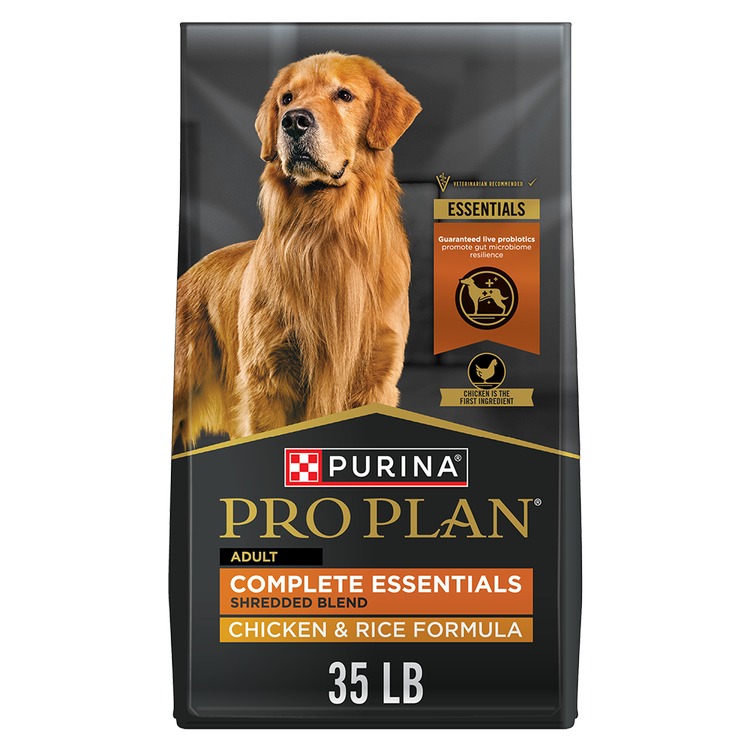
Talk to your veterinarian before changing your puppy’s food. They can recommend the best diet based on your puppy’s breed and health.
A pet nutritionist can also help if your puppy has special needs or allergies. Getting expert advice keeps your puppy safe and healthy.
Credit: www.purina.com
Transitioning From Puppy To Adult Food
Feeding puppies adult dog food too early can cause health problems. Puppies need special nutrients to grow strong.
Changing their diet at the right time helps them stay healthy as they grow into adults.
Timing The Switch
Puppies usually switch to adult food between 9 to 12 months old. Small breeds may change sooner, while large breeds might need more time.
Watch your puppy’s growth and energy. This helps decide the best time to start the switch.
Gradual Transition Steps
Switching food too fast can upset your puppy’s stomach. A slow change helps their digestion adjust safely.
- Start by mixing 25% adult food with 75% puppy food.
- After a few days, change to 50% adult and 50% puppy food.
- Next, mix 75% adult food with 25% puppy food.
- Finally, feed only adult food once your puppy adapts.
This process usually takes about 7 to 10 days. Watch for any signs of stomach upset.

Credit: www.pethealthclub.com
Frequently Asked Questions
Can Puppies Eat Adult Dog Food Safely?
Puppies can eat adult dog food temporarily but it lacks essential nutrients for growth. Puppy food supports development with extra protein and vitamins. Feeding adult food long-term may cause nutritional deficiencies and health issues.
What Happens If Puppies Eat Adult Dog Food?
Puppies eating adult dog food may miss vital nutrients like DHA and calcium. This can stunt growth and weaken immunity. Occasional feeding is okay, but consistent use can lead to health problems and poor development.
When Should I Switch My Puppy To Adult Food?
Switch to adult dog food around 12 months for small breeds, 18-24 months for large breeds. This timing matches their maturity and nutritional needs. Premature switching can harm growth and health.
Is Puppy Food Better Than Adult Dog Food?
Yes, puppy food is specially formulated with higher protein, fat, and essential nutrients. It supports rapid growth, brain development, and strong bones. Adult dog food lacks these nutrients and is not ideal for puppies.
Conclusion
Feeding puppies adult dog food is not the best choice. Puppies need special nutrients to grow strong and healthy. Adult food may lack these important elements. This can slow their growth and harm their health. Always choose food made for puppies.
This helps them develop properly and stay active. Consult a vet for the best feeding advice. Good nutrition sets the foundation for a happy, healthy dog. Keep your puppy’s diet right, and watch them thrive.

Emily Barker is the founder of ChillDogLife.com, a space dedicated to helping pup parents discover the best dog products, lifestyle tips, and cozy ideas for happier homes.
A lifelong dog lover, Emily combines her passion for pets with a knack for research to share trusted recommendations on everything from toys and furniture to health and everyday care.
Her goal is simple: to make life easier, stylish, and more joyful for dogs and the people who love them.




