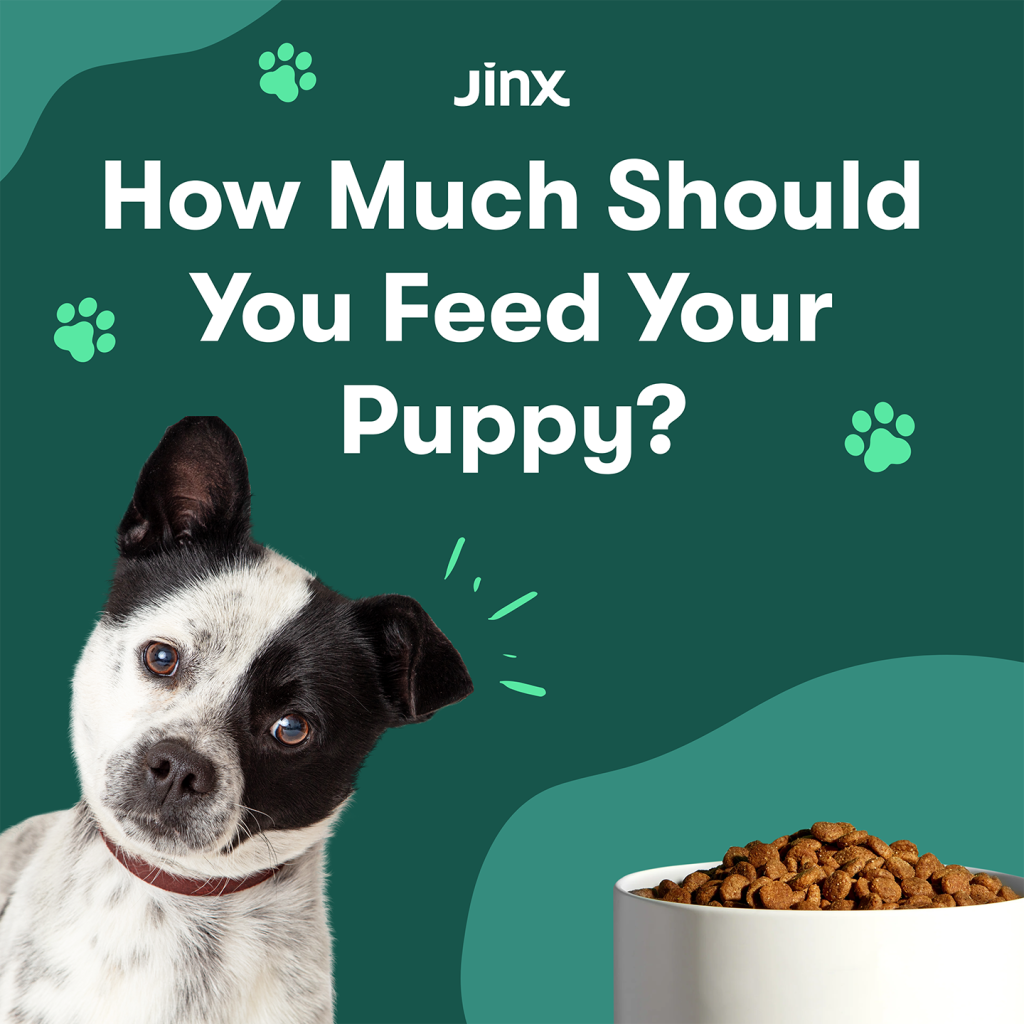
Are you wondering if it’s okay to feed your adult dog puppy food? You’re not alone.
Many dog owners face this question and want the best for their furry friend. What you feed your dog affects their health, energy, and happiness. But is puppy food really safe for an adult dog? Keep reading to discover the surprising facts and learn how to make the right choice for your dog’s diet.
Your dog’s well-being depends on it!

Credit: www.petscare.com
Nutritional Needs Of Adult Dogs
Adult dogs have specific nutritional needs to stay healthy and active. Feeding them the right food helps maintain their weight and energy.
Puppy food has different nutrients made for growing dogs. It is important to know if it fits an adult dog’s needs.
Calorie Requirements
Adult dogs need fewer calories than puppies. Too many calories can cause weight gain and health problems. The amount varies by size, age, and activity level.
- Small adult dogs need about 30 calories per pound daily.
- Medium dogs require 25 calories per pound daily.
- Large dogs need roughly 20 calories per pound daily.
Protein And Fat Levels
Adult dogs need protein and fat for energy and muscle health. Puppy food often has higher protein and fat to support growth. Adult dogs may get too much if fed puppy food regularly.
| Nutrient | Puppy Food % | Adult Food % |
|---|---|---|
| Protein | 22% – 32% | 18% – 25% |
| Fat | 8% – 20% | 8% – 15% |
Vitamins And Minerals
Vitamins and minerals keep dogs’ bones, teeth, and organs healthy. Adult dogs need balanced amounts. Puppy food may have extra calcium and phosphorus for bone growth, which can be too much for adults.
Key vitamins and minerals for adult dogs:
- Vitamin A for vision and skin
- Calcium for strong bones
- Phosphorus for teeth and bones
- Vitamin E for immune support
- Zinc for coat health
Differences Between Puppy And Adult Dog Food
Choosing the right food for your dog is important. Puppy food and adult dog food have different purposes.
Knowing how they differ helps you feed your dog properly at every stage of life.
Ingredient Composition
Puppy food has more protein and fat to support growth. Adult dog food focuses on balanced nutrients for health maintenance.
- Puppy food contains higher levels of protein.
- It has more fat for energy.
- Adult food includes fiber for digestion.
- Vitamins and minerals differ based on age needs.
Growth Versus Maintenance Formulas
Puppy formulas support rapid growth and development. Adult formulas maintain body condition and health.
| Feature | Puppy Food | Adult Dog Food |
| Purpose | Growth and development | Health maintenance |
| Protein Content | Higher | Moderate |
| Fat Content | Higher | Lower |
| Calcium Levels | Higher for bone growth | Balanced for maintenance |
Energy Density
Puppy food is energy dense to meet their active needs. Adult food has fewer calories to prevent weight gain.
Key points about energy density:
- Puppies burn more calories daily than adults.
- High energy food supports growth and activity.
- Adult dogs need fewer calories to avoid obesity.
- Feeding adult dogs puppy food can cause weight gain.
Potential Risks Of Feeding Puppy Food To Adults
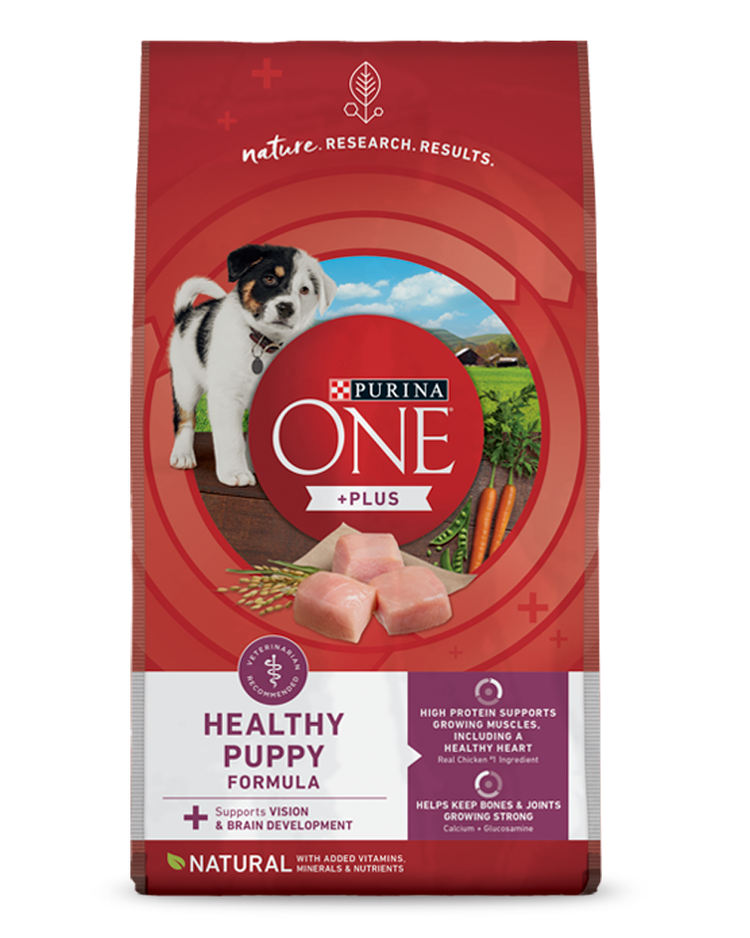
Feeding adult dogs with puppy food might seem harmless. Puppy food has extra nutrients for growth. Adult dogs do not need these extra nutrients.
This article covers the risks of giving adult dogs puppy food. Watch for weight gain, digestive problems, and long-term health effects.
Weight Gain Concerns
Puppy food has more calories and fat. These extra calories can cause adult dogs to gain weight. Too much weight leads to health problems.
- Obesity
- Joint pain
- Diabetes risk
- Heart stress
Digestive Issues
Adult dogs may have trouble digesting puppy food. The rich ingredients can upset their stomachs. This can cause vomiting or diarrhea.
| Symptom | Description |
| Vomiting | Throwing up food after eating |
| Diarrhea | Loose or watery stools |
| Gas | Excessive flatulence or bloating |
Long-term Health Effects
Feeding puppy food long term can harm adult dogs. The wrong balance of nutrients can strain organs. This may cause liver or kidney problems.
Key long-term risks include:
- Kidney overload from excess protein
- Liver strain due to high fat content
- Unbalanced vitamins affecting bones
Credit: www.purina.com
When Puppy Food Might Be Suitable For Adults
Adult dogs usually eat food made just for them. Puppy food has extra nutrients for growing dogs. Sometimes, adult dogs can benefit from eating puppy food.
There are special cases when puppy food can help adult dogs stay healthy and strong. Let’s look at these situations.
Pregnant Or Nursing Dogs
Pregnant or nursing female dogs need more energy and nutrients. Puppy food has higher protein and calorie levels. This helps support the mother and her puppies.
- More calories for energy
- Extra protein to build milk
- Added vitamins and minerals
- Helps maintain healthy weight
High-activity Or Working Dogs
Dogs that work hard or play a lot burn a lot of energy. Puppy food can give these dogs the extra fuel they need. The high nutrient content supports strong muscles and stamina.
| Activity Level | Why Puppy Food Helps |
| Working Dogs | Extra protein and calories for strength |
| Sport Dogs | Supports endurance and recovery |
| Highly Active Pets | Provides needed nutrients for energy |
Underweight Or Recovering Dogs
Dogs that are underweight or healing from illness may need more nutrition. Puppy food is easier to digest and has more nutrients. This helps them gain weight and get stronger.
Important benefits of puppy food for recovering dogs:
- High calorie count to restore weight
- Rich in vitamins and minerals for healing
- Soft texture for easy eating
Tips For Transitioning Between Dog Foods
Switching your dog’s food requires care to avoid stomach problems. Changing food too fast can cause diarrhea or vomiting.
Use these tips to help your dog adjust smoothly to new food. This will keep your dog healthy and happy.
Gradual Food Changes
Start mixing small amounts of the new food with the old food. Slowly increase the new food over 7 to 10 days.
Watch how your dog reacts to the new food. A slow change helps avoid upset stomachs and keeps your dog eating well.
- Day 1-3: 25% new food, 75% old food
- Day 4-6: 50% new food, 50% old food
- Day 7-9: 75% new food, 25% old food
- Day 10: 100% new food
Monitoring Health And Behavior
Watch your dog’s energy, appetite, and stool quality during the transition. Changes in these areas can show if the food suits your dog.
Stop the new food if you see vomiting, diarrhea, or loss of appetite. Give your dog time to recover before trying again.
- Check stool firmness and frequency
- Notice any vomiting or nausea
- Watch for changes in energy levels
- Observe appetite and water intake
Consulting A Veterinarian
Talk to your vet before switching foods, especially for adult dogs eating puppy food. Vets can advise on nutrition needs.
Your vet can recommend the best food and guide you on safe transition steps. This helps keep your dog healthy and well-fed.
Credit: www.purina.com
Choosing The Right Food For Your Dog
Picking the right food for your dog is important. It affects their health and happiness.
Some people wonder if feeding adult dogs puppy food is okay. Understanding dog food labels and needs helps.
Reading Dog Food Labels
Dog food labels tell you a lot about what’s inside. It’s important to know how to read them.
- Check the ingredients list for quality proteins.
- Look for whole grains and vegetables.
- Avoid foods with artificial colors or preservatives.
Considering Life Stage And Health
Dogs have different needs at each life stage. Puppies need different nutrients than adult dogs.
Feeding puppy food to adult dogs can lead to weight gain. It’s essential to choose food that matches their age and health.
Balancing Cost And Quality
Balancing cost and quality is key when choosing dog food. High-quality ingredients may cost more but are better for your dog.
| Quality Level | Approximate Cost |
| Premium | $50 per bag |
| Mid-range | $30 per bag |
| Budget | $15 per bag |
Frequently Asked Questions
Can Adult Dogs Eat Puppy Food Safely?
Adult dogs can eat puppy food occasionally but it’s not ideal long-term. Puppy food has extra calories and nutrients meant for growth. Feeding it regularly to adults may cause weight gain and digestive issues. Consult your vet before switching dog food types.
What Happens If Adult Dogs Eat Puppy Food?
Adult dogs may gain excess weight from puppy food due to higher fat and protein. It can also upset their digestion. Puppy food is designed for growth and energy needs of puppies, not maintenance needs of adult dogs.
Is Puppy Food Better For All Dog Breeds?
Puppy food is not better for all breeds. Nutritional needs vary by age, size, and health. Large breeds especially need specific formulas. Adult dogs require balanced maintenance diets. Always choose food based on your dog’s life stage and breed.
How Long Can Adult Dogs Eat Puppy Food?
Adults should not eat puppy food for long periods. Occasional feeding is okay, but daily use can lead to obesity. Switch to adult dog food once your dog reaches maturity to meet their nutritional needs properly.
Conclusion
Feeding adult dogs puppy food is not ideal for long-term health. Puppy food has more calories and nutrients designed for growth. Adult dogs need balanced nutrition to maintain weight and energy. Too many calories can cause weight gain and health issues.
Always choose dog food that matches your dog’s age and activity. Consult your vet to find the best diet for your pet. Healthy food helps your dog stay active and happy. Simple choices make a big difference in your dog’s well-being.

Emily Barker is the founder of ChillDogLife.com, a space dedicated to helping pup parents discover the best dog products, lifestyle tips, and cozy ideas for happier homes.
A lifelong dog lover, Emily combines her passion for pets with a knack for research to share trusted recommendations on everything from toys and furniture to health and everyday care.
Her goal is simple: to make life easier, stylish, and more joyful for dogs and the people who love them.




