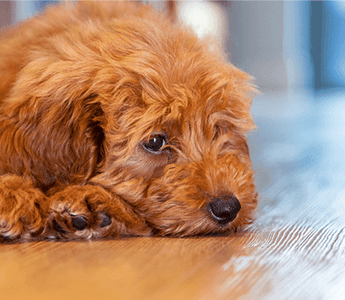
Is your dog peeing on your bed and leaving you frustrated? You’re not alone, and it can be a real challenge to deal with.
But don’t worry—there are simple, effective steps you can take right now to stop this behavior for good. Imagine enjoying your cozy bed without worrying about accidents or unpleasant smells. Keep reading, because by the end of this article, you’ll have practical tips that work, helping you restore peace to your bedroom and strengthen the bond with your furry friend.
Reasons Dogs Pee On Beds
Understanding why your dog pees on your bed is the first step to stopping this frustrating behavior. Dogs don’t just choose your bed randomly; there are specific reasons behind this act. Identifying these causes helps you address the root of the problem effectively.
Medical Issues
Sometimes, your dog’s bedwetting is a sign of a health problem. Urinary tract infections, bladder stones, or kidney issues can make it hard for dogs to control their bladder. If your dog suddenly starts peeing on the bed, a vet visit is a must to rule out medical causes.
Anxiety And Stress
Dogs can feel overwhelmed by changes in their environment or routine. Separation anxiety or fear during thunderstorms can trigger accidents on your bed. Ask yourself: Has anything in your dog’s life changed recently? Stress can cause your dog to seek comfort in familiar places, like your bed.
Marking Territory
Dogs use urine to mark their territory and communicate with other animals. If your dog feels threatened or wants to establish dominance, your bed might become a target. This behavior is more common in unneutered males, but females and neutered dogs can do it too.
Lack Of House Training
Even adult dogs sometimes haven’t had proper house training. Without consistent routines, your dog might not understand where it’s okay to pee. If your dog is young or newly adopted, patience and consistent training are essential to prevent bedwetting.
Preventive Measures To Protect Your Bed
Keeping your dog off the bed starts with clear boundaries and consistent training. Use protective covers and clean any accidents quickly to prevent repeat behavior. Creating a comfortable spot for your dog nearby can also help keep your bed safe.
Preventing your dog from peeing on your bed requires practical measures. These steps help keep your bed clean and your dog happy. Let’s explore some effective strategies to protect your sleeping space.Restricting Bed Access
Limit your dog’s access to the bedroom. Use baby gates or closed doors. Teach your dog that the bed is off-limits. Consistency is key. Reward your dog for staying off the bed. This creates a positive association with staying away.Using Waterproof Covers
Invest in a waterproof mattress cover. This protects your bed from accidents. Look for covers that are machine washable. They should fit snugly on your mattress. This makes cleaning easy and keeps your bed fresh. Waterproof covers act as a barrier.Regular Bathroom Breaks
Ensure your dog gets regular bathroom breaks. Take your dog outside frequently. This reduces the chance of indoor accidents. Monitor your dog’s bathroom habits closely. Adjust the schedule as needed. A regular routine helps prevent mishaps.Training Techniques To Stop Bed Peeing
Training your dog to stop peeing on your bed takes patience and clear techniques. Focused training helps your dog learn good habits. Consistency and positive actions make a big difference. Below are key training methods to reduce bed peeing.
Positive Reinforcement
Reward your dog for peeing outside or in the right place. Use treats, praise, or petting as a reward. This helps your dog connect good behavior with positive outcomes. Avoid punishment, as it can cause stress and confusion.
Celebrate small successes. For example, if your dog waits to pee until outside, give a treat right away. This encourages your dog to repeat that behavior.
Consistent Bathroom Schedule
Set regular times for bathroom breaks. Take your dog out early morning, after meals, and before bedtime. This reduces chances of accidents inside.
Watch for signs your dog needs to pee, such as sniffing or circling. Act quickly to take them outside. Keeping a schedule teaches your dog when and where to go.
Crate Training Benefits
Use a crate as a safe space for your dog. Dogs usually avoid soiling their sleeping area. A properly sized crate helps control accidents at night.
Introduce the crate gradually. Make it comfortable with bedding and toys. Use the crate during sleep or when you cannot supervise your dog. Crate training supports better bathroom habits and reduces bed peeing.
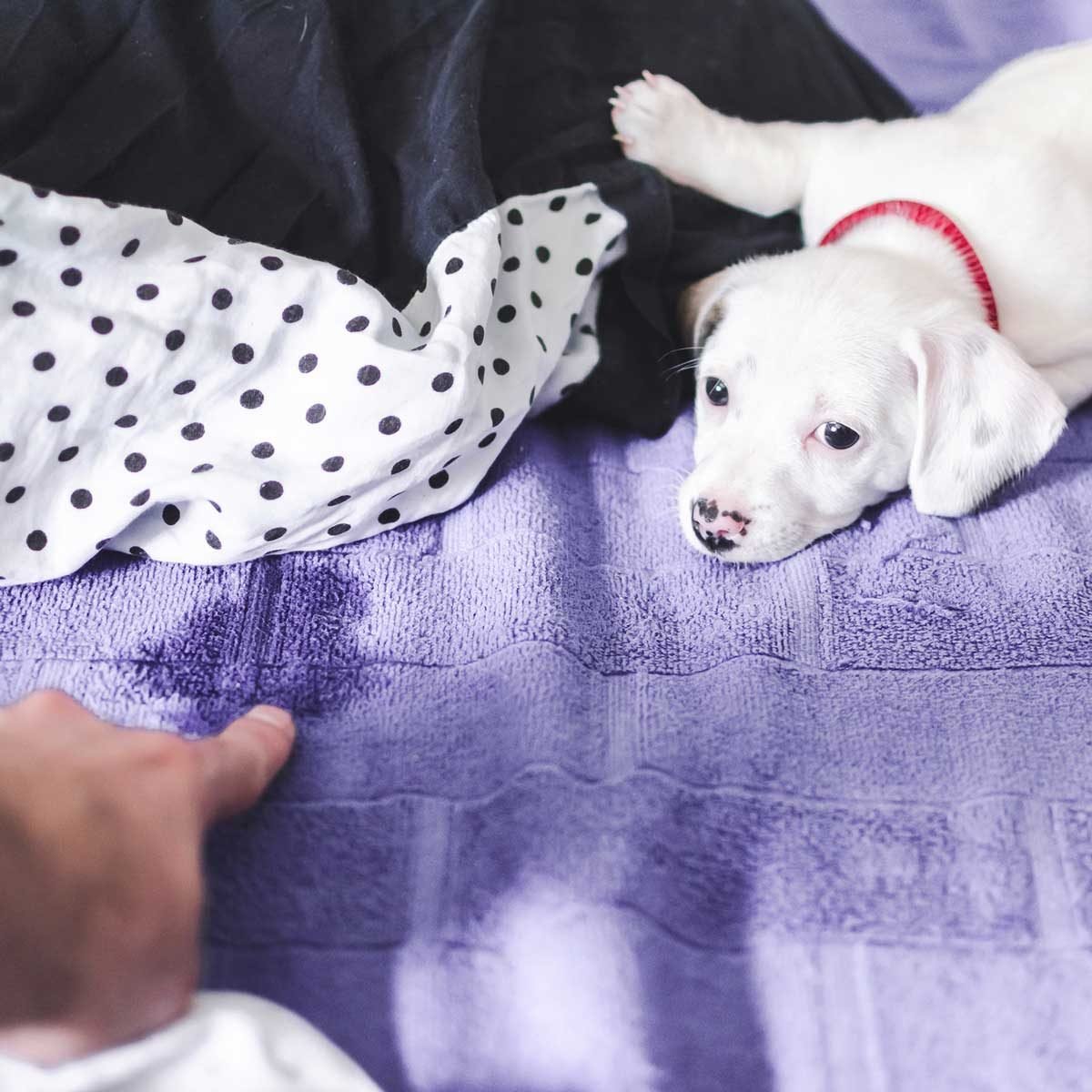
Credit: www.embassyofpakistanusa.org
Cleaning And Odor Removal Tips
Cleaning up after your dog pees on your bed is not just about tidying the mess—it’s about stopping them from coming back to the same spot. The right cleaning and odor removal techniques can break the cycle and keep your bed fresh. Let’s dive into practical ways to choose cleaners and remove all traces of urine smell.
Choosing Effective Cleaners
Not all cleaners work the same on pet urine. Avoid harsh chemicals like ammonia-based products; they can actually attract your dog back to the spot.
Look for enzymatic cleaners specifically designed for pet stains. These cleaners break down the proteins in urine, eliminating both stains and odors.
- Test the cleaner on a small fabric area first to avoid damage.
- Use enough cleaner to soak the affected area thoroughly.
- Allow the cleaner to sit for at least 10 minutes to work effectively.
I once tried a regular household cleaner on my dog’s urine spot, and he kept returning. Switching to an enzymatic cleaner stopped the behavior within days.
Removing Urine Smell Completely
Removing the visible stain is not enough if the smell lingers. Dogs have a keen sense of smell and can detect even faint odors.
After cleaning, rinse the area with cold water and blot it dry. Then, sprinkle baking soda over the spot to absorb any remaining odors.
- Leave the baking soda on for several hours or overnight.
- Vacuum the area thoroughly to remove the baking soda.
- Consider using a pet-safe odor neutralizer spray for a final touch.
Have you noticed that even after washing, your dog returns to the same spot? This usually means some smell remains. Don’t skip the baking soda step—it’s a simple trick that makes a big difference.
When To Seek Veterinary Help
Sometimes, despite your best efforts, your dog might continue peeing on your bed. It’s important to recognize when this behavior could be a sign of an underlying health or behavioral issue. Knowing when to seek veterinary help can save your dog from discomfort and help you maintain a clean, stress-free home.
Signs Of Urinary Tract Infection
One common medical reason behind inappropriate urination is a urinary tract infection (UTI). Watch for signs like frequent urination, straining, or blood in the urine. Your dog may also lick their genital area more than usual or seem restless and uncomfortable.
If you notice these symptoms, don’t wait. A vet can run simple tests to confirm a UTI and provide effective treatment quickly. Ignoring these signs might lead to more serious infections or kidney problems, which are harder to treat.
Behavioral Consultation
If your dog is healthy but still peeing on your bed, the cause might be behavioral. Changes in routine, anxiety, or stress can trigger this. Sometimes, dogs mark territory or seek attention through this behavior.
Consulting a professional animal behaviorist can provide insights tailored to your dog’s unique situation. They can help you develop strategies to reduce anxiety and redirect your dog’s habits. Have you noticed any new stressors in your dog’s life, like a new pet or moving to a new home? Identifying these triggers is key to stopping bed peeing for good.

Credit: fuzipets.com

Credit: www.amazon.com
Frequently Asked Questions
Why Does My Dog Pee On My Bed?
Dogs may pee on beds due to stress, marking territory, or medical issues. It can also be a sign of anxiety or lack of proper potty training. Identifying the cause helps in addressing the behavior effectively.
How Can I Stop My Dog From Peeing Indoors?
Consistent potty training, regular bathroom breaks, and positive reinforcement work well. Clean accidents with enzymatic cleaners to remove odors. Consult a vet if medical problems are suspected.
Can Crate Training Prevent Bed Peeing?
Yes, crate training creates a safe space and reduces accidents. Dogs usually avoid soiling their sleeping area. Proper crate training helps establish good bathroom habits and limits access to the bed.
What Role Does Cleaning Play In Preventing Bed Peeing?
Thorough cleaning removes urine scent, discouraging repeat accidents. Use enzymatic cleaners specifically designed for pet stains. Avoid ammonia-based cleaners as they can attract dogs to pee again.
Conclusion
Stopping your dog from peeing on your bed takes time and patience. Consistent training helps your dog learn good habits. Clean accidents quickly to remove smells and avoid repeats. Give your dog plenty of bathroom breaks outside. Praise your dog for peeing in the right place.
Use a crate or bed barrier if needed. Small changes make a big difference over time. Stay calm and keep trying. Your dog can learn to respect your bed. Keep your home clean and comfortable for both of you.

Emily Barker is the founder of ChillDogLife.com, a space dedicated to helping pup parents discover the best dog products, lifestyle tips, and cozy ideas for happier homes.
A lifelong dog lover, Emily combines her passion for pets with a knack for research to share trusted recommendations on everything from toys and furniture to health and everyday care.
Her goal is simple: to make life easier, stylish, and more joyful for dogs and the people who love them.




