
Imagine calling your dog at the park, and they come running back to you every time, no matter what distractions are around. Sounds like a dream, right?
But it’s a dream you can turn into reality with the right recall training techniques. Whether your furry friend is a curious pup or an adventurous adult dog, mastering recall training is essential for their safety and your peace of mind.
In this guide, you’ll discover simple, effective steps to teach your dog to come when called. We’ll reveal the secrets behind making recall training fun and rewarding for both you and your pet. Are you ready to transform your walks and adventures with your dog into stress-free and joyful experiences? Let’s dive in and learn how to make your dog’s recall as reliable as a wagging tail!
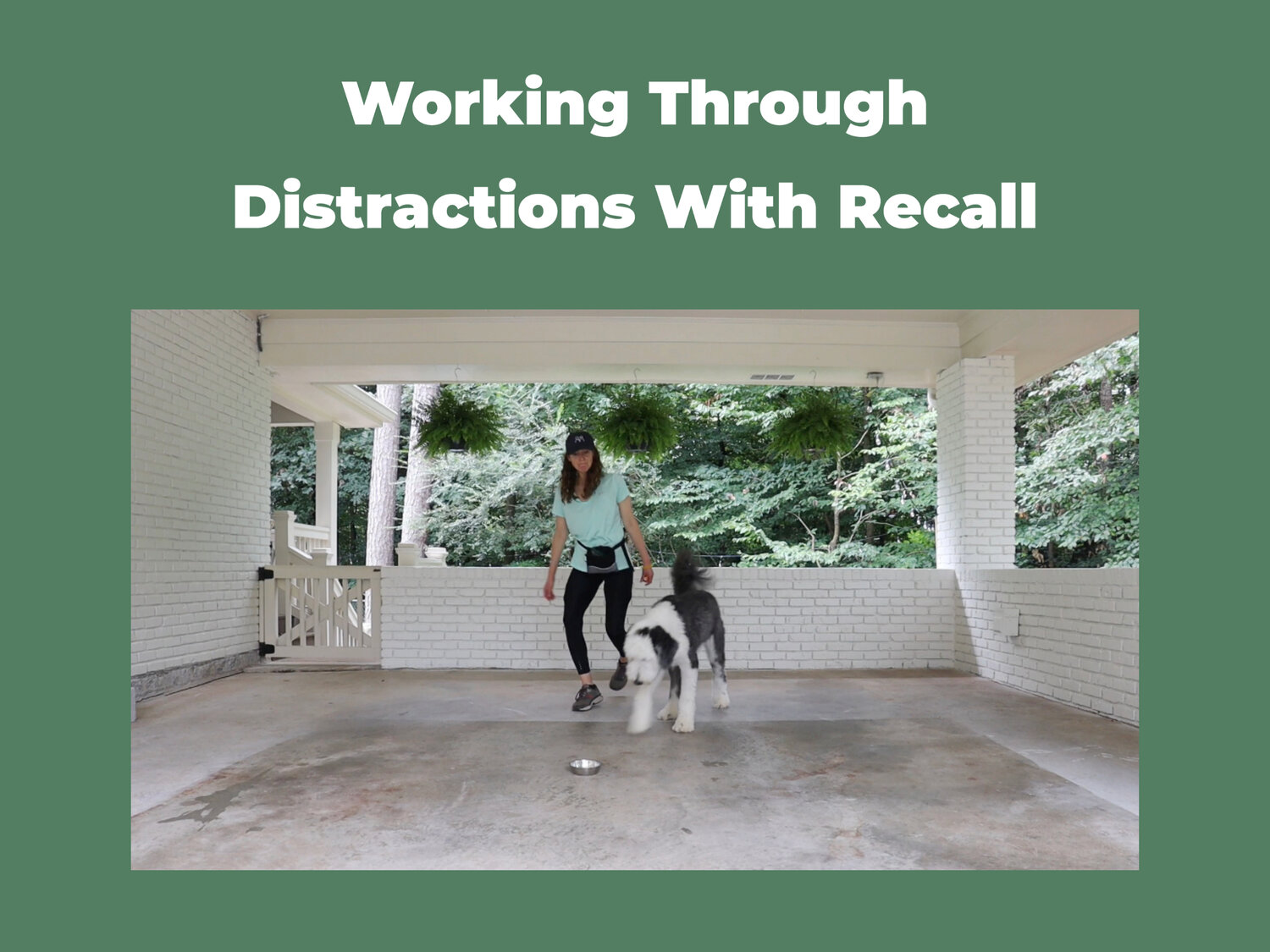
Credit: www.tailsofconnection.com
Importance Of Recall Training
Recall training teaches your dog to come back to you when called. It is a key skill for safe and happy outings.
Dogs that respond well to recall can enjoy more freedom and less stress for their owners.
Safety Benefits
Recall training helps keep your dog safe from danger. It stops them from running into traffic or chasing animals.
- Prevents accidents near roads
- Keeps your dog away from harmful plants or objects
- Helps you control your dog in crowded places
- Reduces chances of losing your dog outdoors
Strengthening Bond
Recall training builds trust between you and your dog. Your dog learns to listen and follow your commands.
Here are ways recall training improves your relationship:
- Increases communication and understanding
- Creates positive experiences during training
- Encourages mutual respect and patience
Enhancing Control
Good recall gives you better control over your dog’s actions. It helps manage your dog in any environment.
| Control Aspect | Benefit |
| Recall on command | Quick response to your calls |
| Reliable return | Reduces chasing or running away |
| Off-leash freedom | Allows safe play without leash |
Choosing The Right Recall Cue
Training your dog to come when called is key for safety. Picking the right recall cue helps your dog understand you quickly.
Recall cues can be words, gestures, or both. Choose one that suits your style and your dog’s learning ability.
Verbal Commands
Verbal commands use a specific word or phrase. Your dog will learn to associate this sound with coming to you.
- Pick a short, clear word like “come” or “here.”
- Use the same word every time you call your dog.
- Speak in a happy and calm tone to encourage your dog.
- Avoid using the recall word for other commands.
Hand Signals
Hand signals help if your dog is far or if it is noisy. Dogs can see gestures better than hearing words in some cases.
| Signal | Description |
| Open Palm | Hold hand out with palm facing up |
| Wave | Wave hand side to side |
| Point | Point toward yourself with finger |
Consistency Matters
Consistency helps your dog learn faster. Use the same cue and signals every time you call your dog.
- Practice recall in different places and situations.
- Reward your dog immediately when it comes to you.
- Avoid changing the recall word or signal often.
- Make recall training a daily habit.
Setting Up For Success
Teaching your dog to come when called needs a good plan. Setting up the right environment helps your dog focus and learn.
This guide shows simple ways to prepare for recall training. It helps your dog listen and respond better.
Creating A Distraction-free Environment
Start training in a quiet place with few distractions. This helps your dog pay attention to your voice.
A calm spot with no other animals or loud noises is best. Your dog can learn faster when not distracted.
Using High-value Rewards
Choose treats or toys your dog loves most. These rewards make your dog excited to come to you.
Use small, tasty treats or favorite toys to keep your dog motivated. Change rewards to keep interest high.
- Soft, smelly treats work well
- Special toys can be a good prize
- Use rewards only for recall training
Timing And Patience
Call your dog at the right moment. Reward your dog right after it comes to you.
Be patient and practice often. Dogs learn at their own speed, so keep sessions short and fun.
- Call your dog clearly and kindly
- Reward immediately after your dog arrives
- Train in short, regular sessions
Step-by-step Recall Training
Recall training teaches your dog to come to you when called. It is important for safety and control. Training in steps helps dogs learn better.
Start with easy settings and slowly make it harder. Use clear commands and rewards to encourage your dog.
Starting Indoors
Begin recall training inside your home. This space has few distractions, making it easier for your dog to focus.
Call your dog using a happy voice. Reward with treats or praise when they come to you quickly.
- Choose a quiet room
- Use a clear recall word like “come”
- Reward immediately after your dog responds
- Keep sessions short and fun
Gradual Outdoor Challenges
Move training outdoors where there are more distractions. Start in a fenced yard or quiet park.
Call your dog and reward them for coming even with distractions like birds or people nearby.
- Use a long leash for safety
- Practice in low-distraction areas first
- Increase distractions slowly
- Keep training positive and patient
Increasing Distance And Distractions
Once your dog responds well outdoors, increase the distance between you. Add distractions like other dogs or toys.
Call your dog from far away and reward any movement toward you. Gradually expect full recall with distractions.
- Practice at different times and places
- Use high-value treats for tough distractions
- Be patient and consistent
- Always end training on a positive note
Common Challenges And Fixes
Training your dog to come when called can be tough. Many dogs face problems with recall. This guide looks at common issues and how to fix them.
Understanding why your dog struggles helps you train better. Patience and the right approach are key to success.
Ignoring The Recall
Sometimes dogs simply ignore the call. They may be distracted or find other things more interesting. This is a common problem in recall training.
- Use a happy, clear voice when calling your dog.
- Start training in a quiet place with few distractions.
- Reward your dog immediately with treats or praise.
- Practice short recall sessions several times a day.
- Slowly add distractions as your dog improves.
Overcoming Fear Or Anxiety
Some dogs fear the recall command because of past bad experiences. Anxiety can make them run away or hide instead of coming.
| Cause of Fear | Fix |
|---|---|
| Loud noises during recall | Train in quiet areas first |
| Harsh punishment after recall | Use gentle, positive rewards |
| Separation anxiety | Practice short separations with rewards |
Dealing With Excitement
Excited dogs may run past you or not stop when called. Their energy can make recall hard to manage.
- Call your dog calmly but firmly.
- Use a long leash to control their movement.
- Reward calm behavior before releasing them.
- Practice recall after exercise to lower excitement.
- Teach a “sit” or “stay” command to use with recall.
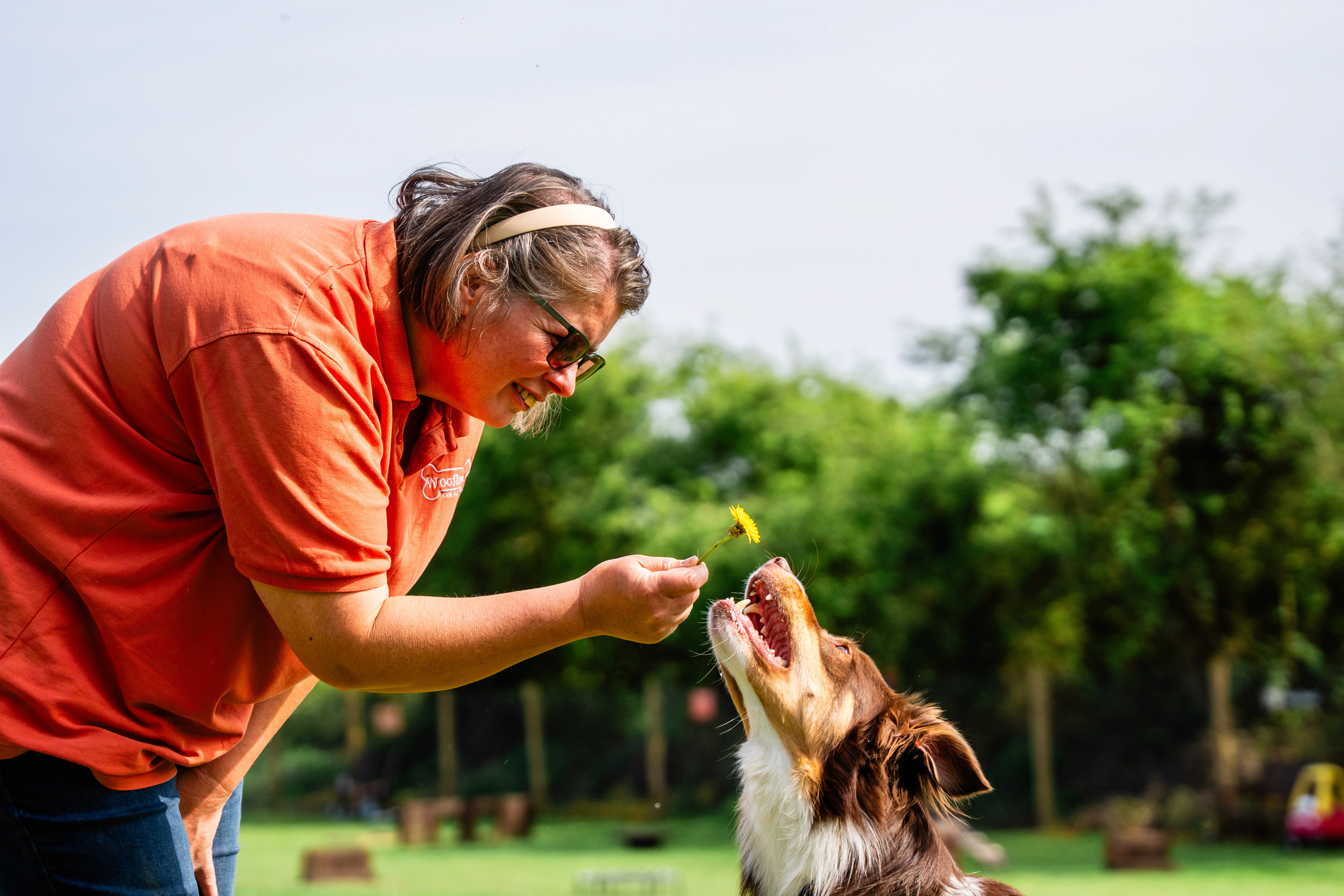
Credit: www.wooflanddogpark.com
Advanced Recall Techniques
Recall training means teaching your dog to come when called. Advanced techniques help your dog respond better.
These methods build on basic recall skills. They prepare your dog for real-life situations.
Using Long Lines
Long lines let your dog roam safely while practicing recall. You keep control but give freedom.
Start in a quiet place. Let your dog explore while holding the line. Call your dog with a clear command.
- Use a 20 to 30-foot long line
- Practice in open spaces without distractions
- Reward your dog every time it comes
- Gradually add distractions and distance
Incorporating Play
Play makes recall fun for your dog. Use toys or games to encourage your dog to come quickly.
Call your dog and start a game when it arrives. This creates a positive reason to come fast.
- Use fetch or tug toys
- Make the recall the start of playtime
- Keep sessions short and enjoyable
- End on a happy note with praise
Proofing Recall Commands
Proofing means practicing recall in different places and situations. This helps your dog listen always.
Change locations, add distractions, and try different times of day. Always reward good recall.
- Train in parks, streets, and backyards
- Include other people and dogs nearby
- Practice with different noises and smells
- Keep using clear commands and rewards
Maintaining Recall Skills
Keeping your dog’s recall sharp takes ongoing work. Consistent training helps your dog respond quickly every time.
Focus on simple steps that make recall a regular and fun part of your dog’s routine. This keeps skills strong and reliable.
Regular Practice
Practice recall daily in different places. Short sessions work best to keep your dog interested.
- Call your dog in the yard or park
- Use a long leash to allow safe distance
- Practice indoors during quiet times
- Repeat calls with a cheerful tone
- Always reward your dog when they come
Varying Rewards
Use different rewards to keep your dog motivated. Some dogs like treats, others prefer toys or praise.
| Reward Type | When to Use | Benefits |
| Treats | During training sessions | Quick and effective |
| Toys | Playtime recalls | Encourages excitement |
| Praise | Anytime | Builds strong bond |
| Petting | After obedience | Comforts and rewards |
Keeping Training Fun
Make recall training a game. Fun keeps your dog eager and focused.
- Hide and seek with your dog
- Call your dog and run away to encourage chase
- Use a favorite toy as a reward
- Mix training with short play breaks

Credit: www.youtube.com
Frequently Asked Questions
How Do I Start Recall Training My Dog?
Begin recall training in a quiet, distraction-free area. Use a cheerful tone and a consistent recall command. Reward your dog immediately with treats or praise when they come to you. Repeat short sessions daily to build a strong recall habit.
What Rewards Work Best For Recall Training?
High-value treats like small pieces of chicken or cheese work best. Use praise and play as additional rewards. Choose what motivates your dog most. Consistent positive reinforcement encourages them to respond quickly to your recall command.
How Long Does It Take To Recall Train A Dog?
Recall training duration varies by dog and consistency. Generally, it takes a few weeks of daily practice. Patience and short, frequent sessions improve success. Keep training fun and positive to maintain your dog’s interest.
How Can I Improve My Dog’s Recall Outdoors?
Start in a controlled outdoor space with minimal distractions. Use a long leash to maintain control. Gradually introduce distractions while reinforcing the recall command. Always reward your dog promptly for returning to you.
Conclusion
Recall training builds trust between you and your dog. Practice often to keep your dog’s response strong. Use clear commands and positive rewards every time. Stay patient and calm during training sessions. Small steps lead to big progress in recall skills.
A well-trained dog enjoys more freedom and safety. Keep training fun and consistent for best results. Your dog will learn to come back quickly and happily.

Emily Barker is the founder of ChillDogLife.com, a space dedicated to helping pup parents discover the best dog products, lifestyle tips, and cozy ideas for happier homes.
A lifelong dog lover, Emily combines her passion for pets with a knack for research to share trusted recommendations on everything from toys and furniture to health and everyday care.
Her goal is simple: to make life easier, stylish, and more joyful for dogs and the people who love them.




