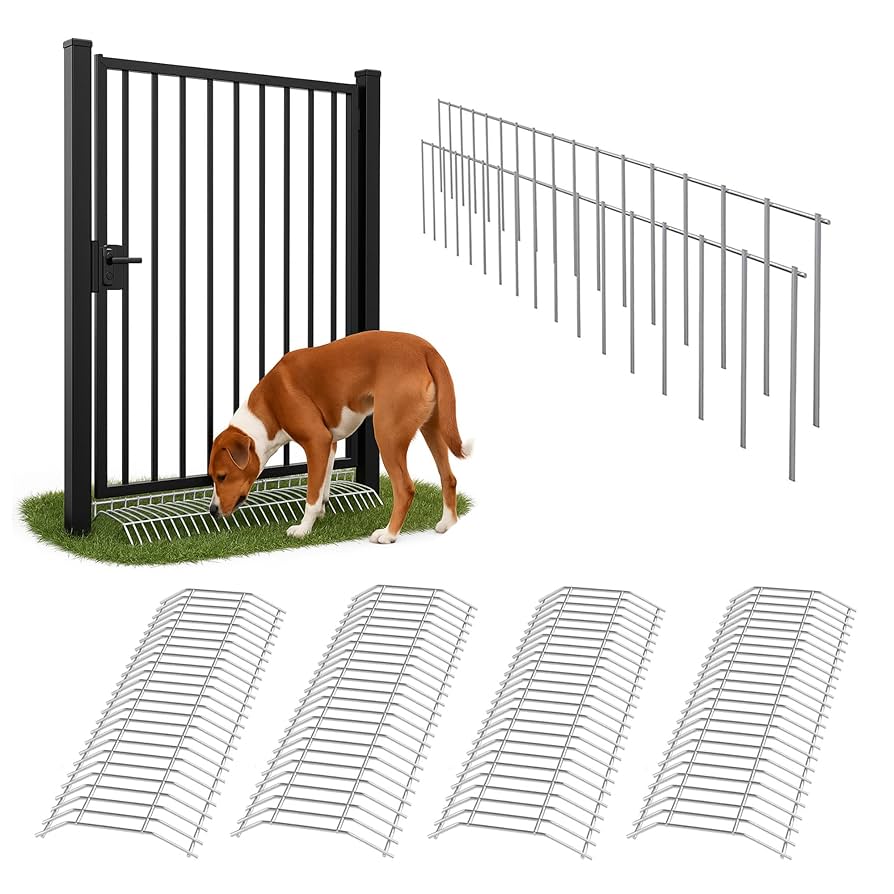
Is your dog turning your yard into a messy digging site? You’re not alone.
Digging is a natural behavior for dogs, but when it starts ruining your garden or creating holes everywhere, it’s time to take action. Imagine enjoying a beautiful, tidy yard without worrying about surprise pits or damaged plants. You’ll discover simple, effective ways to train your dog not to dig.
By following these easy steps, you’ll protect your outdoor space and strengthen the bond with your furry friend. Keep reading to find out how to stop digging for good!
Reasons Dogs Dig
Dogs dig for many reasons. Understanding why your dog digs helps you stop it. Digging can be natural or caused by behavior issues.
Some dogs dig to follow their instincts. Others do it because they feel bored or want attention.
Instinct And Breed Tendencies
Digging is a natural behavior for many dogs. Some breeds dig more than others because of their history.
Dogs bred for hunting or digging tasks often have strong digging instincts. Examples include terriers and hounds.
- Terriers dig to catch small animals
- Hounds dig to follow scents underground
- Some dogs dig to create a cool resting spot
Boredom And Lack Of Exercise
Dogs that are bored or do not get enough exercise may dig to pass the time. Digging helps them release extra energy.
Without enough play or walks, dogs look for ways to entertain themselves. Digging can be one of those ways.
- Regular exercise reduces digging caused by boredom
- Interactive toys can keep dogs busy
- Training sessions help use mental energy
Seeking Attention Or Comfort
Dogs sometimes dig to get your attention. If you react, they learn digging works to get noticed.
Digging can also be a way for dogs to find comfort. They may dig to make a soft or cool spot to lie down.
- Ignoring attention-seeking digging stops the behavior
- Providing a cozy bed reduces comfort digging
- Give praise for good behavior instead
Hunting And Burrowing Behaviors
Some dogs dig because of hunting instincts. They try to catch small animals or insects underground.
Burrowing is a natural behavior for some dogs. They dig to create a safe den or hide their toys.
- Dogs may dig near fences to chase animals
- Burrowing gives dogs a sense of security
- Redirect digging to a safe digging spot

Credit: petbarrier.com.au
Identifying Digging Triggers
Dogs dig for many reasons. Understanding why your dog digs helps stop the behavior.
Look closely at what causes your dog to dig. This makes training easier and faster.
Environmental Factors
Changes in your dog’s surroundings can make them dig. New smells or noises might trigger digging.
Hot weather and soft soil also encourage dogs to dig. They may dig to cool down or hide toys.
- New plants or garden changes
- Presence of small animals like moles or insects
- Warm weather and loose soil
- Open spaces that invite exploration
Emotional And Behavioral Triggers
Dogs dig when they feel bored or lonely. Digging can also be a way to relieve stress.
Some dogs dig to seek attention or out of habit. Puppies often dig to explore and play.
- Boredom or lack of exercise
- Separation anxiety or loneliness
- Stress and nervous energy
- Curiosity and playfulness in puppies
Health-related Causes
Health problems can cause digging. Dogs with skin irritation may dig to relieve itching.
Some dogs dig if they feel pain or discomfort. Digestive issues can also lead to unusual behavior.
- Skin allergies or parasites
- Joint or muscle pain
- Digestive problems
- Other physical discomforts
Preventive Measures
Dogs often dig because they feel bored or restless. Stopping digging before it starts is the best way to keep your yard safe.
Try simple steps that keep your dog busy and happy. These actions help reduce digging urges.
Providing Adequate Exercise
Dogs need plenty of exercise to burn off energy. Tired dogs are less likely to dig out of boredom.
Daily walks, playtime, and running help keep your dog active and calm.
- Walk your dog twice a day for 30 minutes
- Play fetch or tug-of-war in the yard
- Use toys that encourage movement
Creating A Designated Digging Area
Set up a special spot where your dog can dig freely. This helps your dog enjoy digging without damage.
Use a sandbox or small patch of dirt and teach your dog to dig there only.
- Choose an easy-to-clean area
- Hide toys or treats in the digging spot
- Praise your dog when they dig in the right place
Using Physical Barriers
Block off areas where your dog likes to dig. Barriers stop your dog from reaching those spots.
Use fences, rocks, or garden edging to protect plants and furniture.
- Install low fences around garden beds
- Place large rocks near favorite digging spots
- Use chicken wire under soil or mulch
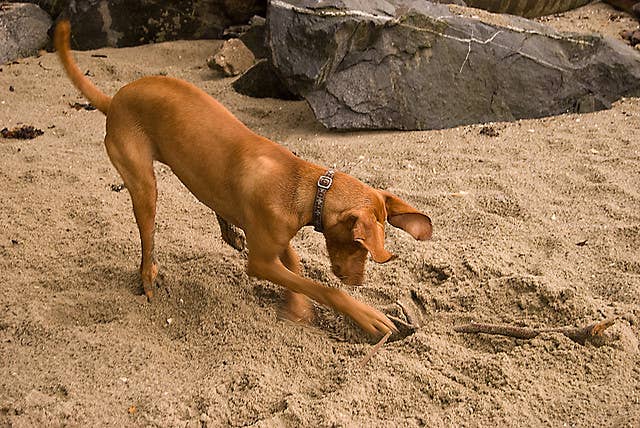
Credit: pethelpful.com
Training Techniques
Training your dog not to dig takes patience and the right approach. Dogs dig for many reasons like boredom or instinct. Teaching them what is allowed helps stop this behavior.
Use clear training techniques to guide your dog. Consistent practice helps your dog learn faster and follow the rules better.
Positive Reinforcement Methods
Praise and rewards help your dog learn good habits. When your dog avoids digging, give treats or kind words. This shows your dog what you want.
Ignore bad digging to avoid giving it attention. Reward your dog only for good behavior to encourage more of it.
- Give a treat when your dog stops digging
- Use a happy voice to praise your dog
- Offer toys as an alternative to digging
- Be patient and consistent with rewards
Redirecting Digging Behavior
Redirect your dog’s digging to a safe spot. Create a digging area with loose soil or sand. Encourage your dog to dig only there.
Use toys or treats to lead your dog to the digging spot. Praise your dog for digging in the right place to reinforce this behavior.
- Designate a special digging zone
- Lead your dog to the zone when it starts digging elsewhere
- Reward your dog for digging in the correct spot
- Keep the area fun and inviting for your dog
Consistent Commands And Cues
Use the same words and signals every time you train. Commands like “no dig” or “leave it” help your dog understand what to do.
Practice these commands daily. Consistency helps your dog remember and follow your instructions better.
- Choose simple commands like “no dig”
- Use the same tone and gestures each time
- Practice commands during walks and playtime
- Reward your dog when it obeys commands
Managing Existing Damage
Dogs often dig in yards, causing damage to plants and soil. Fixing this damage helps your yard look good again.
It is important to repair the yard and stop your dog from digging in the same spots again.
Repairing Your Yard
Start by filling holes with soil and leveling the ground. Use fresh dirt to cover spots your dog dug up.
Plant grass seed or lay sod on the damaged area. Water it regularly to help new grass grow strong.
- Remove any dead plants or debris from holes
- Fill holes with soil and press it down firmly
- Spread grass seed evenly or place sod
- Keep the area moist to encourage growth
- Use a rake to smooth the soil surface
Deterring Future Digging Spots
Stop your dog from digging in the same place by making those spots less inviting. Use barriers or distractions to keep your dog away.
Train your dog to dig in a designated area to protect your yard. Give your dog toys and exercise to reduce digging behavior.
- Place chicken wire or rocks over repaired soil
- Use scents dogs dislike, such as citrus peels
- Create a digging zone with loose soil or sand
- Provide toys and regular playtime
- Supervise your dog during outdoor time

Credit: www.bestmatedogtraining.co.nz
When To Seek Professional Help
Training a dog not to dig takes patience and consistency. Some digging problems need expert advice. Knowing when to get help saves time and stress.
If your dog’s digging seems extreme or causes damage, a professional can offer guidance. Early help stops bad habits from growing worse.
Behavioral Issues Beyond Digging
Digging can be a sign of deeper problems. Dogs may dig because of anxiety, boredom, or stress. These issues need more than basic training.
Notice if your dog shows other behaviors like excessive barking, chewing, or aggression. These signs mean your dog may need special care.
- Restlessness or pacing
- Destructive behavior indoors or outdoors
- Changes in appetite or sleep
- Fear or nervousness around people or pets
Consulting A Trainer Or Veterinarian
A dog trainer can teach you how to manage digging and other behaviors. They use techniques to change your dog’s habits safely.
If your dog’s digging links to health problems, a vet can help. Some medical conditions cause restlessness or pain that leads to digging.
- Trainers help with behavior and obedience
- Veterinarians check for health issues
- Both can recommend treatment plans
- Professional help improves your dog’s quality of life
Frequently Asked Questions
Why Does My Dog Love Digging So Much?
Dogs dig due to instinct, boredom, or to find cool spots. It’s their natural behavior to explore and play. Identifying the reason helps in training them not to dig.
How Can I Stop My Dog From Digging Holes?
Provide enough exercise and mental stimulation. Use deterrents like barriers or scents. Reward good behavior and redirect digging to a designated area.
Can Training Prevent Digging In Puppies?
Yes, early training helps puppies learn boundaries. Teach commands like “no” and reward alternative activities. Consistency and patience are key to success.
What Are Safe Ways To Redirect Digging Behavior?
Create a digging pit or sandbox. Encourage digging there using toys or treats. Avoid punishment; focus on positive reinforcement for good behavior.
Conclusion
Teaching your dog not to dig takes time and patience. Consistent training helps your dog understand limits. Use positive reinforcement to encourage good behavior. Offer toys and activities to keep your dog busy. A tired dog is less likely to dig.
Understand your dog’s needs and adjust your approach. Stay calm and patient throughout the process. Gradually, your dog will learn and improve. Celebrate small victories along the way. Remember, each dog is unique. Tailor your methods to suit your dog’s personality.
With dedication, you can help your dog break the digging habit.

Emily Barker is the founder of ChillDogLife.com, a space dedicated to helping pup parents discover the best dog products, lifestyle tips, and cozy ideas for happier homes.
A lifelong dog lover, Emily combines her passion for pets with a knack for research to share trusted recommendations on everything from toys and furniture to health and everyday care.
Her goal is simple: to make life easier, stylish, and more joyful for dogs and the people who love them.




