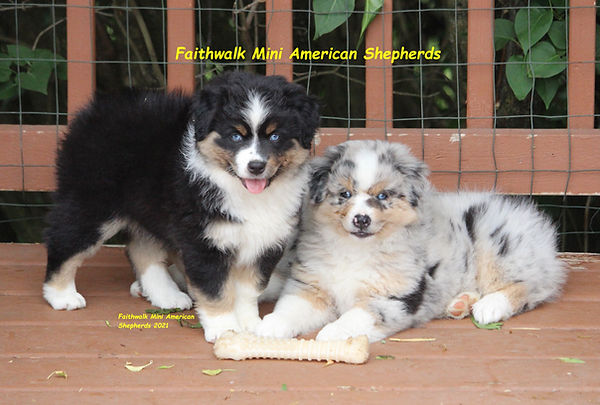
Choosing the right dog breeder is a decision that can shape your life and the life of your future furry friend. You want a healthy, happy puppy that will grow into a well-adjusted dog, and finding a responsible breeder is key to making that happen.
But how do you sift through the options and identify a breeder you can trust? Imagine the joy of bringing home a puppy that fits seamlessly into your life, one that’s brimming with good health and a temperament that matches your lifestyle.
This is not just a dream; it’s a real possibility when you know what to look for in a breeder. You deserve the peace of mind that comes with knowing your puppy was raised with love, care, and professionalism. In this guide, you’ll discover practical tips and insights to help you pick a good dog breeder. We’ll walk you through the red flags to avoid and the green lights that signify a breeder who prioritizes the well-being of their dogs. Stay with us, and let’s ensure your journey to finding the perfect puppy is as joyful and stress-free as possible.

Credit: podcasts.apple.com
Why Choosing The Right Breeder Matters
Picking a good dog breeder is very important. A responsible breeder cares about the dog’s health and behavior.
The right breeder helps you find a happy and healthy dog. This makes life better for you and your pet.
Health And Genetic Testing
Good breeders test their dogs for health problems. They check for common genetic issues to avoid passing diseases to puppies.
- Tests for hip dysplasia
- Checks for eye problems
- Screening for heart conditions
- Vaccinations and parasite control
Proper Socialization And Care
Breeders who care raise puppies in a loving environment. Puppies learn to play and meet people early.
This helps dogs grow up friendly and well-adjusted. It lowers chances of behavior problems later.
Clear Contracts And Support
Good breeders give clear contracts about puppy care. They also offer advice and help after you take your dog home.
| What to Expect | Why It Matters |
| Health guarantee | Protects you and your puppy |
| Return policy | Shows breeder responsibility |
| Ongoing support | Helps with training and health |

Credit: www.petscare.com
Key Traits Of A Reputable Breeder
Finding a good dog breeder is important for the health and happiness of your new pet. A reputable breeder cares deeply about the dogs they raise. They follow strict practices to ensure the puppies are healthy and well socialized.
Knowing what to look for helps you pick the right breeder. The key traits include health testing, ethical breeding, and clear communication. These traits protect you and your future dog.
Health Testing And Certifications
A good breeder tests their dogs for common health problems. This reduces the risk of passing diseases to puppies. Certifications from health organizations show the breeder’s commitment to healthy dogs.
- Hip and elbow dysplasia screenings
- Eye exams by veterinary ophthalmologists
- Genetic testing for breed-specific diseases
- Vaccination and parasite control records
Breeding Practices And Ethics
Ethical breeders follow rules that protect dogs’ welfare. They avoid breeding dogs that have health or behavioral issues. Their goal is to improve the breed, not just to make money.
| Practice | Explanation |
| Limited litters per year | Prevents overbreeding and stress on the mother |
| Socializing puppies early | Helps puppies grow confident and friendly |
| Proper living conditions | Keeps dogs safe, clean, and comfortable |
| Choosing healthy mates | Reduces risk of inherited health problems |
Transparency And Communication
Reputable breeders are open and honest. They answer all your questions and share records. They want you to feel confident about the puppy you choose.
Questions to ask a breeder:
- Can I see health test results?
- May I meet the puppy’s parents?
- What is your return policy?
- How do you care for the puppies?
- Can I visit your facility?
Where To Start Your Search
Finding a good dog breeder takes time and care. Knowing where to look is the first step. Start with trusted sources to ensure you find a responsible breeder.
Reliable breeders focus on health and temperament. Use these starting points to guide your search and ask the right questions.
Breed Clubs And Associations
Breed clubs and associations often list registered breeders. These groups follow strict rules to protect breed standards. They can help you find breeders who care about the dogs.
- Check national and local breed clubs
- Look for breeder directories on association websites
- Ask club members for breeder recommendations
- Attend club events to meet breeders in person
Veterinarians And Trainers
Veterinarians and dog trainers meet many breeders through their work. They know which breeders care for their dogs well. Ask them for advice on good breeders in your area.
| Professional | How They Help |
| Veterinarians | Recommend breeders with healthy dogs |
| Dog Trainers | Know breeders who raise well-behaved puppies |
| Pet Groomers | Meet breeders through grooming appointments |
Online Resources And Reviews
Use online tools to research breeders. Look for reviews and ratings from other dog owners. Be cautious and check multiple sources to avoid bad experiences.
Helpful online tips:
- Search breeder websites for health clearances and policies
- Read reviews on forums and social media groups
- Check the Better Business Bureau for complaints
- Use online registries to verify breeder credentials
Questions To Ask A Potential Breeder
Choosing the right dog breeder is important for your puppy’s health and happiness. Asking the right questions helps you find a responsible breeder.
Good breeders care about their dogs and want to share information. Use these questions to learn more before you decide.
Puppy Health And Socialization
Ask the breeder about the puppy’s health records. Find out if the puppy has had vaccinations and vet checkups.
Socialization is key for a happy puppy. Ask how the breeder exposes puppies to people and new experiences.
- Are the puppies vaccinated and dewormed?
- Has the puppy had a vet health check?
- How do you help puppies meet new people?
- What steps do you take for early socialization?
Parent Dogs’ Background
Ask about the parents’ health and temperament. Healthy parents often mean healthier puppies.
Knowing the family history helps you understand potential genetic issues.
- Can I meet the puppy’s parents?
- What health tests have the parents had?
- Do the parents have any genetic problems?
- What are the parents’ temperaments like?
Contracts And Guarantees
Good breeders offer contracts to protect you and the puppy. Ask about their policies on health guarantees.
Clear contracts show the breeder’s commitment to the puppy’s welfare.
- Do you provide a written contract?
- What health guarantees do you offer?
- What happens if the puppy gets sick soon after adoption?
- Can I return the puppy if needed?
Visiting The Breeder’s Facility
Visiting a dog breeder’s facility helps you understand how they care for their dogs. It lets you see the living conditions and the dogs’ health firsthand.
Seeing the place where puppies grow up gives you a better idea of what to expect from the breeder and the puppies.
Assessing Cleanliness And Environment
Cleanliness shows how much the breeder cares about the dogs. The area should be free from strong odors and visible waste.
- Floors should be clean and dry.
- Food and water bowls must be fresh and tidy.
- Sleeping areas need to be comfortable and clean.
- The space should be well-ventilated and safe.
- Outdoor areas must be secure and free of hazards.
Observing Puppy Behavior
Watch the puppies to see if they are playful and curious. Healthy puppies will interact with people and other dogs.
| Behavior | What to Look For |
| Energy Level | Active but not overly hyper |
| Social Skills | Friendly with humans and siblings |
| Response to Noise | Calm, not scared or aggressive |
| Physical Health | Bright eyes, clean ears, no coughing |
Meeting The Parent Dogs
Seeing the parents helps you understand the puppies’ future size and temperament. The parents should be calm and healthy.
- How old are the parent dogs?
- Have they had health checks?
- What is their temperament?
- Are they registered with any clubs?
- Do they have any known genetic issues?
Red Flags To Watch Out For
Picking a good dog breeder takes careful attention. You must watch for warning signs. These red flags help you avoid bad breeders and protect your future pet.
Below are key areas to check. Knowing these will guide you to choose a responsible breeder who cares for their dogs.
Avoiding Puppy Mills
Puppy mills breed dogs in poor conditions. They focus on profit, not the animals’ health. Watch for signs like overcrowded spaces and sick puppies.
- The breeder has many litters available all the time.
- Dogs live in dirty or cramped areas.
- Puppies show signs of illness or fear.
- The breeder avoids showing you where the dogs live.
- Prices are very low or vary widely.
Signs Of Poor Breeding Practices
Good breeders follow strict health and care rules. Poor breeders often skip these steps. This can cause health problems in puppies later.
| Warning Sign | What It Means |
| No health clearances | Breeder may not test parents for diseases |
| Breeding too often | Mother dog may be unhealthy or stressed |
| Short or no socialization | Puppies may have behavioral problems |
| No support after sale | Breeder may not care about puppy’s future |
Unclear Or Dodgy Documentation
Reliable breeders provide clear and honest papers. These include health records and registration papers. Watch out if documents seem fake or missing.
Check the following in the documents:
- Registration papers that match the puppy’s details
- Health certificates signed by a vet
- Clear vaccination records
- Contact information for the breeder
- Written contract covering return or refund policies
Making The Final Decision
Choosing a good dog breeder is an important step. This decision shapes your experience with your new puppy. Trusting your judgment helps you pick the right breeder.
Look closely at different breeders. Compare their practices and how they care for puppies. Prepare well before bringing your puppy home.
Trusting Your Instincts
Your feelings matter when choosing a breeder. Notice how you feel during visits or calls. A good breeder will make you comfortable and answer all questions.
- Feel welcomed and respected by the breeder
- See clean and safe places for puppies
- Notice if the breeder is honest and open
- Trust your gut if something feels wrong
Comparing Multiple Breeders
Compare breeders to find the best fit. Look at their experience, how they raise puppies, and their support after sale. Use a table to organize your findings.
| Breeder | Experience (Years) | Health Checks | Socialization | Support Offered |
| Breeder A | 10 | Yes | Regular | Lifetime advice |
| Breeder B | 5 | Yes | Limited | 3 months |
| Breeder C | 8 | No | Regular | 6 months |
Preparing For Your New Puppy
Get ready before your puppy arrives. Have all needed supplies and create a safe space. A smooth start helps your puppy settle well.
- Buy food and water bowls
- Set up a cozy bed or crate
- Purchase toys and chew items
- Plan a schedule for feeding and walks
- Find a local vet for checkups
Credit: shallowfordvet.com
Frequently Asked Questions
What Are The Key Traits Of A Good Dog Breeder?
A good dog breeder prioritizes health, temperament, and proper socialization. They provide health clearances, clean environments, and ethical breeding practices. Transparency and support after adoption are also essential traits.
How Can I Verify A Breeder’s Reputation?
Check online reviews, ask for references, and visit the breeder’s facility. Reputable breeders welcome questions and provide documentation. Avoid breeders who refuse visits or hide information.
Why Is Health Testing Important In Dog Breeding?
Health testing ensures puppies are free from genetic diseases. It prevents passing hereditary conditions to offspring. Responsible breeders conduct tests and share results openly to ensure healthy puppies.
What Questions Should I Ask A Dog Breeder?
Ask about puppy health, parents’ temperament, vaccination history, and socialization practices. Inquire about their breeding goals and support after adoption. Good breeders answer honestly and provide detailed information.
Conclusion
Choosing a good dog breeder takes time and care. Ask questions and visit the breeder’s place. Watch how they treat their dogs. Healthy, happy puppies come from responsible breeders. Trust your feelings and do your research. A good start leads to a happy pet life.
Your new dog deserves the best beginning. Keep these tips in mind to find the right breeder for you.

Emily Barker is the founder of ChillDogLife.com, a space dedicated to helping pup parents discover the best dog products, lifestyle tips, and cozy ideas for happier homes.
A lifelong dog lover, Emily combines her passion for pets with a knack for research to share trusted recommendations on everything from toys and furniture to health and everyday care.
Her goal is simple: to make life easier, stylish, and more joyful for dogs and the people who love them.




