
Getting the right fit for your dog’s harness is more important than you might think. If it’s too tight, your furry friend will feel uncomfortable.
Too loose, and your dog could slip out and run off. You want your dog to be safe, comfortable, and happy every time you go for a walk. But how do you know exactly what measurements to take? Don’t worry—you’re about to learn simple, step-by-step tips that will help you measure your dog perfectly.
Keep reading to make sure your dog’s harness fits just right.
Choosing The Right Harness
Choosing the right harness for your dog is more than just picking a pretty design. It’s about comfort, control, and safety. The right harness fits well and suits your dog’s size, shape, and activity level. Have you ever noticed how an ill-fitting harness can cause your dog discomfort or even injury? That’s why understanding different harness types and their benefits is key before making a choice.
Types Of Dog Harnesses
There are several types of dog harnesses designed for specific needs. Some popular options include:
- Back-clip harnesses:These have the leash attachment on the back and are great for relaxed walks.
- Front-clip harnesses:The leash attaches at the chest, which helps reduce pulling during walks.
- Dual-clip harnesses:These offer both front and back leash attachments, giving you versatility and control.
- Step-in harnesses:Easy to put on, these harnesses are ideal for dogs that dislike overhead straps.
Think about how your dog behaves on walks. Do they pull strongly or stay calm? Matching harness type to behavior can make walks easier and safer for both of you.
Benefits Of Using A Harness
Using a harness provides several advantages over a collar alone. It distributes pressure evenly across your dog’s chest and shoulders, reducing strain on their neck. This is especially important for small breeds or dogs with respiratory issues.
Harnesses also give you better control during walks. If your dog tends to pull, a front-clip harness can discourage this behavior without causing pain. Plus, many harnesses come with reflective strips for added safety during evening strolls.
Have you noticed how your dog reacts when wearing a harness? Choosing one that fits well can make walks more enjoyable and prevent injuries, helping your dog stay healthy and happy.
Tools Needed For Measuring
Choosing the right tools for measuring your dog’s harness is crucial. The accuracy of your measurements depends largely on the quality and type of tools you use. Having the right equipment makes the process easier and ensures your dog’s comfort and safety.
Measuring Tape Essentials
A flexible measuring tape is your best friend when measuring your dog for a harness. It easily wraps around your dog’s body, capturing precise dimensions.
Choose a tape that is soft and marked clearly in both inches and centimeters. This dual marking helps avoid confusion, especially if you’re ordering harnesses from international brands.
Keep the tape snug but not tight on your dog. This balance helps get a true reading of your dog’s chest and neck size without causing discomfort.
Additional Tools For Accuracy
Besides a measuring tape, some extra tools can improve accuracy and ease your measuring process.
- Pen and Paper:Write down each measurement immediately. This prevents mix-ups and helps when comparing sizes across different harness brands.
- Helper:Having someone hold your dog still can make the job faster and more precise. Dogs can get restless, so a steady hand is valuable.
- Soft Cloth or Ribbon:If your dog is too wiggly, use a soft cloth or ribbon to mark the measurement points. Then, measure the cloth with your tape for a clean, accurate number.
What tools have you found most helpful when measuring your dog? Sometimes a simple change in tools can make the process smoother and less stressful for both you and your pet.
Key Measurement Areas
Choosing the right harness size for your dog starts with knowing key measurement areas. These measurements help ensure a comfortable and secure fit. Accurate sizing prevents chafing and slipping.
Focus on three main points. Each plays a vital role in the harness fit. Use a soft measuring tape for best results. Keep the tape snug but not tight.
Neck Circumference
Measure around the base of your dog’s neck. This is where the collar usually sits. Make sure the tape lies flat and is not twisted. Leave space for two fingers between the tape and skin. This prevents the harness from being too tight.
Chest Girth
Wrap the tape around the widest part of your dog’s chest. Typically, this is right behind the front legs. This area must have enough room for breathing and movement. Keep the tape snug but comfortable. This measurement is the most important for harness sizing.
Length From Neck To Chest
Measure from the base of the neck to the top of the chest, between the front legs. This length helps determine the harness’s front panel size. It ensures the harness covers the chest properly without restricting movement.
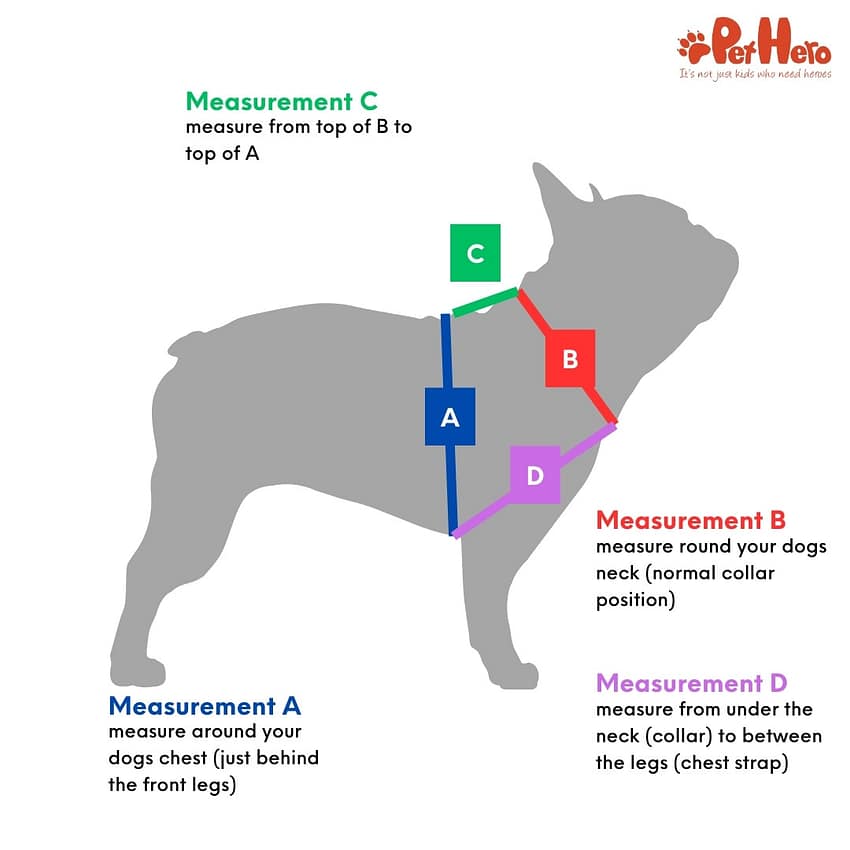
Credit: pethero.co.za
Step-by-step Measuring Process
Measuring your dog for a harness is more than just grabbing a tape measure and hoping for the best. Getting the fit right ensures your dog’s comfort and safety on every walk. Let’s break down the process into clear, manageable actions so you can feel confident that your dog’s harness will fit perfectly.
Preparing Your Dog
Start by making sure your dog is calm and relaxed. A restless dog can make measuring difficult and lead to inaccurate results. You might find it helpful to take your dog for a short walk or play for a few minutes before measuring to burn off excess energy.
Choose a quiet spot with good lighting and have your measuring tape ready. If your dog has thick fur, gently press it down to get measurements close to the skin. This avoids buying a harness that’s too loose or too tight.
Taking Each Measurement Correctly
Focus on three main areas: the neck, chest, and girth. Use a soft measuring tape and wrap it snugly but not tightly around each area. Here’s what to measure:
- Neck:Measure around the base of the neck, where the collar usually sits.
- Chest:Measure the widest part of the chest, right behind the front legs.
- Girth:Measure the circumference around your dog’s rib cage, a bit behind the front legs and around the body.
Be sure to keep the tape horizontal and parallel to the ground for accuracy. If your dog moves, pause and gently reposition the tape before recording the number.
Recording Measurements
Write down each measurement immediately to avoid forgetting or mixing them up. Use a small notebook or your phone’s notes app for convenience. Label each measurement clearly, like “Neck – 15 inches” or “Chest – 22 inches.”
Consider taking each measurement twice to double-check accuracy. If you notice a big difference between the two, measure a third time. Accurate numbers now save time and hassle later, so don’t rush this step.
Common Mistakes To Avoid
Measuring your dog for a harness might seem straightforward, but many dog owners fall into common traps that can lead to an ill-fitting harness. Avoiding these mistakes saves you time, money, and keeps your dog comfortable and safe. Let’s look at the pitfalls to watch for when taking those all-important measurements.
Using Incorrect Tape Placement
Placing the measuring tape in the wrong spot is one of the easiest errors to make. The tape should sit snugly around the widest part of your dog’s chest, just behind the front legs—not too high on the neck or too low on the belly.
Incorrect placement can cause the harness to be too tight or too loose, leading to discomfort or escape risks. Have you ever tried measuring your dog only to find the harness slipping off? That’s usually because of where the tape was placed.
Measuring Too Loose Or Tight
Some people think adding extra room will keep their dog comfortable, while others pull the tape too tight to avoid a loose fit. Both are problematic.
A good rule is to leave enough space to fit two fingers between the tape and your dog’s body. This ensures the harness won’t pinch or chafe but also won’t allow your dog to wriggle free. Are you sure your measurements leave that perfect gap?
Ignoring Your Dog’s Comfort
Even if the measurements are accurate, ignoring how your dog reacts to the harness can cause issues. Dogs might show subtle signs of discomfort, like scratching or trying to chew the harness.
Observe your dog closely after fitting the harness. If they seem restless or reluctant to move, consider adjusting the fit or trying a different style. After all, a harness should support your dog, not stress them out.
Fitting Tips For Different Dog Breeds
Choosing the right harness fit varies by dog breed. Each breed has unique body shapes and sizes. Understanding these differences helps ensure comfort and safety. Proper fitting stops chafing and slipping during walks.
Small Breeds
Small dogs need lightweight, soft harnesses. Their bodies are delicate and easily irritated. Measure around the chest, just behind the front legs. The harness should fit snugly but not tight. Look for harnesses with padded straps for extra comfort.
Medium Breeds
Medium-sized dogs require adjustable harnesses. Their size varies more than small breeds. Measure both the chest and neck circumference. Ensure the harness allows room for growth and movement. Check for secure buckles and durable materials.
Large Breeds
Large dogs need strong, sturdy harnesses. Their strength demands heavy-duty materials and extra support. Measure the chest girth carefully, as it is the widest point. Padding is important to prevent rubbing on the skin. Choose harnesses with wide straps to spread pressure evenly.
Adjusting The Harness For Comfort
Adjusting the harness for comfort is key to making sure your dog enjoys wearing it without any irritation or restriction. A harness that fits well will keep your dog safe and happy during walks. You might be surprised how small tweaks can make a big difference in your dog’s comfort and movement.
Checking Fit And Movement
Start by observing how the harness sits on your dog’s body. It should be snug but not tight, allowing you to fit two fingers comfortably between the harness and your dog’s fur. If it feels too loose, your dog might slip out; too tight, and it could cause chafing or restrict breathing.
Watch your dog walk, run, and turn while wearing the harness. Notice if the straps dig into the skin or if the harness shifts excessively. Ask yourself: Is your dog moving naturally, or does the harness seem to limit their stride or cause awkward movements?
Making Necessary Adjustments
Use the adjustable straps to fine-tune the fit. Most harnesses have sliders or buckles that let you tighten or loosen the fit around the chest and neck. Adjust one strap at a time and check your dog’s reaction after each change to find the perfect balance.
Don’t forget to check the placement of the harness. It should sit high on the chest but not press against the throat or armpits. If you notice red marks or your dog scratching frequently, loosen the straps or reposition the harness for better comfort.

Credit: fidapet.com
When To Re-measure Your Dog
Measuring your dog for a harness is not a one-time task. Dogs change over time, so checking their size regularly keeps the harness comfortable and safe. Knowing when to re-measure helps avoid tightness or slipping. Watch for signs that the fit is off and measure again to ensure the best fit.
Growth And Weight Changes
Puppies grow fast. Their bodies change shape quickly. Measure often during their first year to keep the harness fitting well. Adult dogs can also gain or lose weight. This affects harness size. Re-measure when you notice changes in their body size or weight. A snug harness may cause discomfort or skin irritation.
Seasonal Coat Changes
Dogs grow thicker fur in winter and shed in summer. A harness that fits in summer might feel tight in winter. Check your dog’s coat thickness and size seasonally. Adjust or re-measure the harness to accommodate thicker fur. This prevents chafing and keeps your dog comfortable all year round.

Credit: k9apparel.com
Frequently Asked Questions
How Do I Measure My Dog For A Harness?
To measure your dog for a harness, use a soft tape measure. Measure the girth around the widest part of your dog’s chest. Ensure the tape is snug but not tight. Also, measure the neck size where a collar would sit.
Check the manufacturer’s sizing chart for the perfect fit.
What Size Harness Does My Dog Need?
Determine your dog’s harness size by measuring their chest and neck. Compare these measurements to the manufacturer’s sizing chart. Sizes may vary between brands, so always check specific recommendations. A proper fit ensures comfort and safety. If between sizes, choose the larger one for adjustability.
Can A Harness Be Too Tight For My Dog?
Yes, a harness can be too tight for your dog. A tight harness can cause discomfort and restrict movement. Ensure you can fit two fingers between the harness and your dog’s body. Regularly check the fit, especially if your dog is growing or gaining weight, to maintain comfort.
Why Is A Properly Fitted Harness Important?
A properly fitted harness ensures your dog’s comfort and safety. It prevents chafing and allows natural movement. An ill-fitting harness can lead to injuries or escape. A secure fit helps control your dog during walks, promoting better behavior and reducing the risk of accidents.
Conclusion
Measuring your dog for a harness is simple and important. A well-fitted harness keeps your dog safe and comfortable. Use a soft tape to measure the neck and chest. Double-check the numbers before buying. Remember, every dog is different. Taking time to measure helps avoid returns and discomfort.
A good fit makes walks more enjoyable for both of you. Keep these tips in mind for the best harness fit. Your dog will thank you with happy, safe walks.

Emily Barker is the founder of ChillDogLife.com, a space dedicated to helping pup parents discover the best dog products, lifestyle tips, and cozy ideas for happier homes.
A lifelong dog lover, Emily combines her passion for pets with a knack for research to share trusted recommendations on everything from toys and furniture to health and everyday care.
Her goal is simple: to make life easier, stylish, and more joyful for dogs and the people who love them.




