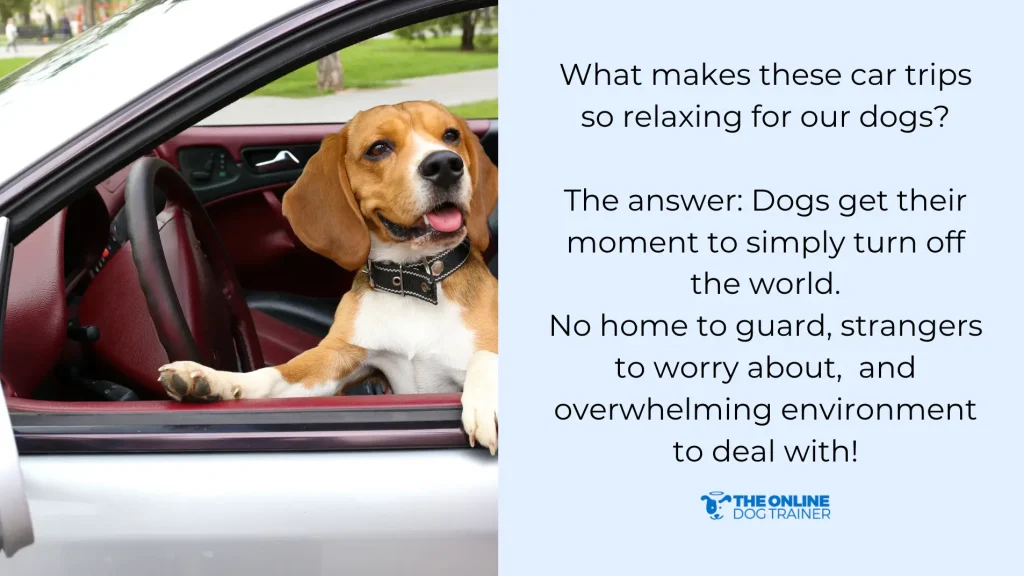
Traveling with your dog can be exciting, but it can also be stressful—especially if your furry friend gets anxious in the car. You want your pet to feel safe and relaxed, not restless or scared.
If you’ve ever struggled with a dog that whines, pants, or tries to escape during car rides, you’re not alone. The good news is, there are simple steps you can take to keep your dog calm and comfortable on every trip.
Keep reading to discover effective tips that will make car rides a breeze for both you and your best friend.
Credit: www.rd.com
Preparing Your Dog For Car Rides
Car rides can make dogs nervous or excited. Preparing your dog helps keep them calm and safe during trips.
Start training your dog before long drives. This makes rides more comfortable for both of you.
Familiarizing With The Car
Let your dog explore the car while it is parked. Allow them to sniff and sit inside without moving the car.
Open doors and let your dog come and go freely. This helps reduce fear and builds positive feelings.
- Place your dog’s bed or blanket in the car
- Bring favorite toys or treats
- Spend quiet time inside the car with your dog
Short Practice Trips
Take brief drives around the block or to a nearby park. Keep trips short to avoid overwhelming your dog.
Gradually increase the length of car rides. This builds your dog’s comfort and confidence in the car.
- Start with 5-minute drives
- Stop for a walk or playtime after each trip
- Watch your dog’s behavior during rides
Using Positive Reinforcement
Reward your dog with treats and praise during and after car rides. This encourages calm and good behavior.
Use calm tones and gentle petting to soothe your dog. Positive rewards help your dog feel safe and happy.
- Give treats when your dog enters the car
- Praise calmly during the ride
- Offer a favorite toy to keep them busy

Credit: proflax.co.uk
Creating A Comfortable Environment
Keeping a dog calm in the car starts with making the space cozy and safe. Dogs feel better when their surroundings are familiar and secure.
Small changes in the car can help your dog relax during the trip. This guide shows how to create a calm environment for your dog.
Choosing The Right Restraint
Using a proper restraint keeps your dog safe and reduces anxiety. Dogs that feel secure move less and stay calm.
There are different options like seat belts, crates, and harnesses. Pick one that fits your dog’s size and comfort.
- Seat belts specially made for dogs
- Crates with soft bedding inside
- Harnesses that attach to the car seat
Providing A Cozy Space
A cozy space helps your dog feel safe and relaxed. Use blankets or dog beds to make the area soft and warm.
Bring your dog’s favorite toy or blanket. Familiar smells comfort dogs and reduce stress during travel.
- Soft blankets or dog beds
- Favorite toys or chew items
- Items with your dog’s scent
Maintaining Comfortable Temperature
Keep the car at a steady, comfortable temperature. Dogs can get too hot or cold quickly inside a vehicle.
Use air conditioning or windows to control airflow. Avoid direct sunlight on your dog’s spot to prevent overheating.
- Set car temperature between 68°F and 75°F
- Use sunshades on windows
- Open windows slightly for fresh air
Calming Techniques During The Ride
Traveling with a dog can be stressful for both the pet and the owner. Using calming techniques helps keep your dog relaxed during the car ride.
Simple methods like music, scents, and touch can make a big difference. These techniques help reduce anxiety and make the trip more pleasant.
Playing Soothing Music
Soft and gentle music can calm dogs during car rides. Choose music with slow rhythms and low tones to help your dog relax.
Keep the volume low so it does not startle your dog. Classical music or specially made pet music works well.
- Use slow-tempo songs
- Avoid loud or sudden sounds
- Play music consistently during the trip
Using Calming Scents
Certain scents can help reduce stress for dogs in the car. Lavender and chamomile are known to have calming effects.
Use a pet-safe diffuser or spray a small amount on a blanket. Make sure your dog is not allergic to the scent before use.
- Lavender scent promotes relaxation
- Chamomile helps calm nervous dogs
- Use only pet-safe products
- Test scent in small amounts first
Gentle Touch And Reassurance
Physical contact helps comfort dogs during stressful situations. Gentle petting or soft strokes can lower anxiety levels.
Talk to your dog in a calm voice. Reassure them with slow movements and a steady presence.
- Pet your dog softly on the head or back
- Use a calm and soothing voice
- Avoid sudden movements
- Stay close to your dog when possible
Managing Motion Sickness And Anxiety
Many dogs feel uneasy during car rides. Motion sickness and anxiety are common causes of discomfort. Keeping your dog calm helps make trips safer and more pleasant.
Understanding how to manage these issues can improve your dog’s travel experience. This guide explains how to recognize symptoms, adjust diet and medication, and when to see a vet.
Recognizing Symptoms
Dogs show different signs when they feel sick or scared in the car. Watch for these common symptoms to help your dog early.
- Drooling more than usual
- Yawning or licking lips repeatedly
- Whining, barking, or howling
- Shaking or trembling
- Restlessness or trying to escape
- Vomiting or nausea
- Heavy panting even when cool
Not all dogs show clear signs. Some may become quiet but still feel anxious. Watch your dog closely during trips.
Diet And Medication Options
Changing what your dog eats before a trip can reduce motion sickness. Feed small meals a few hours before travel. Avoid heavy or greasy food.
Some dogs benefit from natural remedies or medications. Ginger treats may help calm upset stomachs. Over-the-counter products like anti-nausea chews can work, but check with a vet first.
- Feed a light meal 3-4 hours before the trip
- Offer water regularly but not in excess
- Try ginger-based treats to soothe the stomach
- Use calming supplements designed for dogs
- Consider vet-approved motion sickness medicine
Consulting A Veterinarian
Visit your vet if your dog shows severe anxiety or sickness during car rides. The vet can diagnose the problem and suggest the best treatment.
Veterinarians may prescribe medication to control nausea or anxiety. They can also give advice on behavior training and safety tips for travel.
- Describe your dog’s symptoms clearly
- Ask about safe medications for motion sickness
- Discuss natural remedies and supplements
- Request guidance on calming techniques
- Follow the vet’s instructions carefully
Safety Tips For Stress-free Travel
Traveling with your dog in a car can be fun but also stressful. Keeping your dog calm helps you drive safely.
Use simple tips to reduce your dog’s anxiety and keep them comfortable during trips.
Avoiding Sudden Movements
Sudden stops or sharp turns can scare your dog. Drive smoothly to keep your dog calm and safe.
Slow down early for turns and stops. This helps your dog feel more secure inside the car.
Taking Breaks On Long Trips
Long car rides can make dogs restless. Stop every two hours to let your dog stretch and relieve stress.
- Find safe spots to take breaks
- Give fresh water to your dog
- Let your dog walk and use the bathroom
Keeping Windows Secure
Open windows can help with fresh air, but keep them safe. Dogs should not stick their heads out of the window.
Use window guards or keep windows partially closed to protect your dog from injury and prevent escape.

Credit: www.amazon.com
Frequently Asked Questions
How Can I Calm My Dog During Car Rides?
Use a familiar blanket or toy to comfort your dog. Speak softly and avoid sudden movements. Play calming music and take regular breaks for water and walks.
What Are The Best Car Safety Tips For Dogs?
Secure your dog with a harness or crate. Never let your dog ride with its head out the window. Keep windows partially open for ventilation but safe.
Why Does My Dog Get Anxious In The Car?
Dogs may associate car rides with negative experiences. Motion sickness and unfamiliar sounds can increase anxiety. Gradual exposure and positive reinforcement help reduce stress.
How Long Should I Drive To Keep My Dog Comfortable?
Limit car rides to under two hours initially. Take breaks every 30 minutes to let your dog stretch and relieve itself. Gradually increase ride length to build tolerance.
Conclusion
Keeping a dog calm in a car takes patience and care. Start with short rides to build comfort. Bring favorite toys or treats for distraction. Speak softly and stay calm yourself. Regular breaks help your dog relax and stretch. Always secure your dog safely in the car.
With time, your dog will enjoy travel more. Safe, calm journeys make trips better for both of you. Practice these steps to keep your dog happy on the road.

Emily Barker is the founder of ChillDogLife.com, a space dedicated to helping pup parents discover the best dog products, lifestyle tips, and cozy ideas for happier homes.
A lifelong dog lover, Emily combines her passion for pets with a knack for research to share trusted recommendations on everything from toys and furniture to health and everyday care.
Her goal is simple: to make life easier, stylish, and more joyful for dogs and the people who love them.




