
Grooming your small dog isn’t just about keeping them looking good—it’s about their health and happiness too. You might think it’s tricky or time-consuming, but with the right tips, it can become a simple, enjoyable part of your routine.
Imagine your furry friend feeling fresh, comfortable, and loved every day. Ready to learn how to make grooming easy and stress-free for both of you? Keep reading, and you’ll discover the secrets to caring for your small dog like a pro.
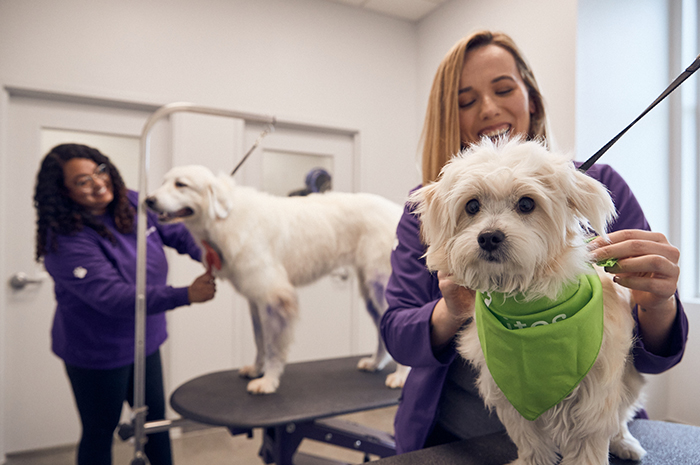
Credit: www.petsuitesofamerica.com
Choosing The Right Tools
Grooming small dogs needs the right tools for safety and comfort. Using proper equipment makes grooming easier and keeps your dog happy.
Learn about the best supplies to pick and how to use them well for your small dog’s grooming routine.
Essential Grooming Supplies
Every small dog owner should have basic grooming supplies at home. These help keep your dog clean and neat between professional trims.
- Soft towels for drying
- Shampoo made for dogs
- Nail clippers designed for small paws
- Brushes made for fine hair
- Ear cleaning solution
- Styptic powder for minor cuts
Selecting Brushes For Small Breeds
Small dogs need gentle brushes to avoid skin irritation. Choose brushes based on your dog’s hair type and length.
| Brush Type | Best For | Description |
| Slicker Brush | Curly or wavy hair | Removes tangles and loose fur |
| Bristle Brush | Short, smooth coats | Polishes coat and removes dirt |
| Pin Brush | Medium to long hair | Untangles and smooths hair gently |
| Comb | All coat types | Helps with small mats and finishing |
Choosing Safe Clippers And Scissors
Use clippers and scissors made for small dogs to avoid accidents. Tools should fit your hand and be sharp for clean cuts.
- Pick clippers with adjustable blade sizes for different cuts
- Choose scissors with rounded tips for safety
- Look for quiet clippers to reduce dog stress
- Keep tools clean to prevent infections

Credit: www.youtube.com
Preparing Your Dog
Grooming a small dog starts with good preparation. This helps your pet stay calm and comfortable.
Taking time to prepare makes grooming easier and safer for both of you.
Creating A Calm Environment
Choose a quiet place without loud noises or distractions. This helps your dog feel safe.
Use soft lighting and keep the room warm. Calm music or soft talking can soothe your pet.
Brushing Before Bathing
Brush your dog’s fur before the bath to remove loose hair and tangles. This makes washing easier.
Use a brush suitable for your dog’s coat type. Be gentle to avoid hurting their skin.
- Start brushing from the head to the tail
- Brush small sections at a time
- Check for mats or knots and gently untangle
Checking For Skin Issues
Look closely at your dog’s skin for redness, bumps, or sores. Early detection helps prevent problems.
Check areas like behind the ears, under the legs, and around the belly. These spots often show issues first.
- Note any unusual smells or discharge
- Look for dry or flaky patches
- Watch for signs of itching or discomfort
Bathing Techniques
Bathing small dogs requires care and the right methods. Proper bathing keeps their skin healthy and coat clean.
Use gentle steps and safe products to make bath time comfortable for your pet.
Picking The Best Shampoo
Choose shampoos made for small dogs or sensitive skin. Avoid harsh chemicals that can irritate their skin.
- Look for tear-free formulas to protect eyes.
- Pick shampoos with natural ingredients like oatmeal or aloe vera.
- Avoid products with strong fragrances or dyes.
- Consult your vet if your dog has allergies or skin problems.
Water Temperature And Safety
Use warm water that feels comfortable to your wrist. Water that is too hot or cold can upset your dog.
| Water Temperature | Effect |
| Too Cold (Below 70°F) | Can cause discomfort or chills |
| Warm (Between 85°F and 90°F) | Best for comfort and cleaning |
| Too Hot (Above 95°F) | May burn skin or cause stress |
Keep water away from your dog’s ears and eyes. Use a gentle flow or a cup to rinse carefully.
Drying Methods For Small Dogs
Dry your dog gently to avoid skin irritation. Small dogs may feel cold after a bath.
- Use a soft towel to pat dry the coat, not rub.
- Blow dry on a low, cool setting if your dog tolerates it.
- Keep the dryer moving to avoid hot spots.
- Brush the fur while drying to prevent tangles.
- Make sure your dog is fully dry before going outside.
Haircut Styles
Grooming small dogs requires careful attention to their haircut styles. Choosing the right cut helps keep them comfortable and looking neat.
Different breeds need different styles. This guide covers popular cuts, trimming tips, and common mistakes to avoid.
Popular Cuts For Small Breeds
Small dog breeds often look best with these haircut styles. Each style suits different coat types and activity levels.
- Teddy Bear Cut:Rounded face with medium length hair for a soft, fluffy look.
- Puppy Cut:Even length all over, easy to maintain and keeps dogs cool.
- Top Knot:Hair on the head tied up, good for long-haired small dogs.
- Short Clip:Very short trim for active dogs who get dirty easily.
- Lion Cut:Hair trimmed short on the body with longer hair on the neck and tail.
Trimming Tips For A Neat Finish
Trimming small dogs takes patience and the right tools. Use sharp scissors and clippers designed for pets.
- Brush the coat to remove tangles before trimming.
- Work in small sections to keep control.
- Trim slowly around sensitive areas like the face and paws.
- Check for even length regularly during the cut.
- Use a comb to lift hair and trim underneath for a clean look.
Avoiding Common Haircut Mistakes
| Mistake | How to Avoid |
|---|---|
| Cutting too short | Start longer and trim more if needed |
| Uneven length | Trim little by little and check often |
| Ignoring skin safety | Use proper tools and avoid clipping close to skin |
| Not calming the dog | Take breaks and speak softly to reduce stress |
| Skipping brushing | Always brush before cutting to remove knots |
Nail Care
Small dogs need regular nail care to stay healthy and comfortable. Trimming nails helps prevent pain and injury.
Proper tools and techniques keep the process safe and stress-free for your pet.
Tools For Trimming Nails
Choose the right tools to make nail trimming easier and safer for small dogs.
- Small dog nail clippers or scissors
- Emery board or nail file to smooth edges
- Styptic powder to stop bleeding if needed
- Good lighting to see nails clearly
How To Avoid Cutting Too Deep
Cutting nails too short can hurt your dog and cause bleeding. Learn to avoid this.
| Tip | Explanation |
| Check the quick | Look for the pink area inside the nail; avoid cutting it. |
| Trim small amounts | Cut a little bit at a time to stay safe. |
| Use a sharp tool | Dull clippers can crush the nail instead of clean cutting. |
| Stop if you see pink | Stop cutting when the nail looks translucent or pinkish. |
Managing Nail Care Anxiety
Some small dogs feel scared or nervous during nail trimming. Help them stay calm.
- Give treats before, during, and after trimming
- Talk softly and use a gentle touch
- Trim nails slowly in short sessions
- Let your dog explore the tools before use
- Use a calm, quiet space free from distractions

Credit: www.youtube.com
Ear And Teeth Care
Grooming small dogs is important to keep them healthy. Taking care of their ears and teeth helps prevent problems.
Good ear and teeth care makes your dog comfortable and happy. Regular cleaning stops infections and bad breath.
Cleaning Small Dog Ears Safely
Use a gentle ear cleaner made for dogs. Avoid using cotton swabs deep in the ear. They can hurt your dog.
Wipe the ear flap and inside the ear with a soft cloth or cotton ball. Be gentle and patient during cleaning.
- Check ears weekly for dirt or wax
- Use a vet-approved ear cleaner
- Do not push anything deep into the ear canal
- Dry ears well after cleaning
Preventing Ear Infections
Keep your dog’s ears dry after baths and swimming. Moisture can cause infections to grow fast.
Look for signs like redness, bad smell, or scratching. These may mean your dog has an ear infection.
- Dry ears carefully after water exposure
- Clean ears regularly but not too often
- Watch for swelling or discharge
- Visit the vet if you notice infection signs
Brushing Teeth Effectively
Brush your dog’s teeth daily or several times a week. Use a toothbrush made for dogs and dog toothpaste.
Start slow and be gentle. Let your dog get used to the brush and taste of the toothpaste.
- Choose a soft dog toothbrush
- Use dog-safe toothpaste only
- Brush in small circles on all teeth
- Give praise and treats after brushing
Maintaining Grooming Between Sessions
Grooming small dogs regularly keeps them healthy and happy. Between grooming sessions, some care helps maintain their coat and skin.
Small dogs need daily attention to avoid mats and keep their fur clean. Simple routines make a big difference in their comfort.
Regular Brushing Routines
Brushing small dogs often stops tangles and removes loose hair. It spreads natural oils that shine the coat.
- Brush your dog’s coat at least three times a week.
- Use a soft-bristle brush for sensitive skin.
- Focus on areas behind ears and under legs.
- Check the brush for trapped hair and clean it.
Spot Cleaning Tips
Spot cleaning keeps your dog fresh between baths. Use gentle wipes or a damp cloth to clean dirty spots.
| Cleaning Method | Best For |
| Wet cloth | Small dirt spots on fur |
| Pet-safe wipes | Face and paws |
| Dry shampoo | Quick odor removal |
Monitoring Skin And Coat Health
Healthy skin means a happy dog. Watch for redness, flakes, or bumps during grooming.
- Look for dry or oily patches on the skin.
- Note any unusual hair loss or bald spots.
- Check for fleas or ticks regularly.
- Contact a vet if you find sores or irritation.
When To Seek Professional Help
Grooming small dogs can be tricky for pet owners. Sometimes, you need expert help to keep your dog healthy and clean.
Knowing when to visit a professional groomer helps avoid skin problems and discomfort for your dog.
Signs Your Dog Needs Expert Grooming
Your dog may need a professional groomer if you notice these signs:
- Matted or tangled fur that is hard to brush out
- Overgrown nails causing walking difficulties
- Skin irritation or bad odor
- Excessive shedding that you cannot manage
- Difficulty cleaning sensitive areas like ears and eyes
Choosing The Right Groomer
Pick a groomer who understands small dog breeds and their needs. Look for someone who is patient and gentle with pets.
Ask about the tools and products they use. Safe and quality materials help protect your dog’s skin and coat.
Cost And Frequency Considerations
| Grooming Service | Average Cost | Suggested Frequency |
| Basic Bath and Brush | $30 – $50 | Every 4 to 6 weeks |
| Nail Trimming | $10 – $20 | Every 3 to 4 weeks |
| Full Grooming (Cut and Style) | $50 – $90 | Every 6 to 8 weeks |
| Special Treatments (Skin, Teeth) | $20 – $40 | As needed |
Frequently Asked Questions
How Often Should I Groom My Small Dog?
Small dogs should be groomed every 4 to 6 weeks. Regular grooming keeps their coat healthy and reduces shedding. It also helps spot skin issues early and maintains overall hygiene.
What Tools Are Best For Grooming Small Dogs?
Use a slicker brush, comb, nail clippers, and dog-friendly shampoo. These tools help remove tangles, trim nails, and keep the coat clean. Choose tools designed for small breeds to ensure comfort.
Can I Bathe My Small Dog At Home Safely?
Yes, bathing small dogs at home is safe with proper care. Use lukewarm water and mild dog shampoo. Avoid water in their ears and dry them thoroughly to prevent infections.
How Do I Trim My Small Dog’s Nails Properly?
Trim nails carefully using dog nail clippers, avoiding the quick. If unsure, trim a small amount and repeat weekly. Regular nail care prevents discomfort and joint problems.
Conclusion
Grooming small dogs requires patience and care. Regular grooming keeps them healthy and happy. Start with gentle brushing to remove tangles. Bathe them with mild shampoo. Trim their nails carefully. Check ears for dirt and clean gently. Brush teeth to prevent dental issues.
Reward them with treats for good behavior. A well-groomed dog feels loved. They enjoy the attention and care. Grooming strengthens your bond with them. Practice makes it easier each time. Keep tools handy and stay calm. Follow these tips for a neat, happy pet.
Your small dog deserves the best care. Enjoy the grooming process together!

Emily Barker is the founder of ChillDogLife.com, a space dedicated to helping pup parents discover the best dog products, lifestyle tips, and cozy ideas for happier homes.
A lifelong dog lover, Emily combines her passion for pets with a knack for research to share trusted recommendations on everything from toys and furniture to health and everyday care.
Her goal is simple: to make life easier, stylish, and more joyful for dogs and the people who love them.




