
Is your dog coughing nonstop and acting restless? Kennel cough might be the culprit, and it can be tough to watch your furry friend struggle.
You want to help your dog feel better fast, but where do you start? This guide will walk you through simple, effective ways to get rid of kennel cough and bring back your dog’s happy, healthy bark. Keep reading—you’ll find easy tips that make a real difference for your pet’s comfort and recovery.
Symptoms Of Kennel Cough
Recognizing the symptoms of kennel cough early helps protect your dog’s health. This common respiratory infection spreads quickly in places with many dogs. Knowing what signs to watch for can prevent serious problems. It also helps you take care of your dog faster.
Common Signs To Watch For
- A strong, dry cough that sounds like a honk
- Gagging or retching after coughing
- Runny nose or sneezing
- Low energy or tiredness
- Loss of appetite
- Mild fever in some dogs
- Watery or red eyes
These symptoms usually start mildly but can get worse. Your dog may still eat and play but shows signs of discomfort.
When To See A Vet
- Cough lasts more than two weeks
- Difficulty breathing or rapid breathing
- High fever above 103°F (39.4°C)
- Weakness or collapse
- Loss of appetite for several days
- Signs of pneumonia, such as coughing up mucus or blood
Prompt veterinary care helps avoid complications. The vet can confirm diagnosis and suggest treatment options.

Credit: oimmal.com
Causes And Transmission
Kennel cough is a common illness in dogs, much like a cold in humans. It spreads through the air and can easily affect dogs in close quarters. Understanding its causes and how it spreads is key to prevention. Knowing the factors that increase risk helps in safeguarding your furry friend.
How Dogs Catch Kennel Cough
Dogs catch kennel cough through airborne bacteria and viruses. It spreads when an infected dog sneezes or coughs. Close contact in spaces like kennels increases this risk. Shared items like water bowls can also be a source. Infected dogs are usually contagious for several days.
Risk Factors And Environments
Certain environments heighten the risk of catching kennel cough. Crowded places like dog parks and boarding facilities are common spots. Stress weakens a dog’s immune system, making them more susceptible. Puppies and senior dogs are more at risk due to weaker immunity. Poor ventilation in dog areas can also contribute to the spread.
Home Remedies For Kennel Cough
Dealing with kennel cough in your dog can be stressful, but some simple home remedies can help soothe their symptoms and speed up recovery. These remedies focus on comfort, reducing irritation, and supporting your dog’s immune system naturally. Let’s look at some effective ways to care for your furry friend right at home.
Rest And Isolation
Rest is crucial for dogs with kennel cough. It helps their body focus energy on healing instead of activity. Make sure your dog has a quiet, comfortable place to relax away from other pets to prevent spreading the infection.
Isolation also protects other dogs from catching kennel cough. If you have multiple pets, keep your sick dog separated until the cough fully clears. Have you noticed how your dog seems more tired or less playful? That’s a sign they need more downtime.
Honey And Natural Soothers
Honey can be a gentle and effective way to soothe your dog’s irritated throat. A small amount, about half a teaspoon for small dogs and a teaspoon for larger ones, given a few times a day, can reduce coughing fits.
Natural soothers like slippery elm or marshmallow root supplements can also calm throat inflammation. These options are easy to find and safe for dogs, but always check with your vet before starting any new remedy. Have you tried giving your dog a spoonful of honey during a coughing episode?
Humidifiers And Steam Therapy
Dry air often worsens kennel cough symptoms. Using a humidifier in the room where your dog rests can add moisture to the air and ease their breathing. This simple step can make a noticeable difference in comfort.
Steam therapy is another option. Sit with your dog in a steamy bathroom for 10-15 minutes to help loosen mucus and reduce coughing. Just be careful not to expose your dog to water that’s too hot or to keep them in steam for too long.
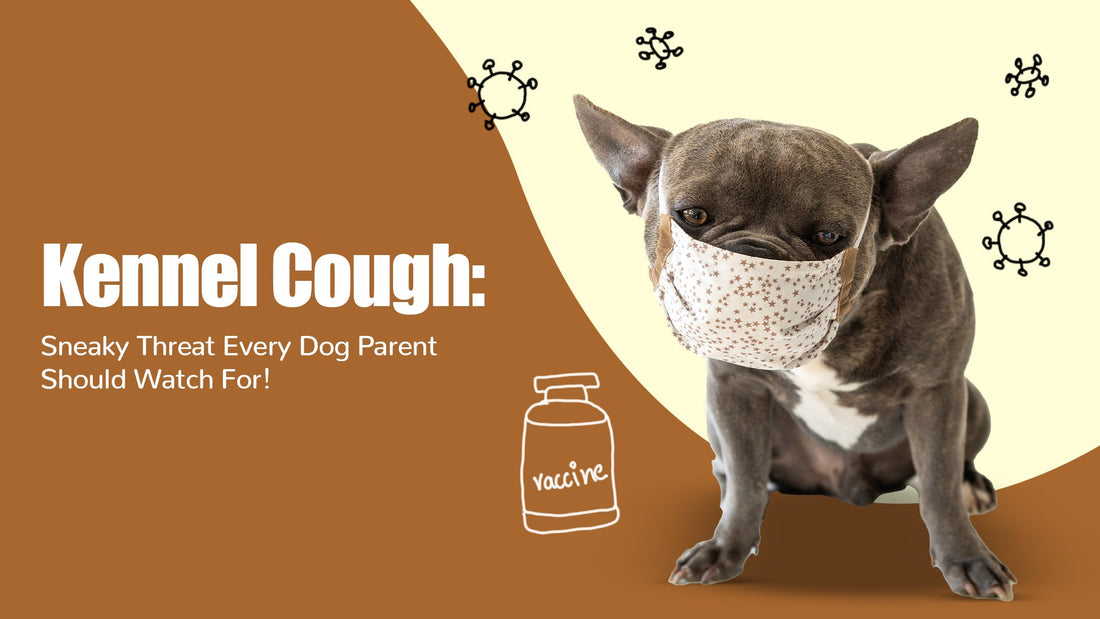
Credit: zigly.com
Veterinary Treatments
Veterinary treatments play a key role in managing dog kennel cough. A vet can diagnose the infection and suggest the right treatment plan. Proper care helps reduce symptoms and speeds up recovery. Treatments vary based on how severe the cough is and your dog’s overall health.
Antibiotics And Medications
Antibiotics fight bacterial infections causing kennel cough. Vets prescribe these when bacteria are present or to prevent a secondary infection. It is important to finish the full course of antibiotics. Stopping early can make the infection worse or return.
Other medications may include anti-inflammatory drugs. These reduce swelling in the airways and ease breathing. Your vet will decide which medicine is best for your dog’s condition.
Cough Suppressants
Cough suppressants help calm persistent, dry coughing. They make your dog more comfortable and allow better rest. Some cough medicines are safe for dogs, but only use those prescribed by a vet.
Not all kennel cough cases need suppressants. They are usually given if the cough is harsh or disrupts sleep. Avoid giving human cough medicines without veterinary advice.
When Hospitalization Is Needed
Severe kennel cough may require hospital care. Dogs with breathing problems or high fever might need close monitoring. Vets provide oxygen therapy and intravenous fluids in the clinic.
Hospitalization ensures fast treatment and prevents complications. Early care can stop kennel cough from turning into pneumonia or worse conditions.
Preventing Kennel Cough
Preventing kennel cough helps keep dogs healthy and happy. This contagious illness spreads fast in places with many dogs. Taking steps to stop it protects your pet from coughing, sneezing, and other discomforts. Prevention focuses on reducing exposure and strengthening your dog’s immune system.
Vaccination Options
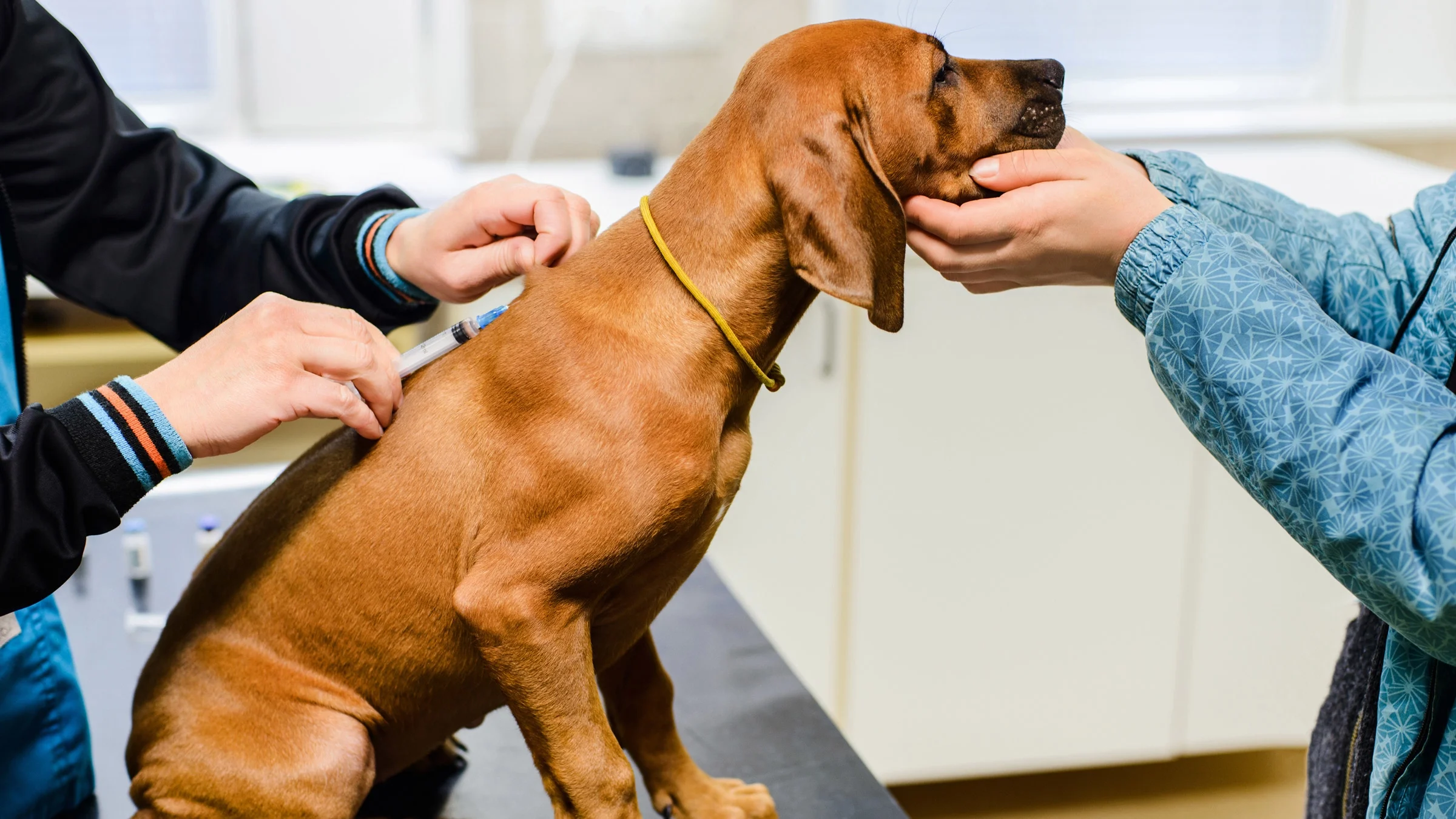
Vaccines provide strong protection against kennel cough. Your vet can recommend the best vaccine type for your dog. Some vaccines protect against multiple germs that cause kennel cough. The vaccine is given as a nasal spray or injection. Regular boosters keep immunity strong. Vaccination lowers the chance of infection and spreads less disease.
Hygiene And Kennel Practices
Clean kennels reduce germs that cause kennel cough. Disinfect surfaces, bowls, and bedding often. Use safe cleaning products that kill viruses and bacteria. Provide fresh air and avoid overcrowding in kennels. Separate sick dogs quickly to stop spreading. Wash your hands after handling dogs. Good hygiene keeps the environment safe and healthy.
Avoiding High-risk Situations
Some places increase the risk of kennel cough. Avoid crowded dog parks and busy boarding kennels. Limit your dog’s contact with unknown dogs during outbreaks. Keep dogs with weak immunity away from group events. Monitor local kennel cough reports to stay informed. Reducing exposure lowers the chance your dog catches kennel cough.
Recovery And Aftercare
Helping your dog recover from kennel cough requires careful attention and consistent care. The recovery phase is just as important as the treatment itself. How you manage your dog’s aftercare can greatly influence their comfort and speed of healing.
Monitoring Your Dog’s Progress
Keep a close eye on your dog’s symptoms daily. Note any changes in coughing frequency, energy levels, and appetite.
If you see worsening symptoms like labored breathing or persistent fever, contact your vet immediately. Small improvements, such as less coughing at night or more playfulness, show your dog is on the mend.
Diet And Hydration Tips
Provide a balanced diet rich in nutrients to support your dog’s immune system. Soft, easy-to-eat foods can be helpful if your dog has a sore throat.
Always offer fresh water to keep your dog hydrated. Dehydration can slow recovery and worsen coughing. Warm broths can encourage drinking and soothe the throat.
Avoiding Recurrence
To prevent kennel cough from returning, limit your dog’s exposure to crowded dog parks or boarding facilities during recovery. Ensure your dog’s vaccinations are up to date, especially the Bordetella vaccine.
Clean your dog’s bedding and toys regularly to reduce bacteria and viruses. Have you thought about how often your dog interacts with other dogs or uses shared spaces? Managing these factors can keep kennel cough at bay.
Credit: www.goodrx.com
Frequently Asked Questions
What Are The Common Symptoms Of Dog Kennel Cough?
Kennel cough symptoms include a persistent dry cough, sneezing, runny nose, and mild fever. Dogs may also show lethargy and loss of appetite. Early detection helps in prompt treatment and faster recovery.
How Can I Treat Kennel Cough At Home?
Provide your dog with plenty of rest and fresh water. Use a humidifier to ease coughing. Avoid strenuous exercise and keep your dog away from other pets. Consult your vet for appropriate medications.
When Should I See A Vet For Kennel Cough?
See a vet if your dog’s cough lasts over two weeks or worsens. Immediate care is needed for difficulty breathing, high fever, or loss of appetite. Early veterinary advice prevents complications.
Can Kennel Cough Be Prevented In Dogs?
Yes, vaccination helps prevent kennel cough. Avoid crowded places like dog parks during outbreaks. Maintain good hygiene and keep your dog away from infected animals. Regular vet visits support overall health.
Conclusion
Treating kennel cough early helps your dog feel better fast. Keep your dog away from other dogs during recovery. Use clean water and a healthy diet to support healing. Always follow your vet’s advice for the best results. Watch for signs that need extra care.
With patience and care, your dog can recover fully. Stay calm and keep your dog comfortable. Helping your pet is easier than you think.

Emily Barker is the founder of ChillDogLife.com, a space dedicated to helping pup parents discover the best dog products, lifestyle tips, and cozy ideas for happier homes.
A lifelong dog lover, Emily combines her passion for pets with a knack for research to share trusted recommendations on everything from toys and furniture to health and everyday care.
Her goal is simple: to make life easier, stylish, and more joyful for dogs and the people who love them.




