
If you’re like most dog owners, you know how important it is to keep your furry friend’s toys clean. But have you ever wondered how to clean dog toys in the washing machine safely and effectively?
You want to make sure your pet’s toys are free from dirt, germs, and odors without damaging them. You’ll discover simple, step-by-step tips that make cleaning dog toys quick and hassle-free. Keep reading to learn the best methods to keep your dog’s favorite toys fresh and safe for endless playtime fun!
Credit: www.heysunday.com
Choosing Machine-safe Dog Toys
Choosing the right dog toys for machine washing keeps them clean and safe. Not all toys handle the washing machine well. Picking toys made from durable materials helps maintain their shape and safety.
Check toy labels for washing instructions. Some toys are made to last through many washes. Others can break apart or get damaged quickly. Knowing which toys can survive machine washing saves time and effort.
Materials That Withstand Washing
Look for toys made from strong fabrics. Canvas, rubber, and nylon often work well in washing machines. These materials resist tearing and do not absorb too much water.
- Canvas toys dry quickly and keep their shape.
- Rubber toys are tough and easy to clean.
- Nylon toys handle washing without fraying.
Soft plush toys might be okay if they have reinforced stitching. Check the label to confirm machine wash safety.
Avoiding Delicate Or Electronic Toys
Do not put delicate or electronic toys in the washer. Toys with batteries or sound devices can break or leak. Soft toys with loose parts may fall apart.
- Electronic toys can be damaged by water.
- Delicate fabrics may tear or shrink.
- Toys with glued parts might come apart.
Keep these toys clean by hand washing or wiping with a damp cloth.

Credit: www.earthrated.com
Preparing Toys For The Wash
Cleaning dog toys in the washing machine keeps them fresh and safe for your pet. Preparing toys properly before washing helps protect both the toys and your machine. This step removes dirt and checks for any damage that could cause problems during washing.
Removing Excess Dirt And Debris
Start by shaking off loose dirt and debris from the toys. Use a brush or cloth to wipe away mud, hair, or food particles. This prevents the washing machine filter from clogging. Rinse toys with water to wash off stubborn dirt. Removing excess grime helps the washing machine clean more effectively.
Checking For Damage And Repairs
Inspect each toy carefully for tears, holes, or broken parts. Damaged toys can fall apart in the machine, causing damage to the washer or other toys. Fix small tears with strong thread or fabric glue. Discard toys that are too worn or unsafe. Only wash toys in good condition to keep your pet safe and your machine running smoothly.
Selecting The Right Wash Settings
Choosing the right wash settings is important to keep dog toys clean and safe. The washing machine settings affect how well the toys get cleaned and how long they last. Using the correct temperature and cycle helps remove dirt and germs without damaging the toys. It also protects the washing machine from damage caused by rough toys.
Best Temperature For Cleaning
Warm water is usually the best choice for washing dog toys. It kills most bacteria and removes dirt effectively. Cold water may not clean as well, and hot water can damage some toy materials. Check the toy’s label if possible. Many dog toys do well in water around 30-40°C (86-104°F). This temperature cleans well and keeps the toys safe.
Choosing Gentle Cycles
Gentle cycles are best for washing dog toys. These cycles use slower spinning and softer agitation. They protect soft materials and prevent toys from tearing or losing shape. Avoid heavy or fast cycles, which can cause damage. Use a mesh laundry bag for smaller or delicate toys. This adds extra protection during the wash.

Credit: www.amazon.in
Using Safe Detergents And Additives
Choosing the right detergent and additives is key to cleaning dog toys safely in a washing machine. Regular detergents may contain harsh chemicals that can harm your pet’s health. Safe detergents keep toys clean without causing skin irritation or allergic reactions. They also protect the toy’s material, helping it last longer. Understanding which detergents and additives are safe helps maintain your dog’s health and hygiene.
Pet-friendly Detergent Options
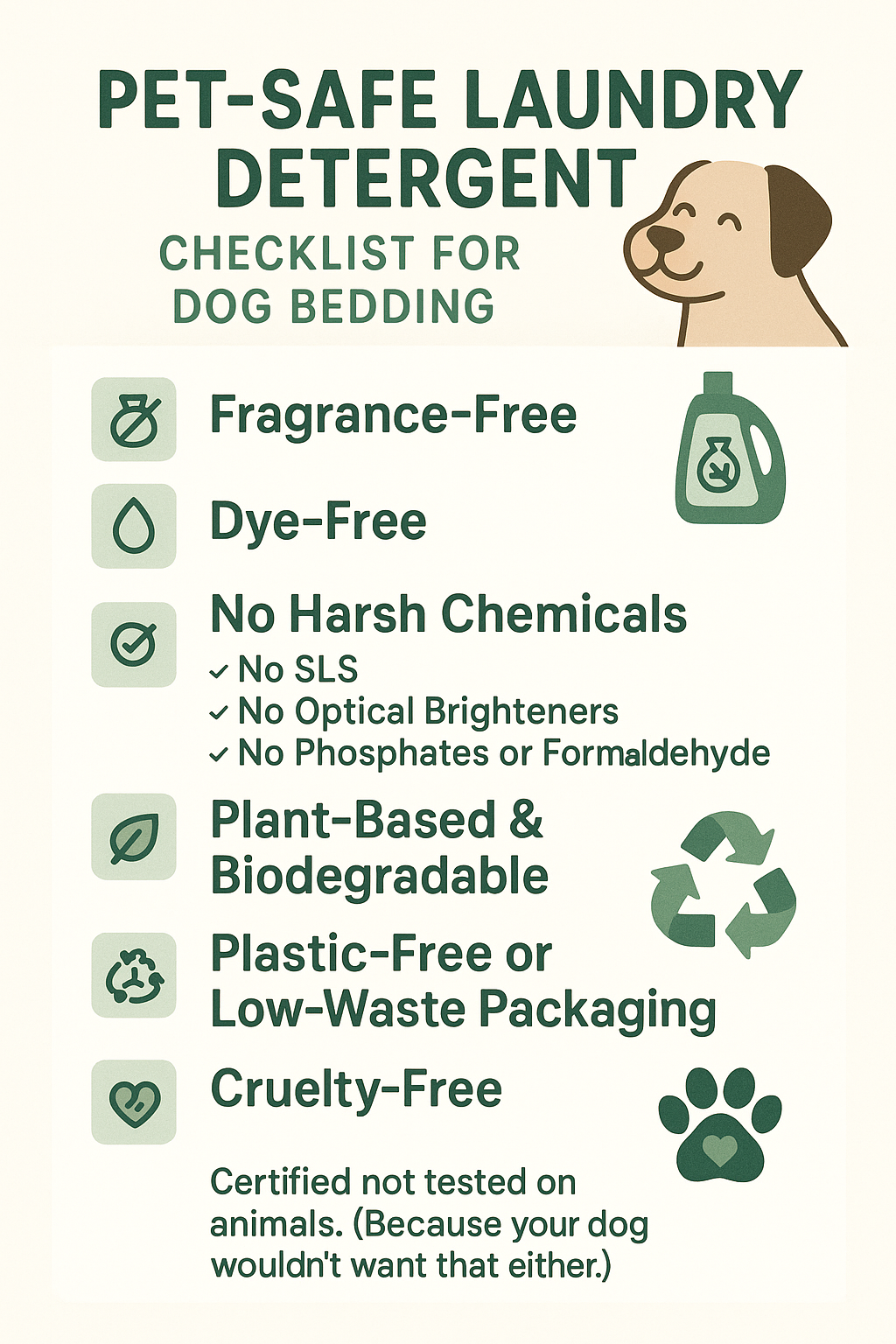
Use detergents labeled as pet-safe or hypoallergenic. These formulas avoid strong fragrances and dyes. Look for detergents made with natural ingredients like:
- Plant-based surfactants
- Essential oils without synthetic additives
- Biodegradable ingredients
These options clean effectively without leaving harmful residues. They are gentle on your dog’s skin and nose. Some popular pet-friendly brands also offer unscented versions. This reduces the chance of irritation or allergic reactions. Always check the label for safety information before using any detergent.
Avoiding Harmful Chemicals
Steer clear of detergents containing:
- Phosphates
- Chlorine bleach
- Artificial fragrances and dyes
- Optical brighteners
These chemicals can irritate your dog’s skin and cause health problems. They may also leave toxic residues on toys. Avoid fabric softeners and dryer sheets during washing. These products often contain harmful chemicals that pets can ingest. Choose simple, clean formulas to keep your dog safe and toys fresh.
Drying Dog Toys Properly
Drying dog toys properly after washing is just as important as cleaning them. If toys stay damp, they can quickly develop mold or unpleasant odors that your dog will definitely notice. Making the right choice between air drying and machine drying helps keep your furry friend’s toys safe and fresh.
Air Dry Vs. Machine Dry
Air drying dog toys is gentle and helps maintain their shape and durability. Simply lay the toys flat or hang them in a well-ventilated area. This method avoids heat damage, especially for toys with rubber or plastic parts.
Machine drying can be faster, but it’s not always safe for every toy. High heat might melt or warp synthetic materials. If you choose machine drying, use a low heat or delicate setting and check the toy’s label for any warnings.
Which drying method works best depends on the toy’s material and your schedule. Have you noticed that some toys last longer when air dried? That’s a good sign your dog’s toys need a gentler touch.
Preventing Mold And Odors
Moisture trapped inside dog toys invites mold and bacteria growth, causing bad smells and health risks. To prevent this, make sure toys are completely dry before giving them back to your dog.
Try these tips to keep toys fresh:
- Turn toys inside out or open compartments to expose hidden damp spots.
- Dry toys in direct sunlight when possible; UV rays help kill germs naturally.
- Store dry toys in a breathable container, avoiding sealed plastic bins that trap moisture.
Have you ever smelled a toy right after washing it? That sour scent is a warning sign. Catching dampness early saves you from dealing with stinky, moldy toys that your dog might refuse to play with.
Frequency Of Washing Dog Toys
Keeping dog toys clean is important for your pet’s health and happiness. Knowing how often to wash them helps prevent germs and bad smells. Regular cleaning stops dirt buildup and keeps toys safe to chew.
Signs Toys Need Cleaning
- Visible dirt or stains on the toy surface
- Unpleasant or strong odors coming from the toy
- Sticky or slimy texture on rubber or fabric toys
- Dog loses interest or refuses to play with the toy
- After your dog has been sick or chewed the toy outdoors
Recommended Cleaning Schedule
Wash soft fabric toys every 1 to 2 weeks to keep them fresh. Hard rubber or plastic toys can be cleaned monthly or more often if dirty.
For active chewers, washing toys twice a week helps reduce bacteria. If your dog shares toys with others, clean them more often to avoid spreading germs.
Always check the toy’s label for washing instructions before placing it in the machine.
Alternatives To Machine Washing
Machine washing is not always the best choice for cleaning dog toys. Some toys can get damaged, lose shape, or wear out quickly. Certain materials do not hold up well in the washing machine. There are simple alternatives that keep toys clean and safe for your dog. These methods take less time and use gentle cleaning solutions.
Hand Washing Techniques
Hand washing is a gentle way to clean dog toys. Use warm water and mild soap. Avoid harsh chemicals that might harm your pet. Scrub toys with a soft brush or cloth to remove dirt. Rinse thoroughly to remove all soap. Squeeze out excess water and air dry the toys. This method works well for plush toys and rubber balls.
Using Sanitizing Sprays
Sanitizing sprays kill germs on dog toys without soaking them. Choose pet-safe sprays that do not contain harmful ingredients. Spray the toy evenly and let it sit for a few minutes. Wipe off any residue with a clean cloth. This method is quick and ideal for toys that cannot be submerged in water. It helps keep toys fresh between deeper cleanings.
Frequently Asked Questions
Can All Dog Toys Be Machine Washed?
Not all dog toys are machine washable. Check labels or manufacturer guidelines first. Plush and fabric toys are usually safe. Hard toys like rubber or plastic may not be suitable. If unsure, hand wash to avoid damage.
What Detergent Should I Use For Dog Toys?
Use a mild, fragrance-free detergent when washing dog toys. Harsh chemicals can harm your pet. Avoid bleach or fabric softeners. These can leave harmful residues. Rinse thoroughly to remove any detergent traces.
How Often Should I Wash Dog Toys?
Wash dog toys every two weeks to maintain hygiene. More frequent washing is needed if toys are heavily used. Regular cleaning helps prevent bacteria buildup. This ensures your dog’s safety and health.
Can Squeaky Toys Be Washed In A Machine?
Squeaky toys can be machine washed if labeled safe. Remove squeakers before washing to avoid damage. Use a gentle cycle and mild detergent. Ensure toys are thoroughly dried before reinserting squeakers.
Conclusion
Cleaning dog toys in the washing machine keeps them fresh and safe. Use gentle cycles and mild detergent to protect the toys. Check labels to avoid damage or shrinking. Dry toys thoroughly before giving them back to your pet. Clean toys help stop germs and bad smells.
A clean toy means a happier, healthier dog. Keep this simple routine to maintain your dog’s favorite playthings. Easy steps, big benefits. Your dog will thank you.

Emily Barker is the founder of ChillDogLife.com, a space dedicated to helping pup parents discover the best dog products, lifestyle tips, and cozy ideas for happier homes.
A lifelong dog lover, Emily combines her passion for pets with a knack for research to share trusted recommendations on everything from toys and furniture to health and everyday care.
Her goal is simple: to make life easier, stylish, and more joyful for dogs and the people who love them.




