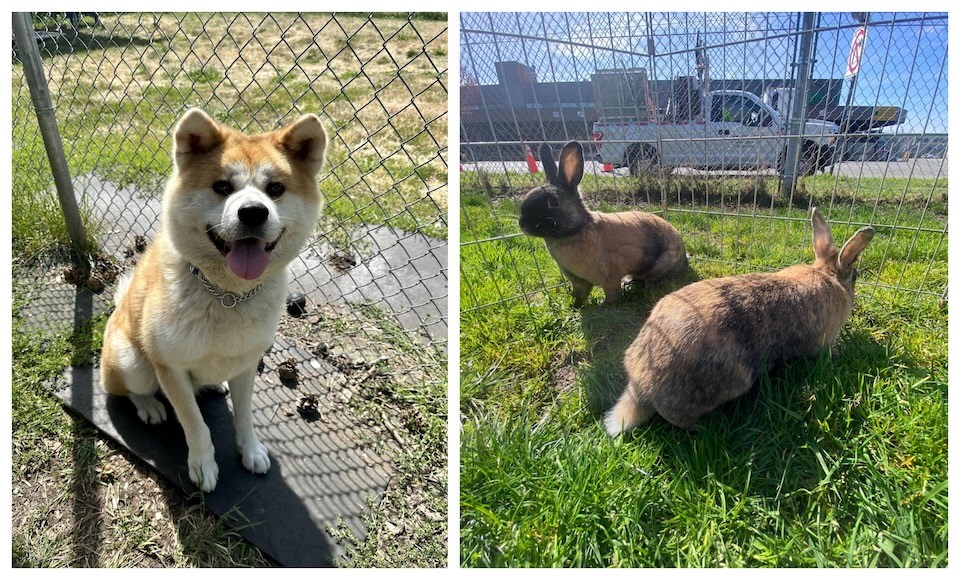
Thinking about adding a furry friend to your life? Adopting a dog can be one of the most rewarding decisions you ever make.
But it’s more than just bringing home a pet—it’s about welcoming a new family member. You might be wondering where to start, what to expect, or how to make sure you and your new dog are the perfect match. Keep reading, because this guide will walk you through every step, making the process simple and exciting.
By the end, you’ll feel ready and confident to give a dog a loving forever home.
Choosing The Right Dog
Choosing the right dog is a key step in adopting a happy, healthy pet. Matching a dog’s needs with your lifestyle helps ensure a strong bond. Consider several factors to find a dog that fits well with your daily routine and home environment.
Assessing Your Lifestyle
Think about your daily schedule and activity level. Dogs need time, attention, and exercise. Some breeds need long walks or playtime. Others are happy with short walks and indoor play. Consider your work hours, family members, and living space. A busy or small home might suit a calm, low-energy dog. More active people may prefer an energetic, playful dog. Be honest about how much time you can give.
Researching Breeds And Sizes
Different breeds have unique traits and care needs. Size matters for space and exercise requirements. Small dogs fit well in apartments and need less exercise. Large dogs need more space and daily activity. Some breeds shed more, some need regular grooming. Research breed traits like health issues and behavior. Mixed breeds often have balanced traits and are great companions. Use breed guides and shelter advice to learn more.
Considering Age And Temperament
Age affects training and energy levels. Puppies require time for training and socializing. Adult dogs usually have known behavior and may be calmer. Senior dogs need gentle care but can be very loving. Temperament is about personality. Some dogs are shy, others outgoing. Some get along with children and other pets, others prefer quiet homes. Meeting dogs before adoption helps understand their nature. Choose a dog that matches your family and home environment.
Preparing Your Home
Create a safe space by removing hazards and securing small items. Gather essentials like food, water bowls, and a comfy bed before bringing your dog home.
Adopting a dog is an exciting journey that begins right in your home. Before bringing your furry friend home, it’s crucial to prepare your space to ensure a seamless transition. With a little planning, you can create a welcoming environment where your new pet can thrive.Creating A Safe Space
A safe space is your dog’s sanctuary—a place they can retreat to when they feel overwhelmed. Choose a quiet corner of your home, away from high-traffic areas. A cozy bed, a few toys, and a water bowl can make this space inviting. When I adopted my dog, Luna, a small area in my living room became her haven. Watching her curl up there made the effort worthwhile.Gathering Essential Supplies
You’ll need a few key items before your dog’s arrival. A sturdy leash, a comfortable collar, and a set of ID tags are non-negotiable. Stock up on dog food that’s appropriate for your pet’s age and breed. Don’t forget bowls for food and water, grooming supplies, and a selection of toys to keep them entertained. Once, I forgot to buy a brush and had to deal with a tangled mess—learn from my mistake and prepare in advance!Setting Up A Routine
Dogs thrive on consistency, so establishing a routine is vital. Set regular times for feeding, walks, and play. This structure helps your pet feel secure and understand what to expect each day. Consider your own schedule and find times that work for both you and your pet. When Luna realized walks were always after breakfast, she would wag her tail in anticipation—it was a heartwarming routine we both loved. Are you ready to make your home a dog’s paradise? With thoughtful preparation, you’ll create an environment where your new companion can feel safe, loved, and part of the family.Finding Adoption Options
Finding the right place to adopt a dog matters a lot. Each option offers different choices and experiences. Explore several places to find a dog that fits your home and lifestyle. Here are some common ways to start your search for dog adoption.
Visiting Animal Shelters
Animal shelters house many dogs waiting for new homes. Visiting shelters lets you meet dogs face-to-face. Shelter staff can help match you with a dog that suits your needs. You also support local communities by adopting from shelters.
Most shelters have dogs of all sizes and ages. Some shelters offer events where you can spend time with dogs. This helps you see their personality before adopting. Shelter dogs are usually vaccinated and checked by vets.
Exploring Rescue Groups
Rescue groups focus on saving dogs from tough situations. They often specialize in specific breeds or types of dogs. These groups care for dogs in foster homes until adoption. Rescue groups provide detailed info about each dog’s behavior.
Adopting through a rescue means you often get support after adoption. Rescue volunteers know the dog’s history well. They can guide you on training and health needs. Rescue groups sometimes hold adoption events near you.
Using Online Adoption Platforms
Online platforms gather many adoption listings in one place. You can search for dogs by size, age, and location. These sites show photos and descriptions of dogs ready for adoption. Many platforms connect you directly with shelters or rescues.
Online tools let you save favorite dogs and compare options. Some websites offer virtual meet-and-greets with dogs. This helps you start the adoption process from home. Check the platform’s trustworthiness before applying.

Credit: www.vancouverisawesome.com
The Adoption Process
The adoption process is a crucial phase that connects you with your future furry friend. It’s not just about picking a dog; it’s about ensuring the right fit for both you and the pet. Understanding each step helps you prepare and feel confident as you welcome a new companion into your life.
Meeting Potential Pets
Visiting shelters or rescue groups lets you interact with different dogs. Pay attention to their energy levels, behavior, and how they respond to you. Sometimes, a dog’s personality shines brighter in person than in photos or descriptions.
Ask shelter staff about the dog’s history and temperament—they often know quirks you won’t see immediately. Spend time playing or walking with the dog to gauge your chemistry. Have you noticed how some dogs just seem to “get” you right away?
Completing Applications And Interviews
Adoption isn’t instant. You’ll fill out an application detailing your lifestyle, home setup, and experience with pets. This helps shelters match you with a dog that fits your environment.
Expect an interview where staff may ask about your daily routine, other pets, and how you plan to care for your new dog. They want to ensure you’re ready for the responsibility. Think of it as a conversation to help both sides find the best match.
Understanding Adoption Fees And Policies
Adoption fees cover vaccinations, spaying/neutering, and sometimes microchipping. These costs support shelter operations and the dog’s health care. Fees vary widely, so ask for a clear breakdown before deciding.
Read the adoption contract carefully. Some shelters have policies on returning a dog if things don’t work out or require follow-up visits. Knowing these details upfront saves you surprises later and shows your commitment to responsible pet ownership.
Bringing Your Dog Home
Bringing your new dog home marks the start of a rewarding journey filled with learning and bonding. It’s a moment that requires patience and preparation to help your dog feel safe and loved in their new environment. How you handle these first steps can shape your relationship for years to come.
Introducing To Family And Other Pets
Introduce your dog to family members calmly and one at a time. Excited greetings might overwhelm your new pet, so keep voices soft and movements slow.
If you have other pets, arrange a neutral meeting place outside the home first. Watch their body language closely and separate them if tension rises.
- Allow pets to sniff each other through a barrier initially.
- Supervise all interactions until you’re confident they’re comfortable together.
- Never force introductions; let them set the pace.
First Day Tips
Create a quiet space with your dog’s bed, water, and toys ready before arrival. This helps your dog feel secure and know where to rest.
Keep your schedule predictable but flexible. Offer bathroom breaks, meals, and gentle play in consistent intervals.
Limit visitors and avoid loud noises to reduce stress. Remember, your calm presence reassures your dog more than anything else.
Managing Adjustment Periods
Your dog may show signs of anxiety or confusion at first. Expect some accidents, barking, or hiding as normal behaviors during this phase.
Stick to routines and gradually introduce new experiences. This builds confidence and reduces fear over time.
Ask yourself: What small changes can you make today to help your dog feel more at home? Simple actions like extra walks or quiet cuddle time can make a big difference.

Credit: www.restigouchespca.com
Caring For Your New Dog
Caring for your new dog is a rewarding responsibility that shapes their happiness and health. Your attention to their daily needs builds trust and strengthens your bond. Let’s look at key areas to focus on as you welcome your furry friend into your home.
Nutrition And Feeding
Choosing the right food is crucial for your dog’s growth and energy. Puppies need diets rich in protein and fat, while adult dogs may require balanced meals to maintain weight.
Always check the ingredients list. Avoid foods with excessive fillers like corn or soy. If unsure, ask your vet for recommendations tailored to your dog’s breed and age.
Feeding on a schedule helps your dog feel secure. Most dogs thrive on two meals a day. Have you noticed how your dog’s behavior changes when feeding times are consistent?
Exercise And Play
Daily exercise keeps your dog physically fit and mentally sharp. A tired dog is often a well-behaved dog. Try mixing walks with interactive play like fetch or puzzle toys.
Different breeds have different activity levels. High-energy dogs may need over an hour of exercise, while smaller or older dogs might do well with shorter sessions.
Remember, exercise is also a chance to build your relationship. How do you make playtime fun and engaging for your dog?
Regular Vet Visits
Routine check-ups prevent health issues before they become serious. Vaccinations, dental care, and parasite prevention are part of keeping your dog healthy.
Keep a record of your dog’s medical history. This helps your vet provide the best care and spot patterns early.
Don’t wait for problems to arise. Have you scheduled your dog’s first vet visit yet? Early vet care means a longer, happier life for your companion.
Training And Socialization
Training and socialization are key to helping your new dog feel confident and well-behaved in different environments. These efforts build a strong bond between you and your furry friend while preventing common behavioral issues. The process requires patience, consistency, and understanding your dog’s unique personality.
Basic Commands
Start with simple commands like sit, stay, and come. These commands create a foundation for good behavior and communication. Use short, clear words and repeat the commands in a calm voice.
Practice in a quiet area at first, then gradually introduce distractions. For example, ask your dog to sit before feeding or going for a walk. This helps your dog connect commands with positive outcomes.
Positive Reinforcement Techniques
Reward good behavior immediately with treats, praise, or play. Dogs learn fastest when they associate actions with positive results. Avoid punishment—it can create fear and damage trust.
Try using a clicker or a consistent verbal marker like “yes” to signal the exact moment your dog does something right. This clarity speeds up learning. Think about what motivates your dog most—is it food, toys, or affection?
Socializing With Other Dogs
Introducing your dog to other dogs helps reduce fear and aggression. Choose calm, friendly dogs for initial meetings to avoid overwhelming your pet. Watch body language closely to ensure both dogs feel comfortable.
Group walks, dog parks, or training classes offer good socialization opportunities. If your dog shows signs of stress, take a break and try again later. How often do you think your dog needs social interaction to stay happy?

Credit: www.restigouchespca.com
Frequently Asked Questions
What Documents Are Needed To Adopt A Dog?
You typically need a valid ID, proof of address, and sometimes a home visit. Adoption centers may require references and a signed contract to ensure the dog’s safety and your readiness.
How Much Does It Cost To Adopt A Dog?
Adoption fees vary but usually range from $50 to $300. Fees often cover vaccinations, microchipping, and spaying/neutering, making adoption affordable compared to buying from breeders.
How Do I Prepare My Home For A New Dog?
Remove hazards, create a safe space, and gather essentials like food, bowls, and a bed. Prepare family members for the dog’s arrival and establish house rules early on.
What Questions Should I Ask Before Adopting A Dog?
Ask about the dog’s health, behavior, history, and any special needs. Understanding the dog’s temperament and care requirements helps ensure a good match for your lifestyle.
Conclusion
Adopting a dog brings joy and new responsibility. Each dog needs love, care, and patience. Visit local shelters to meet dogs waiting for homes. Prepare your space and family for the new friend. Training and kindness help build a strong bond.
Remember, adoption saves lives and creates happy endings. Your new dog will give loyalty and fun in return. Start this rewarding journey with an open heart and mind.

Emily Barker is the founder of ChillDogLife.com, a space dedicated to helping pup parents discover the best dog products, lifestyle tips, and cozy ideas for happier homes.
A lifelong dog lover, Emily combines her passion for pets with a knack for research to share trusted recommendations on everything from toys and furniture to health and everyday care.
Her goal is simple: to make life easier, stylish, and more joyful for dogs and the people who love them.




