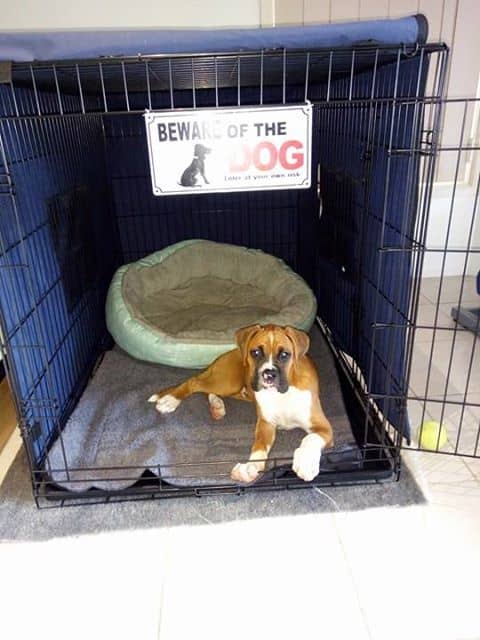
If you want your dog to feel safe and comfortable in their crate, getting the right fit is key. But how exactly should a dog fit in a crate?
Too small, and your dog will feel cramped and stressed. Too big, and the crate won’t offer the cozy security they need. Finding that perfect balance can make all the difference in your dog’s happiness and behavior. Keep reading to discover simple tips that will help you choose the ideal crate size for your furry friend—and create a space they’ll love to call their own.

Credit: petsfit.com
Choosing The Right Crate Size
Choosing the right crate size is important for your dog’s comfort and safety. A crate that is too small can make your dog feel trapped. One that is too large may not give the cozy space dogs prefer. Finding the perfect fit helps your dog relax and feel secure.
Measuring Your Dog Accurately
Measure your dog from nose to tail base for length. Measure from the floor to the top of the head or ears for height. Use a soft tape measure for accuracy. Write down these numbers before shopping for a crate.
Allowing Space For Movement
Your dog needs room to stand, turn, and lie down comfortably. Add 2 to 4 inches to length and height measurements. This extra space prevents discomfort and allows natural movement. Avoid crates that are too tight or too roomy.
Adjusting For Growth
For puppies, choose a crate with a divider panel. This allows the crate size to grow with your dog. Move the divider as your puppy grows. This saves money and keeps the space cozy at every stage.
Crate Dimensions And Dog Types
Choosing the right crate size for your dog is more than just picking a box off the shelf. Your dog’s comfort and safety depend on proper crate dimensions tailored to their breed and size. The crate should allow your dog to stand, turn around, and lie down comfortably without feeling cramped or lost in a space that’s too large.
Small Breeds
Small breeds like Chihuahuas, Pomeranians, or Dachshunds need crates that fit their petite frames snugly. A crate around 18 to 24 inches long usually works well, giving them enough room to move but not so much that they feel insecure.
Think about your small dog’s favorite sleeping position. Do they curl up tight or stretch out fully? Matching the crate size to these habits helps make the space inviting and cozy.
Medium Breeds
Medium breeds such as Beagles, Cocker Spaniels, or Bulldogs require crates measuring roughly 30 to 36 inches in length. This size balances space for comfort without overwhelming your dog with too much empty room.
Ask yourself if your dog likes to sprawl or prefers curling up. Adjusting the crate size to their style prevents restless behavior and encourages calmness during crate time.
Large Breeds
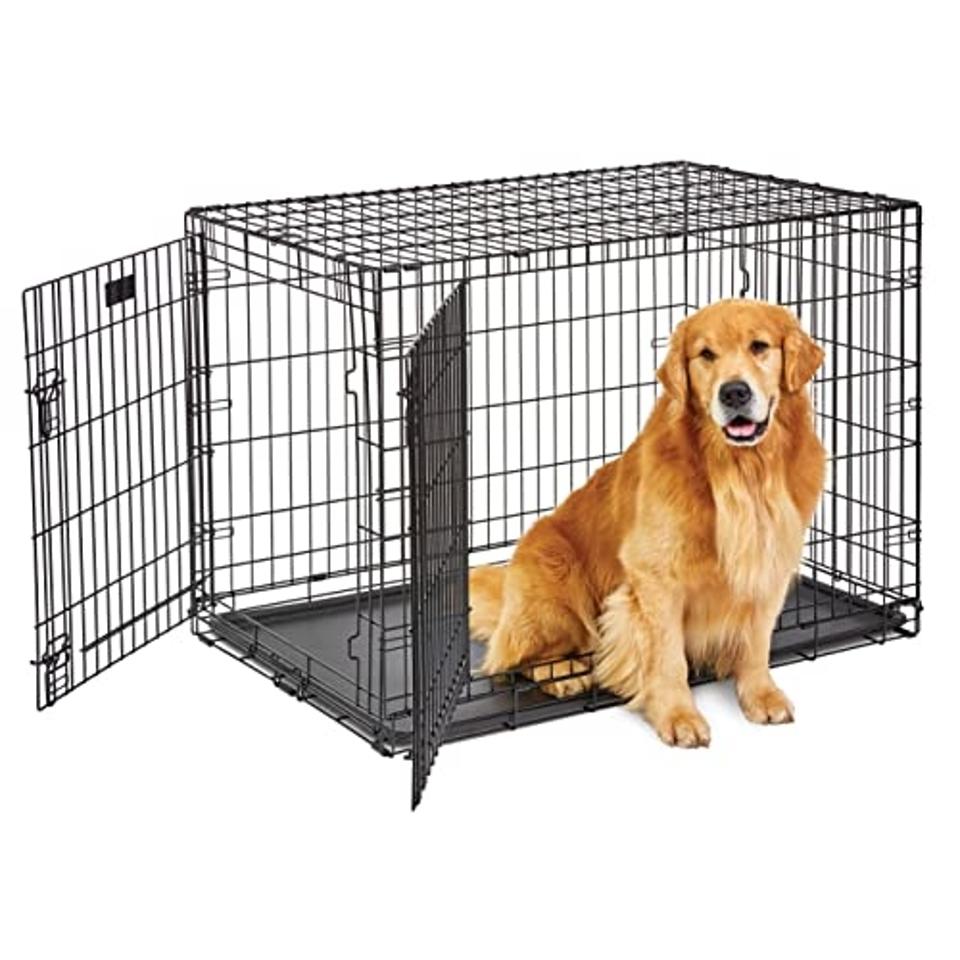
Large breeds like Golden Retrievers, German Shepherds, or Labradors need crates that are 42 inches or longer. These crates must accommodate their height and length so they can stand up and lie down without restriction.
Consider your dog’s growth stage. For puppies of large breeds, you might want a crate with a divider so you can adjust the space as they grow. This flexibility keeps them comfortable and safe throughout their development.
Comfort Essentials Inside The Crate
Creating a cozy space inside the crate helps your dog feel safe and relaxed. Comfort essentials make a big difference in how your dog enjoys their crate time. A well-prepared crate invites your dog to rest and feel at home.
Soft Bedding Options
Choose bedding that is soft and easy to clean. Memory foam beds support joints and provide extra comfort. Fleece blankets add warmth and softness. Avoid materials that irritate your dog’s skin. Change bedding regularly to keep it fresh.
Temperature Control
Keep the crate in a spot with good airflow. Use cooling mats in summer to prevent overheating. During cold months, add extra blankets or a crate cover. Avoid placing the crate near heaters or direct sunlight. A balanced temperature helps your dog stay comfortable.
Toys And Accessories
Include safe chew toys to keep your dog busy. Soft plush toys can provide comfort. Avoid small toys that can be swallowed. Puzzle toys can make crate time fun and stimulating. Rotate toys often to maintain your dog’s interest.
Proper Crate Placement
Placing a dog’s crate correctly in the home is essential for comfort and safety. The right spot helps your dog feel secure and calm. It also encourages positive crate use and reduces stress. Consider the crate’s surroundings carefully to create a cozy space for your dog.
Quiet And Safe Areas
Choose a quiet corner away from loud noises and heavy foot traffic. Dogs rest better in calm environments. A safe spot means fewer distractions and less chance of accidents. This helps your dog relax and enjoy the crate as a personal space.
Avoiding Drafts And Direct Sunlight
Keep the crate away from cold drafts to prevent chills. Avoid placing it near windows with strong sunlight. Too much heat or cold makes your dog uncomfortable. Find a spot with stable, mild temperature for a cozy crate area.
Training Tips For Crate Comfort
Getting your dog comfortable with their crate takes patience and care. The goal is to make the crate a safe and inviting space where your dog feels relaxed and secure. Here are some practical tips to help your dog enjoy their crate time and see it as a positive part of their daily routine.
Positive Associations
Make the crate a place your dog wants to be. Use treats, toys, and praise to create happy memories inside the crate. Try feeding your dog their meals in the crate to build a strong positive connection.
Think about what your dog loves most. Is it a favorite chew toy or a soft blanket? Adding these items can make the crate feel like a cozy den. Your dog will begin to associate the crate with comfort and fun.
Gradual Introduction
Don’t rush your dog into spending long periods in the crate. Start with short sessions and slowly increase the time as your dog gets more comfortable. This helps reduce anxiety and builds confidence.
Begin by leaving the crate door open and encouraging your dog to explore it freely. Reward them each time they enter on their own. Over time, close the door for a few seconds and gradually extend the duration.
Avoiding Negative Experiences
Never use the crate as punishment. Your dog should see the crate as a positive refuge, not a place of fear or discipline. This mindset prevents resistance and stress related to crate training.
Pay attention to your dog’s body language. If they seem scared or restless, slow down the process and offer extra reassurance. Your calm, patient approach will help your dog trust the crate as a safe space.
Credit: www.forbes.com
Signs Your Dog Is Comfortable In The Crate
Recognizing when your dog feels good in its crate is key to successful crate training. Comfort shows your dog trusts the space as a safe zone. Watch for clear signs that show your dog relaxes and enjoys time inside. These clues help you know the crate fits your dog’s needs well.
Relaxed Behavior
A calm dog curls up or lies down peacefully in the crate. Soft breathing and slow blinking show ease. Dogs may gently wag their tails or rest their head on the crate floor. These actions mean the dog is not tense or afraid.
Consistent Use
Your dog goes into the crate without hesitation or force. It spends time inside without trying to escape. Regular use during rest or play means the dog accepts the crate. The dog may even choose the crate as a quiet place.
Absence Of Stress Signals
No whining, barking, or scratching at the crate door indicates comfort. Avoidance of pacing or excessive licking also shows calmness. The dog does not show signs of anxiety like drooling or trembling. A relaxed dog feels safe and secure in the crate.
Common Crate Fit Mistakes To Avoid
Choosing the right crate size and setup is key to your dog’s comfort and safety. Many pet owners make simple mistakes that affect their dog’s crate experience. Avoiding these errors helps your dog feel secure and relaxed in their space.
Too Small Or Too Large Crates
A crate too small can make your dog feel trapped and stressed. They need enough room to stand, turn, and lie down comfortably. A crate that is too big may encourage your dog to use one corner as a bathroom. The right size balances space and coziness.
Overcrowding With Bedding
Too much bedding can reduce the usable space inside the crate. It may cause your dog to feel cramped or overheat. Use just enough soft bedding for comfort without crowding the crate. This keeps the crate inviting and safe.
Ignoring Your Dog’s Preferences
Every dog is different. Some like open crates, others prefer cozy corners. Watch how your dog behaves and adjust the crate setup. Providing water, toys, or a favorite blanket can make the crate more welcoming. Respecting your dog’s likes creates a positive space.
Credit: gearjunkie.com
Frequently Asked Questions
What Size Crate Is Best For My Dog?
The best crate size allows your dog to stand, turn, and lie down comfortably. It shouldn’t be too large, as dogs may use extra space for bathroom needs. Measure your dog from nose to tail and choose a crate with a few extra inches for comfort.
How Do I Know If The Crate Is Too Small?
If your dog cannot stand or turn around easily, the crate is too small. Cramped conditions can cause discomfort and anxiety. Ensure there’s enough room for your dog to lie flat without restrictions. A properly sized crate ensures a positive, safe space for your pet.
Can A Crate Be Too Big For A Dog?
Yes, a crate that’s too big can encourage bathroom accidents. Dogs feel more secure in a snug space. A larger crate might make training difficult. Choose a crate that fits your dog’s current size, providing a cozy and secure environment.
Should A Dog Always Fit Snugly In A Crate?
A crate should be snug but not restrictive. Your dog should move comfortably inside without excess room. Ensuring proper fit helps with training and comfort. A snug fit makes your pet feel safe and secure, mirroring a den-like environment.
Conclusion
A dog’s crate should be just the right size. Enough space to stand, turn, and lie down comfortably matters. Too small feels tight; too big feels unsafe. Choose a crate that fits your dog’s needs and size well. This helps your dog feel calm and secure inside.
A proper fit makes crate training easier for both of you. Always check your dog’s comfort often. Happy dogs make happy homes.

Emily Barker is the founder of ChillDogLife.com, a space dedicated to helping pup parents discover the best dog products, lifestyle tips, and cozy ideas for happier homes.
A lifelong dog lover, Emily combines her passion for pets with a knack for research to share trusted recommendations on everything from toys and furniture to health and everyday care.
Her goal is simple: to make life easier, stylish, and more joyful for dogs and the people who love them.




