
Choosing the right dog crate size is more important than you might think. If your crate is too small, your dog will feel cramped and uncomfortable.
If it’s too big, your furry friend might use one side as a bathroom and the other as a resting spot. You want a space that feels safe and cozy—a place your dog will love to spend time in. You’ll learn simple, clear steps to find the perfect crate size for your dog.
Keep reading, and you’ll discover how to make your dog’s crate a happy and secure spot every time.

Credit: carlsonpetproducts.com
Choosing The Right Crate Size
Choosing the right crate size is essential for your dog’s comfort and safety. A properly sized crate offers a cozy space for rest and calm. It should be large enough for your dog to stand, turn, and lie down easily. Too small or too large crates can cause stress or accidents.
Measuring Your Dog Accurately
Start by measuring your dog from nose to the base of the tail. Next, measure from the floor to the top of the head or ears. Use a tape measure for accuracy. Add a few inches to each measurement. This extra space allows your dog to move comfortably inside the crate.
Considering Your Dog’s Breed And Age
Different breeds have various sizes and shapes. Some breeds may need wider or taller crates. Age affects size needs as well. Older dogs might prefer more space for stretching. Small breeds need crates that fit their smaller bodies without extra room that feels empty.
Accounting For Growth And Puppies
Puppies grow fast and need crates that accommodate growth. Choose a crate with a divider panel. This lets you adjust space as your puppy grows. It keeps the crate cozy at all stages. Avoid buying a crate too big for a small puppy without dividers. It helps with house training and comfort.

Credit: carlsonpetproducts.com
Types Of Dog Crates
Choosing the right dog crate starts with understanding the different types available. Each crate style serves specific purposes and suits different dog personalities and needs. Knowing these options helps you pick a crate that your dog will find comfortable and secure.
Wire Crates
Wire crates offer excellent ventilation and visibility, which many dogs appreciate. They are sturdy and easy to clean, making them a practical choice for both home and travel. If your dog likes to see what’s going on around them, a wire crate can reduce anxiety by providing a clear view of their surroundings.
Keep in mind, wire crates can be noisy if your dog moves a lot inside. Adding a soft crate cover or blanket can create a cozy den-like atmosphere. Are you looking for a crate that doubles as a playpen or divider in your home? Wire crates are versatile enough for those needs.
Plastic Crates
Plastic crates are solid and offer a more enclosed, den-like space that many dogs find comforting. They provide better protection from the elements during travel, especially if you plan to use an airline-approved crate. These crates are lighter than wire options but still durable.
Because they block out more light and air, some dogs may feel more secure inside a plastic crate. However, make sure the crate is large enough so your dog can turn around comfortably. Have you noticed your dog prefers a quiet, enclosed space for resting? A plastic crate might be the best fit.
Soft-sided Crates
Soft-sided crates are lightweight and easy to carry, making them ideal for small dogs and frequent travelers. They often have mesh windows for ventilation and visibility while providing a cozy, tent-like environment. These crates fold flat for convenient storage.
They aren’t as durable as wire or plastic crates and may not suit dogs who chew or paw aggressively. If your dog is calm and well-trained, a soft-sided crate offers comfort and portability. Would you benefit from a crate you can easily bring along on trips or visits?
Key Factors For Crate Size
Choosing the right crate size is crucial for your dog’s comfort and safety. The crate must fit your dog well without being too tight or too large. Several key factors influence the ideal crate size. These elements help ensure the crate feels like a cozy space for your dog, not a restrictive cage.
Length And Height Requirements
Measure your dog from nose to tail for length. Add a few inches to allow stretching. For height, measure from the floor to the top of your dog’s head or ears when sitting. The crate height should be tall enough for your dog to stand comfortably. A crate too short or narrow can cause discomfort or injury.
Allowing Space For Comfort
The crate should give your dog room to turn around easily. Your dog needs space to lie down and stretch. Crates that are too large can make dogs feel insecure. A snug but comfortable fit helps dogs feel safe and relaxed. Padding and bedding also add to comfort inside the crate.
Portability And Storage Needs
Consider how often you will move the crate. Lightweight crates are easier to carry and transport. Foldable crates save space when not in use. If you travel, a compact crate fits better in cars or planes. Balance size needs with portability and storage options for convenience.
Common Sizing Mistakes To Avoid
Choosing the right dog crate size can be tricky, and many pet owners make avoidable mistakes that affect their dog’s comfort and safety. Understanding common sizing errors helps you pick a crate that truly fits your dog’s needs. Let’s break down some pitfalls to watch out for so your furry friend has the perfect space.
Choosing A Crate Too Small
Picking a crate that’s too small is a common problem. If your dog can’t stand up, turn around, or lie down comfortably, the crate becomes a source of stress rather than comfort.
I once saw a client’s puppy struggling in a crate that was just an inch or two too narrow. This limited space caused anxiety and even led to accidents inside the crate. Always measure your dog’s height and length carefully, then add a few inches for movement freedom.
Oversizing Issues
On the other hand, a crate that’s too large might seem like a luxury, but it can cause problems too. Dogs often use the crate as a den, and excessive space may encourage them to eliminate in one corner and sleep in another.
Think about how your dog behaves. Does it prefer tight, cozy spaces? If so, a massive crate might feel empty and uninviting. A crate slightly bigger than your dog is ideal, giving just enough room to move without encouraging bad habits.
Ignoring Your Dog’s Behavior
Size isn’t the only factor—you must consider your dog’s personality and habits. Some dogs like to stretch out, while others curl up tightly. Your dog’s behavior can guide you in choosing the right crate dimensions.
For example, if your dog tends to pace or shift positions a lot, a slightly bigger crate might be necessary. Conversely, a nervous dog might feel safer in a snugger space. Have you watched how your dog naturally rests? Use those observations to make a more informed choice.
Adjusting Crate Size Over Time
Adjusting the size of your dog’s crate as they grow is crucial for their comfort and safety. A crate that’s too small can make your dog feel cramped, while one that’s too large can reduce its effectiveness as a secure space. Paying attention to your dog’s changing size and needs ensures the crate remains a cozy, inviting area throughout their life stages.
Upgrading As Your Dog Grows
Dogs grow quickly, especially in their first year. You might start with a small crate for your puppy, but as they gain height and weight, it’s time to upgrade. Look for crates that are easy to swap out or expand so you don’t have to buy a completely new one every time.
Think about your dog’s full adult size before purchasing. If you buy a crate too small initially, you’ll need to replace it sooner. Choosing an adjustable crate can save money and hassle over time.
Temporary Solutions For Puppies
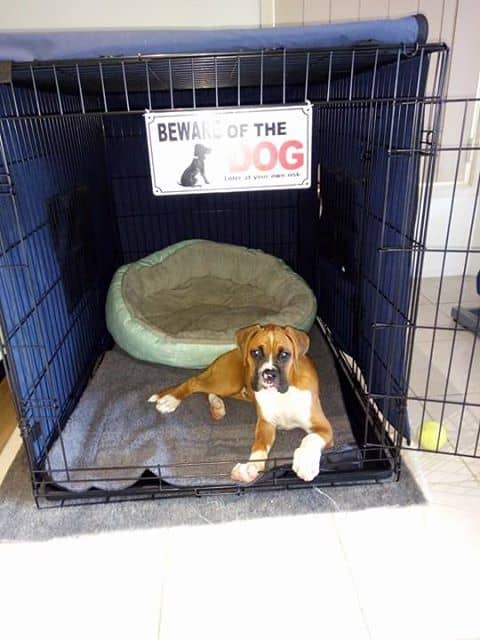
When puppies are tiny, a large crate can feel overwhelming. Instead of buying multiple crates, try temporary fixes to make a big crate feel just right. One simple way is to use a crate divider or even household items like cardboard to shrink the space.
This keeps your puppy secure and comfortable without feeling lost in a huge crate. It also helps teach boundaries while they grow. How can you create a cozy, safe spot using what you already have?
Using Dividers Effectively
Dividers are a smart tool to adjust crate size without constant replacements. They let you customize the space as your dog grows, keeping the crate snug but not cramped. Most wire crates come with dividers, or you can buy them separately to fit your model.
Place the divider to give your dog enough room to stand, turn around, and lie down comfortably. As your dog grows, move the divider to increase space gradually. This method saves money and keeps your dog happy throughout their development.
Credit: www.somerzby.com.au
Tips For Measuring Your Dog At Home
Measuring your dog at home helps pick the right crate size. A good fit keeps your dog safe and comfortable. Prepare to measure your dog carefully. Use simple tools and follow clear steps. Accurate measurements avoid buying the wrong crate. Let’s explore easy tips for measuring your dog.
Tools You’ll Need
- Soft measuring tape or ruler
- Pen and paper for notes
- Flat surface for your dog to stand
- Helper to hold your dog still (optional)
Step-by-step Measuring Guide
- Have your dog stand straight on all four legs.
- Measure from the floor to the top of the head or ears.
- Measure length from the nose to the base of the tail.
- Measure width across the widest part of the body.
- Write down each measurement carefully.
Ensuring Accurate Measurements
- Measure twice to confirm numbers.
- Keep your dog calm and steady.
- Use a flexible tape to follow curves.
- Allow extra space for comfort and movement.
Additional Considerations
Choosing the right dog crate size is not just about measurements. Other factors affect your dog’s comfort and safety. These additional considerations help create a better space for your pet.
Crate Placement In Your Home
Place the crate in a quiet, low-traffic area of your home. Avoid direct sunlight or drafty spots. Your dog should feel safe and calm. The crate should be near family activity but not too noisy. This balance helps your dog relax while staying connected.
Ventilation And Safety
Good airflow keeps the crate fresh and comfortable. Make sure the crate has enough openings on all sides. Avoid crates with sharp edges or loose parts. Check for sturdy locks that prevent escapes. Ventilation also helps prevent overheating and odors.
Cleaning And Maintenance
Choose a crate with easy-to-clean surfaces. Removable trays or pans simplify cleaning. Regular cleaning keeps your dog healthy and happy. Use pet-safe cleaners to avoid harmful chemicals. Inspect the crate often for damage or wear.
Frequently Asked Questions
What Size Crate Does My Dog Need?
The crate size depends on your dog’s breed, size, and age. Measure your dog’s length and height while standing. Add a few inches to these measurements to determine the ideal crate size. Ensure the crate allows your dog to stand, turn, and lie down comfortably.
How To Measure My Dog For A Crate?
To measure your dog, get its length from nose to tail and height from the ground to the top of its head. Add a few inches to these dimensions. This ensures the crate provides enough space for comfortable movement and rest.
Can A Crate Be Too Big For A Dog?
Yes, a crate can be too big. If it’s too spacious, it may not feel secure. Dogs prefer a den-like environment, so a large crate might lead to anxiety or accidents. Choose a size that allows your dog to stand, turn, and lie comfortably without excessive space.
Do Puppies Need Different Crate Sizes?
Yes, puppies need different sizes as they grow. Start with a smaller crate and upgrade as they grow. Some crates have dividers to adjust the space. This ensures comfort and security while preventing accidents. Monitor your puppy’s growth and adjust crate size accordingly.
Conclusion
Choosing the right dog crate size keeps your pet safe and happy. Measure your dog’s length and height carefully. Give enough space to stand, turn, and lie down. A crate too small or big can cause discomfort. Think about your dog’s age and growth too.
A good crate helps with training and travel. Take your time to pick the best fit. Your dog will thank you with comfort and calm. Simple steps lead to a cozy, secure space for your dog.

Emily Barker is the founder of ChillDogLife.com, a space dedicated to helping pup parents discover the best dog products, lifestyle tips, and cozy ideas for happier homes.
A lifelong dog lover, Emily combines her passion for pets with a knack for research to share trusted recommendations on everything from toys and furniture to health and everyday care.
Her goal is simple: to make life easier, stylish, and more joyful for dogs and the people who love them.




