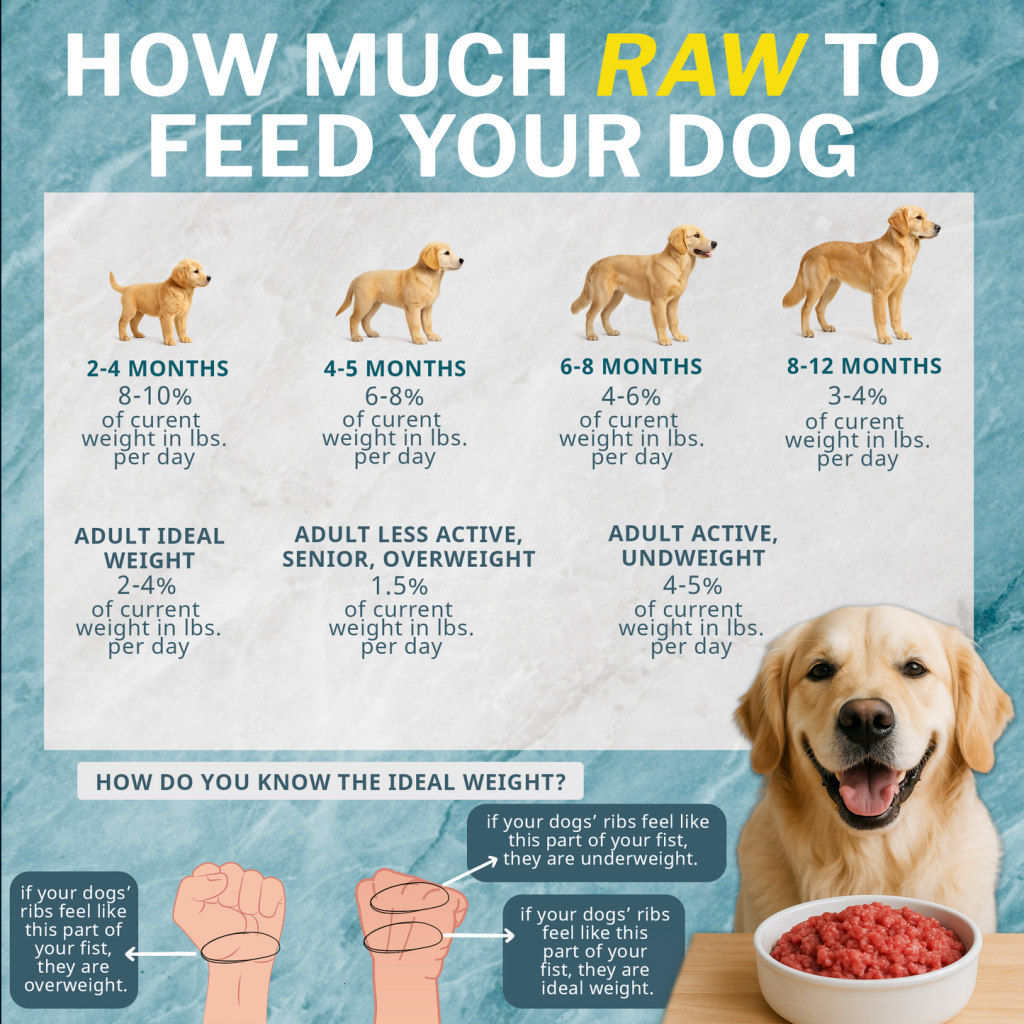
Wondering how much food you should give your adult dog? It’s a question every dog owner faces.
Feeding the right amount is more important than you might think. Too little food can leave your dog hungry and low on energy. Too much can lead to weight gain and health problems. You want your furry friend to stay happy, healthy, and full of life.
You’ll discover simple tips to find the perfect feeding amount for your dog. Keep reading to make sure you’re doing what’s best for your loyal companion.
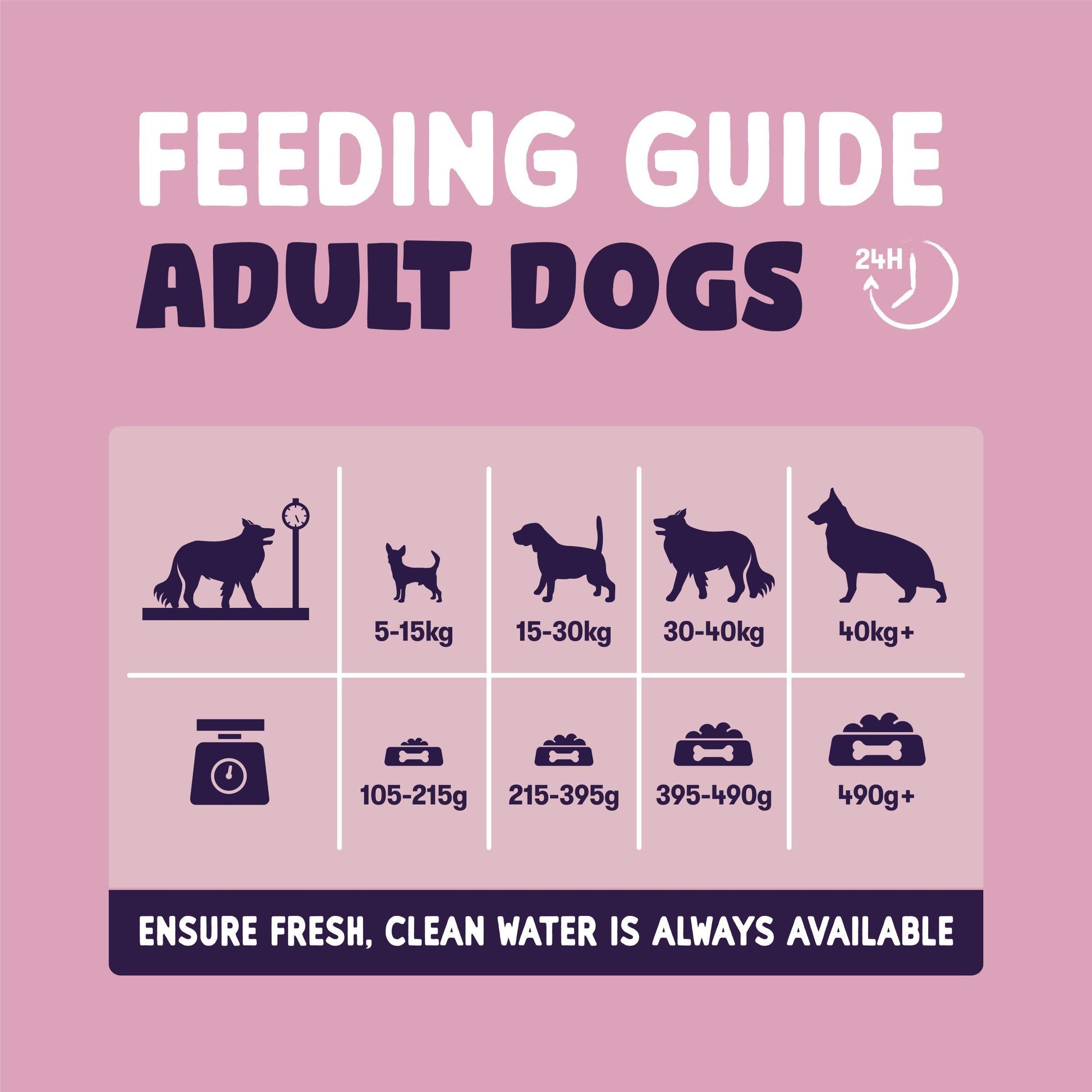
Credit: pet-supermarket.co.uk
Factors Affecting Dog Food Amount
Feeding your adult dog the right amount of food is important for health. Different factors affect how much food your dog needs. Understanding these helps you give the right portions.
Not all dogs eat the same amount. Size, age, activity, and health all play a role in their diet needs.
Breed And Size
Breed and size are key in deciding how much to feed your dog. Larger breeds need more calories than smaller breeds. A small dog may need less than half the food of a large dog.
| Dog Size | Weight Range | Daily Food Amount |
| Small | Up to 20 lbs | 1 to 1.5 cups |
| Medium | 21 to 50 lbs | 2 to 3 cups |
| Large | 51 to 90 lbs | 3 to 4.5 cups |
| Giant | Over 90 lbs | 4.5 to 6 cups |
Age And Activity Level
Older dogs usually eat less than younger adults. Active dogs burn more energy and need more food. Sedentary dogs need less to avoid weight gain.
- Puppies and young adults need more calories.
- Active dogs need increased portions.
- Less active or older dogs need smaller portions.
Health Conditions
Health issues affect how much your dog should eat. Some illnesses require special diets or less food. Always check with a vet if your dog has health problems.
Examples of health conditions that affect food amount:
- Diabetes may require controlled portions.
- Kidney disease often needs low-protein diets.
- Obesity needs calorie reduction and portion control.
- Dental problems might require softer foods in smaller amounts.
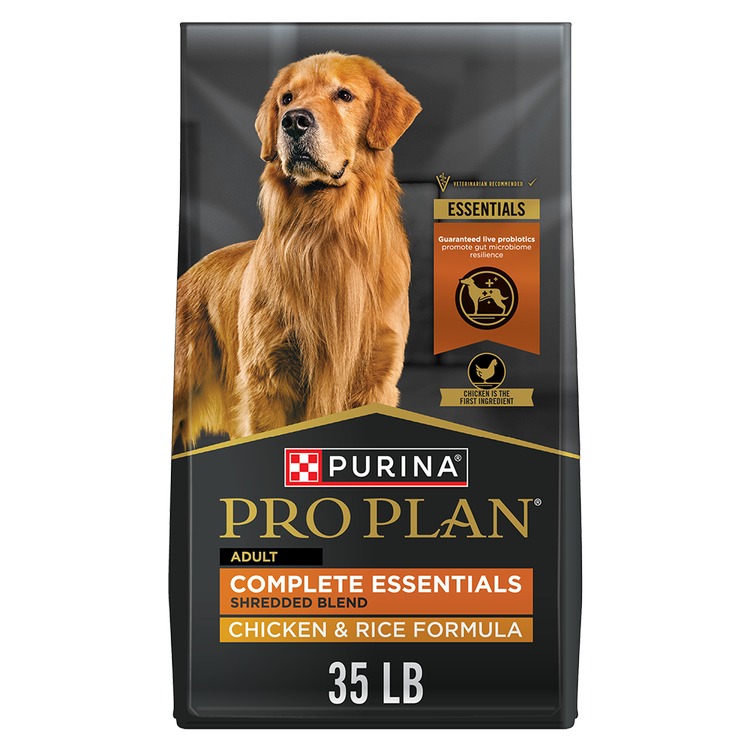
Credit: www.purina.com
Daily Calorie Needs
Feeding your adult dog the right amount of food keeps them healthy. Knowing daily calorie needs helps avoid overfeeding or underfeeding.
Calories give dogs the energy to play, walk, and stay active. Each dog’s needs vary by size, age, and activity level.
Calculating Maintenance Calories
Maintenance calories keep your dog’s weight steady. You can estimate these calories by using your dog’s weight in kilograms.
Use this formula to calculate maintenance calories:
Resting Energy Requirement (RER) = 70 x (body weight in kg)0.75
Then multiply RER by a factor based on your dog’s activity:
- Neutered adult dog: RER x 1.6
- Active adult dog: RER x 2.0
- Inactive or older dog: RER x 1.2
Adjusting For Weight Goals
Adjust calories if your dog needs to lose or gain weight. Change amounts slowly to avoid health issues.
| Goal | Calorie Adjustment | Notes |
| Lose Weight | Reduce daily calories by 20% | Feed smaller meals more often |
| Gain Weight | Increase daily calories by 20% | Add healthy snacks or meals |
| Maintain Weight | Feed calculated maintenance calories | Monitor weight monthly |
Types Of Dog Food
Feeding your adult dog the right type of food is important. Different foods offer different benefits and nutrients.
Choosing the right type depends on your dog’s needs, taste, and health.
Dry Kibble Vs. Wet Food
Dry kibble is easy to store and usually cheaper. It helps keep your dog’s teeth clean by reducing tartar.
Wet food has more moisture and often tastes better. It can help dogs that do not drink enough water.
- Dry kibble lasts longer after opening
- Wet food can be more appealing for picky eaters
- Kibble supports dental health through chewing
- Wet food provides extra hydration
Raw And Homemade Diets
Raw diets use uncooked meat, bones, and vegetables. Some owners choose this to give dogs natural nutrients.
Homemade diets let you control ingredients. You can avoid fillers and add fresh foods your dog likes.
- Raw diets need careful handling to avoid bacteria
- Homemade meals require balanced recipes for nutrition
- Both diets need consultation with a vet
- These options may be costlier and take more time
Reading Dog Food Labels
Knowing how much food to give your adult dog starts with reading the food label. Dog food labels have important details that help you feed your dog the right amount.
Labels show feeding amounts, ingredients, and nutritional facts. Learning to read them helps you choose the best portion size for your dog’s needs.
Understanding Feeding Guidelines
Feeding guidelines on dog food packages suggest how much to feed your dog each day. These amounts depend on your dog’s weight and activity level.
Use these guidelines as a starting point. Watch your dog’s weight and adjust the food amount as needed to keep your dog healthy.
- Check the dog’s weight range on the label
- Look for daily feeding amounts in cups or grams
- Feed smaller or larger amounts based on your dog’s activity
- Consult your vet if unsure about the right amount
Evaluating Nutritional Content
The nutritional content shows what nutrients your dog will get in each serving. It helps you see if the food meets your dog’s dietary needs.
Look for protein, fat, fiber, and calories listed on the label. These values affect how much food your dog needs daily.
| Nutrient | Why It Matters | Typical Range |
|---|---|---|
| Protein | Supports muscles and energy | 18% – 30% |
| Fat | Provides energy and healthy skin | 8% – 20% |
| Fiber | Aids digestion | 2% – 5% |
| Calories | Energy in food, affects portion size | 300 – 500 kcal per cup |
Feeding Schedules And Portions
Feeding your adult dog the right amount of food is important for their health. It helps keep their weight steady and energy levels good.
Knowing how often and how much to feed your dog can be tricky. This guide will help you set a good feeding routine and control portions.
Meal Frequency
Most adult dogs do well with two meals per day. This keeps their energy steady and helps digestion.
Some dogs may need only one meal, while others might do better with three smaller meals. Watch your dog’s behavior and health to decide.
- Feed your dog at the same times each day.
- Keep meals spaced evenly, such as morning and evening.
- A consistent schedule helps with training and routine.
Portion Control Tips
Feeding the right portion size is key to avoid weight gain or hunger. Use your dog’s weight and activity level to find the right amount.
Measure your dog’s food with a cup or scale to keep portions exact. Avoid free feeding, which can cause overeating.
- Check the dog food label for portion guidelines.
- Adjust portions if your dog gains or loses weight.
- Talk to your vet for portion advice based on health needs.
- Use measuring tools to give the right amount every time.
Signs Of Overfeeding And Underfeeding
Feeding your dog the right amount is important. Overfeeding or underfeeding can harm your dog’s health.
Watch for signs to know if your dog is eating too much or too little.
Weight Gain And Loss Indicators
Weight changes can tell you if your dog is overfed or underfed. Check your dog’s weight regularly.
- Rapid weight gain may mean overfeeding.
- Sudden weight loss could mean underfeeding.
- Use a scale to check your dog’s weight monthly.
Behavioral Changes
Dogs show changes in behavior if they are not fed right. Notice how your dog acts after meals.
If your dog is overfed, it may feel lazy. A dog that is underfed may seem restless or anxious.
- Overfed dogs might sleep more.
- Underfed dogs may beg for more food.
- Watch for changes in energy levels.
Special Considerations
Feeding an adult dog requires careful thought. Some dogs need special care based on their life stage or health.
Let’s explore how to feed dogs with specific needs. This includes pregnant and nursing dogs, senior dogs, and those with medical conditions.
Pregnant And Nursing Dogs
Pregnant and nursing dogs need extra nutrients. Their diet must support their health and their puppies’ growth.
- Increase their food intake gradually.
- Choose high-quality puppy food for extra calories.
- Ensure constant access to fresh water.
Senior Dogs
Senior dogs often have different dietary needs. They may need fewer calories but more nutrients to stay healthy.
| Dietary Need | Recommended Action |
| Lower calories | Choose senior dog food |
| Joint support | Include supplements like glucosamine |
| Digestive care | Opt for easily digestible food |
Dogs With Medical Conditions
Dogs with medical issues need special diets. Always consult a vet for specific dietary advice.
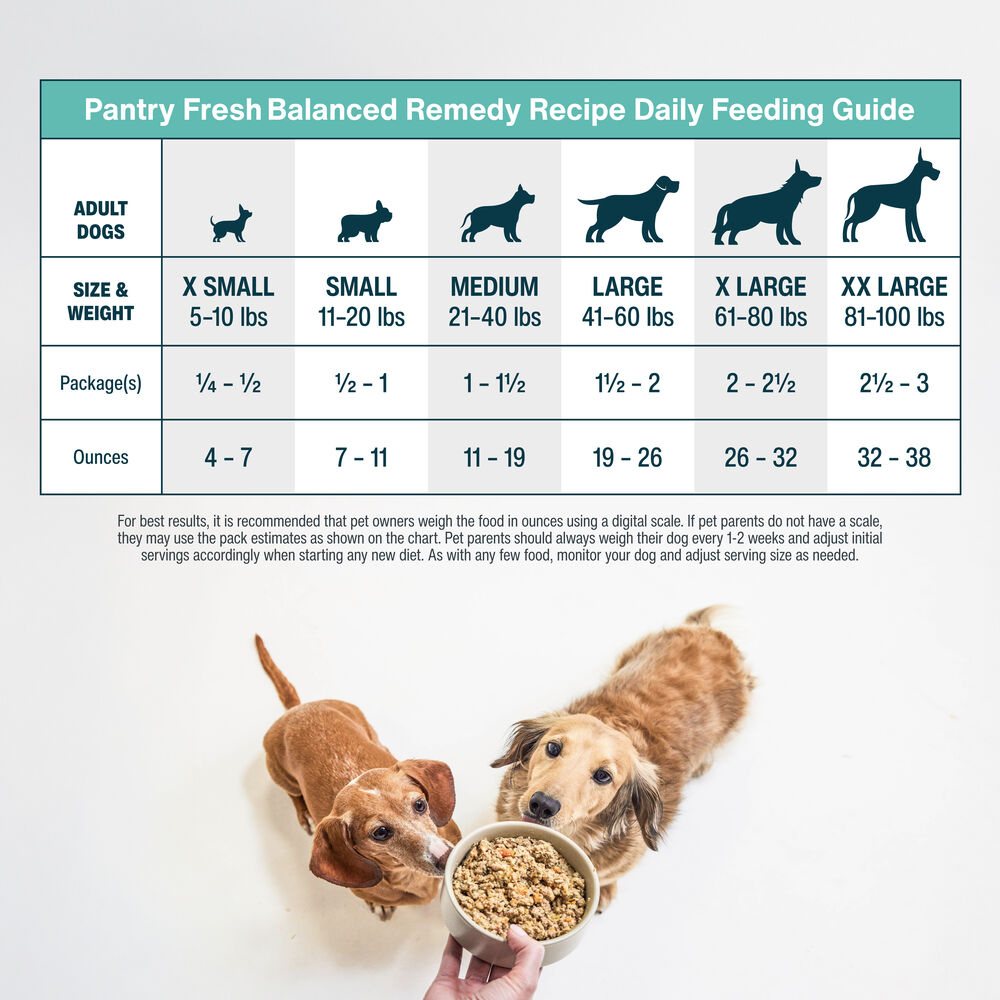
Credit: www.justfoodfordogs.com
Consulting Your Veterinarian
Feeding your adult dog the right amount of food is important for health. Every dog has different needs based on size, age, and activity level.
Your veterinarian can help you decide how much food to give your dog each day. They know your dog’s health history and can give the best advice.
Personalized Feeding Plans
Veterinarians create feeding plans tailored to your dog’s needs. They consider factors like weight, breed, and health problems.
A personalized plan helps avoid overfeeding or underfeeding. It ensures your dog gets the right nutrients to stay healthy.
- Adjust food amount based on activity level
- Choose food types suitable for your dog
- Include treats in daily calorie count
Regular Health Checkups
Routine visits to the vet help track your dog’s weight and health. Your vet can recommend changes to the feeding plan if needed.
Health checkups catch problems early. They also confirm your dog is eating the right amount for their current condition.
- Measure weight at each visit
- Discuss any changes in appetite or behavior
- Update feeding plan as your dog ages
Frequently Asked Questions
How Do I Calculate My Adult Dog’s Daily Food Amount?
Calculate based on your dog’s weight, activity level, and food calories. Follow feeding guidelines on the dog food package. Adjust portions according to your dog’s condition and energy needs.
What Factors Affect How Much Food My Dog Needs?
Age, size, breed, activity level, and health influence feeding amounts. Active dogs need more calories, while older or less active dogs require less. Always consider your dog’s lifestyle and consult your vet.
Can Overfeeding Harm My Adult Dog?
Yes, overfeeding causes obesity, joint problems, and other health issues. Maintain portion control and monitor your dog’s weight regularly. Balanced feeding promotes a healthy lifespan and better overall well-being.
How Often Should I Feed My Adult Dog Daily?
Most adult dogs do well with two meals per day. Feeding twice helps regulate digestion and energy levels. Some dogs may benefit from more frequent, smaller meals based on vet advice.
Conclusion
Feeding your adult dog the right amount keeps them healthy and happy. Watch their weight and energy levels closely. Adjust food based on activity and age changes. Always provide fresh water alongside meals. Consult your vet for specific advice. Remember, balanced meals support a long, active life.
Small changes in food can make a big difference. Careful feeding shows your love and keeps tails wagging.

Emily Barker is the founder of ChillDogLife.com, a space dedicated to helping pup parents discover the best dog products, lifestyle tips, and cozy ideas for happier homes.
A lifelong dog lover, Emily combines her passion for pets with a knack for research to share trusted recommendations on everything from toys and furniture to health and everyday care.
Her goal is simple: to make life easier, stylish, and more joyful for dogs and the people who love them.




