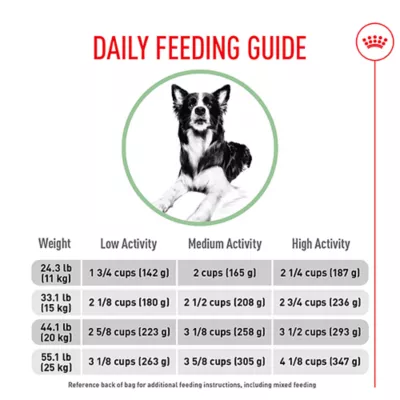
Are you unsure how much food your adult dog really needs each day? Feeding your dog the right amount is one of the easiest ways to keep them healthy and happy.
Too much food can lead to weight gain and health problems, while too little can leave your dog hungry and low on energy. You’ll discover simple guidelines to help you find the perfect portion size for your furry friend. Keep reading to make sure your dog gets just the right amount of nutrition every day.
Credit: www.petmd.com
Factors Influencing Dog Food Portions
Knowing how much food to give your adult dog depends on many things. Giving the right amount keeps your dog healthy and happy.
Portion sizes change based on your dog’s needs. These needs vary by breed, age, health, and the food type.
Breed And Size
Large breeds need more food than small breeds. Size affects how much energy your dog uses each day.
Smaller dogs eat less but often need food with more calories per bite.
- Small breeds: 5 to 10 pounds
- Medium breeds: 20 to 50 pounds
- Large breeds: 60 pounds and above
Age And Activity Level
Older dogs usually need fewer calories than younger ones. Puppies and young adults are more active and need more food.
Active dogs that run, play, or work need more food than dogs that rest a lot.
- Low activity: less food needed
- Moderate activity: average food portions
- High activity: larger food portions
Health Conditions
Health problems can change how much your dog should eat. Some illnesses require special diets with fewer or more calories.
Always check with a vet if your dog has health issues. This helps adjust food portions safely.
- Weight problems: control calorie intake
- Digestive issues: choose easy-to-digest food
- Diabetes or kidney disease: special diet needed
Type Of Food
Different foods have different calorie amounts. Dry kibble usually has more calories per cup than wet food.
Raw or homemade diets may need portion changes to match energy needs. Always measure food carefully.
- Dry food: calorie-dense, smaller portions
- Wet food: less calorie-dense, larger portions
- Raw/homemade: varies, check nutrition balance
Calculating Daily Food Amount
Feeding your adult dog the right amount of food is important. Too much or too little can cause health problems.
Knowing how to calculate daily food helps keep your dog healthy and happy.
Using Calorie Requirements
Every dog needs a certain number of calories each day. This depends on their weight, age, and activity level.
You can find your dog’s daily calorie need by using this formula:
- Calculate Resting Energy Requirement (RER): 70 × (weight in kg)0.75
- Multiply RER by an activity factor (1.2 to 1.8) to get daily calories needed
Reading Dog Food Labels
Dog food labels show calories per cup or per can. This helps you measure the right amount.
Look for the “calories per serving” or “kcal per cup” on the package. This tells you how much energy your dog will get.
- Check the serving size on the label
- Match the calories to your dog’s daily needs
- Adjust the amount of food based on calories per serving
Adjusting Portions Over Time
Your dog’s food needs change with age, health, and activity. Watch your dog’s weight and energy level.
If your dog gains or loses weight, change the food amount. Small changes keep your dog in good shape.
- Weigh your dog regularly
- Change food portions slowly
- Consult a vet if unsure about food amount
Portion Guidelines By Dog Size
Feeding your adult dog the right amount of food is crucial for their health. Portion sizes depend on their size and weight.
Let’s explore the portion guidelines for different dog sizes to ensure they stay healthy and active.
Small Breeds
Small breeds require less food due to their size. But they have a fast metabolism.
- Weight: 5 to 20 lbs
- Daily Food: 1/2 to 1 cup
- Feed 2-3 times a day
Medium Breeds
Medium breeds need balanced portions. They are active and energetic.
| Weight | Daily Food |
| 21 to 50 lbs | 1 to 2 cups |
| Feed | 2 times a day |
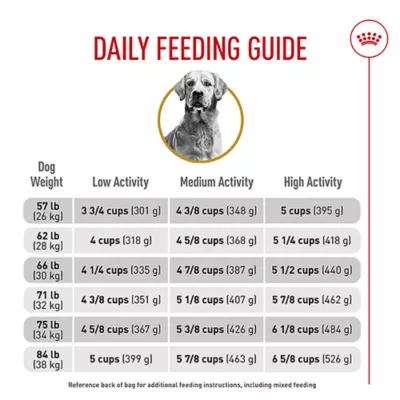
Large Breeds
Large breeds need more food to support their size and energy. Proper portions prevent weight gain.
Ensure they have access to fresh water at all times.
Giant Breeds
Giant breeds have unique dietary needs. They require large portions to sustain their massive size.
Daily Food:
Feed:
Credit: www.petsmart.com
Feeding Schedules And Frequency
Feeding your adult dog the right amount of food at the right time is key. A good schedule helps keep your dog healthy and happy.
This guide explains how often to feed your dog and why a routine is important.
Number Of Meals Per Day
Most adult dogs do well with two meals per day. This helps control hunger and keeps energy steady.
- Feed once in the morning
- Feed once in the evening
- Adjust portions based on your dog’s weight and activity
Timing And Consistency
Keep feeding times the same every day. Dogs like routine and it helps their digestion.
| Meal Time | Suggested Time |
| Morning Meal | 7:00 AM – 9:00 AM |
| Evening Meal | 5:00 PM – 7:00 PM |
Benefits Of Routine Feeding
Feeding your dog on a schedule has many benefits for health and behavior.
- Reduces begging and anxiety
- Helps maintain a healthy weight
- Improves digestion and nutrient absorption
- Supports regular bathroom habits
Monitoring Your Dog’s Weight
Keeping an eye on your dog’s weight helps keep them healthy. Dogs need the right amount of food daily.
Too much or too little food can cause health problems. Watch your dog closely for any changes.
Signs Of Overfeeding
Overfeeding can make your dog gain extra weight quickly. Look for these signs:
- Weight gain over a short time
- Fat deposits around the ribs and waist
- Difficulty feeling the ribs when you touch
- Less energy and slower movements
- Increased panting or breathing problems
Signs Of Underfeeding
Underfeeding can cause your dog to lose too much weight. Watch for these signs:
- Visible ribs and spine
- Loss of muscle mass
- Lack of energy or weakness
- Dry or dull coat
- Increased hunger or begging for food
Adjusting Portions Based On Weight
Adjust food portions to keep your dog’s weight healthy. Use this table to guide you:
| Weight (lbs) | Daily Food Amount (cups) |
|---|---|
| 10 – 20 | 1 – 1.5 |
| 21 – 40 | 1.5 – 2.5 |
| 41 – 60 | 2.5 – 3.5 |
| 61 – 80 | 3.5 – 4.5 |
| 81+ | 4.5+ |
Check your dog’s weight once a month. Change portions if your dog is too heavy or too thin.
Special Considerations
Feeding an adult dog requires careful thought. Different factors can change their dietary needs. Special considerations are important to ensure your dog stays healthy.
Pregnant or nursing dogs, senior dogs, and dogs with medical issues need special attention. Their food intake should match their unique needs.
Pregnant Or Nursing Dogs
Pregnant or nursing dogs need more calories. Their bodies work hard to support their puppies. Proper nutrition is vital during this time.
High-quality dog food with extra protein and fat is recommended. Consult your vet for the best feeding plan.
- Increase food quantity gradually
- Offer small, frequent meals
- Ensure constant access to fresh water
Senior Dogs
Senior dogs have different dietary needs. Their metabolism slows down with age. Adjusting their food intake is necessary to maintain a healthy weight.
Low-calorie food with added fiber can help. This supports their digestive system and prevents weight gain.
- Monitor their weight regularly
- Consider joint supplements
- Consult the vet for tailored advice
Dogs With Medical Issues
Dogs with medical issues might need special diets. Health problems can change their nutritional requirements. Always follow the vet’s guidance for these dogs.
Special diets are available for various conditions. These include kidney disease, allergies, or diabetes.
| Condition | Dietary Needs |
| Kidney Disease | Low protein, low phosphorus |
| Allergies | Hypoallergenic food |
| Diabetes | High fiber, low sugar |
Tips For Feeding Success
Feeding your adult dog the right amount of food is key to their health. Proper feeding helps maintain their weight and energy.
Use these tips to make feeding easier and keep your dog happy and healthy.
Choosing Quality Dog Food
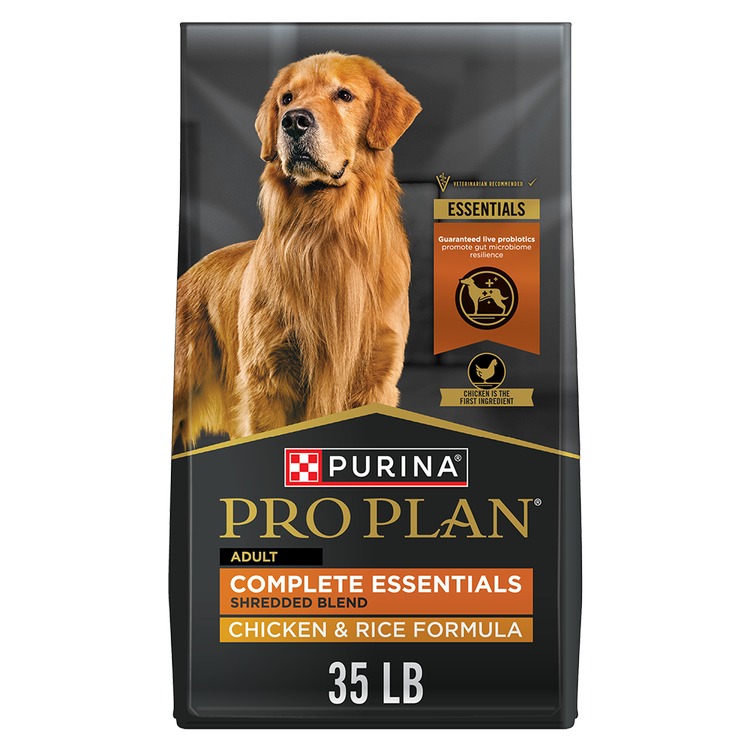
Pick dog food that fits your dog’s age, size, and health needs. Look for foods with real meat and balanced nutrients.
- Check for high protein content
- Avoid foods with too many fillers
- Choose brands with good safety records
- Consider special diets if your dog has allergies
Avoiding Human Food Temptations
Human food can be harmful to dogs. It may cause upset stomach or more serious problems.
Keep these tips in mind to avoid giving your dog unsafe treats.
| Human Food | Why Avoid |
| Chocolate | Toxic to dogs |
| Grapes and raisins | Can cause kidney failure |
| Onions and garlic | Harmful to blood cells |
| Fatty foods | May cause pancreatitis |
Using Measuring Tools
Use measuring cups or scales to give your dog the right food amount. This helps avoid overfeeding or underfeeding.
- Check the feeding guide on the dog food package
- Measure food before each meal
- Adjust the amount if your dog gains or loses weight
- Keep feeding times consistent every day
Credit: www.purina.com
Frequently Asked Questions
How Much Food Does An Adult Dog Need Daily?
An adult dog typically needs 2-3% of its body weight in food daily. This varies by breed, activity, and metabolism. Consult your vet to tailor portions for your dog’s specific needs and maintain a healthy weight.
What Factors Affect Adult Dog Food Quantity?
Age, size, activity level, metabolism, and health conditions influence food quantity. Active dogs need more calories, while less active or older dogs require less. Always adjust feeding amounts based on your dog’s lifestyle and health status.
Can Overfeeding Harm My Adult Dog?
Yes, overfeeding can lead to obesity, joint issues, and diabetes. It reduces lifespan and quality of life. Measure food carefully and avoid excessive treats to keep your dog healthy and active.
How Often Should I Feed My Adult Dog Daily?
Most adult dogs do well with two meals per day. This helps regulate metabolism and prevents overeating. Puppies might need more frequent meals, but adults benefit from consistent, scheduled feeding times.
Conclusion
Feeding your adult dog the right amount keeps them healthy and happy. Every dog’s needs differ based on size, age, and activity. Watch their weight and adjust food as needed. Fresh water should always be available. Consult a vet for the best feeding plan.
Proper portions help avoid health problems and keep energy up. Remember, balanced meals make a big difference in your dog’s life. Simple care leads to a strong, joyful companion.

Emily Barker is the founder of ChillDogLife.com, a space dedicated to helping pup parents discover the best dog products, lifestyle tips, and cozy ideas for happier homes.
A lifelong dog lover, Emily combines her passion for pets with a knack for research to share trusted recommendations on everything from toys and furniture to health and everyday care.
Her goal is simple: to make life easier, stylish, and more joyful for dogs and the people who love them.




