Is your dog acting a little off lately? Maybe they seem itchy, tired, or just not themselves.
You might wonder, “How do I know if my dog has parasites? ” It’s a question every dog owner should ask because parasites can sneak in quietly and cause serious harm. But don’t worry—you’re in the right place. This article will help you spot the signs early, so you can protect your furry friend and keep them happy and healthy.
Keep reading to learn what to watch for and what steps to take next.

Credit: pawsafe.com
Common Parasites In Dogs
Parasites in dogs cause many health problems. They can live inside or outside your dog’s body. Some parasites are easy to spot. Others hide and cause slow damage. Knowing the common parasites helps you protect your pet. Watch for signs and act quickly to keep your dog healthy.
Types Of Internal Parasites
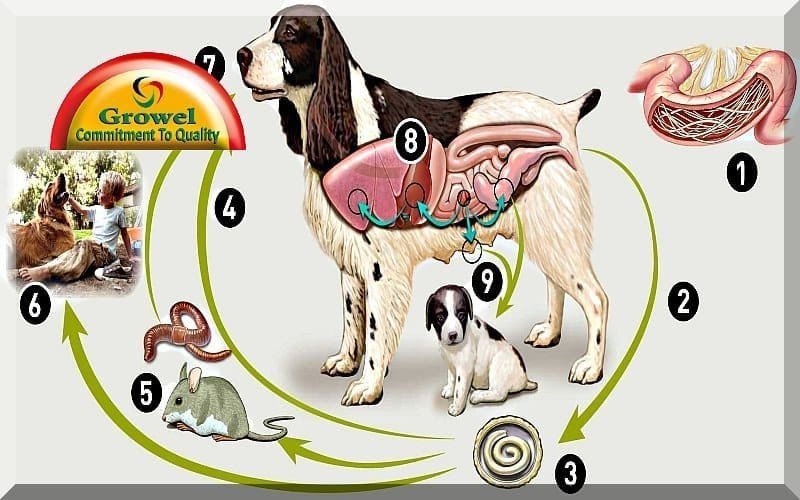
Internal parasites live inside your dog’s body. They often affect the digestive system. Common internal parasites include:
- Roundworms:Long, white worms in the intestines. They cause diarrhea and weight loss.
- Hookworms:Tiny worms that suck blood. They cause anemia and weakness.
- Whipworms:Thin worms that live in the colon. They cause diarrhea and irritation.
- Tapeworms:Flat, segmented worms. You might see rice-like pieces near your dog’s rear.
- Heartworms:Spread by mosquitoes. They live in the heart and lungs and can be fatal.
Types Of External Parasites
External parasites live on your dog’s skin or fur. They bite or suck blood and cause itching. Common external parasites include:
- Fleas:Small, jumping insects. They cause itching and skin infections.
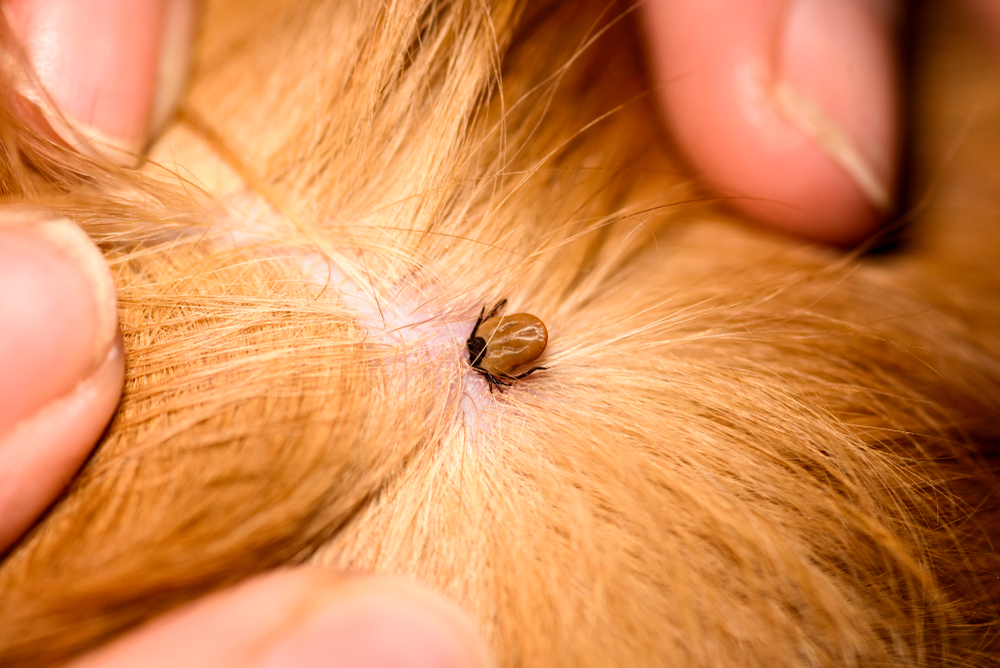
- Ticks:Attach firmly to the skin. They transmit diseases like Lyme disease.
- Mites:Tiny creatures causing mange. They lead to hair loss and skin inflammation.
- Lice:Small insects that live in fur. They cause itching and discomfort.
Visible Symptoms On Your Dog
Visible symptoms can help identify if your dog has parasites. Paying attention to these signs can ensure timely treatment. Here are some common visible symptoms to watch for in your furry friend.
Changes In Coat And Skin
Your dog’s coat may lose its shine if they have parasites. You might notice patches of hair loss. The skin could appear irritated or inflamed. Parasites often cause itching, leading to constant scratching. Look for redness or sores from scratching. Check for small bumps or rashes on the skin.
Unusual Behavior And Activity Levels
Parasites can make dogs lethargic. They may show less interest in play. Some dogs become more restless. They might pace or seem uncomfortable. Changes in appetite are common. Your dog might eat less or more than usual. Pay attention to any weight changes. Rapid weight loss can be a significant sign. Also, watch for changes in bathroom habits. Diarrhea or vomiting might occur frequently.
Digestive And Appetite Changes
Digestive and appetite changes in your dog can be some of the earliest signs that parasites have taken hold. These changes often appear suddenly and may vary in severity. Paying close attention to your dog’s eating habits and digestive health can help you catch a problem before it worsens.
Vomiting And Diarrhea
Vomiting and diarrhea are common digestive symptoms that may indicate your dog has parasites. If you notice your dog suddenly vomiting or having loose stools, especially if it’s frequent or severe, it’s a red flag. Parasites irritate the stomach and intestines, causing discomfort and inflammation.
Keep in mind that not all vomiting or diarrhea means parasites; however, if these symptoms persist or come with other signs like lethargy or weight loss, it’s worth a vet visit. Have you ever noticed your dog’s stool looking different or containing mucus? These changes can also hint at internal parasites.
Loss Of Appetite Or Increased Hunger
Parasites can interfere with your dog’s ability to absorb nutrients, leading to noticeable changes in appetite. Some dogs may lose interest in food and refuse to eat, while others might seem hungrier than usual, eating more but still losing weight.
This increased hunger happens because parasites are stealing vital nutrients, leaving your dog feeling hungry despite eating enough. You might find yourself wondering why your dog’s appetite suddenly changed without any obvious reason.
Watch for these appetite shifts alongside digestive problems. Noticing these signs early can help you act quickly to protect your dog’s health.
Signs In Dog’s Stool
Checking your dog’s stool offers clear signs of parasite infection. Stool changes often reveal health problems early. Monitoring these signs helps in timely treatment.
Presence Of Worms Or Eggs
Visible worms or eggs in stool indicate parasites. Worms look like small, white or cream-colored strands. Eggs may appear as tiny specks or grains. Spotting these requires close observation during or after bowel movements. Presence of these is a strong sign of infestation.
Consistency And Color Changes
Parasites often cause stool to change in texture and color. Stool may become loose, watery, or unusually hard. Color may turn pale, yellow, or dark red. These changes suggest digestive issues linked to parasites. Tracking these shifts helps catch infections early.
Physical Signs To Monitor
Parasites can harm your dog’s health in many ways. Watching for physical signs helps catch problems early. Early detection can prevent serious illness and discomfort for your pet. Some signs are easy to see. Others need close attention to notice.
Weight Loss And Weakness
Unexplained weight loss is a common sign of parasites. Your dog may eat normally but still lose weight. Parasites steal nutrients from your dog’s body. This can make your dog feel weak and tired.
Notice if your dog seems less active. Weakness can show as less interest in play or walks. A dog with parasites may also have a dull coat. These signs mean your dog’s body is struggling.
Scooting And Excessive Scratching
Scooting is when your dog drags its bottom on the ground. This behavior often means irritation or itching near the tail. Parasites like worms or fleas can cause this discomfort.
Excessive scratching is another sign to watch. Parasites on the skin cause itching and redness. Look for small bites or scabs on your dog’s fur. These signs show your dog may have parasites.
When To Visit The Vet
Knowing when to visit the vet is crucial for your dog’s health. Parasites can cause serious problems if left untreated. Early detection helps prevent complications and keeps your dog comfortable.
Some symptoms require urgent attention. Others can be checked during routine visits. Understanding the signs helps you act quickly and wisely.
Urgent Symptoms Requiring Immediate Care
- Severe vomiting or diarrhea lasting more than a day
- Blood in stool or vomit
- Extreme weakness or collapse
- Rapid breathing or difficulty breathing
- Swollen or painful abdomen
- Signs of dehydration, such as dry gums or sunken eyes
- Continuous scratching or biting at the skin causing wounds
These signs may indicate serious parasite infections. Visit the vet immediately to avoid life-threatening issues.
Routine Checkups And Parasite Tests
Regular vet visits help detect parasites early. Parasite tests are usually part of annual checkups.
Tests include stool exams and blood work. These help find worms, fleas, ticks, and other parasites.
Discuss preventive treatments with your vet. Monthly preventives can protect your dog year-round.
Preventing Parasite Infestations
Preventing parasite infestations in dogs is essential for their health and happiness. Parasites can cause serious problems, so taking steps to avoid them is important. Regular care and good habits help keep your dog safe from these pests.
Regular Deworming And Medications
Deworming your dog regularly stops parasites from growing inside. Use vet-recommended medicines to protect against worms and other parasites. Follow the schedule given by your vet strictly. These medicines kill parasites before they cause harm.
Check for flea and tick prevention products too. Some medicines protect against multiple parasites. This reduces the risk of infections and keeps your dog comfortable.
Maintaining Clean Living Spaces
Clean your dog’s living area often to remove parasite eggs and larvae. Wash bedding and toys regularly with hot water. Vacuum floors and furniture to catch fleas and ticks. Keep the yard free of waste and debris.
Good hygiene lowers the chances of parasite infestations. A clean environment keeps your dog safe and healthy every day.

Credit: www.zooplus.co.uk
Credit: emeraldanimal.com
Frequently Asked Questions
What Are Common Signs My Dog Has Parasites?
Common signs include itching, diarrhea, vomiting, weight loss, and visible worms in stool. Dogs may also show lethargy or a dull coat. Early detection is key for effective treatment.
How Can I Check My Dog For Parasites At Home?
Look for worms in your dog’s stool or around the anus. Monitor behavior changes like excessive scratching or scooting. However, a vet’s diagnosis is more accurate.
Which Parasites Commonly Affect Dogs?
Common parasites include fleas, ticks, roundworms, hookworms, and tapeworms. Each type has unique symptoms, but many cause digestive issues and skin irritation.
When Should I Visit A Vet For Dog Parasites?
Visit a vet if your dog shows persistent symptoms like vomiting, diarrhea, or sudden weight loss. Early vet care prevents complications and spreads to other pets.
Conclusion
Parasites can harm your dog’s health and comfort. Watch for signs like weight loss, itching, or diarrhea. Regular vet visits help catch problems early. Keep your dog clean and check for unusual behavior. Treating parasites quickly protects your pet and home.
Stay alert and act fast to keep your dog happy and healthy. Small steps make a big difference in your dog’s well-being.

Emily Barker is the founder of ChillDogLife.com, a space dedicated to helping pup parents discover the best dog products, lifestyle tips, and cozy ideas for happier homes.
A lifelong dog lover, Emily combines her passion for pets with a knack for research to share trusted recommendations on everything from toys and furniture to health and everyday care.
Her goal is simple: to make life easier, stylish, and more joyful for dogs and the people who love them.




