If you’re a dog owner, you’ve probably wondered, how long can you crate a dog without causing stress or harm? Crate training can be a great tool, but it’s easy to get it wrong.
Keeping your furry friend comfortable and happy while using a crate is key. You’ll discover the right amount of time your dog can stay in a crate, what signs to watch for, and how to make crate time a positive experience.
Keep reading to ensure your dog feels safe and loved every time they step inside their crate.

Credit: www.care.com
Daily Crate Time Limits
Setting daily crate time limits is essential for your dog’s well-being. Too much time inside can cause anxiety, while too little might not offer the benefits of a safe, cozy space. Understanding how long your dog should spend in a crate each day helps you create a balanced routine that respects their needs and your lifestyle.
Age-based Guidelines
Puppies need shorter crate sessions since their bladders and attention spans are small. A good rule is one hour of crate time per month of age, up to about 4 hours. For example, a 3-month-old puppy shouldn’t stay in the crate longer than 3 hours at a stretch.
Adult dogs can handle longer periods, usually up to 6-8 hours if they have breaks for exercise and bathroom time. Senior dogs might need more frequent breaks as their comfort and mobility change. How much time would your dog tolerate without stress?
Breed And Size Considerations
Smaller breeds often have faster metabolisms and may need shorter crate times. They also might feel cramped in larger crates if not properly sized. Larger breeds usually require more room and can sometimes handle longer crate periods due to calmer energy levels.
Active breeds like Border Collies or Huskies might become restless if crated too long. They need more exercise and mental stimulation outside the crate to stay happy. Think about your dog’s breed traits—does their natural energy match the crate time you plan?
Effects Of Prolonged Crating
Prolonged crating can have serious effects on your dog’s well-being. While crates can be safe spaces for short periods, keeping your dog confined too long leads to negative consequences. Understanding these impacts helps you make better decisions for your pet’s health and happiness.
Physical Health Impacts
Being confined for hours restricts your dog’s ability to move freely. This can cause muscle stiffness and joint pain, especially in older dogs or breeds prone to arthritis.
Limited bathroom breaks may lead to urinary tract infections or digestive problems. Dogs need regular opportunities to relieve themselves and stretch their legs.
One owner shared how their Labrador developed pressure sores after spending too many hours in a crate daily. It’s a reminder that even the most tolerant dogs suffer physically when crated too long.
Behavioral Consequences
Crating for extended periods can increase anxiety and stress levels. Dogs often show signs like excessive barking, chewing on the crate, or trying to escape.
Over time, your dog may become fearful or aggressive toward the crate, defeating its purpose as a safe space.
Think about how you would feel trapped for hours without interaction. Your dog experiences similar frustration and loneliness, which can damage your bond.
- Restlessness and pacing when released
- Increased separation anxiety
- Destructive behavior outside the crate
How long do you think is too long for your dog to stay in a crate? Remember, balance is key to keeping your dog healthy and happy.
Signs Your Dog Needs A Break
Knowing when your dog needs a break from the crate is important. Dogs cannot stay inside a crate for too long without feeling stressed. Watch for signs that show your dog needs to get out. These signals help you keep your dog happy and healthy.
Restlessness And Anxiety
Your dog may start pacing or whining inside the crate. They might bark more than usual or scratch the crate walls. These actions show discomfort or stress. Restlessness means your dog wants to move and explore. Anxiety can make your dog feel trapped and upset.
Destructive Behavior
Chewing on the crate bars or bedding is a warning sign. Your dog may try to escape or damage the crate. This behavior shows frustration or boredom. Destructive actions tell you your dog needs a break. Provide toys or take your dog out for exercise to prevent this.
Alternatives To Long Crate Sessions
Keeping your dog crated for long periods can be stressful for both of you. Dogs need mental and physical stimulation to stay happy and healthy. Finding alternatives to extended crate time helps prevent boredom and anxiety while ensuring your dog feels secure and loved.
Exercise And Playtime
Physical activity is essential for your dog’s well-being. Regular walks, fetch sessions, or even a quick game of tug-of-war can burn off excess energy that might otherwise lead to restlessness in the crate.
Think about how your dog reacts after a good run or playtime. They’re usually calmer and more willing to relax in their crate afterward. Adding short exercise breaks before crate time can make a big difference in their comfort level.
Have you noticed how a tired dog tends to settle down faster? This simple routine can reduce the length of time your dog needs to stay in the crate without feeling anxious.
Interactive Toys And Puzzles
Interactive toys and puzzles keep your dog’s mind busy during crate time. Chew toys, treat-dispensing puzzles, or snuffle mats provide mental challenges that distract from loneliness or boredom.
Using these toys can turn crate time into a positive experience. Dogs learn to associate their crate with fun and rewards instead of isolation.
Try rotating different puzzles and toys to keep your dog interested. Have you tried hiding treats in a puzzle toy before crate time? It’s a great way to keep them engaged and happy while you’re away.
Tips For Comfortable Crate Time
Creating a comfortable space inside the crate can make a huge difference in how your dog feels about being inside it. The goal is to make the crate a safe, inviting spot rather than a place of punishment or confinement. Small changes in setup and attitude can turn crate time into a relaxing break for your dog.
Proper Crate Setup
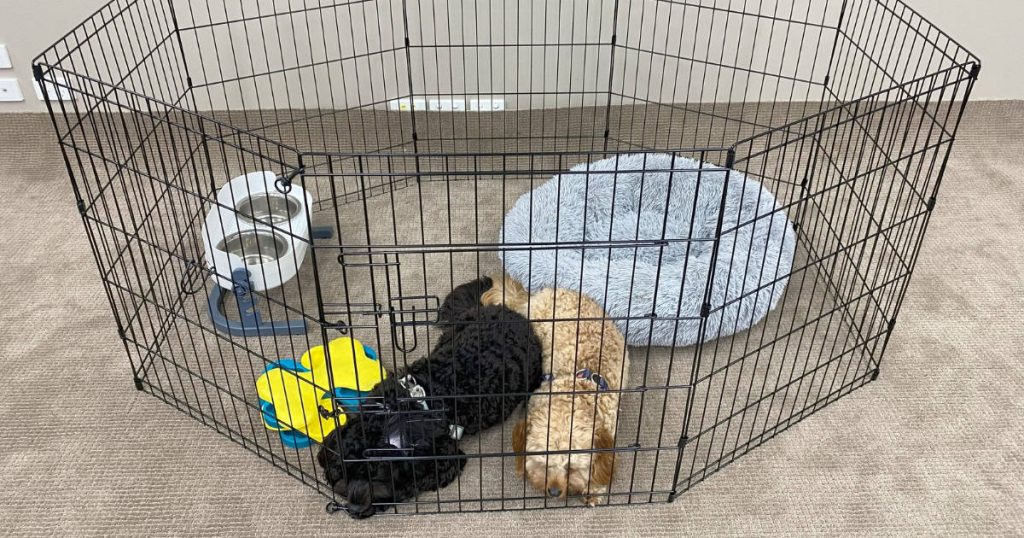
Start by choosing the right size crate. Your dog should have enough room to stand, turn around, and lie down comfortably.
Add soft bedding or a blanket to cushion the floor. This makes the crate cozier and encourages your dog to settle in.
Consider placing some favorite toys inside. Chew toys or puzzle feeders can keep your dog entertained and reduce boredom.
Make sure the crate is in a quiet, low-traffic area. Avoid placing it near loud appliances or in direct sunlight to keep your dog calm.
Positive Reinforcement
Use treats and praise to help your dog associate the crate with good things. Start by giving a treat every time your dog enters willingly.
Try feeding your dog meals inside the crate. This builds a positive connection and helps them see the crate as a safe place.
Avoid forcing your dog inside or using the crate as punishment. This can create negative feelings and resistance.
Be patient and consistent. Some dogs take longer to adjust, but gentle encouragement goes a long way.

Credit: pupford.com
When To Avoid Crating
Crating can be a helpful tool for training and safety. Yet, it is not always the right choice for every dog. Knowing when to avoid crating protects your dog’s health and happiness. Some situations make crate time harmful rather than helpful.
Health Issues
Dogs with certain health problems should not be crated for long. Joint pain or arthritis can worsen in a small space. Dogs with breathing difficulties may struggle in a crate. Skin conditions can also flare up if the crate is too tight or dirty. Crates limit movement, which can slow healing. Always ask a vet before crating a sick dog. Watch for signs like limping, coughing, or itching.
Severe Anxiety
Crates can cause stress in dogs with severe anxiety. Some dogs feel trapped and scared inside a crate. This fear can lead to destructive behavior or self-injury. Dogs that panic may bark or whine nonstop. This behavior shows crating is harming their mental health. Instead, use other calming methods like gentle exercise or quiet time outside the crate. Avoid forcing a dog who hates the crate to stay inside. Anxiety needs patience and understanding, not confinement.

Credit: www.petperspective.com.au
Frequently Asked Questions
How Long Can An Adult Dog Stay In A Crate?
Adult dogs should not stay in a crate for more than 4 to 6 hours. Longer periods can cause stress and discomfort. Regular breaks for exercise and bathroom needs are essential to maintain their health and happiness.
Is It Safe To Crate A Dog Overnight?
Yes, crating a dog overnight is generally safe if the crate is comfortable. Ensure the dog has had exercise, bathroom breaks, and water before bedtime. Avoid leaving puppies or dogs in crates for more than 8 hours straight.
How Often Should Puppies Be Crated Daily?
Puppies can be crated for 1 to 3 hours at a time. They need frequent bathroom breaks and playtime. Crating helps with house training but should never exceed their bladder capacity to prevent accidents.
What Are Signs A Dog Dislikes Being Crated?
Signs include whining, barking, scratching, or attempts to escape. Excessive drooling or destructive behavior may also occur. These signs indicate stress, and crate time should be reduced or made more comfortable.
Conclusion
Crate training your dog requires patience and understanding. Start with short periods. Gradually increase the time as your dog adjusts. Always make the crate a positive space. This helps your dog feel safe and calm. Monitor your dog’s behavior closely.
Each dog is different and may need unique attention. Remember, too much time in a crate isn’t healthy. Breaks for exercise and interaction are essential. Balancing crate time ensures your dog’s well-being. A happy dog makes for a happy home.
Keep your dog’s needs in mind, and success will follow.

Emily Barker is the founder of ChillDogLife.com, a space dedicated to helping pup parents discover the best dog products, lifestyle tips, and cozy ideas for happier homes.
A lifelong dog lover, Emily combines her passion for pets with a knack for research to share trusted recommendations on everything from toys and furniture to health and everyday care.
Her goal is simple: to make life easier, stylish, and more joyful for dogs and the people who love them.




