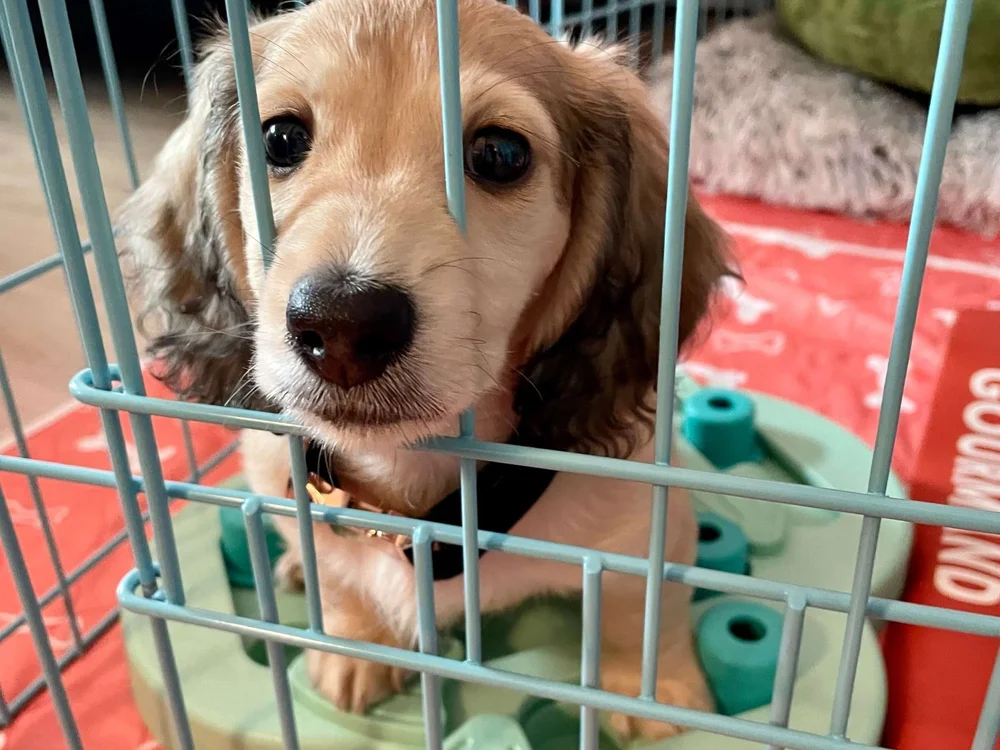
If you’re a dog owner, you’ve probably wondered, “How long can my dog be in a crate without feeling stressed or uncomfortable?” You want to keep your furry friend safe and happy, but you also need to make sure you’re not keeping them confined for too long. Getting this balance right is crucial for your dog’s well-being and your peace of mind.
You’ll discover the best practices for crate time, signs your dog might be struggling, and easy tips to make crate time a positive experience for both of you. Keep reading to learn how to create a safe and comfortable space your dog will actually enjoy.
Benefits Of Crate Training
Crate training offers many benefits for dogs and their owners. It creates a safe space where dogs feel secure and calm. This training method supports good behavior and helps dogs learn house rules. Understanding these benefits can encourage better care and training for your pet.
Promotes Safety And Comfort
A crate acts as a personal den for your dog. It keeps them safe from hazards inside the home. Dogs naturally seek small, cozy places to rest. The crate becomes their comfort zone, reducing stress and promoting relaxation. It also protects them from chewing harmful objects or getting into trouble.
Aids In House Training
Dogs avoid soiling their sleeping area. This instinct helps with potty training. Crate training sets clear boundaries for bathroom breaks. It teaches dogs to hold their bladder until they go outside. Consistency with crate use speeds up the house training process.
Reduces Anxiety And Destructive Behavior
Many dogs feel calmer inside a crate. It can reduce separation anxiety by giving a familiar place. The crate limits access to items dogs may destroy when stressed. Time spent in the crate helps dogs learn self-control. This lowers the chance of unwanted chewing or scratching.

Credit: www.care.com
Factors Influencing Crate Time
Determining the right crate time for your dog can be complex. Several factors influence how long a dog can comfortably stay in a crate. Understanding these factors ensures your pet’s well-being and happiness.
Age And Size Of The Dog
Puppies need more frequent breaks than adult dogs. Their small bladders require regular bathroom trips. Generally, puppies need a break every 2-3 hours. Large dogs may need more space to move. A larger crate might be necessary for their comfort.
Temperament And Energy Levels
Some dogs have high energy and need more exercise. Active dogs may struggle with long crate times. Calm dogs, on the other hand, might enjoy relaxing in their crate. Consider your dog’s personality and energy needs.
Health Considerations
Health issues affect how long a dog can be crated. Older dogs may have joint pain or bladder control issues. Illness or recovery periods also require more breaks. Always prioritize your dog’s health and comfort.
Recommended Crate Durations
Knowing the right amount of time for crate use keeps dogs safe and happy. Crate durations vary by age and needs. Proper timing helps avoid stress and accidents. Each dog needs a different approach to crate time.
Puppies And Short Intervals
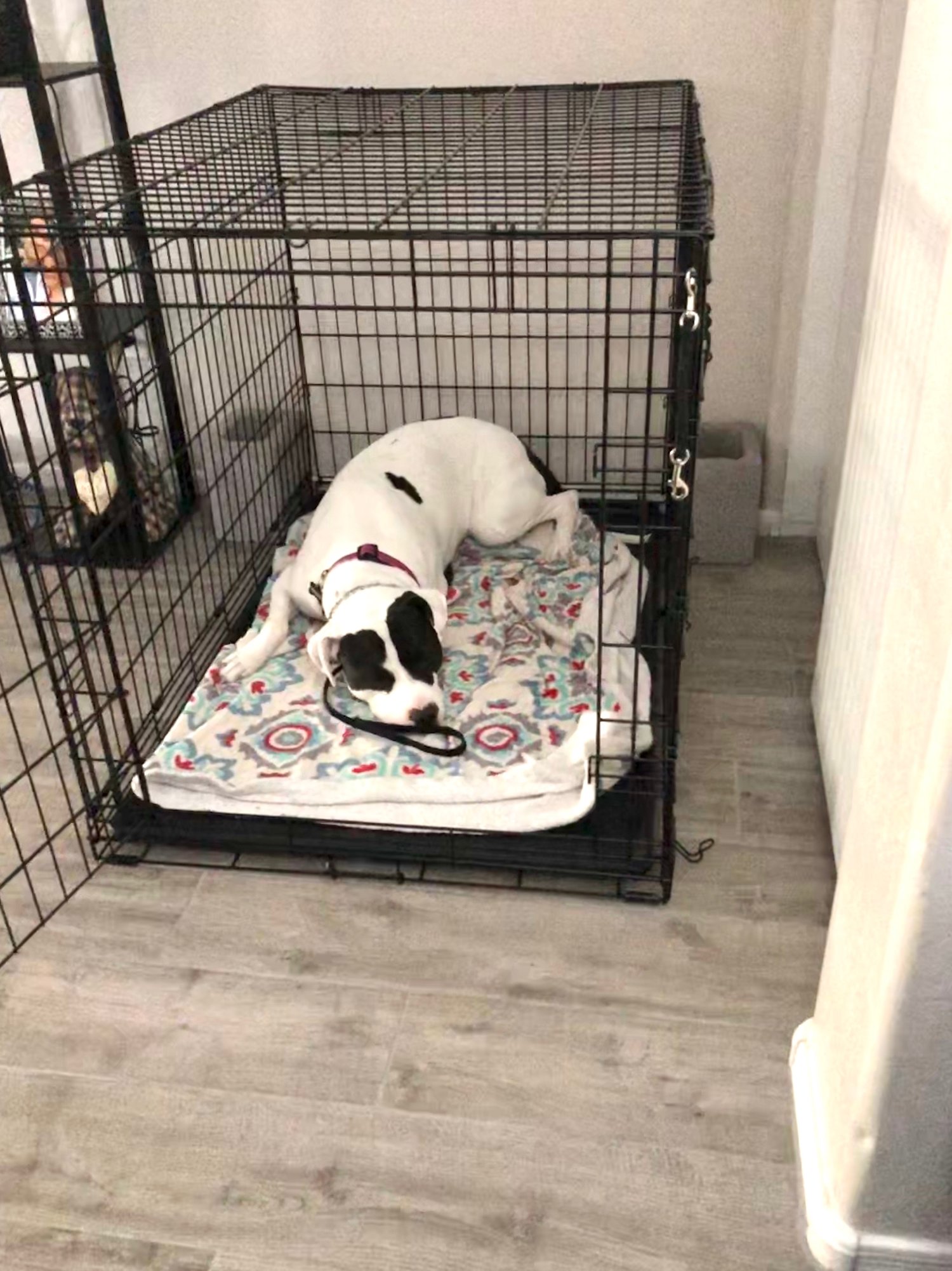
Puppies have small bladders and need frequent breaks. They should only stay in a crate for one hour per month of age. For example, a three-month-old puppy needs about three hours max. Short intervals prevent accidents and anxiety. Puppies need playtime and potty breaks often.
Adult Dogs And Extended Periods
Adult dogs can hold their bladder longer than puppies. Most can stay in a crate for up to six hours comfortably. Some dogs may need breaks sooner depending on health and activity. Crate time should not replace daily exercise and social time. A schedule helps keep them calm and well-behaved.
Senior Dogs And Special Needs
Senior dogs may have health issues affecting crate time. They might need more frequent potty breaks and gentle care. Special needs dogs require shorter crate durations and extra attention. Observe your dog’s behavior and adjust crate time as needed. Comfort and safety come first for older dogs.
Credit: www.sadiesrulesk9training.com
Signs Your Dog Needs A Break
Dogs need breaks from their crates to stay happy and healthy. Watching for signs that your dog needs a pause can prevent stress and discomfort. These signs show when your dog is ready to get out and move around.
Restlessness And Whining
Dogs often become restless when stuck too long in a crate. They may pace, shift positions, or scratch at the crate walls. Whining is a common way dogs ask for attention or relief. These behaviors mean your dog needs a break soon.
Excessive Barking
Barking more than usual signals distress or boredom. Dogs use barking to express discomfort or loneliness. If your dog barks loudly and repeatedly, it is time to open the crate. Letting them out helps reduce stress and keeps them calm.
Physical Discomfort
Look for signs of physical discomfort like stiff muscles or difficulty standing. Dogs may stretch or try to adjust their position often. Sore joints or aching muscles show they have stayed too long inside. Giving your dog time to move helps prevent pain.
Safe Crate Practices
Safe crate practices help your dog feel secure and happy inside the crate. The right approach makes crate time a positive experience. It prevents stress and keeps your dog comfortable. Understanding these practices ensures crate use supports good behavior and health.
Choosing The Right Crate Size
Pick a crate that fits your dog well. It should be big enough to stand, turn, and lie down comfortably. Too small crates cause discomfort and anxiety. Too large crates may encourage accidents inside. Measure your dog’s length and height before buying. This helps find the perfect fit.
Creating A Comfortable Space
Make the crate inviting and cozy. Add soft bedding or a blanket for comfort. Place a favorite toy inside to reduce boredom. Keep the crate in a quiet, safe area of your home. Avoid placing it near loud noises or direct sunlight. Good ventilation is important too.
Introducing The Crate Gradually
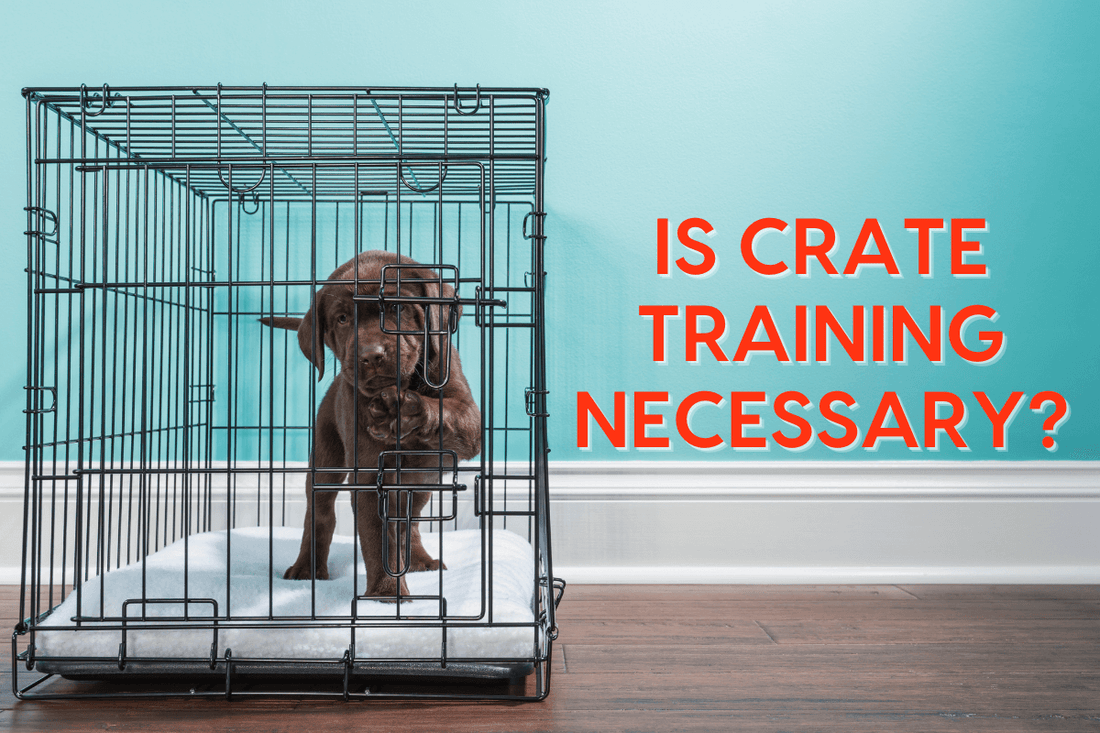
Let your dog explore the crate at their own pace. Start with short, positive visits during the day. Use treats and praise to create good associations. Never force your dog inside or use the crate as punishment. Slowly increase the time spent in the crate. Patience builds trust and comfort over time.
Credit: pupford.com
Alternatives To Long Crate Times
Keeping your dog in a crate for long periods isn’t always the best choice. Dogs need more than just a safe space—they need stimulation, movement, and mental challenges. Luckily, there are ways to reduce crate time without sacrificing your dog’s comfort or safety.
Exercise And Play Breaks
Regular breaks for exercise and play are essential. Take your dog out for a quick walk or a game of fetch every few hours. This helps them burn off energy and stay calm when they return to the crate.
Think about your own day—would you want to sit in a small room for hours without moving? Your dog feels the same. Short, frequent bursts of activity improve their mood and reduce anxiety.
Interactive Toys And Puzzles
Interactive toys can keep your dog busy and mentally sharp. Puzzle feeders, treat-dispensing toys, or chew toys provide challenges that distract them from boredom. These toys are a great way to make crate time more enjoyable.
Try swapping toys regularly to keep your dog interested. Have you noticed how your dog reacts to a new toy? Their excitement can be a good sign that mental stimulation is working well.
Using Baby Gates Or Playpens
Instead of confining your dog to a crate for long hours, consider using baby gates or playpens. These tools give your dog more space to move around while still keeping them safe and contained.
This approach works well if you want your dog to have access to a larger area but need to prevent them from getting into trouble. Have you tried this setup before? It often reduces stress for both dogs and owners.
Common Crate Training Mistakes
Crate training can be a fantastic tool for both you and your dog, but it’s easy to slip up without realizing it. Mistakes during crate training can lead to stress for your dog and frustration for you. Knowing what to avoid helps you create a safe and positive space for your furry friend.
Overusing The Crate
Leaving your dog in the crate for too long can cause anxiety and physical discomfort. Dogs need regular breaks to stretch, eliminate, and interact with you. Think about your own needs—would you want to be confined for hours without a break?
Try to limit crate time to a few hours at a stretch, especially for puppies. If you must be away longer, arrange for someone to check on your dog or consider doggy daycare.
Ignoring Signs Of Stress
Your dog will show you if they’re unhappy in the crate, but it’s easy to miss these signals if you’re not paying close attention. Whining, scratching, or excessive drooling are common signs of distress. Have you ever felt trapped and restless? Dogs feel this way too.
Listen and watch carefully. If your dog shows stress, try shorter crate sessions and add positive reinforcement like treats and toys. The crate should feel like a safe retreat, not a punishment.
Using The Crate As Punishment
Using the crate to punish your dog damages trust and makes them fear the space. Your dog’s crate should be their sanctuary, not a place they associate with negative feelings. Imagine being sent to your room every time you made a mistake—would you like that?
Instead, use the crate for calm, happy moments. Feed meals in the crate and praise your dog when they go inside voluntarily. Creating positive associations helps your dog accept the crate willingly.
When To Consult A Professional
Knowing when to seek help from a professional is key to your dog’s well-being. Crate training should be safe and comfortable for your dog. If challenges arise, expert advice can guide you. Professionals can identify problems early and offer effective solutions. This support prevents stress and harm to your dog.
Behavioral Issues
Signs like constant barking or chewing inside the crate need attention. Anxiety or fear around the crate can worsen without help. Professionals can teach ways to ease your dog’s stress. They provide techniques to build positive crate associations. Early action stops bad habits from becoming permanent.
Health Concerns
Watch for signs like unusual lethargy or difficulty moving after crate time. Prolonged crate use may cause muscle stiffness or joint pain. A vet can check for any medical issues. Health problems may affect how long your dog should stay crated. Timely medical advice keeps your dog healthy and active.
Customized Training Plans
Every dog is unique and may need a special training plan. Professionals create plans based on age, breed, and personality. They adjust crate time to suit your dog’s needs. A tailored approach helps your dog learn faster and feel safe. This ensures crate time is positive and stress-free.
Frequently Asked Questions
How Long Can A Dog Stay In A Crate Daily?
Most adult dogs can stay in a crate for up to 4 hours. Puppies need shorter periods, around 1-2 hours. Always ensure they have bathroom breaks and exercise outside the crate.
Can Dogs Be Crated Overnight Safely?
Yes, adult dogs can safely stay in a crate overnight, usually 6-8 hours. Puppies may need more frequent bathroom breaks and shorter crate times at night.
What Factors Affect Crate Time Limits For Dogs?
Dog age, size, health, and training influence crate time limits. Puppies need shorter periods, and older dogs may require more frequent breaks. Always adjust crate time to your dog’s needs.
Is It Harmful To Leave A Dog In A Crate Too Long?
Yes, leaving a dog in a crate too long can cause stress, anxiety, and physical issues. Dogs need exercise, social interaction, and bathroom breaks regularly to stay healthy.
Conclusion
Crate time depends on your dog’s age and needs. Puppies need shorter stays, about one hour per month of age. Adult dogs can handle up to four hours at a stretch. Always watch for signs of stress or discomfort. Give your dog breaks to stretch and relieve itself.
A crate should feel safe, never a punishment. Use it wisely to help your dog feel calm and happy. Balance crate time with play and exercise daily. This keeps your dog healthy and content.

Emily Barker is the founder of ChillDogLife.com, a space dedicated to helping pup parents discover the best dog products, lifestyle tips, and cozy ideas for happier homes.
A lifelong dog lover, Emily combines her passion for pets with a knack for research to share trusted recommendations on everything from toys and furniture to health and everyday care.
Her goal is simple: to make life easier, stylish, and more joyful for dogs and the people who love them.




