
Are you curious about how big a Blue Heeler dog really gets? Whether you’re thinking about bringing one into your home or just love learning about different breeds, knowing their size is important.
Blue Heelers are full of energy and personality, but their size might surprise you. Keep reading to find out exactly how tall and heavy these dogs grow—and what that means for your space, lifestyle, and care. You’ll discover facts that help you decide if a Blue Heeler is the perfect fit for you.
Blue Heeler Size Basics
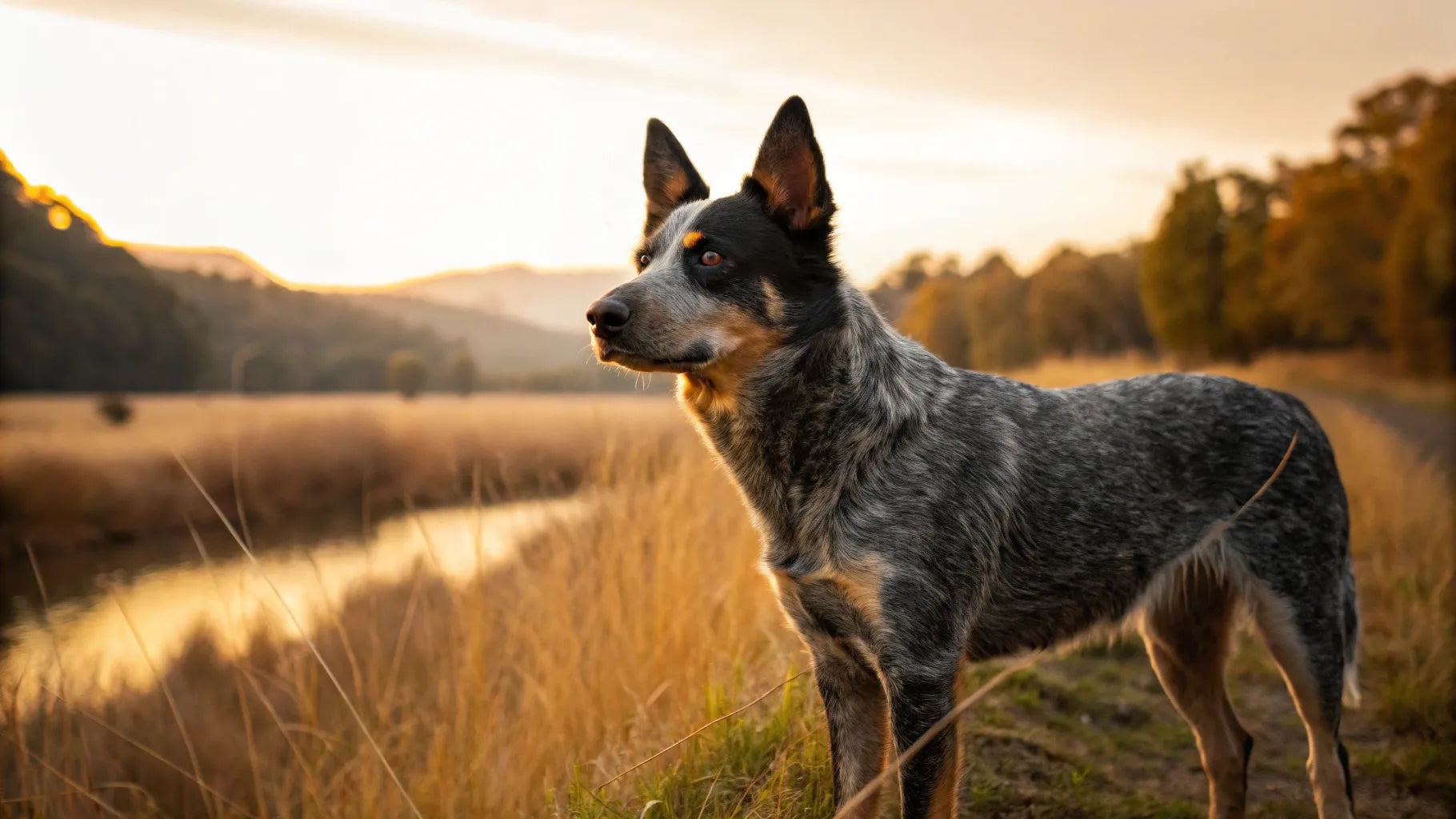
The Blue Heeler, also known as the Australian Cattle Dog, is a strong and agile breed. Knowing its size helps owners prepare for space and care needs. This breed is medium-sized but very sturdy and muscular. Size varies slightly between males and females. Understanding height and weight gives a clear picture of the Blue Heeler’s build.
Average Height Range
Male Blue Heelers usually stand between 18 to 20 inches tall at the shoulder. Females are a bit smaller, measuring 17 to 19 inches. This height makes them perfect for herding work. Their compact frame supports great speed and endurance.
Typical Weight Range
Weight depends on gender and muscle mass. Males typically weigh between 35 to 50 pounds. Females weigh slightly less, usually 30 to 45 pounds. This weight range keeps them agile without losing strength. Blue Heelers carry their weight evenly, giving them a balanced appearance.
Size Differences By Gender
Blue Heelers show clear size differences between males and females. These differences affect their height, weight, and overall build. Understanding these variations helps in better care and training.
Male Blue Heelers
Male Blue Heelers are generally larger and more muscular. They stand about 18 to 20 inches tall at the shoulder. Their weight usually ranges from 35 to 50 pounds. Males have a strong and sturdy frame suited for hard work. Their size gives them great endurance and strength.
Female Blue Heelers
Female Blue Heelers tend to be smaller and lighter. They usually stand between 17 and 19 inches tall. Their weight ranges from 30 to 45 pounds. Females have a slightly leaner build but remain very agile. Their size makes them quick and excellent herders.
Growth Stages And Size Changes
Understanding the growth stages and size changes of a Blue Heeler dog helps you prepare for the care and space they need. These dogs go through distinct phases from tiny puppies to strong adults. Watching your Blue Heeler grow reveals how their energy and physical needs evolve over time.
Puppy Growth Timeline
Blue Heeler puppies grow rapidly in their first few months. During the first 8 weeks, they typically double their birth weight every week. Expect them to be lively and curious as they develop coordination and social skills.
Between 2 to 4 months, your puppy will start to look more like a miniature adult. You may notice their legs lengthening and muscle tone improving. Their weight can jump from about 10 pounds at 8 weeks to around 20-25 pounds by 4 months.
From 4 to 6 months, growth slows but remains steady. This is when teething happens, and your Blue Heeler might chew more often. Their size can reach roughly 30-35 pounds, and they’ll begin to show the strong build typical of their breed.
Adult Size Milestones
By 6 to 12 months, your Blue Heeler is close to their adult size but still filling out. Most males reach between 35-50 pounds, while females tend to be slightly smaller. Their height usually ranges from 17 to 20 inches at the shoulder.
After the first year, weight gain slows and muscle definition becomes clearer. You might notice your dog gaining strength, endurance, and agility. Their energy levels stabilize, and you can better predict their adult behavior and training needs.
Have you measured your Blue Heeler’s growth regularly? Tracking these changes can help you adjust food portions, exercise routines, and health check-ups. Your dog’s size reflects their health, so staying aware pays off in a happier, stronger companion.

Credit: www.greensafaris.com
Factors Influencing Size
The size of a Blue Heeler dog varies widely. Several factors influence how big they grow. Understanding these factors helps predict the adult size of your Blue Heeler. Genetics, diet, and exercise all play key roles in their growth.
Genetics And Breeding
Genetics have the strongest effect on a Blue Heeler’s size. Puppies inherit traits from their parents. Breeders select dogs for specific sizes and features. Some bloodlines produce larger Heelers, while others stay smaller. Mixed breeding can also affect size unpredictably.
Diet And Nutrition
Proper nutrition supports healthy growth in Blue Heelers. Balanced diets with the right vitamins and minerals help them reach full size. Poor diets can stunt growth or cause weight problems. Feeding quality dog food suited for puppies is essential.
Exercise And Activity Levels
Active Blue Heelers develop strong muscles and bones. Regular exercise helps maintain ideal weight and shape. Lack of activity may lead to overweight dogs that appear larger but less healthy. Controlled exercise during puppyhood supports steady growth.
Comparing Blue Heelers To Other Breeds
Understanding how a Blue Heeler compares to other dog breeds can help you decide if this energetic, medium-sized herding dog fits your lifestyle. Blue Heelers have a unique size profile that places them comfortably between smaller companions and larger working dogs. Let’s look closer at breeds similar in size and those bigger herding dogs to see where Blue Heelers stand.
Similar Sized Breeds
Blue Heelers typically weigh between 35 and 50 pounds and stand about 17 to 20 inches tall at the shoulder. This puts them in the same size range as several popular breeds. For example:
- Border Collie:Usually 30 to 45 pounds, 18 to 22 inches tall. Both are agile and excellent herders.
- Australian Terrier:Weighs around 14 to 16 pounds, slightly smaller but shares a similar sturdy build.
- Cocker Spaniel:Weighs 20 to 30 pounds, a bit lighter but close in height.
Knowing these comparisons helps you imagine your daily activities with a Blue Heeler. Are you looking for a dog that matches your active lifestyle but won’t overwhelm your space? Blue Heelers often fit perfectly here.
Differences From Larger Herding Dogs
Compared to bigger herding breeds like the German Shepherd or Belgian Malinois, Blue Heelers are more compact and often more agile in tight spaces. German Shepherds typically weigh 50 to 90 pounds and stand around 22 to 26 inches tall. This size difference affects exercise needs and home environment suitability.
Blue Heelers demand intense mental stimulation and physical activity, but their smaller size means you might manage their energy better in an apartment or smaller yard. Larger herding dogs often require more space and can be more intimidating to some families.
Think about your living situation and time you can dedicate to training. Does a Blue Heeler’s size and energy level align with what you can offer? Sometimes, the best choice isn’t the biggest dog but the one that fits your daily rhythm.
Credit: www.houndsy.com
Measuring Your Blue Heeler
Measuring your Blue Heeler accurately helps you understand its size and health better. It also allows you to track growth or spot any sudden changes that might need a vet’s attention. Knowing the right way to measure height and weight ensures your dog’s well-being and helps with proper feeding and exercise plans.
How To Measure Height
To measure your Blue Heeler’s height, find a flat surface like a floor or a low table. Have your dog stand straight with all four paws flat. Use a ruler or tape measure to check from the ground to the top of the shoulders, not the head.
Make sure your dog stays still for an accurate reading. You can ask a family member to help hold your dog gently while you measure. Do this a few times and take the average if the numbers differ.
How To Weigh Accurately
Weigh your Blue Heeler using a reliable scale, preferably a digital one for precision. If your dog is small enough, use a bathroom scale by weighing yourself first, then weigh again while holding your dog. Subtract your weight from the combined total to get your dog’s weight.
For larger dogs, visit a vet or pet store with a pet scale. Weigh your dog at the same time of day, ideally before feeding, to avoid fluctuations. Regular weighing helps you notice any unexpected weight loss or gain quickly.
Size And Health Considerations
Understanding the size and health considerations of a Blue Heeler dog is essential for providing the best care. These dogs are compact but muscular, making their weight and overall health critical to monitor. Knowing what to expect helps you keep your Blue Heeler active and happy for years.
Weight Management Tips
Blue Heelers typically weigh between 35 to 50 pounds, with males usually larger than females. Maintaining an ideal weight is crucial because extra pounds can strain their joints and reduce their agility.
Here are some practical tips to help manage your Blue Heeler’s weight:
- Measure their food:Avoid free-feeding and stick to recommended portion sizes based on your dog’s age and activity level.
- Regular exercise:Blue Heelers need daily physical activity like running, hiking, or playing fetch to burn calories and stay fit.
- Healthy treats:Choose low-calorie snacks or use small pieces of fruits and vegetables as rewards.
- Monitor weight:Weigh your dog monthly and watch for any sudden changes that might signal health issues.
Have you ever noticed how a Blue Heeler’s energy dips when they’re a bit overweight? Keeping their weight in check keeps their spirit lively and their body strong.
Common Size-related Health Issues
Because Blue Heelers are active dogs with a sturdy build, they face certain health risks tied to their size and structure. One common issue is hip dysplasia, which can cause pain and mobility problems if the dog carries excess weight.
Another concern is arthritis, especially as they age. Overweight Blue Heelers are more prone to joint problems, which limits their ability to exercise and maintain muscle tone.
Eye conditions like progressive retinal atrophy may not be size-related but are important to watch for in this breed. Regular vet check-ups can catch issues early and keep your dog healthy.
What small changes can you make today to protect your Blue Heeler’s joints and overall health? Sometimes, simple daily habits like balanced meals and consistent walks make a huge difference.

Credit: www.lemonade.com
Frequently Asked Questions
What Is The Average Size Of A Blue Heeler?
The average size of a Blue Heeler, also known as an Australian Cattle Dog, is between 17 to 20 inches tall at the shoulder. Their weight typically ranges from 35 to 50 pounds. These medium-sized dogs are known for their sturdy and muscular build.
How Does A Blue Heeler’s Size Compare To Other Breeds?
Compared to other breeds, Blue Heelers are medium-sized with a robust and compact build. They are smaller than breeds like German Shepherds but larger than small breeds like Beagles. Their size makes them agile and suited for herding tasks, which is their primary role.
Do Blue Heelers Grow After A Certain Age?
Blue Heelers typically reach their full size by 12 to 18 months of age. By this time, they have developed their characteristic muscular build. However, they may continue to gain muscle mass and fill out slightly beyond this age.
Is A Blue Heeler Suitable For Apartment Living?
Due to their medium size and high energy levels, Blue Heelers may not be ideal for apartment living. They require ample space to exercise and play. However, with sufficient daily exercise, they can adapt to smaller living environments.
Conclusion
Blue Heelers are medium-sized dogs with strong builds. They usually weigh between 35 and 50 pounds. Their height ranges from 17 to 20 inches at the shoulder. This size makes them agile and hardworking. They suit active families who enjoy outdoor activities.
Knowing their size helps you prepare a proper home and care. Blue Heelers need space to run and play every day. Understanding their size is key to happy, healthy pets. They bring energy and loyalty to any home. Consider their size before bringing one into your life.

Emily Barker is the founder of ChillDogLife.com, a space dedicated to helping pup parents discover the best dog products, lifestyle tips, and cozy ideas for happier homes.
A lifelong dog lover, Emily combines her passion for pets with a knack for research to share trusted recommendations on everything from toys and furniture to health and everyday care.
Her goal is simple: to make life easier, stylish, and more joyful for dogs and the people who love them.




