
Have you ever found your dog pooping in his crate and wondered why it’s happening? It can be frustrating and confusing, especially when you’re trying to keep your home clean and your pet happy.
But understanding the reasons behind this behavior is the first step to solving the problem. You’ll discover the common causes that make dogs do their business in their crates—and how you can help your furry friend feel comfortable and secure again.
Keep reading to learn what’s really going on and how to fix it for good.
Reasons Dogs Soil Crates
Dogs usually keep their crates clean. So, when a dog poops in the crate, it signals a problem. Understanding why dogs soil their crates helps owners fix the issue fast. Causes vary from health to behavior. Each reason needs different attention and care.
Health Issues
Health problems can cause accidents in the crate. Digestive troubles or infections may lead to loose stools. Older dogs might have trouble controlling their bowels. Pain or discomfort can make holding it difficult. A vet check is important to rule out sickness.
Anxiety And Stress
Stress can make dogs lose control in their crate. Separation anxiety is a common cause of accidents. Loud noises or new environments add to stress. Dogs may soil to express fear or discomfort. Calming techniques and comfort help reduce anxiety.
Lack Of Proper Training
Without proper training, dogs may not know crate rules. Puppies especially need time to learn where to go. Inconsistent routines confuse dogs about bathroom habits. Clear, gentle training teaches dogs to wait for breaks. Patience is key to successful crate training.
Insufficient Bathroom Breaks
Dogs need regular chances to go outside. Long hours in the crate increase accident risks. Puppies and older dogs need more frequent breaks. A schedule with enough bathroom time helps prevent messes. Watch for signs that your dog needs to go.
Crate Size Problems
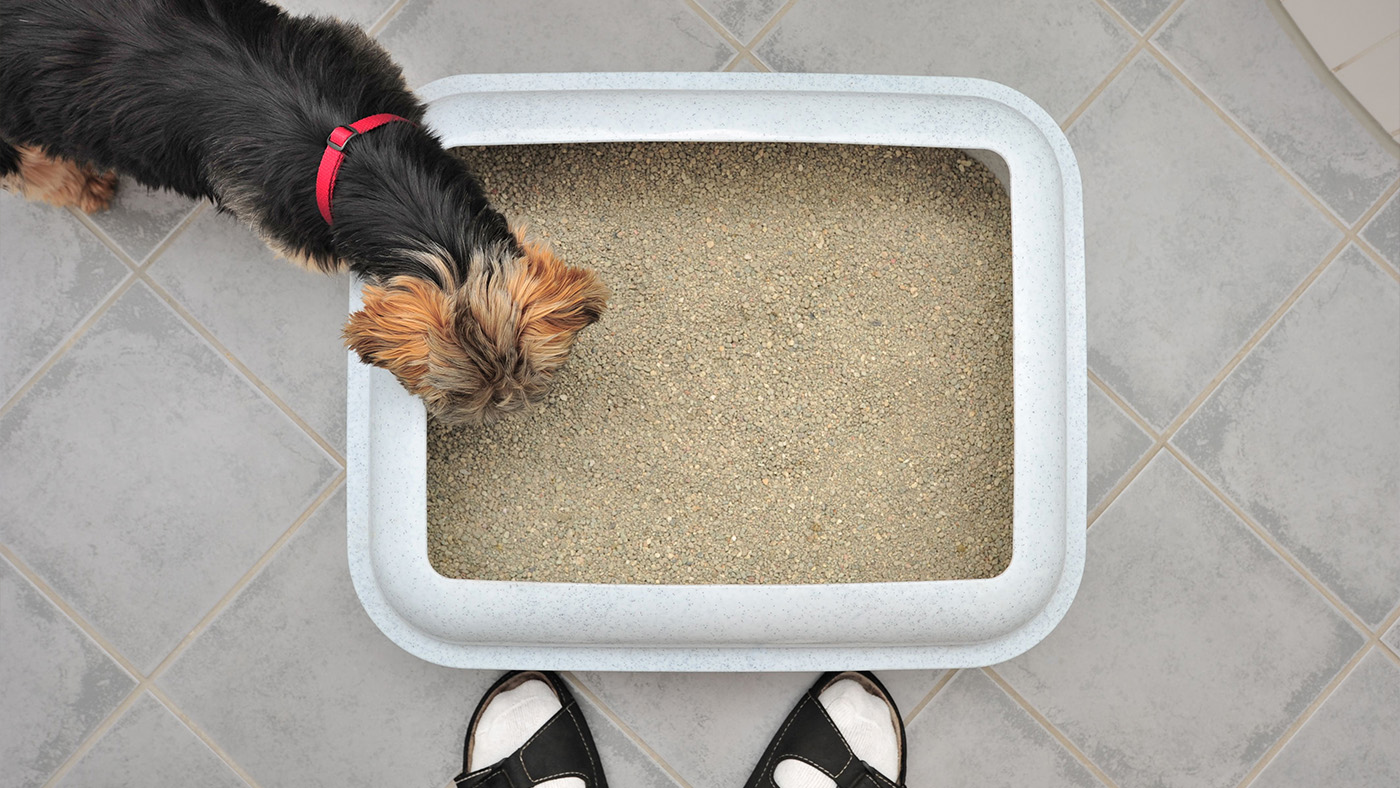
The crate size affects a dog’s bathroom habits. Too large a crate gives space to soil one corner. Too small a crate causes discomfort and accidents. The crate should fit the dog comfortably, enough to stand and turn. Proper sizing encourages dogs to keep their space clean.
Credit: www.petsradar.com
Health Concerns To Watch
Health issues can cause a dog to poop in his crate. Ignoring these signs may worsen your dog’s condition. Watch for changes in behavior or bathroom habits. Early detection helps your dog get proper care fast.
Digestive Disorders
Digestive problems often lead to accidents in the crate. Conditions like upset stomach or diarrhea make it hard to hold waste. Your dog may feel uncomfortable and lose control. Persistent crate soiling could signal issues like gastritis or food intolerance.
Urinary Tract Infections
Urinary tract infections cause frequent and urgent bathroom needs. Dogs may have accidents if they cannot reach the spot in time. These infections may also cause pain or discomfort. Notice if your dog strains or whines while trying to pee.
Parasites And Illness
Parasites such as worms can upset your dog’s digestion. Illnesses like kidney or liver disease affect bathroom habits too. These conditions often cause sudden accidents in the crate. Regular vet checks can spot these problems early for better care.
Behavioral Causes
Understanding why your dog might poop in his crate involves looking beyond physical causes. Behavioral reasons often play a significant role. Recognizing these can help you address the root of the problem, making crate training more effective and less stressful for both you and your pet.
Separation Anxiety
Dogs with separation anxiety often feel extreme stress when left alone, even in their crate. This anxiety can lead to accidents as a way to cope with their fear. Have you noticed your dog pacing, whining, or scratching at the crate door before the accident? These signs can indicate distress that triggers unwanted behavior.
To help, try leaving the crate door open initially and gradually increase the time your dog spends inside. Providing comfort items like a favorite toy or blanket can also ease anxiety. Consistency and patience are key to helping your dog feel safe and secure.
Fear And Phobias
Noise phobias or traumatic experiences related to the crate can cause your dog to soil inside it. Thunderstorms, fireworks, or loud household noises might trigger fear responses. Ask yourself if your dog’s accidents coincide with these events or other stressful situations.
Creating a calm environment and using positive reinforcement when your dog enters the crate can change their association with it. Sometimes, calming aids like pheromone sprays or background white noise help reduce fear. Addressing the fear head-on can prevent accidents caused by panic.
Attention-seeking Behavior
Some dogs learn that pooping in their crate gets a big reaction from their owners. Even negative attention is better than none for these pets. Have you caught yourself rushing to clean or scolding after an accident? Your response might unintentionally reinforce the behavior.
Instead, try ignoring accidents and rewarding calm, quiet behavior outside of the crate. Establish a clear routine for bathroom breaks to minimize confusion. By changing how you respond, you can shift your dog’s motivation away from seeking attention through accidents.
Training Mistakes
Training mistakes are often the hidden reason why your dog might be pooping in his crate. These errors can confuse your dog and create a stressful environment that leads to accidents. Understanding these common pitfalls can help you adjust your approach and create a more positive experience for your pet.
Inconsistent Potty Training
Inconsistency in potty training can make your dog unsure about where and when to relieve himself. If you change schedules frequently or don’t take your dog out often enough, he might not learn to hold it until he’s outside. Dogs thrive on routine, so sticking to a regular potty schedule is crucial.
Think about your own habits—would you feel comfortable if your bathroom breaks were unpredictable? Your dog feels the same way. Consistency builds trust and understanding.
Ignoring Signs Of Need
Dogs give clear signals when they need to go out, like sniffing around or pacing. Ignoring these signs can lead to accidents in the crate because your dog has no way to communicate effectively. Pay close attention to your dog’s behavior and respond quickly.
Missing these signs is a common mistake that many owners make during busy days. Have you noticed your dog’s subtle hints before an accident? Catching these early can save you frustration and help your dog feel secure.
Using Crate As Punishment
When a crate becomes a place of punishment, your dog may associate it with fear and anxiety. This negative association can cause your dog to avoid the crate or act out by pooping inside. The crate should always be a safe, comfortable space, not a time-out zone.
Imagine being locked somewhere you dislike whenever you make a mistake. Would you want to go back? Instead, use positive reinforcement to make the crate a happy place. This will encourage your dog to stay clean and calm inside.
Crate Setup Tips
Setting up a crate correctly helps prevent accidents like pooping inside. A well-arranged crate makes your dog feel safe and secure. Attention to detail in the crate setup can improve your dog’s comfort and habits.
Choosing The Right Size
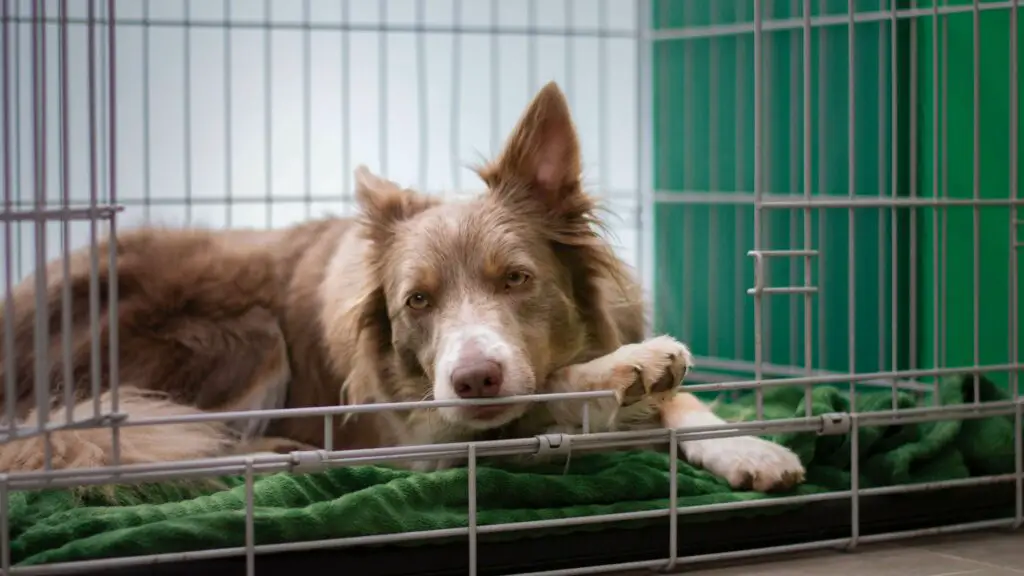
Select a crate that fits your dog’s size perfectly. It should be large enough for standing, turning, and lying down. Too big a crate may encourage your dog to use one corner as a bathroom. Too small can cause discomfort and stress.
Creating A Comfortable Space
Line the crate with soft bedding to make it cozy. Avoid bedding that your dog can easily chew or swallow. Include a favorite toy or blanket to provide comfort. Keep the crate clean and dry to encourage good habits.
Establishing A Routine
Set regular times for feeding, potty breaks, and crate time. Take your dog outside to potty before and after crate use. Consistency helps your dog understand when and where to go. A routine builds trust and reduces accidents.
Credit: wb-iisg.com
Effective Solutions
Finding effective solutions for a dog pooping in his crate helps keep your home clean. It also improves your dog’s comfort and health. Addressing the root causes makes training easier and more successful. Here are key areas to focus on for better results.
Medical Checkups
Start with a visit to the veterinarian. Health problems like infections or digestive issues can cause accidents. A vet can rule out or treat medical conditions. This step prevents unnecessary stress for both you and your dog.
Positive Reinforcement Training
Reward your dog for good behavior in the crate. Use treats and praise to encourage holding it until outside. Avoid punishment, which can increase anxiety. Consistency helps your dog learn faster and feel safe.
Increasing Bathroom Frequency
Take your dog out more often. Younger dogs and puppies need frequent bathroom breaks. Set a schedule and watch for signs your dog needs to go. This reduces accidents by giving regular chances to relieve themselves.
Managing Anxiety
Crate anxiety can lead to accidents. Provide comfort with familiar blankets or toys inside. Practice short crate times and build up gradually. Calming aids or consult with a trainer may help anxious dogs feel secure.
When To Seek Professional Help
Knowing when to seek professional help is key if your dog poops in his crate often. Persistent crate soiling may indicate health or behavior problems. Early action can prevent stress for you and your dog. Professionals can offer guidance tailored to your dog’s needs. Here are signs that it’s time to reach out for expert support.
Veterinarian Consultation
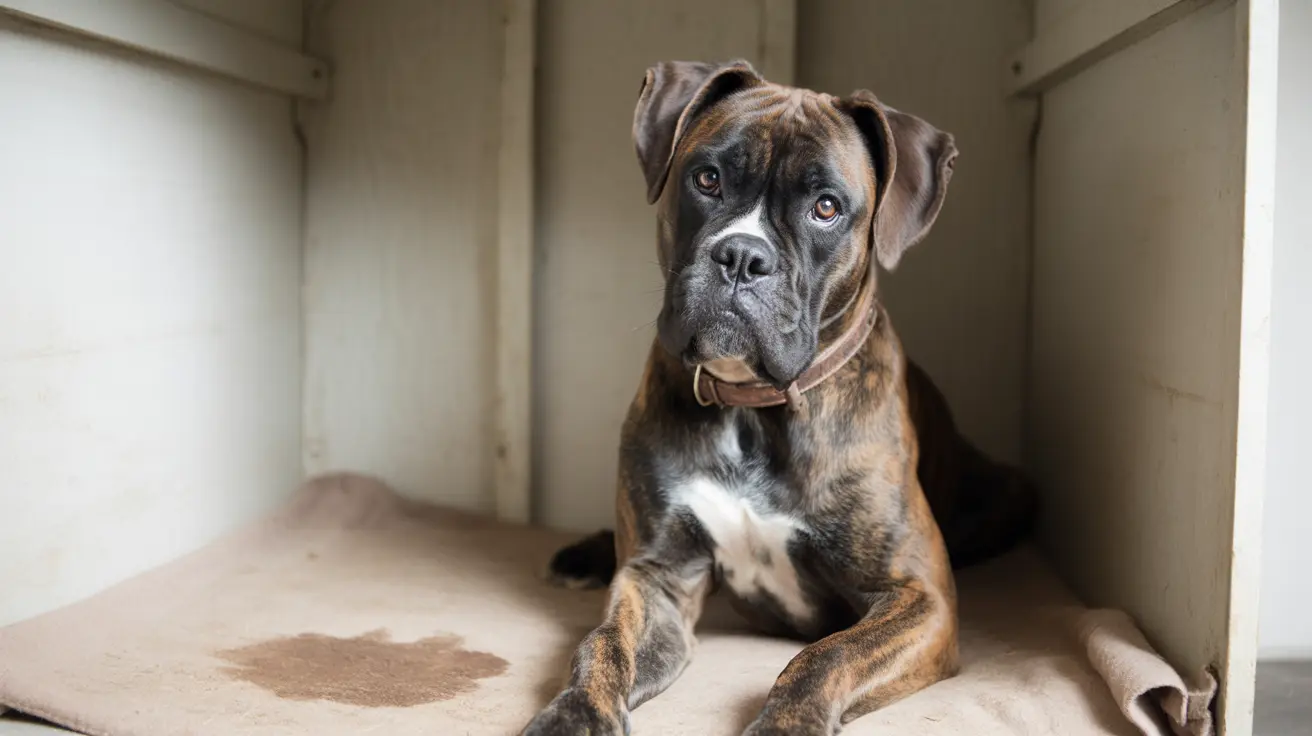
Visit a veterinarian to rule out medical causes. Problems like infections, digestive issues, or urinary tract problems can cause accidents. Your vet will perform exams and tests to find any health issues. Treating medical problems often stops crate soiling quickly. Always check health first before addressing behavior.
Working With A Trainer
A qualified dog trainer helps correct unwanted crate habits. Trainers teach proper crate training and housebreaking techniques. They observe your dog’s behavior and suggest effective routines. Trainers provide practical tips to build good habits and reduce stress. Regular sessions improve communication between you and your dog.
Behavioral Therapy Options
Behavioral therapists address anxiety or fear causing crate accidents. Therapy helps dogs cope with stress and separation anxiety. Techniques include desensitization, counter-conditioning, and relaxation exercises. Therapy improves your dog’s comfort and confidence in the crate. It supports long-term positive behavior changes.
Credit: www.petscare.com
Frequently Asked Questions
Why Does My Dog Poop In His Crate?
Dogs might poop in their crate due to anxiety, lack of training, or health issues. If your dog experiences stress, it can lead to accidents. Ensure your dog is properly trained and healthy. Consult a vet if the issue persists to rule out medical problems.
Can Crate Size Affect My Dog’s Behavior?
Yes, an inappropriate crate size can affect your dog’s behavior. A crate that’s too small can cause discomfort and stress. Ensure the crate is spacious enough for your dog to stand, turn, and lie down comfortably. A suitable crate size can help your dog feel secure.
How Can I Prevent Crate Accidents?
To prevent crate accidents, ensure your dog has regular bathroom breaks. Establish a consistent feeding and potty schedule. Avoid leaving your dog in the crate for too long. Provide adequate exercise and mental stimulation. Training and patience are key to preventing accidents.
Is Anxiety Causing My Dog To Poop In His Crate?
Anxiety can indeed cause your dog to poop in his crate. Stressful situations, such as loud noises or separation anxiety, can trigger accidents. Create a calm environment for your dog. Consider using calming aids or consulting a professional trainer if anxiety persists.
Conclusion
Dogs may poop in their crate due to stress, illness, or lack of training. Understanding the cause helps you fix the problem. Keep the crate clean and comfortable. Give your dog regular bathroom breaks. Patience and consistency improve crate habits over time.
A happy dog feels safe and relaxed in its space. Small changes can make a big difference. Stay calm and watch for signs of discomfort. Your efforts will help your dog learn good habits soon.

Emily Barker is the founder of ChillDogLife.com, a space dedicated to helping pup parents discover the best dog products, lifestyle tips, and cozy ideas for happier homes.
A lifelong dog lover, Emily combines her passion for pets with a knack for research to share trusted recommendations on everything from toys and furniture to health and everyday care.
Her goal is simple: to make life easier, stylish, and more joyful for dogs and the people who love them.




