Are you wondering if your playful puppy needs more food than your adult dog? It’s a common question that many pet owners face.
Feeding your furry friend the right amount is crucial for their health and happiness. Too little food can slow their growth, while too much can cause weight problems. You’ll discover exactly how much your puppy needs and why their diet differs from adult dogs.
Keep reading to learn how to give your pup the best start in life.
Credit: www.thinkjinx.com
Puppy Growth And Nutritional Needs
Puppies grow fast and need special food to stay healthy. Their bodies change quickly as they get bigger.
Feeding puppies the right amount of food helps them build strong bones and muscles. It also supports their brain and immune system.
Rapid Development Stages
Puppies grow in stages that happen very fast. In the first few weeks, they learn to see and hear.
Between 3 to 12 weeks, puppies start to eat solid food and explore the world. Their growth speed is highest during this time.
- Newborn stage: rely on mother’s milk
- Weaning stage: start eating soft food
- Juvenile stage: rapid increase in size
- Adolescent stage: growth slows before adulthood
Key Nutrients For Puppies
Puppies need protein to build muscles and tissues. Fat gives them energy and helps brain growth.
Calcium and phosphorus are important for strong bones and teeth. Vitamins and minerals support overall health.
- Protein for muscle growth
- Fat for energy and brain health
- Calcium and phosphorus for bones
- Vitamins and minerals for body functions
Energy Requirements Compared To Adults
Puppies need more calories than adult dogs. Their bodies use energy for fast growth and play.
Adult dogs need less energy because they grow slower and move less. Feeding puppies adult food can cause nutrient gaps.
| Life Stage | Energy Needs (per pound) |
|---|---|
| Puppies | 2 to 3 times more than adults |
| Adult Dogs | Base energy for maintenance |
Credit: www.chewy.com
Differences In Feeding Amounts
Puppies and adult dogs have different food needs. Their bodies grow and use energy in unique ways. Understanding these differences helps you feed them right.
This guide covers calories, portion sizes, and feeding times for puppies versus adult dogs.
Caloric Needs By Age
Puppies need more calories per pound than adult dogs. They burn energy fast to support growth and play. Adult dogs use fewer calories since they are fully grown.
On average, puppies may require two to three times the calories of an adult dog of the same weight.
Portion Sizes For Puppies Vs Adults
| Age Group | Portion Size (per meal) | Typical Food Type |
|---|---|---|
| Puppies (up to 6 months) | Small, frequent meals | High-calorie puppy food |
| Young Dogs (6-12 months) | Moderate portions | Transition food |
| Adult Dogs (1 year+) | Larger, fewer meals | Adult dog food |
Portions for puppies are smaller but given more often. Adults get bigger portions but eat less often.
Frequency Of Feeding
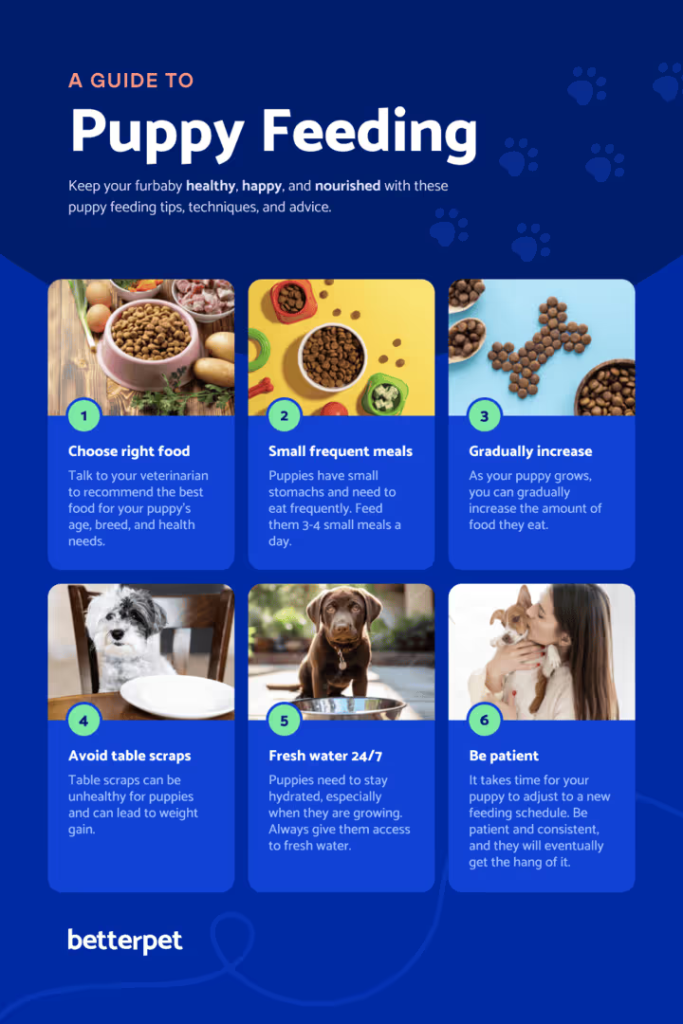
- Puppies need 3 to 4 meals daily to keep energy steady.
- Young dogs can eat 2 to 3 meals per day.
- Adult dogs usually eat 1 to 2 meals per day.
Feeding frequency helps digestion and keeps puppies from getting too hungry or too full.
Choosing The Right Food
Puppies need different nutrition than adult dogs. Their bodies grow fast and need more energy.
Choosing the right food helps puppies grow strong and stay healthy. It also prevents health problems.
Puppy-specific Formulas
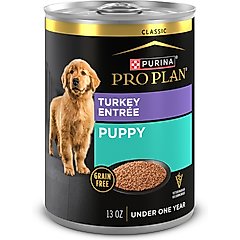
Puppy food has extra nutrients for growth. It contains more protein and fat than adult dog food.
This food supports brain development, strong bones, and healthy muscles. It also helps build the immune system.
- Higher calories for energy
- Added vitamins and minerals
- Smaller kibble size for puppies
- Balanced fats for brain health
Adult Dog Food Limitations
Adult dog food does not have enough nutrients for puppies. It may lack essential growth vitamins.
Feeding puppies adult food can cause slow growth and weak bones. It may also lead to poor energy levels.
- Lower calorie content
- Less protein and fat
- Fewer vitamins for development
- Not designed for puppy digestion
Ingredients To Look For
Good puppy food includes high-quality ingredients. Look for real meat and healthy fats first.
Check for added DHA for brain growth. Also, calcium and phosphorus help build strong bones.
- Real chicken, beef, or fish
- DHA from fish oil or algae
- Calcium and phosphorus
- Whole grains and vegetables
- No artificial colors or flavors

Credit: www.pethealthclub.com
Adjusting Food Intake Over Time
Puppies need more food than adult dogs because they grow fast. Their bodies use more energy for development.
As puppies grow, their food needs change. Adjusting the amount and type of food is important for health.
Transitioning From Puppy To Adult Diet
Switch from puppy food to adult dog food around one year old. Some large breeds need more time.
Mix adult food with puppy food gradually over 7 to 10 days. This helps avoid stomach upset.
- Start with 75% puppy food and 25% adult food
- After 3 days, use 50% of each
- After 6 days, use 25% puppy food and 75% adult food
- After 10 days, feed only adult food
Monitoring Weight And Health
Check your dog’s weight regularly to keep them healthy. Weight changes show if food is right.
Look at your dog’s body shape. You should feel ribs but not see them. Ask a vet for advice.
- Weigh your dog every month
- Watch for changes in energy levels
- Check coat condition for health signs
- Visit a vet if you notice sudden weight loss or gain
Signs Of Overfeeding Or Underfeeding
Too much food can cause weight gain and health problems. Too little food can make dogs weak.
Watch for signs like tiredness, slow growth, or a bloated belly. These may mean food needs adjusting.
- Overfeeding signs: weight gain, difficulty moving, constant hunger
- Underfeeding signs: weight loss, dull coat, low energy
- Both can affect your dog’s mood and health
- Consult a vet if you see these signs
Special Considerations
Puppies need different nutrition than adult dogs. Their growing bodies require more energy and nutrients. Feeding them the right amount helps them stay healthy and strong.
This guide covers special factors that affect how much puppies should eat. Understanding these helps you give the best care.
Breed Size Impact On Feeding
Breed size changes how much food a puppy needs. Small breeds grow fast and need more calories per pound. Large breeds grow slower but need food to support their big bones.
Feeding too much or too little can cause health problems. Large breed puppies need food that helps them grow safely without getting too heavy.
- Small breeds: More calories per pound, frequent meals
- Medium breeds: Balanced feeding for steady growth
- Large breeds: Controlled calories to avoid fast weight gain
Activity Level And Metabolism
Active puppies burn more energy and need extra food. Puppies with slow metabolism need less to avoid weight gain. Knowing your puppy’s activity helps set the right food amount.
Some puppies play a lot, while others rest more. Adjust meals to match their daily energy use to keep them healthy.
- High activity: More calories for energy
- Low activity: Less food to prevent weight gain
- Watch your puppy’s body condition and adjust food
Consulting Your Veterinarian
Your veterinarian knows your puppy’s needs best. They can guide feeding amounts and food types. Vet advice helps avoid problems like obesity or malnutrition.
Regular check-ups let your vet track growth and health. Share your puppy’s eating habits and activity to get better recommendations.
- Discuss breed size and special diet needs
- Ask about the best food for growth and health
- Follow vet advice on feeding schedule and portions
Frequently Asked Questions
Do Puppies Eat More Food Than Adult Dogs?
Yes, puppies need more food per pound of body weight. They require extra nutrients for growth and development. Their metabolism is faster, so they burn energy quickly. Feeding them nutrient-rich food supports healthy bones and muscles.
How Often Should Puppies Be Fed Daily?
Puppies should be fed three to four times a day. Frequent meals help maintain energy levels and support steady growth. As they mature, feeding frequency can be reduced to twice daily.
What Type Of Food Is Best For Puppies?
Puppies need specially formulated puppy food. It contains higher protein, fat, vitamins, and minerals. This food supports brain development and strong immune systems. Avoid adult dog food for puppies to meet their unique needs.
When Can Puppies Switch To Adult Dog Food?
Puppies can transition to adult food at about one year old. Larger breeds may switch slightly later. Gradually mix adult food with puppy food over a week to avoid digestion issues.
Conclusion
Puppies need more food than adult dogs because they grow fast. Their bodies use energy to build muscles and bones. Feeding them enough helps keep them healthy and strong. Adult dogs eat less since they grow slowly or not at all.
Always watch your dog’s weight and health. Talk to a vet to find the right food amount. Feeding your dog well supports a happy, active life. Simple care makes a big difference for your pet’s health.

Emily Barker is the founder of ChillDogLife.com, a space dedicated to helping pup parents discover the best dog products, lifestyle tips, and cozy ideas for happier homes.
A lifelong dog lover, Emily combines her passion for pets with a knack for research to share trusted recommendations on everything from toys and furniture to health and everyday care.
Her goal is simple: to make life easier, stylish, and more joyful for dogs and the people who love them.




