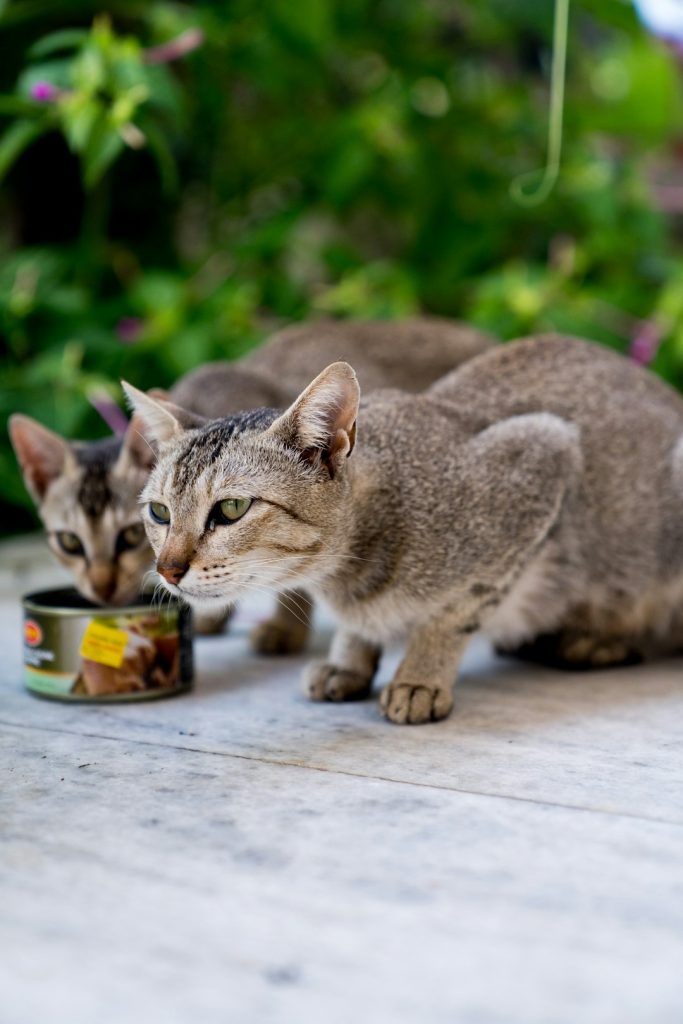
Are you wondering if your curious kitten can safely eat adult dog food? It’s a common question for pet owners who want to share meals or save money.
But before you offer your furry friend that bowl of dog food, it’s important to know how it might affect their health and growth. This article will help you understand the risks and what’s best for your kitten’s diet. Keep reading to make sure you’re giving your little companion the nutrition they truly need.
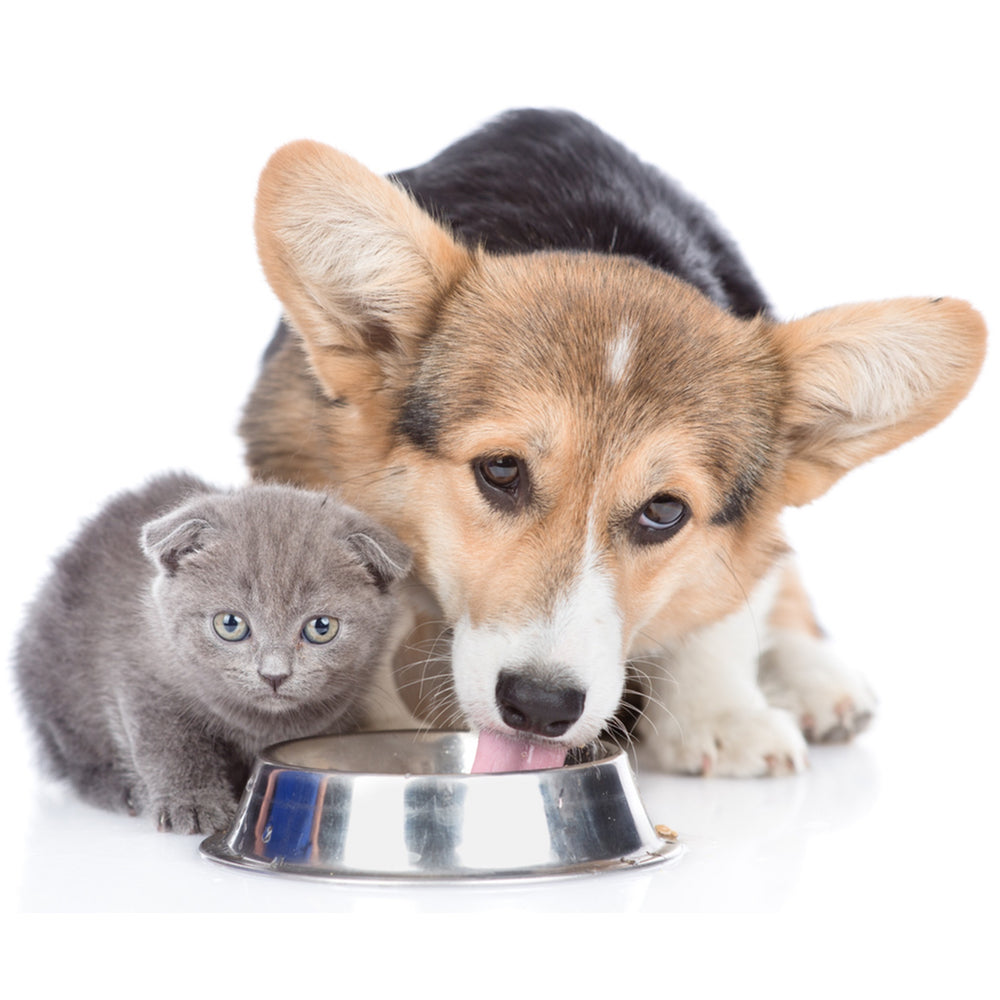
Credit: www.zealandiapets.com
Nutritional Needs Of Kittens
Kittens grow fast and need special food to stay healthy. Their bodies require more nutrients than adult cats.
Feeding kittens the right diet helps their bones, muscles, and brain develop properly. Not all foods meet these needs.
Key Nutrients For Growth
Kittens need protein, fat, vitamins, and minerals in the right amounts. These nutrients support their rapid growth and energy.
Proteins build muscles and repair tissues. Fats give energy and help brain development. Vitamins and minerals keep bones strong and support immunity.
- High-quality protein for muscle growth
- Essential fatty acids for brain and eye health
- Calcium and phosphorus for strong bones
- Vitamins A, D, and E for overall health
- Taurine, an amino acid crucial for heart and eyes
Differences Between Kitten And Adult Diets
Kitten food contains more calories and nutrients than adult cat food. This supports their fast growth and energy needs.
Adult dog food lacks the right balance of nutrients for kittens. It may not have enough protein or taurine, which kittens need.
- Kitten food has higher protein and fat levels
- Contains taurine, which adult dog food often lacks
- More vitamins and minerals for development
- Calorie-dense to fuel active growth
- Adult dog food is not designed for cat digestion
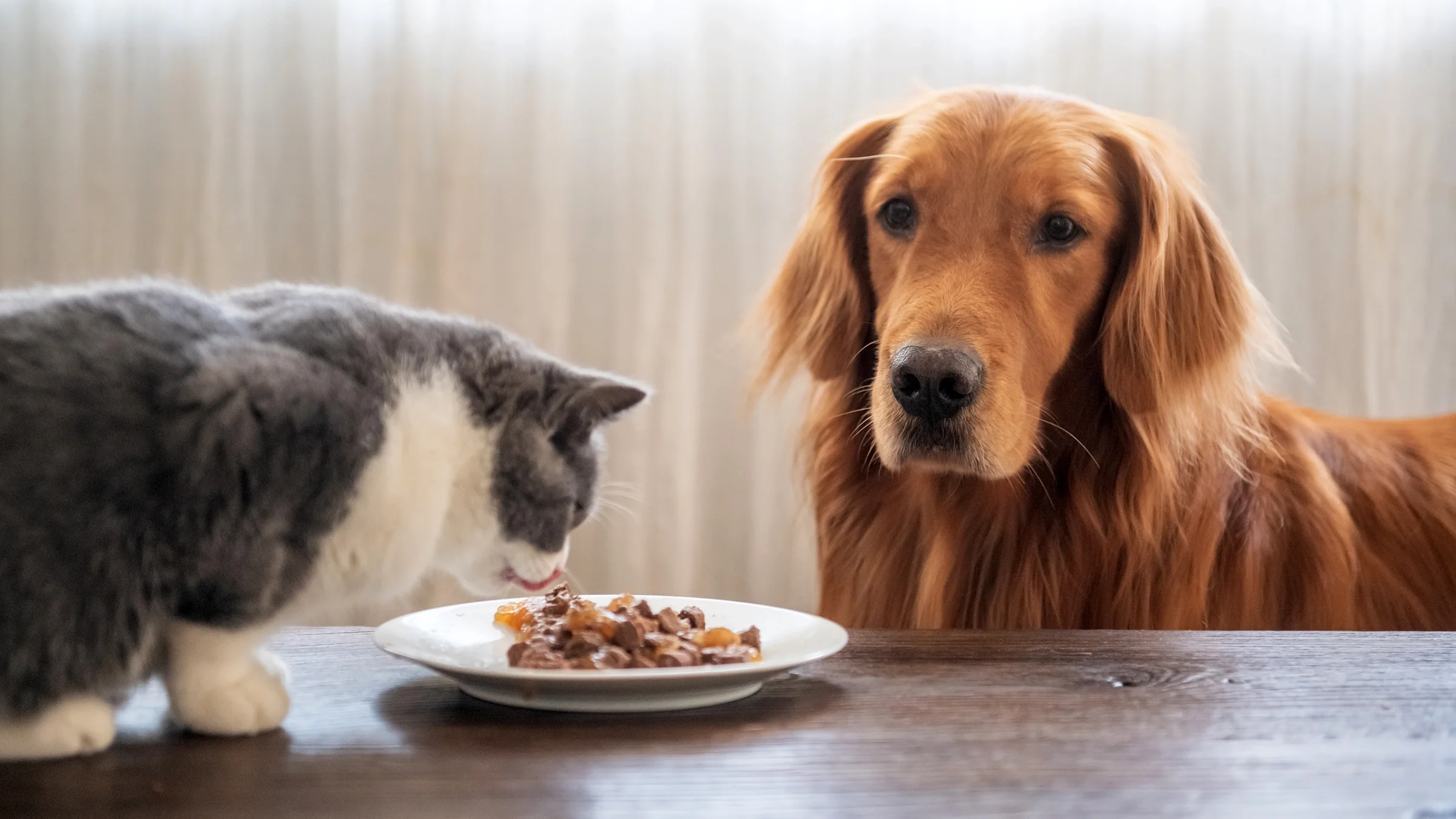
Credit: www.goodrx.com
Ingredients In Adult Dog Food
Adult dog food contains ingredients made for grown dogs, not kittens. Kittens have special needs for growth and development.
Understanding what is inside adult dog food helps decide if kittens can eat it safely.
Protein And Fat Content
Adult dog food usually has less protein and fat than kitten food. Kittens need more protein and fat to grow strong.
Protein helps build muscles and fat gives energy for active kittens.
- Adult dog food protein: about 18-25%
- Kitten food protein: about 30-35%
- Adult dog food fat: about 10-15%
- Kitten food fat: about 15-20%
Additives And Fillers
Adult dog food often has fillers like corn and wheat. These fillers add calories but have little nutrition for kittens.
Some additives in dog food may not be safe or suitable for kittens. Kittens need foods made for their sensitive systems.
- Common fillers: corn, wheat, soy
- Possible additives: preservatives, artificial colors
- Kittens need natural vitamins and minerals, not fillers
Potential Risks For Kittens
Kittens have special dietary needs to grow strong and healthy. Feeding them adult dog food can cause problems. This food lacks the right nutrients for kittens.
It is important to know the risks before giving your kitten adult dog food. Below are the main concerns.
Nutrient Deficiencies
Adult dog food does not contain enough essential nutrients for kittens. They need higher protein and fat levels. Also, kittens require more vitamins and minerals for growth.
- Low protein can slow muscle development.
- Insufficient fat affects energy and brain growth.
- Missing vitamins like taurine can cause eye and heart issues.
- Mineral imbalances may weaken bones and teeth.
Digestive Issues
Kittens have sensitive stomachs. Dog food ingredients may upset their digestion. This can lead to vomiting, diarrhea, or constipation.
Common digestive problems from adult dog food include:
- Difficulty breaking down certain proteins.
- High fiber causing loose stools.
- Fat content too low or too high, upsetting digestion.
Long-term Health Concerns
Feeding adult dog food to kittens regularly can cause lasting health problems. These may not show right away but develop over time.
| Health Issue | Cause | Effect on Kitten |
| Growth Delay | Low protein and fat | Smaller size, weak muscles |
| Heart Problems | Taurine deficiency | Irregular heartbeat, poor heart health |
| Bone Weakness | Mineral imbalance | Fragile bones, risk of fractures |
| Immune System Weakness | Poor nutrition | More illnesses, slower recovery |
When Dog Food Might Be Used Temporarily
Sometimes, you might wonder if kittens can eat dog food. It’s not ideal, but it can be used temporarily.
Dog food isn’t made for kittens, but in emergencies, it can help. Let’s explore when and how to use it.
Emergency Situations
In emergencies, you might not have kitten food. Dog food can be a temporary solution for a short time.
- Lost access to kitten food due to weather
- Unexpected shortage in local stores
- Traveling and forgot kitten supplies
Short-term Feeding Guidelines
If you must use dog food, follow these short-term guidelines. It’s important to switch back to kitten food soon.
| Guideline | Details |
| Frequency | Use only once or twice |
| Portion | Small amounts similar to kitten food |
| Consistency | Mix with a bit of water |
Choosing The Right Food For Kittens
Kittens have special needs for healthy growth. Feeding them the right food is important for their development.
Adult dog food does not meet the nutritional needs of kittens. It is best to select food made just for kittens.
Kitten-specific Formulas
Kitten-specific formulas contain the right balance of nutrients. They include more protein and fat than adult food. This helps kittens grow strong muscles and healthy bodies.
- Higher protein content for muscle development
- Increased fat for energy
- Added vitamins and minerals for bones and immune health
- Smaller kibble size for easier chewing
Consulting A Veterinarian
Ask your veterinarian about the best food for your kitten. They can recommend brands or formulas based on your kitten’s health and needs.
| Veterinarian Advice | Reason |
| Choose kitten-specific food | Meets nutritional needs for growth |
| Avoid adult dog food | Lacks essential nutrients for kittens |
| Check for allergies | Prevent digestive or skin problems |
| Follow feeding guidelines | Prevent overfeeding or underfeeding |
Credit: www.petmd.com
Signs Of Poor Nutrition In Kittens
Proper nutrition is vital for kittens to grow healthy and strong. Poor diet can cause many health problems. Recognizing the signs early helps you act fast.
This guide covers common signs of poor nutrition. Look for changes in behavior and physical symptoms in your kitten.
Behavioral Changes
Kittens with poor nutrition may act differently. They might show less energy or lose interest in playing. Eating habits can also change.
- Decreased activity and playfulness
- Less social interaction or hiding often
- Picky eating or loss of appetite
- Increased irritability or restlessness
- Sleeping more than usual
Physical Symptoms
Physical signs can show if a kitten’s diet lacks key nutrients. Watch for changes in weight, coat, and overall health.
| Symptom | Description | Possible Cause |
| Weight Loss | Noticeable drop in body mass | Insufficient calories or protein |
| Dull Coat | Fur looks dry and lifeless | Lack of fatty acids and vitamins |
| Diarrhea | Frequent loose stools | Poor diet or digestive issues |
| Swollen Abdomen | Belly appears bloated | Malnutrition or parasites |
| Slow Growth | Smaller size compared to peers | Inadequate nutrients |
Frequently Asked Questions
Can Kittens Safely Eat Adult Dog Food?
Kittens should not eat adult dog food regularly. Dog food lacks essential nutrients like taurine, vital for kitten growth and health.
What Are The Risks Of Feeding Dog Food To Kittens?
Dog food can cause nutritional deficiencies in kittens. Lack of taurine and protein may lead to vision and heart problems.
Is Adult Dog Food A Good Protein Source For Kittens?
Adult dog food has protein but not the right balance for kittens. Kittens need higher protein levels for proper development.
How Long Can Kittens Survive On Dog Food?
Kittens may survive short-term on dog food, but long-term feeding causes serious health issues and stunted growth.
Conclusion
Kittens need special food made just for them. Adult dog food lacks important nutrients for kittens. Feeding dog food can cause health problems over time. Always choose kitten food to support their growth. Healthy eating helps kittens grow strong and happy.
Keep your kitten’s diet safe and balanced. Trust the right food for their needs. Their health depends on good nutrition every day.

Emily Barker is the founder of ChillDogLife.com, a space dedicated to helping pup parents discover the best dog products, lifestyle tips, and cozy ideas for happier homes.
A lifelong dog lover, Emily combines her passion for pets with a knack for research to share trusted recommendations on everything from toys and furniture to health and everyday care.
Her goal is simple: to make life easier, stylish, and more joyful for dogs and the people who love them.




