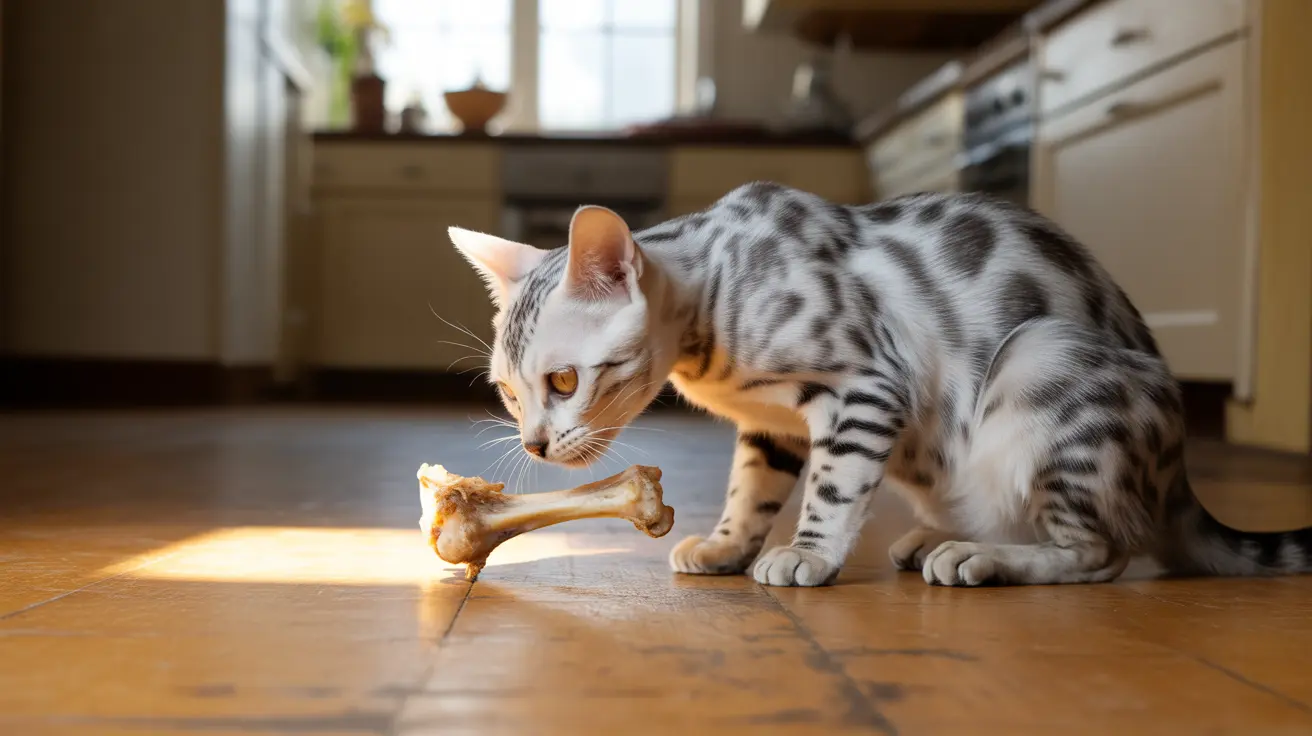
Have you ever wondered if it’s safe for your cat to chew on dog bones? If you’re a pet owner with both cats and dogs, you might have caught your feline friend eyeing your dog’s favorite treat.
But before you let your cat take a bite, there are important things you need to know. Your pet’s health and happiness depend on it. Keep reading to discover whether dog bones are a good idea for your cat and how to keep all your furry friends safe and happy.
Cat And Dog Bone Differences
Cats and dogs have different needs when it comes to bones. Their bones vary in size, shape, and hardness. Understanding these differences helps keep pets safe. Giving a dog bone to a cat can be risky. Cats are smaller and have more delicate teeth. Dogs chew differently and can handle tougher bones. Knowing these facts helps pet owners make better choices for their furry friends.
Bone Composition And Size
Dog bones are usually bigger and harder than cat bones. Dogs have strong jaws made for crushing large bones. Their bones often come from bigger animals like cows or deer. Cat bones are smaller and softer. Cats need bones that are easy to bite and chew. Hard dog bones can break a cat’s teeth. The size difference means a cat can choke on a dog bone. Bones meant for dogs may also splinter easily for cats.
Cat Vs Dog Chewing Behavior
Dogs love to chew for long times. They enjoy gnawing and breaking down tough bones. Chewing helps clean their teeth and keeps them busy. Cats chew differently. They usually bite small pieces and swallow quickly. Cats do not grind their teeth like dogs. Their chewing is gentler and less frequent. This behavior means dog bones can be too tough and dangerous for cats. Cats need softer treats that match their chewing style.
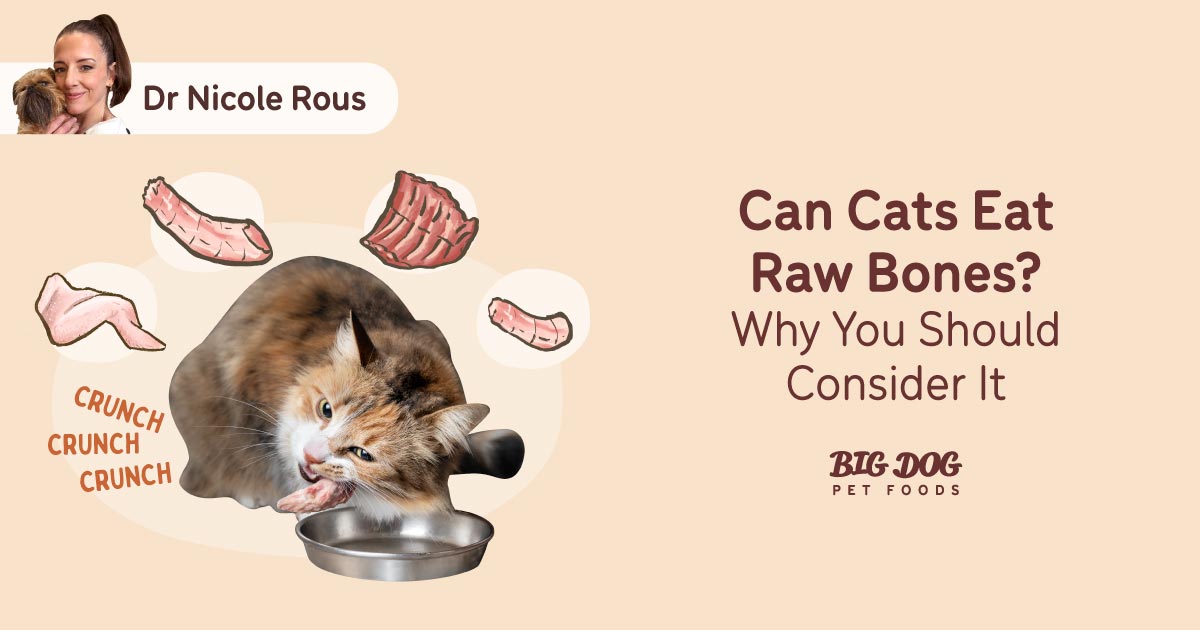
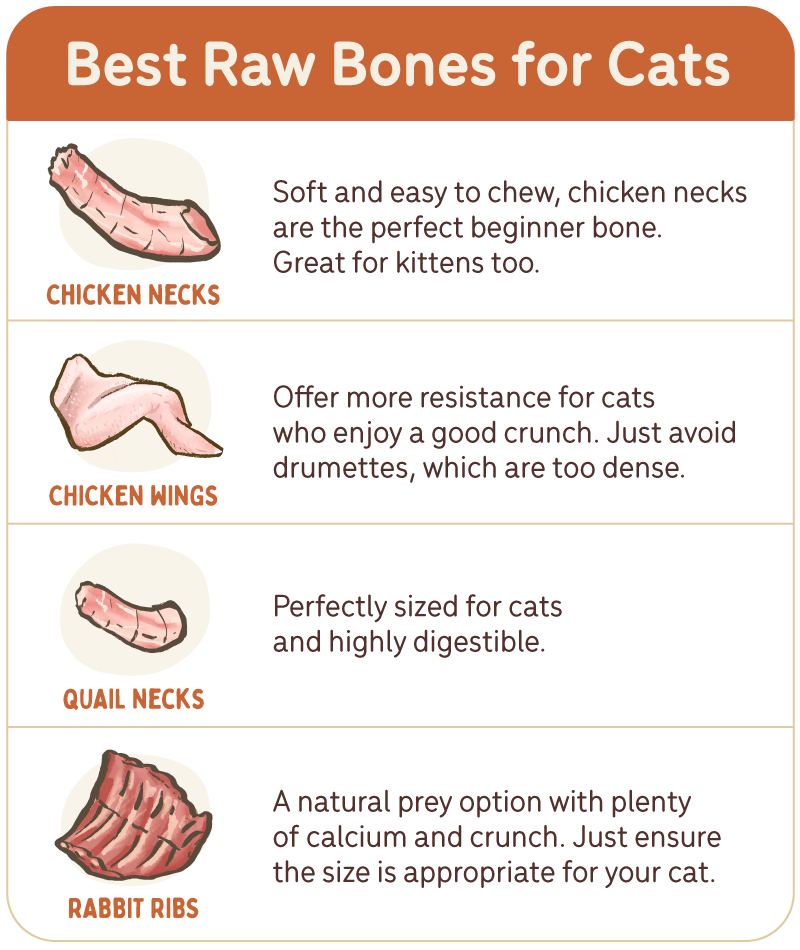
Credit: www.bigdogpetfoods.com
Risks Of Cats Chewing Dog Bones
Cats chewing on dog bones can lead to serious health risks. Dog bones are not designed for cats’ smaller mouths and digestive systems. Several dangers can arise from this behavior. Understanding these risks helps keep cats safe and healthy.
Choking Hazards
Dog bones can splinter easily. Sharp pieces may block a cat’s throat. Small bone fragments can lodge in airways. This causes coughing, gagging, or worse. Choking is a sudden and life-threatening risk.
Digestive Problems
Swallowed bone fragments can irritate the stomach lining. Bones may cause blockages in the intestines. This leads to vomiting and severe pain. Surgery might be needed to remove stuck bones. Cats’ digestive systems are sensitive to hard, sharp objects.
Dental Damage
Chewing hard dog bones can crack or break cat teeth. Cats have smaller, more fragile teeth than dogs. Bone chewing may cause tooth fractures or wear down enamel. Dental pain can affect eating and behavior. Regular dental problems can develop over time.
Signs Of Bone-related Injuries In Cats
Noticing signs of bone-related injuries in your cat is crucial, especially if your feline has had access to dog bones. Cats have delicate mouths and digestive systems that can easily be harmed by hard or splintered bones. Understanding the warning signs can help you act quickly and protect your cat from serious harm.
Symptoms To Watch For
- Excessive drooling:If your cat is drooling more than usual, it might indicate mouth pain or discomfort caused by bone splinters.
- Difficulty eating or swallowing:Watch if your cat is avoiding food or pawing at their mouth, which can signal injury or obstruction.
- Vomiting or gagging:These symptoms may mean a bone fragment is stuck or causing irritation in the throat or stomach.
- Visible swelling or bleeding:Check for any swelling around the mouth or face, or bleeding gums that might suggest cuts or punctures.
- Behavioral changes:Your cat might become unusually quiet, restless, or hide more if in pain.
Have you ever noticed your cat acting strangely after chewing on something hard? Those subtle changes can be the first clue that something is wrong.
When To Seek Veterinary Help
If you spot any of the symptoms above, don’t wait to get professional advice. Even if the signs seem mild, bone splinters can cause infections or blockages that worsen quickly.
Contact your vet immediately if your cat:
- Shows persistent vomiting or refuses to eat for more than a day.
- Has difficulty breathing or shows signs of choking.
- Exhibits severe swelling or bleeding that doesn’t stop.
- Is lethargic or unresponsive after chewing on a bone.
Sometimes injuries aren’t visible externally, so a vet’s examination is essential. Would you risk your cat’s health by waiting? Prompt attention can prevent serious complications and keep your furry friend safe.
Credit: www.petscare.com
Safe Alternatives For Cats To Chew
Cats need safe items to chew that suit their unique needs. Dog bones are hard and can break a cat’s teeth or cause choking. Providing the right alternatives keeps cats happy and healthy. Chew options designed for cats help reduce stress and support dental health. Choose products made specifically for feline use to avoid health risks.
Cat-specific Chew Toys
Chew toys made for cats come in many shapes and textures. They encourage natural chewing behavior and keep cats entertained. Soft rubber or silicone toys are gentle on teeth and gums. Toys with catnip add extra excitement and attract cats to chew. Regularly inspect toys for wear and replace damaged ones to keep cats safe.
- Rubber and silicone chew toys
- Catnip-infused toys
- Interactive chew toys with textures
- Soft, flexible materials safe for cats
Healthy Treat Options
Healthy treats support dental health and satisfy chewing urges. Look for treats designed to clean teeth and freshen breath. Freeze-dried meat treats are tasty and easy to chew. Avoid treats with bones or hard parts that can splinter. Always monitor your cat while enjoying new treats to prevent choking.
- Dental chews made for cats
- Freeze-dried meat snacks
- Soft, chewy treats with natural ingredients
- Low-calorie options to maintain weight
Preventing Access To Dog Bones
Preventing access to dog bones is essential for your cat’s safety. Dog bones can be harmful or cause choking. Keeping bones away from cats helps avoid health problems. It also reduces stress between pets over food fights. Simple steps can protect your feline friend effectively.
Proper Storage Tips
Store dog bones in a high place or locked container. Use cabinets or pet-proof bins with secure lids. Avoid leaving bones on the floor or low surfaces. Keep bones out of sight to reduce temptation for cats. Regularly check storage areas to ensure bones stay put.
Training Cats And Dogs
Teach your dog to eat bones only in specific areas. Reward your dog for leaving bones alone when told. Train your cat to avoid dog feeding spots using gentle commands. Use positive reinforcement to encourage good behavior in both pets. Consistency is key to preventing bone-related issues.

Credit: npicpet.com
Frequently Asked Questions
Can Cats Safely Chew On Dog Bones?
Cats should not chew on dog bones. Dog bones are often too hard and can cause dental issues. They may also pose a choking hazard. It’s best to provide cats with toys or treats specifically designed for them.
Are Dog Bones Harmful To Cats?
Yes, dog bones can be harmful to cats. They can cause digestive issues or blockages. Additionally, bones can splinter and cause injury. Always choose cat-friendly alternatives for your feline friend.
Why Do Cats Chew On Bones?
Cats may chew on bones out of curiosity or boredom. They might also be attracted to the scent. However, it’s not a natural behavior, and suitable toys should be provided instead.
What Are Safe Alternatives For Cats?
Safe alternatives for cats include cat-specific chew toys and treats. These are designed to be safe and satisfying. They help in maintaining dental health and provide mental stimulation.
Conclusion
Cats should not chew on dog bones due to health risks. Dog bones can splinter and hurt a cat’s mouth or stomach. Cats have different dietary needs than dogs. Safe, cat-friendly treats and toys are better choices. Always watch your pet with new items to keep them safe.
Consult your vet for advice on suitable chew options. Protect your cat by choosing the right treats every time. Safety and health come first for happy, healthy pets.

Emily Barker is the founder of ChillDogLife.com, a space dedicated to helping pup parents discover the best dog products, lifestyle tips, and cozy ideas for happier homes.
A lifelong dog lover, Emily combines her passion for pets with a knack for research to share trusted recommendations on everything from toys and furniture to health and everyday care.
Her goal is simple: to make life easier, stylish, and more joyful for dogs and the people who love them.




