
If your dog is wearing a cone, you might wonder, “Can my dog sleep in a crate with that big collar on?” It’s a common concern because you want your furry friend to rest comfortably and stay safe at the same time. You’re probably worried about whether the cone will make crate time stressful or if your dog can even fit inside with it on.
Keep reading, because understanding how to help your dog sleep well while wearing a cone can make a big difference in their recovery and your peace of mind. Let’s dive into what you need to know to keep your pup cozy and calm.
Benefits Of Crate Sleeping
Crate sleeping offers many benefits for dogs, especially those wearing a cone. It creates a safe, calm space that helps dogs rest better. The crate acts as a cozy den, making dogs feel protected and less anxious. This controlled area also supports healing and recovery after surgery or injury. Understanding these benefits helps pet owners provide the best care during recovery.
Comfort And Security
A crate gives dogs a quiet, private place to relax. It feels like their own little home. This sense of security reduces stress and helps them sleep more soundly. Dogs often prefer small, enclosed spaces because they feel safe there. The crate limits movement, which is good when wearing a cone. It prevents accidents and helps dogs stay calm.
Healing Environment
The crate provides a clean, controlled space for recovery. It stops dogs from licking or biting wounds. This is very important when they wear a cone after surgery. The crate also keeps dogs from running or jumping too much. Rest is key to healing, and the crate encourages that. It protects both the dog and the home during this sensitive time.
Challenges Of Crate Sleep With A Cone
Sleeping in a crate can be tough for dogs wearing a cone. The cone limits their usual movements and affects how they rest. This can cause discomfort and stress during sleep time. Understanding these challenges helps in making the dog’s crate time easier and safer.
Limited Movement
The cone restricts a dog’s head and neck movements. Dogs find it hard to turn or lie down comfortably. The crate space feels smaller because the cone takes extra room. Dogs may struggle to find a cozy sleeping position. This can lead to restlessness and poor sleep quality.
Cone Size And Fit Issues
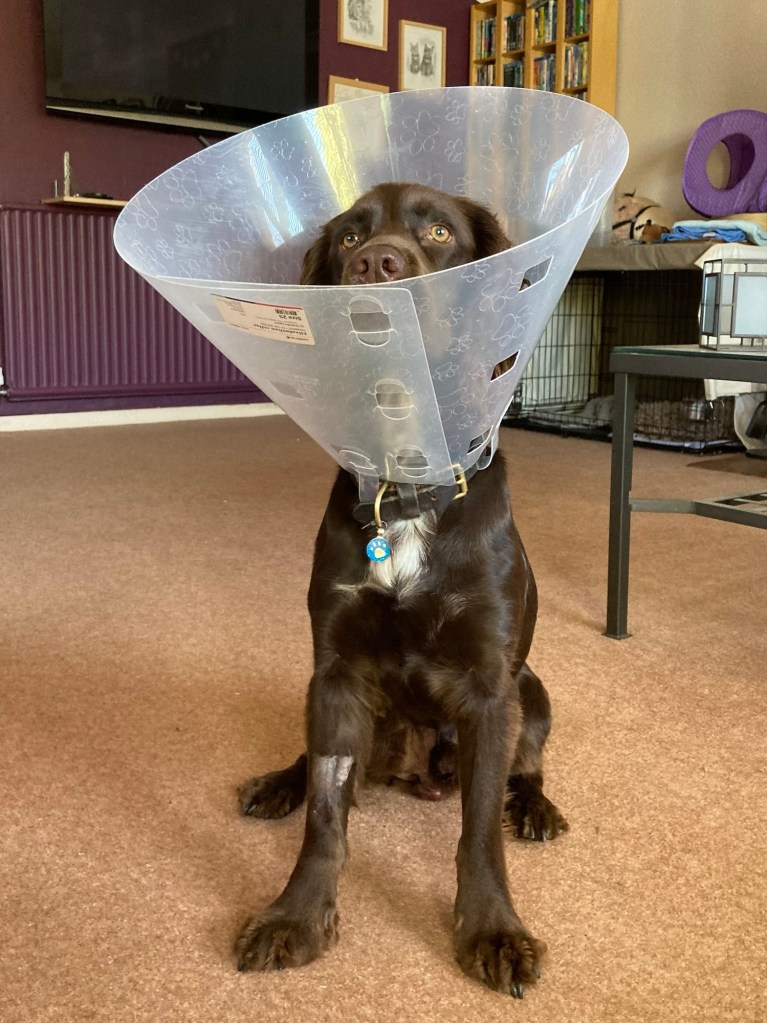
Choosing the right cone size is crucial. A cone too big will hit the crate walls often. A cone too small won’t protect the dog properly. Poor fit can cause the cone to slip or irritate the dog’s neck. This makes crate time uncomfortable and stressful for the dog.
Choosing The Right Crate
Choosing the right crate for your dog wearing a cone is more important than you might think. The crate needs to be comfortable, safe, and roomy enough to accommodate the cone without causing stress or injury. Picking the wrong size or material can lead to frustration for both you and your pet.
Size Considerations
Your dog’s crate should be large enough to fit them comfortably with the cone on. Measure your dog from nose to tail and add extra space for the cone’s width.
If the crate is too small, your dog may feel cramped and try to escape, risking injury. Too large, and your dog might not feel secure, which defeats the purpose of crate training.
Think about your dog’s movement inside the crate. Can they turn around easily with the cone on? Can they lie down and stretch out? These questions help you choose the right size.
Material And Ventilation
The crate material affects your dog’s comfort, especially when they’re wearing a cone. Wire crates offer excellent ventilation and visibility, reducing overheating and anxiety.
Plastic crates provide a cozier, enclosed space but can limit airflow, which might not be ideal if your dog tends to get warm. Look for crates with ventilation holes or mesh panels if you choose plastic.
Consider the durability and ease of cleaning too. Your dog might be a bit restless with the cone, so a sturdy, easy-to-clean crate can save you a lot of trouble.
Credit: www.lillyandmax.com
Preparing The Crate
Preparing the crate for a dog wearing a cone requires special attention. The cone limits your dog’s movements and changes how they fit inside the crate. Making the crate comfortable and safe helps your dog rest well during recovery. Small adjustments can reduce stress and avoid injury.
Padding And Bedding
Use soft, thick bedding to cushion your dog. Choose materials that are easy to clean. Avoid heavy or bulky items that reduce space. A padded crate floor supports joints and soothes discomfort. Keep bedding flat to prevent the cone from getting caught or bent.
Adjusting Space For The Cone
Measure your dog with the cone on before placing them inside. The crate should be wide enough for the cone to fit without touching the sides. Extra space prevents your dog from feeling trapped. Remove any obstacles that could block the cone’s movement. This helps your dog lie down and turn around comfortably.
Training Your Dog For Crate Use
Training your dog for crate use helps create a safe and calm space. It also makes wearing a cone easier during recovery. A proper training routine reduces stress for your dog. This section covers how to introduce the crate gently and encourage positive behavior.
Gradual Introduction
Start by placing the crate in a quiet area of your home. Leave the door open so your dog can explore freely. Put soft bedding inside to make it comfortable. Add a favorite toy or treat near the entrance. Let your dog enter and exit without pressure.
Short sessions work best. Stay close and speak softly to reassure your dog. Increase crate time slowly over several days. This builds trust and helps your dog accept the space. Avoid forcing your dog inside the crate.
Positive Reinforcement
Reward your dog for calm behavior around the crate. Use treats, praise, or gentle petting as encouragement. Offer rewards when your dog enters or stays inside calmly. This creates a good connection with the crate.
Keep training sessions short and fun. Use a calm voice to help your dog relax. Avoid punishment or negative reactions. Positive reinforcement helps your dog feel safe and secure inside the crate, even with a cone on.
Monitoring Your Dog’s Comfort
Keeping your dog comfortable while sleeping in a crate with a cone is essential. The cone can be restrictive and unfamiliar, so watching for signs of distress helps you respond quickly. Your dog’s well-being depends on how well you adjust their environment to ease any discomfort.
Signs Of Stress Or Discomfort
Watch for pacing, whining, or excessive scratching at the cone. These behaviors often indicate your dog is struggling to settle down. A dog that suddenly stops eating or drinking might also be feeling uneasy in their crate.
Look for changes in breathing, such as panting or shallow breaths, which can mean stress. Your dog might also try to back out of the crate or push the cone against the bars. These subtle signs matter because they tell you when your dog needs help.
Adjusting The Setup
If you notice discomfort, try widening the crate space to allow more room for the cone. Adding soft bedding helps cushion your dog’s movements and reduces irritation. You might also position the crate away from loud noises or busy areas to create a calmer atmosphere.
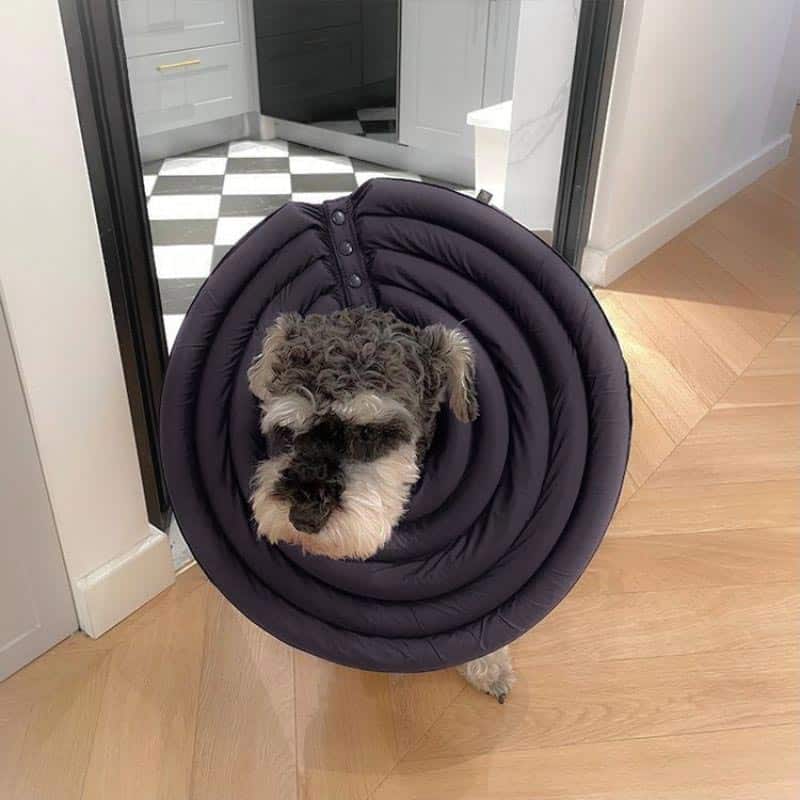
Experiment with different cone sizes or types if your dog seems particularly bothered. Some cones have softer edges or inflatable designs that are less intrusive. Ask yourself: does your dog have enough space to lie down and turn comfortably? Adjusting the setup can make all the difference in helping your dog rest peacefully.
Safety Tips For Crate And Cone Use
Using a crate and cone together requires careful attention to safety. Both tools help your dog heal and stay comfortable. Yet, they can cause problems if not used properly. Follow these tips to keep your dog safe and happy while resting in the crate with a cone on.
Preventing Injury
- Choose a crate large enough for your dog to turn and lie down comfortably.
- Ensure the cone fits well and does not block your dog’s breathing or vision.
- Check the cone edges daily for cracks or sharp spots that could hurt your dog.
- Remove toys or objects inside the crate that the cone might catch on.
- Supervise your dog at first to see how they adjust to the cone in the crate.
- Use soft padding or blankets to cushion the crate floor and protect joints.
Maintaining Cleanliness
- Clean the crate regularly to avoid dirt and germs buildup.
- Wash or wipe the cone daily to remove saliva and debris.
- Replace bedding often to keep the crate dry and fresh.
- Inspect your dog’s skin near the cone for redness or irritation.
- Keep food and water bowls clean and easily reachable inside the crate.

Credit: www.reddit.com
Alternatives To Crate Sleeping
Dogs wearing cones may find crate sleeping uncomfortable or stressful. Exploring other resting options can help your dog heal in comfort. Alternatives to crate sleeping offer more space and less restriction. These choices support your dog’s recovery and reduce anxiety during rest time.
Open Bed Options
Open beds give your dog freedom to move. Soft, cushioned beds placed in quiet areas work well. Choose beds with raised edges to support the neck. Cooling mats can help if your dog feels warm. Make sure the bed is easy to clean and washable.
Supervised Rest Areas
Supervised rest areas allow your dog to relax safely. Use baby gates or playpens to create a secure space. This lets your dog stretch without leaving the safe zone. Keep water and toys nearby to keep your dog calm. Always watch your dog to prevent injury or overexertion.
Credit: talestailstalus.blog
Frequently Asked Questions
Can A Dog Sleep In A Crate With A Cone?
Yes, a dog can sleep in a crate with a cone. Ensure the crate is spacious enough for comfort. Make sure there are no sharp edges inside. The cone should not restrict their movement or breathing. Check regularly to ensure the dog is relaxed and comfortable.
How Do I Help My Dog Sleep With A Cone?
To help your dog sleep with a cone, ensure their sleeping area is comfortable. Provide extra padding in their crate. Use calming aids like soft music or a calming spray. Check the cone for proper fit. Give them time to adjust to the cone.
Are There Alternatives To Cones For Dogs?
Yes, there are alternatives to cones for dogs. Soft collars, inflatable collars, and recovery suits are options. These alternatives can be more comfortable. They should still prevent licking or scratching. Consult your vet for the best choice for your dog.
How Long Should A Dog Wear A Cone?
A dog should wear a cone until their wound heals. This usually takes 7-14 days. Follow your vet’s specific instructions. Regularly check the wound’s progress. Consult your vet if you notice any issues.
Conclusion
Dogs can sleep safely in crates while wearing cones. Make sure the crate is roomy and comfortable. Watch your dog to avoid stress or injury. Keep water and bedding inside the crate. Let your dog rest and heal in peace.
A calm space helps with quicker recovery. Patience and care go a long way here. Your dog will feel better soon, crate or no crate.

Emily Barker is the founder of ChillDogLife.com, a space dedicated to helping pup parents discover the best dog products, lifestyle tips, and cozy ideas for happier homes.
A lifelong dog lover, Emily combines her passion for pets with a knack for research to share trusted recommendations on everything from toys and furniture to health and everyday care.
Her goal is simple: to make life easier, stylish, and more joyful for dogs and the people who love them.




