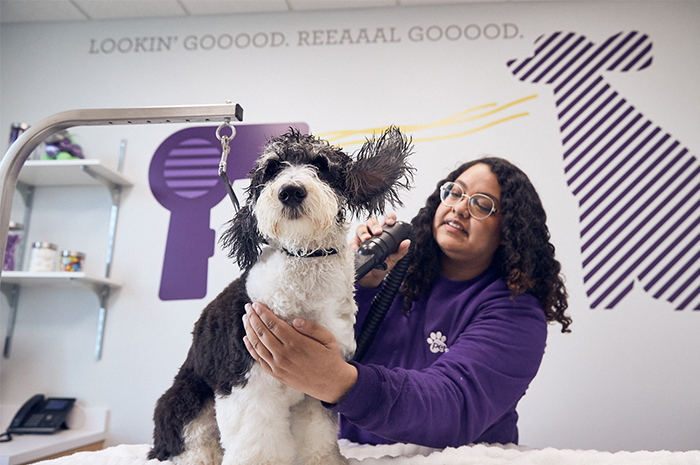
Have you ever wondered what grooming a dog really means? It’s more than just giving your furry friend a bath or a quick brush.
Grooming is a vital part of keeping your dog healthy, happy, and comfortable. When you understand what grooming involves, you can take better care of your dog’s coat, skin, and overall well-being. You’ll discover the key steps of dog grooming and why each one matters to your pet’s health.
Keep reading, and you’ll learn how simple grooming habits can make a big difference for your dog’s life.
Grooming Basics
Grooming a dog means caring for its coat, skin, nails, and overall hygiene. It helps keep dogs clean and healthy.
Regular grooming also strengthens the bond between you and your dog. It can prevent health problems and improve comfort.
Daily Care Routines
Daily care keeps your dog comfortable and clean. It includes brushing, checking ears, and cleaning eyes.
- Brush your dog’s coat to remove dirt and loose hair
- Check ears for wax or signs of infection
- Wipe eyes to remove discharge
- Look at paws and nails for dirt or damage
Essential Grooming Tools
Using the right tools makes grooming easier and safer. Different dogs need different tools based on their coat type.
- Brushes and combs for different fur types
- Nail clippers or grinders to trim nails
- Dog-safe shampoo and conditioner
- Ear cleaning solution
- Towels and grooming gloves
Choosing The Right Products
Select products made for dogs. Avoid human shampoos or soaps, as they can irritate the skin.
| Product Type | Purpose | Tip |
| Shampoo | Clean coat and skin | Choose gentle, hypoallergenic formulas |
| Conditioner | Keep coat soft and tangle-free | Use if your dog has long or thick fur |
| Nail Clippers | Trim nails safely | Pick size based on your dog’s nail thickness |
| Ear Cleaner | Remove wax and debris | Use only products made for dogs |
Bathing Your Dog
Bathing is an important part of grooming your dog. It helps keep your dog clean and healthy.
Regular baths remove dirt, oils, and bad smells from your dog’s coat and skin.
How Often To Bathe
Most dogs need a bath every four to six weeks. Some dogs need more or less often.
Dogs with oily skin or those who get dirty often need more baths. Dogs with dry skin need fewer baths.
- Bath too often can dry out your dog’s skin.
- Bath too rarely can cause bad smells and skin problems.
- Check your dog’s coat and skin to decide the right bath frequency.
Step-by-step Bathing Process
Prepare all bathing items before you start. Use dog shampoo and a towel.
Use warm water to wet your dog’s coat. Avoid the eyes and ears.
- Wet your dog’s coat with warm water.
- Apply dog shampoo and lather well.
- Rinse thoroughly to remove all shampoo.
- Dry your dog with a towel or blow dryer on low heat.
Common Bathing Mistakes
Bathing your dog the wrong way can cause skin irritation or stress. Avoid these mistakes.
- Using human shampoo instead of dog shampoo.
- Water that is too hot or too cold.
- Not rinsing all shampoo from the coat.
- Bathing too often or not often enough.
- Getting water in the ears causing infections.
- Drying your dog poorly, leaving it damp.
Brushing And Coat Care
Grooming a dog means keeping its coat clean and healthy. Brushing removes dirt, loose hair, and prevents tangles. It also spreads natural oils that keep the coat shiny.
Different dogs need different brushing methods. Their coat type affects how you brush and care for their fur. Proper brushing helps keep dogs comfortable and looking their best.
Brushing Techniques For Different Coats
Short, medium, and long-haired dogs require different brushing styles. Use the right brush and technique to avoid hurting your dog’s skin.
- Short-haired dogs:Use a rubber or bristle brush to remove loose hair.
- Medium-haired dogs:A slicker brush works well for detangling and smoothing.
- Long-haired dogs:Use a wide-tooth comb first, then a slicker brush to prevent mats.
Dealing With Mats And Tangles
Mats and tangles can cause pain and skin problems. Gently work through mats with care to avoid pulling your dog’s fur.
Use these steps to safely remove mats and tangles:
- Hold the mat at the base near the skin.
- Use a detangling spray or conditioner.
- Start combing from the mat’s edge, not the skin.
- Use short, gentle strokes with a slicker brush.
- If mats are large, ask a professional groomer for help.
Seasonal Grooming Tips
| Season | Grooming Focus | Tips |
|---|---|---|
| Spring | Shedding and coat renewal | Brush daily to remove loose winter fur |
| Summer | Cooling and skin care | Trim long coats and check for ticks |
| Fall | Preparing for thicker coat | Brush regularly to help new hair grow |
| Winter | Dry skin and mat prevention | Use moisturizing sprays and brush gently |
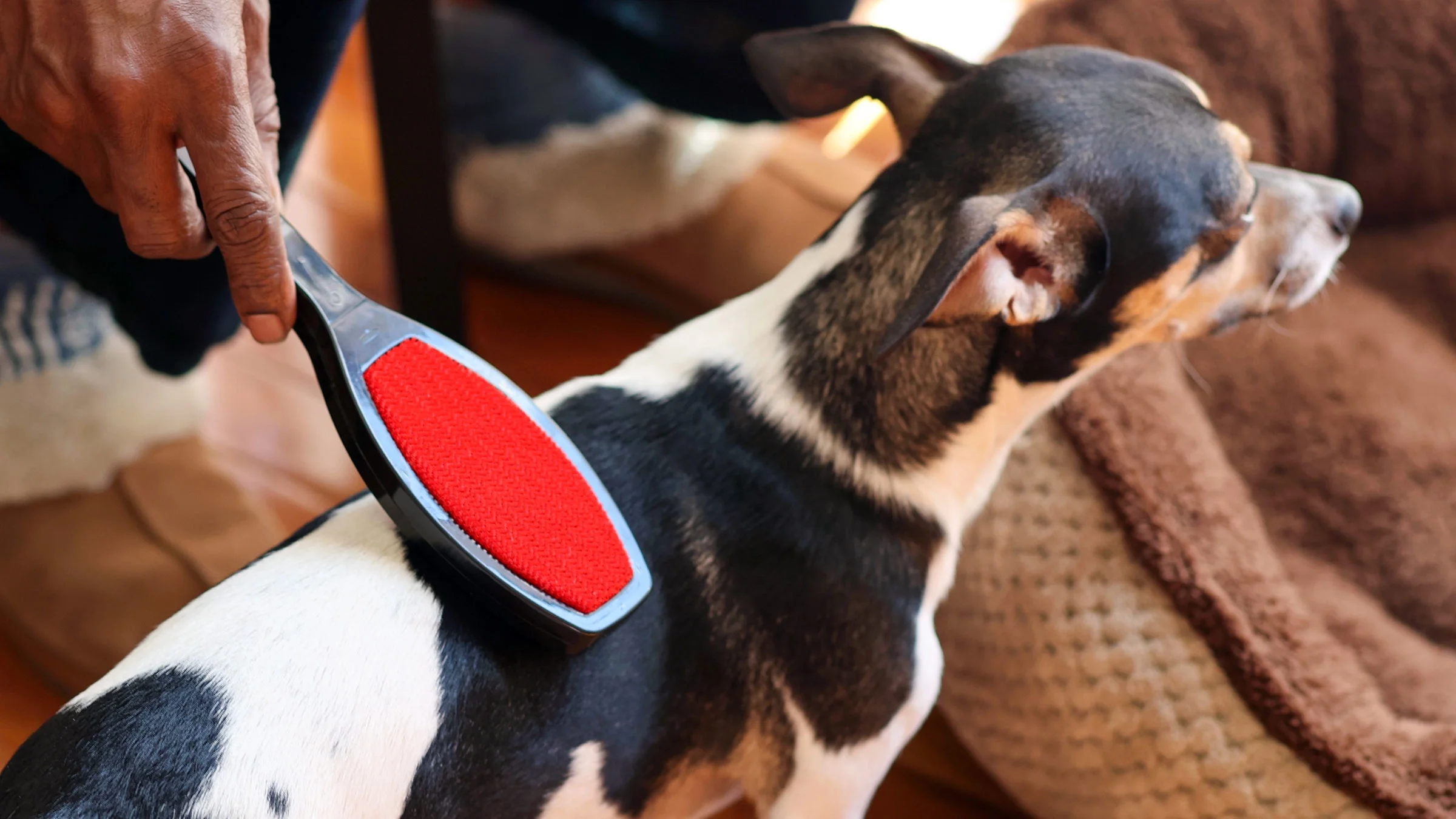
Credit: www.goodrx.com
Nail Trimming
Grooming a dog includes keeping its nails short and healthy. Nail trimming helps avoid pain and injury. It also keeps floors and furniture safe from scratches.
Trimming nails is simple but needs care. Using the right tools and timing is important for your dog’s comfort.
When To Trim Nails
Check your dog’s nails every two weeks. Trim nails if you hear clicking on hard floors. Long nails can cause walking problems and pain.
- If nails touch the ground when standing
- When nails grow past the paw pad
- If you see your dog scratching furniture or skin
- After outdoor walks on rough surfaces
Safe Trimming Methods
Use sharp nail clippers made for dogs. Hold the paw gently and trim small parts. Avoid cutting the quick, the pink area inside the nail.
Here are tips for safe trimming:
- Choose a quiet place and calm your dog.
- Trim a little nail at a time.
- Use a nail file to smooth sharp edges.
- Keep styptic powder ready to stop bleeding.
- Give treats to reward your dog.
Signs Of Overgrown Nails
Long nails affect your dog’s health. Watch for these signs to know when nails are too long.
| Sign | Effect |
| Clicking sound when walking | Indicates nails hit the floor |
| Difficulty walking | Causes pain and uneven gait |
| Curved or split nails | Can lead to infections |
| Redness or swelling around paws | Shows irritation or injury |
Ear And Teeth Care
Grooming a dog means keeping its ears and teeth clean and healthy. Proper care helps prevent infections and pain. It also improves your dog’s overall well-being.
Dogs need regular attention to their ears and teeth to stay comfortable. Knowing how to clean and protect these areas helps you keep your pet happy.
Cleaning Your Dog’s Ears
Cleaning your dog’s ears removes dirt and wax. Use a gentle ear cleaner made for dogs. Avoid using cotton swabs inside the ear canal to prevent damage.
- Check ears weekly for dirt or bad smell
- Use a soft cloth or cotton ball with ear cleaner
- Gently wipe the outer ear without pushing inside
- Dry ears well after cleaning to stop moisture
Preventing Ear Infections
Ear infections cause pain and itching. They happen when bacteria or yeast grow in the ear. Keep ears dry and clean to avoid infections.
| Cause | Prevention |
| Moisture | Dry ears after swimming or bathing |
| Wax buildup | Clean ears regularly |
| Allergies | Consult vet for allergy care |
| Foreign objects | Check ears after outdoor walks |
Dental Hygiene Tips
Good dental care stops bad breath and gum disease. Brush your dog’s teeth often with dog toothpaste. Use a soft toothbrush made for pets.
- Brush teeth two to three times a week
- Offer dental chews to reduce plaque
- Give crunchy food to help clean teeth
- Visit the vet for regular dental checkups
Grooming For Specific Breeds
Grooming a dog means keeping its coat clean and healthy. Different breeds need different grooming techniques.
Here is how you can groom specific breeds like short-haired, long-haired, and curly or wire-haired dogs.
Short-haired Breeds
Short-haired breeds have coats that are easy to maintain. Regular brushing helps reduce shedding.
- Use a rubber brush to remove loose fur.
- Bathe them every few months.
- Check for ticks and fleas regularly.
Long-haired Breeds
Long-haired breeds need more care to prevent mats and tangles. They require frequent grooming sessions.
Consider trimming their hair every 6 to 8 weeks to keep it manageable.
Curly And Wire-haired Breeds
Curly and wire-haired breeds have unique coats. They often need special grooming tools.
| Breed | Tool Needed |
| Poodle | Slicker brush |
| Terrier | Wire comb |
Benefits Of Regular Grooming
Grooming a dog means taking care of their coat, nails, ears, and overall hygiene. It is important for their health and happiness.
Regular grooming provides many benefits for your dog. It keeps them clean and comfortable, and allows you to check for any health issues.
Improved Health And Comfort
Grooming helps remove dirt and tangles from your dog’s coat. This keeps their skin healthy and prevents infections.
Regular brushing makes your dog feel more comfortable. It reduces shedding and keeps their fur looking nice.
Early Detection Of Health Issues
During grooming, you can check for lumps, bumps, or cuts. Finding these early can help you treat them quickly.
Regular grooming means you will notice changes in your dog’s body. This can include skin problems or parasites.
Strengthening The Bond With Your Dog
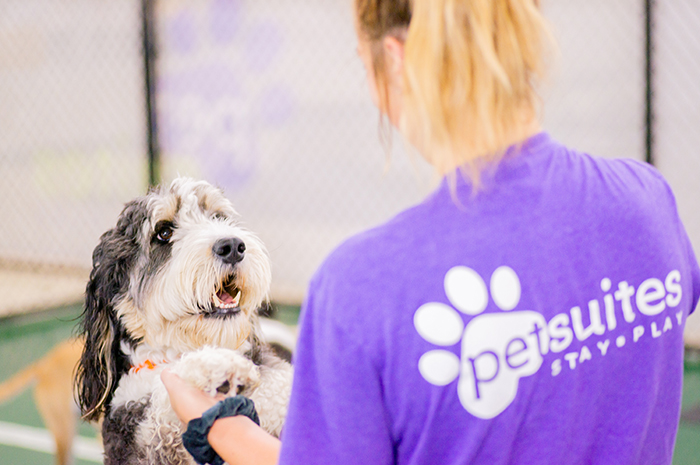
Grooming is a special time to be with your dog. It helps build trust and makes them feel loved.
Spending time grooming your dog helps them relax. They will enjoy being close to you and feel more secure.
- Brushing helps you bond with your dog
- Bathing can be a fun activity together
- Grooming sessions make your dog feel pampered
Credit: www.petsuitesofamerica.com
When To Seek Professional Grooming
Grooming a dog means taking care of its fur, skin, nails, and overall hygiene. Some owners can do simple grooming at home. Sometimes, dogs need help from a professional groomer.
Knowing when to visit a professional can keep your dog healthy and happy. Professionals have tools and skills to handle tough grooming tasks safely.
Signs You Need A Groomer
Not all grooming problems can be fixed at home. Some signs show it is time to see a groomer to avoid discomfort or health issues for your dog.
- Your dog’s coat is tangled or matted
- Nails are very long or hurting your dog
- Strong or bad smell from the fur or skin
- Excessive shedding or hair loss
- Your dog scratches or bites itself a lot
- Eyes or ears have discharge or dirt buildup
Choosing A Grooming Salon
Selecting the right grooming salon helps your dog feel safe and cared for. Look for places with clean spaces and friendly staff.
Ask about the groomers’ experience and the services they offer. A good salon will be willing to answer your questions and explain their process.
- Check if the salon is licensed and insured
- Look for positive reviews or ask for referrals
- Visit the salon to see the environment and meet staff
- Ensure they use pet-friendly and safe products
- Confirm they handle dogs gently and with care
What To Expect From A Professional Groomer
A professional groomer will clean, trim, and care for your dog’s coat and nails. They also check for skin problems or signs of illness.
Groomers use special tools and techniques to make grooming safe and comfortable. They can also advise you on how to care for your dog between visits.
- Bathing with gentle shampoos
- Brushing to remove loose hair and tangles
- Cutting and trimming fur according to breed or need
- Clipping nails safely
- Cleaning ears and checking for infections
- Spotting skin issues or parasites

Credit: www.moego.pet
Frequently Asked Questions
What Is Dog Grooming And Why Is It Important?
Dog grooming involves cleaning, brushing, and trimming a dog’s coat. It keeps dogs healthy by preventing mats, skin infections, and parasites. Grooming also improves a dog’s appearance and comfort, supporting their overall well-being.
How Often Should You Groom Your Dog?
Frequency depends on the breed and coat type. Long-haired dogs may need grooming weekly, while short-haired breeds require it monthly. Regular grooming helps maintain cleanliness and detects health issues early.
What Tools Are Needed For Dog Grooming?
Basic tools include a brush, comb, nail clippers, shampoo, and scissors. Specialized tools vary by coat type. Using the right tools ensures effective grooming and a comfortable experience for your dog.
Can Grooming Prevent Health Problems In Dogs?
Yes, grooming helps spot skin issues, ticks, and infections early. Regular nail trimming prevents pain and walking problems. Clean ears reduce ear infections, making grooming essential for dog health.
Conclusion
Grooming a dog means keeping your pet clean and healthy. It includes brushing fur, trimming nails, and cleaning ears. Regular grooming helps prevent health problems and keeps your dog comfortable. It also strengthens the bond between you and your pet.
Simple care routines make a big difference in your dog’s life. Remember, grooming is part of loving and caring for your dog every day.

Emily Barker is the founder of ChillDogLife.com, a space dedicated to helping pup parents discover the best dog products, lifestyle tips, and cozy ideas for happier homes.
A lifelong dog lover, Emily combines her passion for pets with a knack for research to share trusted recommendations on everything from toys and furniture to health and everyday care.
Her goal is simple: to make life easier, stylish, and more joyful for dogs and the people who love them.




