You want your dog to stay happy and healthy, right? One simple way to help is by taking care of their teeth.
But how often should you brush your dog’s teeth? You might think it’s not that important, but ignoring it can lead to pain, bad breath, and serious health problems. You’ll discover the best brushing routine for your furry friend. Keep reading to learn easy tips that make dental care simple—and keep your dog’s smile bright!
Importance Of Dog Dental Care
Taking care of your dog’s teeth is vital for their health and happiness. Clean teeth help prevent pain and serious illnesses. Regular dental care keeps your dog’s mouth fresh and free from harmful bacteria. It also supports their overall well-being and boosts their quality of life.
Common Dental Problems In Dogs
Many dogs suffer from dental issues, often without showing clear signs. Some common problems include:
- Plaque and tartar buildup
- Gingivitis, which is gum inflammation
- Periodontal disease causing tooth loss
- Bad breath due to bacteria
- Broken or loose teeth
These problems can cause pain and difficulty eating. Early detection and care are key to avoiding serious damage.
Effects Of Poor Oral Hygiene
Poor dental care can affect more than just your dog’s mouth. Harmful bacteria can enter the bloodstream, causing damage to the heart, liver, and kidneys. Dogs with untreated dental disease may suffer from:
- Chronic pain and discomfort
- Reduced appetite and weight loss
- Behavior changes due to pain
- Higher veterinary costs for treatments
Maintaining good oral hygiene helps prevent these risks and ensures a healthier life for your dog.
Credit: www.green-petfood.com
Ideal Brushing Frequency
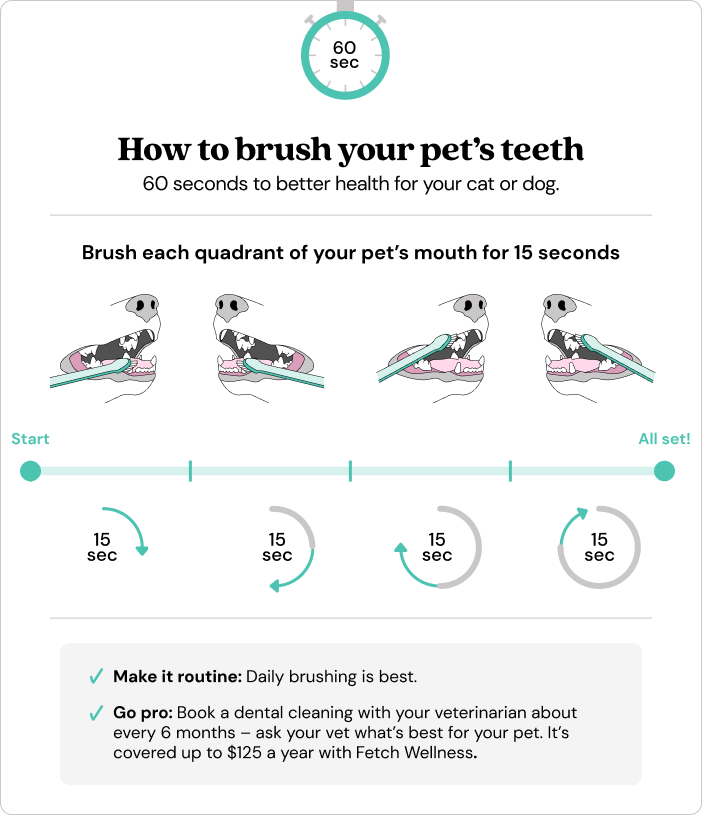
Brushing your dog’s teeth is a key part of their health. Regular brushing helps prevent dental issues. But how often should you brush those canine chompers? Let’s explore the ideal frequency for brushing your dog’s teeth.
Daily Brushing Benefits
Daily brushing keeps your dog’s mouth clean. It removes plaque and reduces tartar buildup. This can prevent gum disease. It also keeps bad breath at bay. Daily brushing can improve your dog’s overall health. It can even extend their life. Healthy teeth mean a healthy dog.
What Happens If You Skip Days
Skipping days can lead to dental problems. Plaque can harden into tartar quickly. This can cause gum disease. Gum disease can lead to pain and tooth loss. It can even affect your dog’s organs. Bad breath might become more noticeable. Regular brushing is crucial for preventing these issues.
Choosing The Right Tools
Choosing the right tools for brushing your dog’s teeth can make the entire process easier and more effective. The right toothbrush and toothpaste can turn a challenging task into a bonding moment with your furry friend. Let’s look closely at what options work best to keep your dog’s smile healthy.
Best Toothbrush Types For Dogs
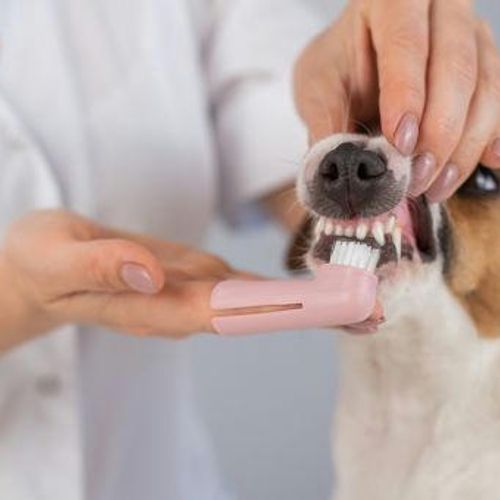
Not all toothbrushes are created equal when it comes to your dog’s dental care. Some dogs prefer a soft-bristled brush, while others respond better to finger brushes that let you feel exactly where you’re cleaning.
- Soft-bristled toothbrush:Ideal for dogs with sensitive gums. The gentle bristles clean without causing discomfort.
- Finger toothbrush:Fits over your finger, giving you more control. Great for dogs that don’t like a brush in their mouth.
- Electric toothbrush:Offers powerful cleaning but can be intimidating. Use only if your dog is comfortable with the vibrations.
Think about your dog’s size and temperament. A tiny brush won’t work for a large breed, and a bulky brush can scare a shy dog. What type of brush do you think your dog would tolerate best?
Dog-friendly Toothpaste Options
Human toothpaste is a no-go for dogs—it contains ingredients that can upset their stomach or be toxic. Instead, choose toothpaste designed specifically for dogs.
- Enzymatic toothpaste:Breaks down plaque effectively and is safe to swallow.
- Flavored toothpaste:Comes in tastes like poultry, peanut butter, or beef to make brushing more enjoyable.
- Natural toothpaste:Uses ingredients like aloe and neem for gentle cleaning without harsh chemicals.
Have you tried toothpaste flavors your dog liked? Sometimes, a favorite flavor can make brushing a daily habit instead of a struggle. Always check the label to ensure the toothpaste is approved for canine use.
Step-by-step Brushing Guide
Brushing your dog’s teeth may seem tricky at first, but breaking it down into simple steps makes it manageable. This guide helps you prepare your dog and use the right technique so brushing becomes a positive experience. You’ll see how small changes in your approach can make a big difference in your dog’s dental health.
Preparing Your Dog
Start by choosing a quiet spot where your dog feels relaxed. Let your dog sniff and lick the toothbrush or finger brush before you begin. This helps build trust and reduces any fear or resistance.
Offer praise and gentle petting during this introduction. If your dog resists, try touching their lips and teeth with your finger first to get them used to the sensation. Gradually introduce the toothbrush over several days to avoid overwhelming your pet.
Proper Brushing Technique
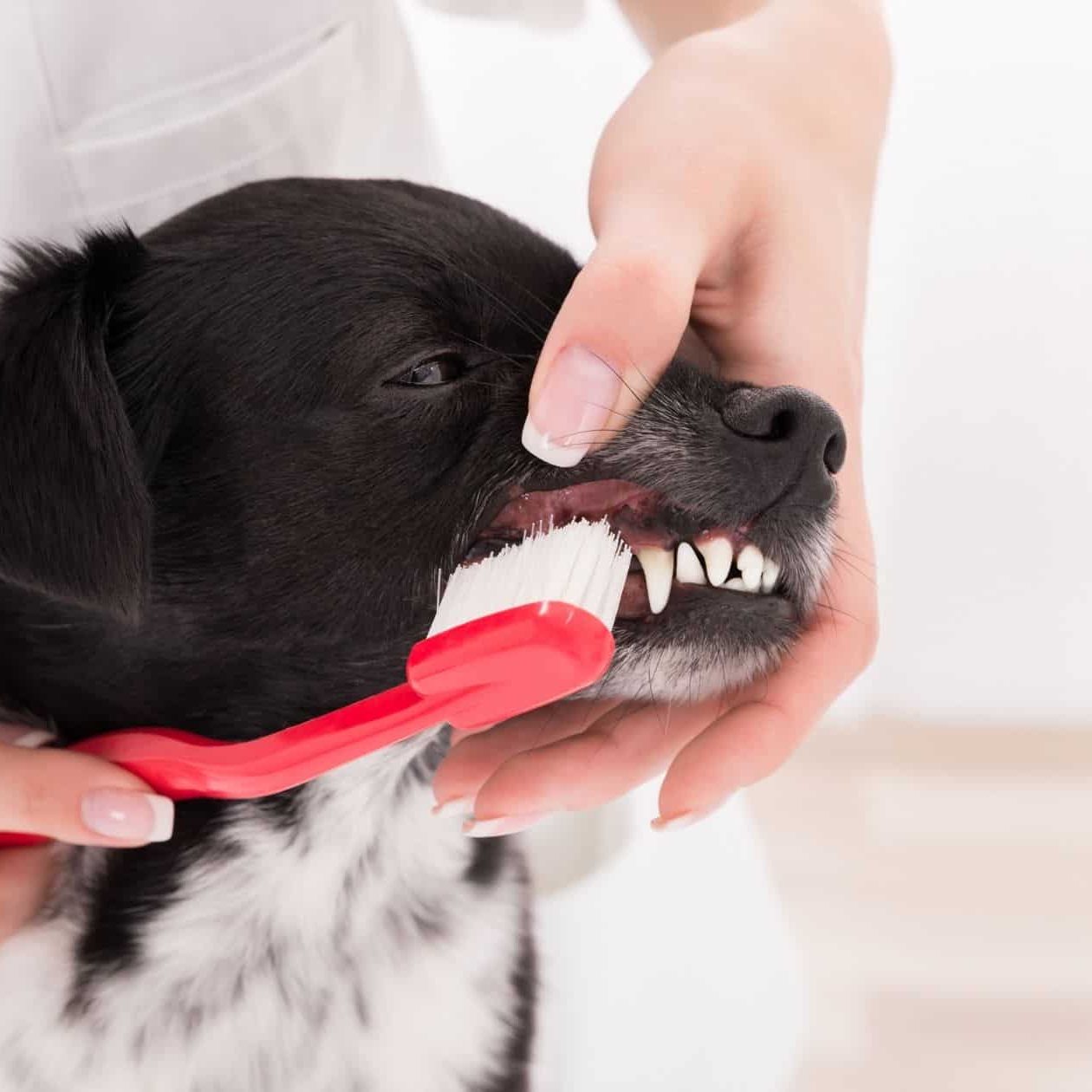
Use a dog-specific toothpaste; human toothpaste can upset their stomach. Hold the brush at a 45-degree angle to the gum line. This angle helps clean the plaque without hurting the gums.
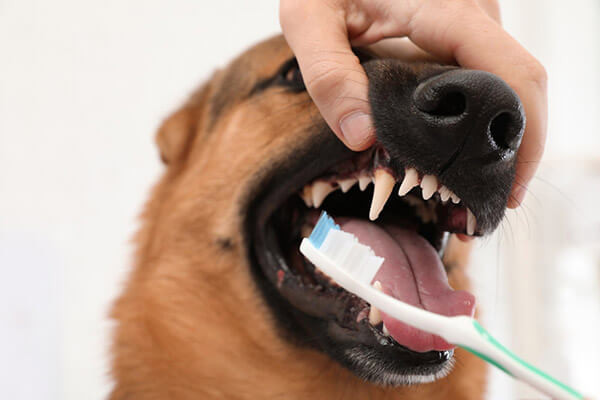
Brush gently in small circles or back-and-forth strokes, focusing on the outer surfaces of the teeth where plaque builds up most. Don’t forget the back teeth—they are often neglected but important. Keep sessions short, especially at first, to keep your dog comfortable.
Ask yourself: Are you brushing just enough to clean or too hard and causing discomfort? Always watch your dog’s reactions and adjust accordingly. Positive reinforcement after brushing encourages your dog to look forward to this daily routine.
Alternative Dental Care Methods
Keeping your dog’s teeth clean goes beyond just brushing. Alternative dental care methods can support your dog’s oral health and reduce plaque buildup. These options can be practical, especially if your dog resists regular brushing or you want to add extra protection.
Dental Chews And Toys
Dental chews and toys are popular choices for helping maintain your dog’s teeth. They work by mechanically scraping off plaque as your dog chews. This simple action can reduce tartar and freshen breath.
Choose chews made from safe, durable materials designed to promote dental health. Look for products approved by veterinary dental associations, which often have added benefits like enzymes to fight bacteria.
Have you noticed your dog enjoying a chew more than brushing? Let that be a clue to add these into their routine regularly. Just remember, dental chews are a supplement—not a full replacement for brushing.
Professional Cleanings
Even with daily care, professional cleanings are essential for your dog’s dental health. Vets use special tools to remove plaque and tartar below the gum line—areas brushing can’t reach.
Scheduling regular cleanings can catch problems early and prevent painful infections. How often your dog needs these cleanings depends on their breed, age, and oral health.
Think of professional cleanings as a deep reset for your dog’s mouth. If your dog is older or has existing dental issues, these visits become even more important to keep their smile healthy.
Credit: getodie.com
Signs Your Dog Needs Dental Attention
Dogs cannot tell us when their teeth hurt. Watching for signs helps catch problems early. Dental issues affect their health and comfort. Knowing these signs lets you act quickly.
Bad Breath And Discoloration
Bad breath is a common sign of dental trouble. It may smell sour or foul. This happens when bacteria build up on teeth. Yellow or brown stains also show plaque and tartar. Discolored gums or teeth signal infection or decay.
Behavioral Changes
Your dog may act different if their mouth hurts. They might chew less or drop food. Pawing at the face or rubbing the mouth shows pain. Some dogs become quiet or less playful. Watch for signs of discomfort during eating or play.
Maintaining Long-term Oral Health
Maintaining long-term oral health for your dog requires more than just brushing. Healthy teeth and gums prevent pain and serious illnesses. Creating a routine that supports dental care ensures your dog stays happy. This includes attention to diet, regular vet visits, and daily cleaning habits.
Diet And Nutrition Tips
The food your dog eats affects their oral health. Dry kibble helps reduce plaque build-up better than wet food. Some treats are designed to clean teeth and freshen breath.
- Choose high-quality dog food with balanced nutrients.
- Offer dental chews to help remove tartar.
- Avoid sugary or sticky snacks that cause decay.
- Provide plenty of fresh water to rinse the mouth.
Regular Vet Checkups
Veterinarians check your dog’s teeth during routine visits. They spot early signs of dental disease and offer professional cleaning. Regular checkups help catch problems before they worsen.
- Schedule dental exams at least once a year.
- Follow your vet’s advice on tooth care products.
- Ask about special treatments for your dog’s breed.
- Report any bad breath, bleeding, or difficulty eating.
Credit: www.scottsdaleveterinaryclinic.com
Frequently Asked Questions
How Often Should I Brush My Dog’s Teeth Daily?
Brushing your dog’s teeth once a day is ideal for preventing plaque. If daily brushing is difficult, aim for at least three times a week to maintain oral health and reduce bad breath and dental disease risks.
Can Brushing Frequency Vary By Dog Breed?
Yes, some breeds like small or brachycephalic dogs may need more frequent brushing. Their dental issues are more common, so increasing brushing to daily or every other day helps maintain healthier teeth and gums.
What Happens If I Don’t Brush My Dog’s Teeth Regularly?
Without regular brushing, plaque builds up and hardens into tartar. This leads to gum disease, tooth loss, bad breath, and potential systemic infections. Regular brushing significantly reduces these risks and promotes your dog’s overall health.
Are There Alternatives If My Dog Resists Brushing?
If brushing is challenging, dental chews, toys, and water additives can help. However, these should complement brushing, not replace it. Consistent brushing remains the most effective method to keep your dog’s teeth clean and healthy.
Conclusion
Brushing your dog's teeth regularly keeps their mouth healthy. Aim to brush at least two to three times each week. Consistency helps prevent bad breath and dental problems. Use a dog-friendly toothbrush and toothpaste for best results. Start slow and make brushing a positive experience.
Healthy teeth support your dog’s overall well-being. Small daily efforts lead to big benefits. Keep your dog smiling bright with good dental care.

Emily Barker is the founder of ChillDogLife.com, a space dedicated to helping pup parents discover the best dog products, lifestyle tips, and cozy ideas for happier homes.
A lifelong dog lover, Emily combines her passion for pets with a knack for research to share trusted recommendations on everything from toys and furniture to health and everyday care.
Her goal is simple: to make life easier, stylish, and more joyful for dogs and the people who love them.




