Is your dog coughing more than usual? You might be wondering if it’s just a cold or something more serious like kennel cough.
Knowing the signs early can make all the difference in your dog’s health and comfort. You’ll learn exactly how to spot if your furry friend has kennel cough and what steps you should take next. Keep reading to protect your dog from unnecessary discomfort and get peace of mind.
Credit: www.goodrx.com
What Is Kennel Cough
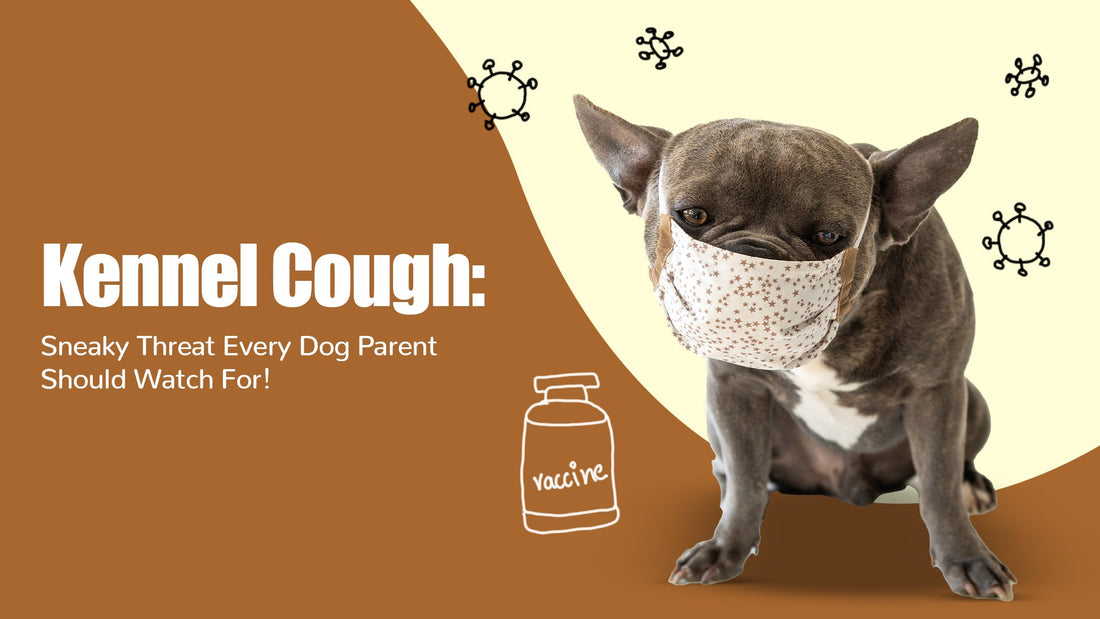
Kennel cough is a common respiratory infection in dogs. It causes a strong cough that sounds harsh and dry. Dogs catch it easily in places with many other dogs, like kennels or dog parks.
This illness spreads through the air or by direct contact. It usually affects the dog’s throat and upper airways. Most dogs recover quickly but some may need treatment.
What Causes Kennel Cough?
Kennel cough comes from several germs. The main one is a bacteria called Bordetella bronchiseptica. Viruses like parainfluenza and adenovirus can also cause it. These germs irritate the dog’s throat and lungs.
How Does Kennel Cough Spread?
The infection spreads through coughing, sneezing, or nose contact. Dogs in close spaces pass it fast. Shared water bowls and toys can carry the germs too. It spreads especially in crowded places.
Who Can Get Kennel Cough?
Any dog can get kennel cough. Puppies and older dogs are more at risk. Dogs that stay in kennels, shelters, or doggy daycare catch it more often. Dogs with weak immune systems also get sick easier.
Is Kennel Cough Dangerous?
Most dogs get better without problems. But some dogs develop pneumonia or other lung issues. Dogs with other health problems need quick care. Early treatment helps prevent serious illness.
Common Symptoms
Recognizing kennel cough in dogs is crucial for timely care. This condition is contagious, often picked up in crowded places. Look out for key symptoms to ensure your dog’s health and comfort.
Persistent Cough
Dogs with kennel cough often have a dry, persistent cough. It sounds like a honk and can last for weeks. This is usually the most noticeable sign.
Runny Nose
A runny nose can also indicate kennel cough. Clear or cloudy discharge might be present. Keep an eye on the consistency and frequency.
Sneezing
Frequent sneezing is another common symptom. It can spread the infection to other dogs. If your dog sneezes a lot, consider a vet visit.
Lethargy
Dogs might seem more tired than usual. They may sleep more and show less interest in activities. Lethargy is often paired with other symptoms.
Loss Of Appetite
A dog with kennel cough may eat less. This could be due to discomfort or feeling unwell. Monitor their food intake closely.
How Kennel Cough Spreads
Understanding how kennel cough spreads is key to protecting your dog and those around them. This contagious respiratory infection can move quickly through places where dogs gather. Knowing the ways it spreads helps you spot risks and act fast.
Transmission Through Airborne Droplets
Kennel cough often spreads when an infected dog coughs or sneezes. Tiny droplets carrying the bacteria or virus become airborne and can be inhaled by nearby dogs. This means close contact or crowded areas increase the chance of catching it.
Direct Contact Between Dogs
Dogs that play or rest close together can easily pass kennel cough through nose-to-nose contact. Even sharing water bowls or toys can spread the infection. Have you noticed your dog sharing these with others? That’s a risk factor to consider.
Contaminated Surfaces And Objects
Germs from kennel cough can live on surfaces like kennel floors, bedding, or collars for several hours. When your dog touches or sniffs these contaminated items, they can pick up the infection. Cleaning and disinfecting shared spaces is more important than you might think.
Stress And Crowded Environments
Places like dog parks, boarding kennels, and grooming salons are hotspots for kennel cough spread. Stress weakens a dog’s immune system, making it easier for the bacteria or virus to take hold. Have you noticed your dog acting stressed after visiting such places? That’s a sign to watch for symptoms closely.
When To See A Vet
Recognizing when to take your dog to the vet is crucial for managing kennel cough. Early veterinary care can prevent complications and help your dog recover faster. Some signs mean urgent attention is needed. Others show the need for professional advice to avoid worsening symptoms.
Severe Coughing Fits
If your dog has intense coughing that lasts long, see a vet. These fits may cause gagging or vomiting. Continuous coughing can hurt your dog’s throat and lungs. Immediate care helps reduce pain and prevent damage.
Breathing Difficulties
Watch for fast or labored breathing. Noisy breathing or wheezing is a warning sign. Breathing problems can mean the infection is spreading. A vet can assess and provide treatments to ease breathing.
High Fever
A high fever signals your dog’s body is fighting a serious infection. Normal dog temperature is about 101 to 102.5°F (38.3 to 39.2°C). Temperatures above 103°F (39.4°C) need veterinary evaluation to prevent complications.
Lack Of Improvement
If symptoms stay the same or worsen after a week, visit the vet. Persistent coughing, lethargy, or loss of appetite are signs your dog needs help. Early treatment stops the illness from getting worse or causing other problems.
Preventing Kennel Cough
Preventing kennel cough is crucial to keep your dog healthy and happy. This highly contagious respiratory infection spreads quickly in places where dogs gather, like parks, kennels, and grooming salons. Taking proactive steps can protect your furry friend from this uncomfortable illness.
Vaccination
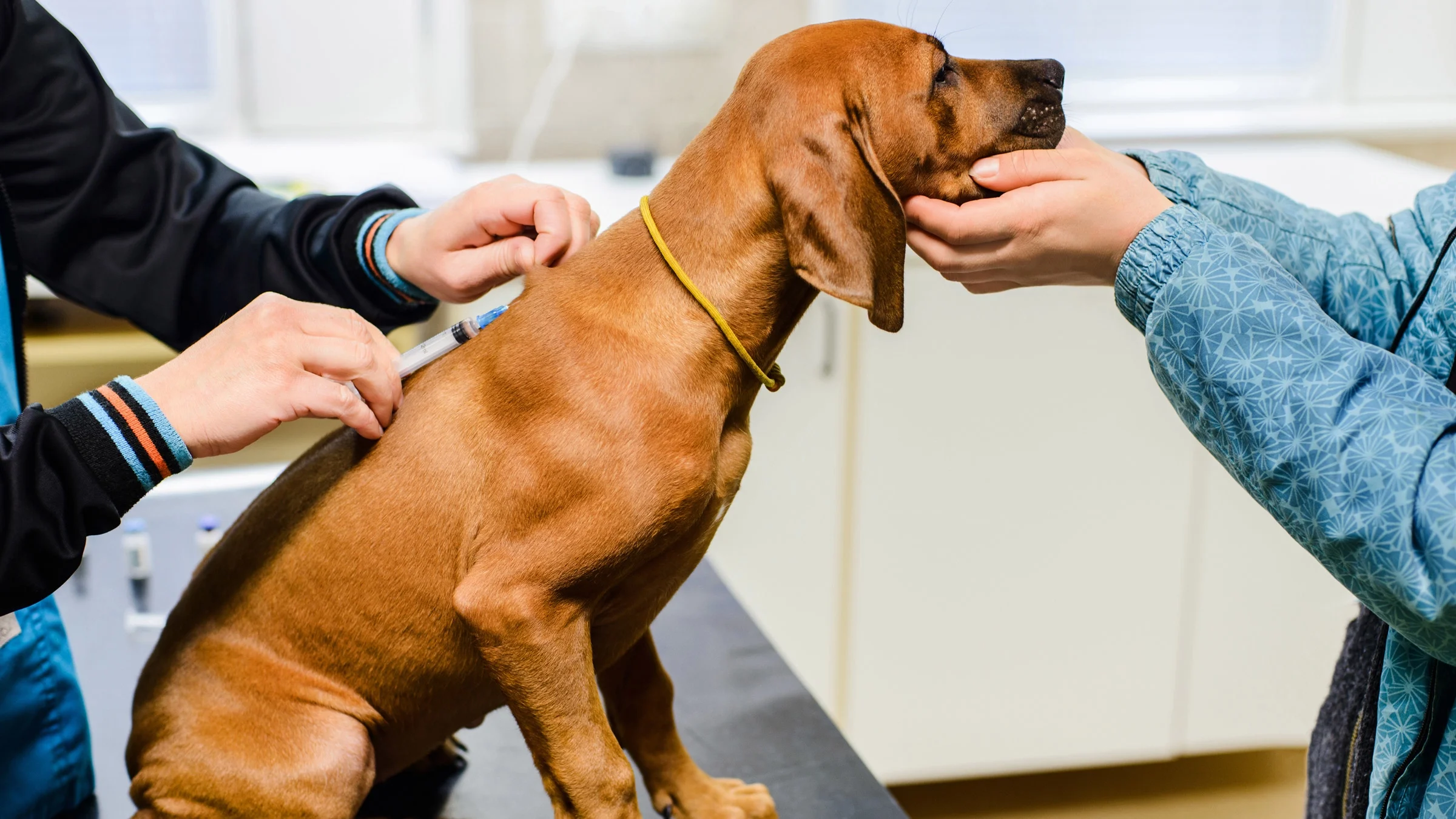
Vaccinating your dog is one of the most effective ways to prevent kennel cough. There are vaccines available that target the common bacteria and viruses causing the infection. Ask your vet about the appropriate vaccination schedule for your dog, especially if you plan to board them or visit doggy daycare.
Even vaccinated dogs can sometimes catch kennel cough, but the symptoms tend to be milder and shorter in duration. Have you checked if your dog’s vaccinations are up to date lately?
Avoiding Exposure
Limiting your dog’s contact with infected dogs reduces the risk of kennel cough. Avoid crowded dog parks or social events during outbreaks. Watch out for coughing dogs around your pet and keep a safe distance.
If you need to board your dog, choose facilities with strict health policies and good ventilation. Have you noticed any coughing dogs in your neighborhood recently? Being cautious can save your dog from a tough illness.
Good Hygiene Practices
Maintaining cleanliness in your dog’s environment helps prevent kennel cough. Regularly disinfect food and water bowls, bedding, and toys. Wash your hands before and after handling your dog, especially if they’ve been in public places.
Good hygiene extends to grooming tools and kennel areas. Clean these frequently to reduce bacteria buildup. What small hygiene habit could you start today to protect your dog?

Credit: www.rover.com
Treatment Options
Treating kennel cough involves a mix of care at home, medications, and plenty of rest. Prompt treatment helps your dog recover quickly and avoid complications. Understanding the options lets you support your dog’s healing process effectively.
Home Care Tips
- Keep your dog away from other pets to prevent spreading the infection.
- Use a humidifier or sit with your dog in a steamy bathroom to ease coughing.
- Provide fresh water often to keep your dog hydrated.
- Feed soft, easy-to-eat food to avoid throat irritation.
- Keep your dog warm and comfortable, avoiding cold or damp areas.
Medications
Some cases require medication to reduce symptoms and speed recovery. Your vet may suggest:
- Antibiotics to fight bacterial infection if needed.
- Cough suppressants to ease severe coughing fits.
- Anti-inflammatory drugs to reduce throat swelling.
- Medications to boost the immune system in some cases.
Rest And Recovery
Rest is vital for your dog’s body to heal. Limit exercise and avoid stressful activities. Create a quiet, cozy space for your dog to relax. Recovery times vary but expect a few weeks for full healing. Keep monitoring your dog’s condition and contact your vet if symptoms worsen.
Credit: zigly.com
Frequently Asked Questions
What Are The Main Symptoms Of Kennel Cough In Dogs?
Kennel cough symptoms include a persistent dry cough, gagging, sneezing, and nasal discharge. Dogs may also show lethargy and loss of appetite. These signs usually appear within 3 to 10 days after exposure.
How Can I Tell If My Dog’s Cough Is Kennel Cough?
Kennel cough causes a distinctive honking cough that worsens with excitement or exercise. Unlike other coughs, it is dry and non-productive. If your dog shows this cough along with mild fever, consult a vet.
Is Kennel Cough Contagious Between Dogs?
Yes, kennel cough is highly contagious and spreads through airborne droplets or direct contact. It commonly occurs in places with many dogs like kennels and dog parks. Early isolation helps prevent spreading.
How Long Does Kennel Cough Last In Dogs?
Kennel cough usually lasts 1 to 3 weeks. Most dogs recover fully with rest and supportive care. Severe cases may require veterinary treatment, especially if symptoms worsen or persist.
Conclusion
Knowing the signs of kennel cough helps protect your dog’s health. Watch for coughing, sneezing, and a runny nose. Early care can prevent serious problems. Keep your dog away from sick animals. Clean their environment often. Visit a vet if symptoms persist or worsen.
Healthy dogs stay happy dogs. Stay alert and act quickly for your pet’s well-being.

Emily Barker is the founder of ChillDogLife.com, a space dedicated to helping pup parents discover the best dog products, lifestyle tips, and cozy ideas for happier homes.
A lifelong dog lover, Emily combines her passion for pets with a knack for research to share trusted recommendations on everything from toys and furniture to health and everyday care.
Her goal is simple: to make life easier, stylish, and more joyful for dogs and the people who love them.




