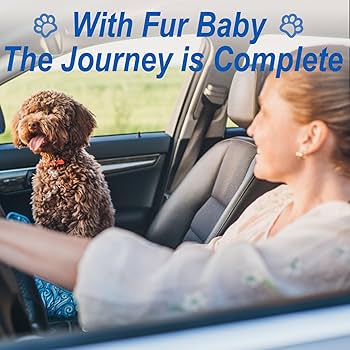
Does your dog get nervous or sick every time you take a car ride? Watching your furry friend feel uncomfortable can be tough.
You want your dog to enjoy trips, not dread them. Luckily, there are simple ways you can help ease your dog’s car sickness. You’ll discover easy, effective tips to make car rides smoother for your dog—and more enjoyable for you too.
Keep reading to learn how to turn stressful trips into happy adventures for both of you.
Credit: www.zoetispetcare.com
Causes Of Car Sickness In Dogs
Car sickness in dogs happens when they feel unwell during car rides. It can make trips hard for both dogs and owners. Understanding what causes car sickness helps to manage it better.
Several reasons can trigger car sickness in dogs. These include how their body reacts to movement, feelings of stress, and past bad trips. We will look at each cause closely.
Motion Sensitivity
Dogs can get motion sickness just like people. Their inner ears sense movement and balance. When the car moves, their body sends mixed signals to the brain. This causes nausea and discomfort.
Some dogs are more sensitive to motion than others. Puppies and young dogs often feel this more. Long trips or bumpy roads can make motion sickness worse.
Anxiety And Stress
Cars can be scary for some dogs. The noise, vibrations, and strange smells cause stress. This stress can lead to car sickness symptoms like drooling or vomiting.
- Fear of new places or situations
- Separation anxiety from owners
- Loud noises from the road
- Confined space inside the car
Stress makes the body react strongly. Dogs may feel sick because their mind is anxious about the trip.
Previous Negative Experiences
Bad past trips can cause dogs to fear car rides. If a dog got sick before or had a scary ride, it may expect the same again. This memory can make them feel sick faster.
| Past Experience | Effect on Dog |
| Vomiting during a trip | Fear of traveling, nausea triggers |
| Car accident or sudden stop | Anxiety, reluctance to enter car |
| Long trips without breaks | Stress, physical discomfort |

Credit: www.petindiaonline.com
Signs To Watch During Rides
Dogs can feel sick during car rides just like people. Watching for signs helps you know when your dog is uncomfortable.
Knowing what to look for can make the ride safer and calmer for your dog.
Physical Symptoms
Physical signs show that your dog may feel sick. These symptoms are often easy to see during a ride.
- Excessive drooling or saliva
- Vomiting or dry heaving
- Pale or white gums
- Yawning or lip licking
- Shaking or trembling
- Heavy panting without heat
- Restlessness or inability to sit still
Behavioral Changes
Behavior changes can also signal car sickness. These signs show your dog feels uneasy or stressed.
- Whining or barking more than usual
- Trying to escape or hide
- Refusing to enter the car
- Clinging close to you or the door
- Sudden aggression or snapping
- Restlessness or pacing inside the car
Preparing Your Dog Before The Trip
Car sickness can make trips hard for dogs. Preparing your dog before the trip helps reduce sickness.
Getting your dog used to car rides and setting up comfort helps them feel calm and safe.
Short Practice Drives
Start with short car rides to help your dog adjust. Keep these drives calm and positive.
Take trips around the block or to a nearby park. Slowly increase the ride time over days.
- Keep the car quiet and smooth
- Offer praise and treats during the ride
- Watch your dog’s behavior for stress signs
- End the drive with fun activities
Comfortable Environment Setup
Make your car cozy for your dog. A comfortable space helps them relax on trips.
Use a soft blanket or bed in the seat or crate. Bring favorite toys for distraction.
- Keep the temperature cool and fresh
- Block strong sunlight with window shades
- Secure your dog safely with a harness or crate
- Play soft music to calm your dog
Proper Feeding Schedule
Feed your dog carefully before trips to avoid nausea. Avoid full meals right before the ride.
Give food a few hours before traveling. Small snacks are okay but skip heavy treats.
- Feed 3-4 hours before the trip
- Provide fresh water but limit large drinks
- Offer light snacks if the trip is long
- Watch for signs of hunger or thirst
Calming Techniques For The Ride
Car sickness can make travel stressful for dogs and their owners. Using calming methods helps keep dogs relaxed during trips.
These techniques reduce nausea and anxiety. They make the ride easier for your pet.
Natural Remedies And Supplements
Some natural remedies soothe dogs’ stomachs and calm nerves. Always check with a vet before use.
- Ginger helps reduce nausea and settles the stomach.
- Chamomile tea can calm anxious dogs.
- Peppermint oil, used sparingly, may ease upset tummies.
- Supplements with calming ingredients support stress relief.
Soothing Music And Scents
Soft sounds and gentle scents can lower stress during car rides. Dogs respond well to calming environments.
| Calming Music | Effect |
| Classical music | Reduces anxiety |
| Soft instrumental | Promotes relaxation |
| Nature sounds | Soothes nerves |
Lavender and chamomile scents may help dogs stay calm. Use pet-safe diffusers or sprays in the car.
Using Restraints Safely
Secure restraints protect dogs and reduce movement that causes sickness. Proper use keeps pets safe and calm.
- Use a dog seat belt or harness designed for car travel.
- Choose a crate with enough space for comfort.
- Place restraints to avoid sudden jolts or slips.
- Never hold your dog on your lap during the ride.
Training Tips To Reduce Motion Sickness
Many dogs feel uneasy during car rides. Training helps reduce their motion sickness. Patience and practice are key to making trips easier.
Using simple training methods can help your dog enjoy car rides more. This guide covers easy ways to help them feel better.
Gradual Exposure
Start with short trips to get your dog used to the car. Increase the ride length slowly over days or weeks. This helps their body adjust to movement.
- Let your dog sit in a parked car for a few minutes.
- Take a short drive around the block.
- Increase the drive time by a few minutes each day.
- Watch your dog for signs of discomfort.
- Stop if your dog shows stress and try again later.
Positive Reinforcement
Reward your dog for calm behavior during rides. Use treats, praise, or their favorite toy. This makes the car a positive place.
| Calm Behavior | Reward Type |
| Sitting quietly | Small treat |
| Looking relaxed | Gentle praise |
| Playing with a toy | Extra playtime |
Distraction Methods
Distract your dog with toys or sounds to keep their mind off the ride. This helps reduce nausea and anxiety.
Try these distractions during car rides:
- Chew toys to keep their mouth busy
- Soft music or audiobooks for dogs
- Comfortable blankets with familiar scents
- Short breaks to stretch on long trips
When To Consult A Veterinarian
Car sickness in dogs can be troubling. Consulting a vet helps identify serious issues. Vets provide advice that suits your dog’s needs.
Look for signs like vomiting, drooling, or anxiety. These may need professional attention. A vet helps determine if medication or other treatments are required.
Medication Options
Medication may ease your dog’s car sickness. A vet prescribes safe options. This is crucial to prevent side effects.
- Discuss antihistamines with your vet
- Consider prescription medication
- Ask about natural remedies
Checking For Underlying Health Issues
Sometimes, car sickness is a sign of other health problems. These issues require a vet’s diagnosis. Early detection is key to effective treatment.
| Symptom | Possible Cause |
| Frequent Vomiting | Gastrointestinal issues |
| Excessive Drooling | Dental problems |
| Anxiety | Stress-related conditions |
Tips For Long-distance Trips
Traveling with your dog can be a fun experience. Some dogs, though, get car sick. Long trips need extra care to help them feel better.
Here are simple tips to make long-distance travel easier for your furry friend.
Frequent Breaks
Take regular breaks during your trip. It helps your dog stretch and relax. A short walk can make a big difference.
- Stop every 1-2 hours
- Let your dog walk and sniff
- Use this time for bathroom breaks
Hydration And Snacks
Keep your dog hydrated. Offer small amounts of water often. Light snacks can help, too.
- Bring a travel water bowl
- Offer water at each stop
- Pack healthy snacks like dog biscuits
Maintaining A Calm Atmosphere
Create a calm space in the car. Keep noise low to help your dog relax. Soft music can soothe anxious dogs.
- Keep windows slightly open for fresh air
- Use a pet seatbelt or carrier for safety
- Bring a favorite toy or blanket
Credit: www.zoetispetcare.com
Frequently Asked Questions
What Are Common Signs Of Car Sickness In Dogs?
Common signs include drooling, whining, panting, restlessness, and vomiting. Dogs may also appear anxious or lethargic during car rides. Recognizing these symptoms early helps in managing their discomfort effectively and improving their travel experience.
How Can I Prevent My Dog’s Car Sickness?
Prevent car sickness by limiting food before travel, providing fresh air, and taking frequent breaks. Gradually acclimate your dog to car rides with short trips. Using calming sprays or vet-recommended medications can also help reduce nausea and anxiety.
Are There Natural Remedies For Dog Car Sickness?
Yes, ginger supplements and calming herbs like chamomile may ease nausea naturally. Aromatherapy with lavender or peppermint can help reduce anxiety. Always consult your vet before trying natural remedies to ensure safety and proper dosage for your dog.
Should I Use Medication For My Dog’s Car Sickness?
Medication can be effective for severe car sickness but requires veterinary guidance. Your vet may prescribe anti-nausea drugs or sedatives for travel. Never give human medications without professional advice to avoid harmful side effects.
Conclusion
Helping dogs with car sickness takes patience and care. Try simple steps like fresh air and short trips first. Offer treats and comfort to keep them calm. Watch your dog closely for signs of stress. With time, many dogs feel better during car rides.
Stay consistent with your approach and stay calm yourself. Small changes can make a big difference. Your dog will enjoy travel more and feel safer. Keep trying, and remember, your love helps most.

Emily Barker is the founder of ChillDogLife.com, a space dedicated to helping pup parents discover the best dog products, lifestyle tips, and cozy ideas for happier homes.
A lifelong dog lover, Emily combines her passion for pets with a knack for research to share trusted recommendations on everything from toys and furniture to health and everyday care.
Her goal is simple: to make life easier, stylish, and more joyful for dogs and the people who love them.




