
Are you wondering if it’s okay to feed your adult dog puppy food? You’re not alone.
Many dog owners face this question and worry about making the right choice for their furry friend’s health. Feeding the wrong food can affect your dog’s energy, weight, and overall well-being. But is puppy food really harmful for adult dogs, or could it even have some benefits?
Keep reading to discover the facts you need to know before making a decision that impacts your dog’s happiness and health.
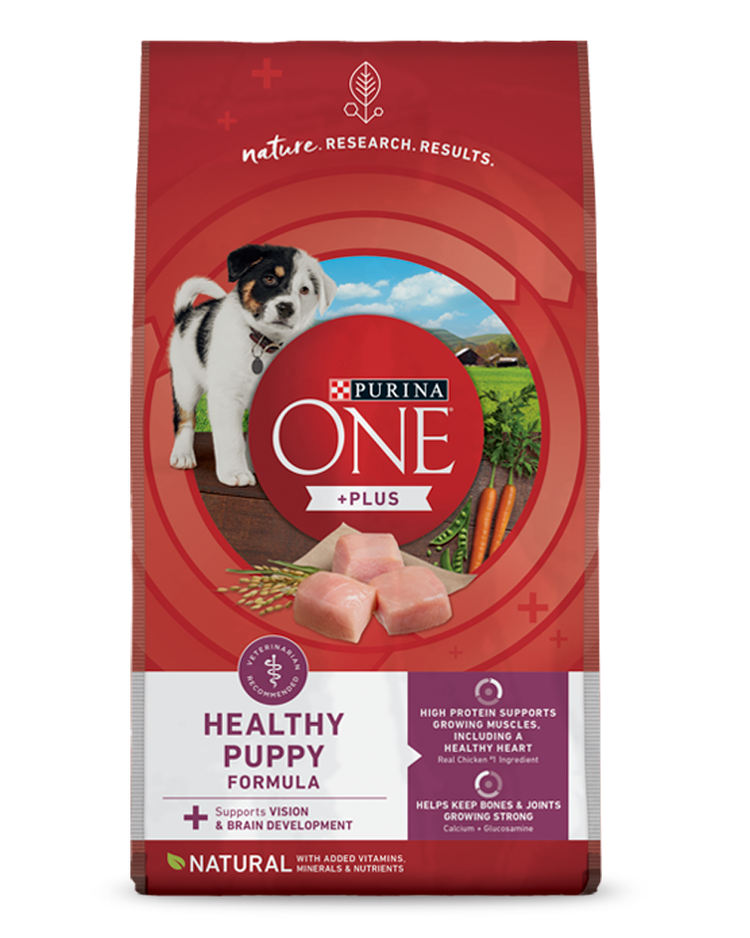
Credit: www.purina.com
Nutritional Needs Of Adult Dogs
Adult dogs need balanced nutrition to stay healthy and active. Their diet supports body functions and energy levels.
Feeding the right food helps maintain a good weight and strong muscles. Adult dogs have different needs than puppies.
Key Nutrients For Adults
Adult dogs need protein to keep their muscles strong. They also require fats for energy and healthy skin.
Vitamins and minerals support bones, teeth, and the immune system. Fiber helps with digestion and bowel health.
- Protein: Maintains muscle mass
- Fats: Provides energy and supports skin
- Vitamins: Keeps immune system strong
- Minerals: Builds bones and teeth
- Fiber: Aids digestion
Differences From Puppy Requirements
Puppies need more calories and nutrients to grow quickly. Adult dogs require fewer calories to avoid weight gain.
Puppy food has higher protein and fat levels. Adult food focuses on maintaining health and energy without extra weight.
- Puppies need more protein for muscle growth
- Higher fat in puppy food for energy
- Adult dogs need fewer calories
- Adult food supports maintenance, not growth
- Different vitamin and mineral amounts
Puppy Food Composition
Puppy food has a different mix of nutrients than adult dog food. It supports growth and high energy needs.
Understanding these differences helps decide if you can feed puppy food to adult dogs.
Higher Calorie Content
Puppy food has more calories than adult dog food. Puppies need extra energy for growth and play.
Adult dogs may gain weight if they eat too many calories from puppy food.
- Puppy food calories can be 20-30% higher
- Extra calories help build strong bones and muscles
- Adult dogs need fewer calories to stay healthy
Protein And Fat Levels
Puppy food contains more protein and fat than adult dog food. These nutrients support fast growth.
Too much protein and fat in adult dogs can cause weight gain and digestive issues.
- Protein in puppy food is often 22% or more
- Fat levels can be 8-10% or higher in puppy formulas
- Adult dog food usually has less protein and fat for maintenance
Potential Benefits Of Puppy Food For Adults
Puppy food is made with extra nutrients to help young dogs grow strong. Some adult dogs can benefit from eating puppy food too.
This food may support active or underweight adult dogs. It provides more energy and nutrition than regular adult dog food.
Energy Boost For Active Dogs
Active adult dogs need more calories to keep up their energy. Puppy food has higher fat and protein levels to fuel their activity.
Feeding puppy food can help maintain energy during long walks or playtime. It supports muscles and keeps dogs feeling strong.
- More calories for energy
- Higher protein for muscle support
- Fat to sustain endurance
Support For Underweight Adults
Underweight adult dogs may need extra nutrition to gain healthy weight. Puppy food offers rich nutrients to help with weight gain.
The added vitamins and minerals help improve overall health and build stronger bodies in thin or recovering dogs.
- High calorie content for weight gain
- Balanced nutrients for health
- Supports muscle and tissue growth

Credit: us.eukanuba.com
Risks Of Feeding Puppy Food To Adults
Feeding puppy food to adult dogs can cause problems. Puppy food is made for growing pups, not adults.
Adult dogs need a different balance of nutrients. Giving them puppy food might lead to health issues.
Excess Weight Gain
Puppy food is higher in calories to support growth. Adult dogs eating it may gain too much weight.
Extra weight can cause joint pain and other health problems. It can also shorten a dog’s life.
- More calories than adult dogs need
- Increased risk of obesity
- Stress on joints and heart
- Possible decrease in energy levels
Nutrient Imbalance Concerns
Puppy food has more protein, fat, and minerals. Adult dogs do not need such high amounts every day.
This imbalance can cause kidney strain and digestive issues in adult dogs. It may upset their normal body functions.
- Too much protein and fat for adults
- Higher calcium can harm kidneys
- Risk of digestive upset
- May cause nutrient absorption problems
When Puppy Food Might Be Suitable
Adult dogs usually need food made just for them. Puppy food has extra nutrients for growth. Still, some adults might benefit from eating puppy food sometimes.
This article explains when feeding puppy food to adult dogs can be okay. We focus on special cases where it helps more than regular adult dog food.
Growth Recovery Cases
Some adult dogs may need to gain weight after illness or injury. Puppy food has more calories and protein to help them heal faster. It supports muscle growth and energy recovery.
Dogs recovering from surgery or long sickness might eat puppy food for a short time. This helps them get stronger and return to normal health.
- Higher calories support weight gain
- Extra protein rebuilds muscles
- Added vitamins and minerals boost healing
Specific Health Conditions
Certain health problems make adult dogs need more nutrients. Puppy food can help dogs with conditions like digestive issues or nutrient absorption problems. It provides extra energy and nutrients in an easy-to-digest form.
Some adult dogs with chronic diseases may benefit from puppy food under vet guidance. It supports their body during tough health times.
- Digestive problems may need richer food
- Dogs with poor nutrient absorption gain more from puppy food
- Extra nutrients help during chronic illness

Credit: www.petscare.com
Alternatives To Puppy Food For Adults
Feeding puppy food to adult dogs is not ideal. Adult dogs need different nutrients to stay healthy. Puppy food has too many calories and nutrients for adult dogs.
There are better options for adult dogs. These options ensure they get the right nutrients for their age and size.
Formulated Adult Dog Foods
Formulated adult dog foods are made for grown dogs. They have balanced nutrients to keep adult dogs healthy. These foods help maintain a dog’s weight and energy.
They come in different types like dry, wet, and semi-moist. Dog owners can choose based on what their pet likes best.
- Dry kibble is good for teeth health
- Wet food keeps dogs hydrated
- Semi-moist is easy to chew
Custom Diet Plans
Custom diet plans are another option. Vets can help create these plans. They are made for a dog’s specific needs and health conditions.
These plans can include homemade meals or special store-bought foods. They are great for dogs with allergies or medical issues.
- Homemade meals offer fresh ingredients
- Special foods cater to allergies
- Vets guide the portion sizes
Tips For Transitioning Dog Food
Changing your dog’s food needs care. A sudden switch can upset their stomach.
Use gentle methods to help your dog adjust to new food. Watch your dog’s response closely.
Gradual Switch Strategies
Switch your dog’s food slowly over 7 to 10 days. Mix old and new food in small steps.
- Start with 75% old food and 25% new food.
- After 2-3 days, use 50% old and 50% new food.
- Then move to 25% old and 75% new food.
- Finally, give 100% new food.
Monitoring Health And Behavior
Watch your dog’s health and behavior during the food change. Look for signs of upset stomach or allergies.
| Sign | What to Do |
| Loose stool | Slow the transition and give more time. |
| Lack of appetite | Try mixing food with broth or warm water. |
| Excessive scratching | Check for food allergies and consult a vet. |
| Lethargy | Stop the new food and get vet advice. |
Expert Recommendations
Feeding adult dogs with puppy food is a common question among pet owners. Puppy food has more calories and nutrients for growth. Adults have different dietary needs that must be met carefully.
Experts suggest consulting a veterinarian before changing your dog’s diet. Tailoring the diet to your dog’s individual needs helps keep them healthy and happy.
Consulting A Veterinarian
A vet can check your dog’s health and suggest the best diet. They know if puppy food is safe or if adult dog food is better. Some health issues need special diets that only a vet can advise on.
- Discuss your dog’s age, weight, and activity level.
- Ask about risks of feeding puppy food to adults.
- Follow vet’s advice on food types and amounts.
- Schedule regular checkups to monitor health.
Tailoring Diet To Individual Needs
Each dog has unique needs based on size, breed, and health. Adjusting diet helps avoid obesity and nutrient imbalances. Adult dogs need fewer calories but enough protein and vitamins.
| Dog Factor | Dietary Need | Notes |
| Small Breed | Higher calorie density | Smaller meals more often |
| Large Breed | Controlled calories | Prevent joint issues |
| Active Dog | More protein and fat | Support energy levels |
| Less Active Dog | Lower calorie food | Avoid weight gain |
Frequently Asked Questions
Can Adult Dogs Eat Puppy Food Safely?
Yes, adult dogs can eat puppy food occasionally. However, puppy food is richer in calories and nutrients, which may cause weight gain if fed regularly to adults.
What Are Risks Of Feeding Puppies To Adult Dogs?
Feeding puppy food to adults long-term can lead to obesity and digestive issues. Adults need balanced nutrients tailored to their life stage.
How To Transition Adult Dogs From Puppy Food?
Gradually mix adult food with puppy food over 7-10 days. This helps prevent stomach upset and allows adjustment to new nutrients.
Is Puppy Food More Nutritious Than Adult Dog Food?
Puppy food contains higher protein, fats, and calories to support growth. Adult dog food has balanced nutrients for maintenance and energy needs.
Conclusion
Feeding puppy food to adult dogs is not always the best choice. Puppy food has more calories and nutrients for growth. Adult dogs need balanced food for their energy and health. Giving puppy food to adult dogs can cause weight gain and digestive issues.
Always check your dog’s needs and talk to a vet. Choosing the right food helps your dog stay healthy and happy. Remember, good nutrition supports a long and active life. Careful feeding shows love and keeps your dog strong.

Emily Barker is the founder of ChillDogLife.com, a space dedicated to helping pup parents discover the best dog products, lifestyle tips, and cozy ideas for happier homes.
A lifelong dog lover, Emily combines her passion for pets with a knack for research to share trusted recommendations on everything from toys and furniture to health and everyday care.
Her goal is simple: to make life easier, stylish, and more joyful for dogs and the people who love them.




