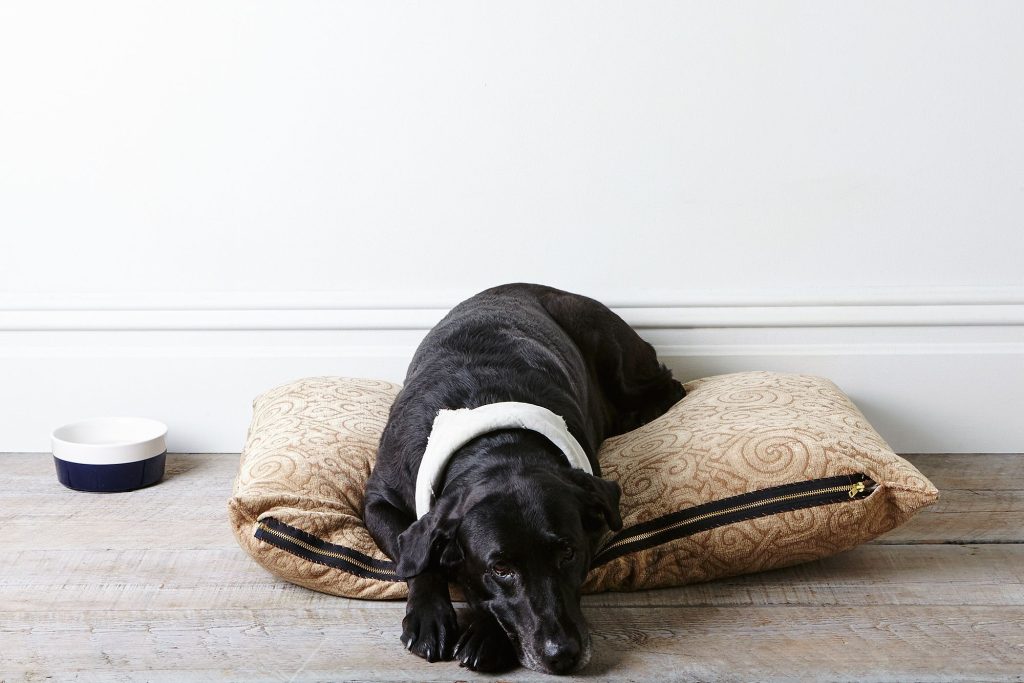
Your furry friend deserves the best place to rest after a long day of play. But have you ever thought about making a dog bed yourself?
Creating a cozy spot for your dog can be easier than you think—and it lets you customize the bed exactly to your pet’s needs. Imagine the joy of seeing your dog curl up in a bed you made with care.
You’ll discover simple steps to craft a comfortable, stylish dog bed that your pet will love. Ready to get started? Let’s dive in!

Credit: food52.com
Choosing The Right Materials
Choosing the right materials is a crucial part of making a comfortable and durable dog bed. The quality of fabric, filling, and tools you use will affect how long the bed lasts and how much your dog enjoys it. Think about your dog’s habits and needs before picking materials to ensure you create a bed they’ll love.
Selecting Fabric For Durability
Pick a fabric that can stand up to wear and tear, especially if your dog likes to scratch or chew. Heavy-duty cotton, canvas, and denim are excellent choices because they resist damage and clean easily. If your dog spends a lot of time outdoors, waterproof or water-resistant fabrics help keep the bed dry and fresh.
Consider the ease of washing too—can you toss it in the machine? You want fabric that doesn’t just hold up but stays looking good after multiple washes. Have you noticed your dog prefers soft textures or rougher surfaces? That insight can guide your fabric choice.
Picking The Perfect Filling
The filling affects your dog’s comfort and support. Memory foam is great for older dogs or those with joint issues because it cushions pressure points. Polyester fiberfill is softer and fluffier, ideal for puppies or dogs that like to snuggle into their bed.
Don’t overlook eco-friendly options like recycled foam or natural wool, which can be safer for sensitive pets. How much support does your dog need? This question helps you decide between firm and soft fillings. Remember, a poorly chosen filling can make a bed uncomfortable or cause it to flatten quickly.
Gathering Basic Tools
Having the right tools makes the project smoother and the final product better. You’ll need sharp fabric scissors, a sewing machine or needle and thread, pins to hold pieces together, and a measuring tape for accuracy. Don’t forget a zipper or Velcro if you want a removable cover for easy washing.
Good lighting and a clean workspace also help prevent mistakes. If you’re like me, using a rotary cutter and cutting mat speeds up cutting fabric perfectly. What tools do you already have, and which ones could make this project easier?
Measuring Your Dog
Measure your dog from nose to tail and include extra space for comfort. Also, check their height while sitting or lying down. These measurements help create a cozy, well-fitting dog bed.
Measuring your dog is a crucial step in crafting the perfect dog bed. It ensures comfort and helps avoid wasted materials and effort. A well-sized bed can be a sanctuary for your pet, supporting their rest and overall well-being.Determining Bed Size
Start by measuring your dog from nose to tail. This gives you a baseline for length. Next, measure from shoulder to paw to determine the width. Once you have these measurements, add a few inches to each dimension. This extra space allows your dog to move comfortably. It also accounts for any stretching or curling up they might do. Consider using a soft tape measure for accuracy. A rigid ruler might not follow the contours of your dog’s body well. This can result in incorrect measurements.Considering Your Dog’s Sleeping Style
Observe how your dog sleeps. Do they prefer to sprawl out or curl up? This sleeping style significantly impacts the bed design. If your dog sprawls, a rectangular bed with ample space is ideal. For curlers, a round or donut-shaped bed might be more suitable. Think about your dog’s habits and preferences. Does your pet like to burrow or lean against something? Incorporating these insights can guide your choices in bed shape and structure. Remember, your dog’s comfort is the priority. Tailoring the bed to their unique needs makes a world of difference.Cutting And Preparing Fabric
Cutting and preparing fabric is a crucial part of making a dog bed. This stage shapes the entire project and ensures a perfect fit for your furry friend. Taking your time here saves you from frustration later and guarantees a comfortable, durable bed.
Marking Fabric Dimensions
Start by measuring the size your dog bed needs to be. Think about your dog’s size and sleeping style. Do they like to curl up or stretch out? Add a few extra inches for seam allowances and stuffing thickness.
Use a fabric marker or tailor’s chalk to draw clear lines on the fabric. I found that using a ruler or measuring tape alongside helps keep marks straight and precise. Double-check measurements before cutting—this little step can save a lot of trouble.
Cutting Fabric Pieces
Choose sharp fabric scissors to ensure clean cuts. Dull scissors can fray the edges and make sewing difficult. Cut slowly along the marked lines to maintain accuracy.
Lay your fabric flat on a sturdy surface to avoid shifting. Pinning the layers together can help if you’re cutting multiple pieces at once. Remember, cutting carefully means your dog bed will fit together well and look neat.
Sewing The Bed Cover
Sewing the bed cover is where your project starts to take shape. It’s not just about joining fabric pieces; it’s about creating a durable, comfortable shell that will hold up to your dog’s everyday use. Getting this part right ensures your dog bed looks neat and lasts long.
Stitching Edges And Seams
Begin by aligning the fabric pieces with the right sides facing each other. Pin the edges carefully to keep everything in place as you sew. Using a straight stitch along the edges, leave a small seam allowance—usually about half an inch—to give the bed cover strength without bulk.
Reinforce corners and stress points with a backstitch to prevent the seams from coming apart over time. If you want extra durability, consider double stitching the seams. Have you ever noticed your dog’s bed fraying or splitting? Solid seams are the secret to avoiding that problem.
Adding A Zipper Or Closure
Adding a zipper or other closure lets you remove the cover for easy washing. Choose a sturdy zipper that matches the length of one side of the bed. Sewing it in can seem tricky, but take your time and sew slowly for a clean finish.
If a zipper feels complicated, you can use Velcro strips or buttons instead. These closures are easier to sew and still provide easy access to the stuffing. Think about what’s more practical for you and your dog’s needs—ease of washing is key to keeping the bed fresh.
Stuffing The Bed
Stuffing the dog bed is a key step that determines how cozy and supportive your furry friend’s resting spot will be. The right filling can make all the difference between a bed that your dog loves and one they ignore. It’s about finding the perfect balance between softness and firmness to keep your dog comfortable throughout their naps and nighttime sleep.
Distributing Filling Evenly
Even distribution of the stuffing is crucial to avoid lumps and uneven spots. If the filling clumps in one area, it can create uncomfortable pressure points for your dog. Take time to spread the material out evenly as you fill the bed, fluffing it regularly to keep the padding balanced.
Try pressing down gently and moving the filling around with your hands. You might find that layering the stuffing in small amounts works better than stuffing it all at once. Have you noticed how dogs often circle and adjust their position? That’s because they sense uneven surfaces, so your goal is to prevent that.
Ensuring Comfort And Support
Your dog’s size and sleeping habits should guide how much stuffing you add. A bed too soft can cause joint discomfort, especially in older dogs, while one too firm might not feel inviting. Consider using memory foam or orthopedic filling if your dog needs extra support.
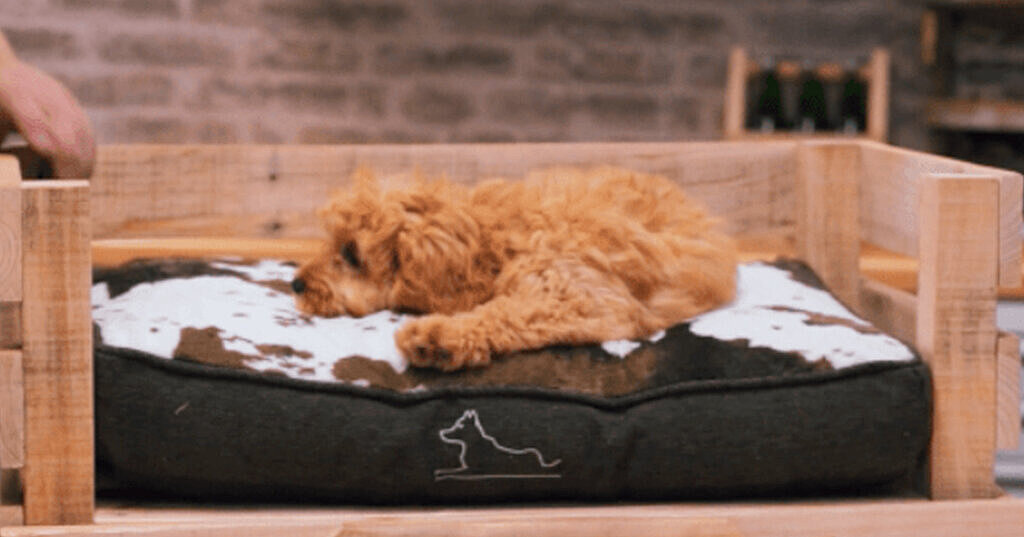
Think about your dog’s favorite sleeping positions. Do they curl up tightly or stretch out fully? Adding a bit more padding on the edges can support those who like to rest their heads on the sides. After stuffing, test the bed yourself—does it feel like it would support a dog’s weight comfortably?
Credit: www.ozito.co.nz
Finishing Touches
Finishing touches can transform your dog bed from simple to special. These details not only enhance comfort but also make maintenance easier and add a personal flair. Taking a little extra time here ensures your dog’s new bed becomes a favorite spot for years to come.
Adding Washable Features
Dogs can be messy, so having washable parts on the bed is a smart choice. Consider using removable covers with zippers or Velcro, making cleaning quick and hassle-free. You might also want to pick fabrics that are machine-washable and durable, like cotton or microfiber.
Adding a waterproof liner under the cover can protect the stuffing from accidents or spills. This keeps the bed fresh longer and saves you from frequent replacements. Have you thought about how often you’ll need to wash the bed? Planning this now can save frustration later.
Personalizing With Decorations
Decorations let you tailor the bed to your dog’s personality or your home’s style. Sew on patches with your dog’s name or favorite shapes, like bones or paw prints, for a cute touch. You can also add colorful buttons or ribbons—but make sure they’re securely attached and safe for pets.
Think about colors and textures your dog likes. Some dogs prefer soft, fluffy fabrics, while others enjoy a cooler surface. Adding a small pocket for treats or toys is a practical yet fun decoration that your dog will appreciate.
Maintaining The Dog Bed
Maintaining the dog bed keeps it fresh and comfortable for your pet. Regular care stops odors and dirt buildup. It also helps the bed last longer and stay safe for your dog.
Cleaning Tips
Remove loose hair and dirt by shaking the bed outside. Use a vacuum cleaner for a deeper clean. Wash the cover often using mild detergent and cold water. Avoid harsh chemicals that can irritate your dog’s skin. Air dry the bed to keep its shape. Spot clean stains quickly with a damp cloth and gentle soap.
Extending Bed Lifespan
Place the bed in a dry, shaded area to prevent damage. Rotate the bed regularly to avoid uneven wear. Use a washable cover to protect the stuffing. Repair small tears or holes right away. Encourage your dog to use the bed gently by keeping nails trimmed. Replace the stuffing if it becomes flat or lumpy for extra comfort.

Credit: www.loandbeholdstitchery.com
Frequently Asked Questions
How Do You Choose Materials For A Diy Dog Bed?
Select soft, durable fabrics like cotton or fleece for comfort. Use foam or old cushions for padding. Ensure materials are washable and safe for pets to keep the bed clean and long-lasting.
What Is The Easiest Way To Make A Dog Bed?
Use a large pillow or cushion and sew a removable cover. Add soft fabric inside for comfort. This simple method requires minimal sewing skills and provides a cozy resting spot for your dog.
How Do You Make A Dog Bed Waterproof?
Line the bed’s base with waterproof fabric or a plastic sheet. Cover it with soft, washable material. This protects the bed from spills and accidents, keeping it dry and comfortable for your dog.
Can I Make A Dog Bed Without Sewing?
Yes, use fabric glue or no-sew adhesive tape to join materials. You can also repurpose old blankets or cushions. This method is quick, easy, and perfect for beginners or those without sewing skills.
Conclusion
Making a dog bed is simple and fun. Choose soft, comfy materials your pet will like. Measure your dog to get the right size. Sew or glue pieces carefully for a strong bed. Personal touches make the bed special and cozy.
Your dog will enjoy a comfy place to rest. Try making one yourself and see the joy it brings. A homemade bed shows love and care. Easy to make and good for your furry friend.

Emily Barker is the founder of ChillDogLife.com, a space dedicated to helping pup parents discover the best dog products, lifestyle tips, and cozy ideas for happier homes.
A lifelong dog lover, Emily combines her passion for pets with a knack for research to share trusted recommendations on everything from toys and furniture to health and everyday care.
Her goal is simple: to make life easier, stylish, and more joyful for dogs and the people who love them.




