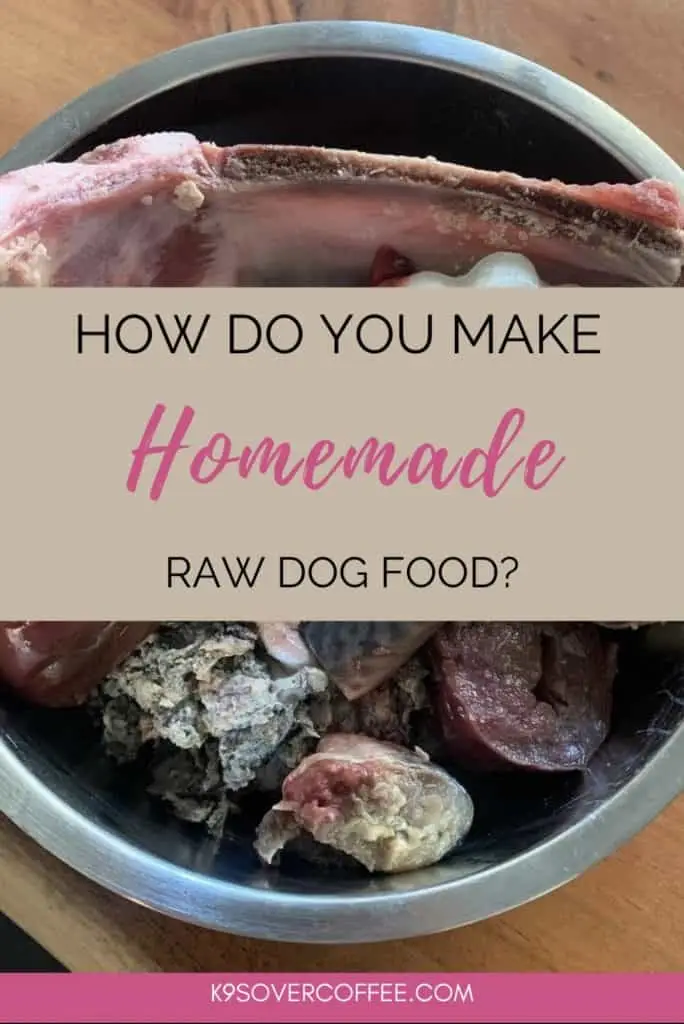
Are you looking for a healthier way to feed your dog? A raw food diet might be exactly what your furry friend needs.
It’s natural, nutritious, and can boost your dog’s energy and overall well-being. But how do you start? How do you make sure your dog gets all the right nutrients without any risks? You’ll discover simple, clear steps to create a balanced raw food diet tailored for your dog.
Keep reading to unlock the secrets to a happier, healthier pet!
Benefits Of A Raw Food Diet
Feeding dogs a raw food diet can improve their overall health. This type of diet includes fresh meats, vegetables, and fruits. Many dog owners see positive changes after switching to raw food.
Raw food diets are closer to what dogs would eat in the wild. This natural approach helps support their body functions in many ways.
Improved Digestion
Raw food is easier for dogs to digest than processed kibble. It contains natural enzymes and fewer fillers, which helps the stomach work better.
- Raw meat has natural digestive enzymes
- Less grain means fewer stomach issues
- More fiber from fresh vegetables aids digestion
- Reduces bad stool and gas problems
Healthier Coat And Skin
Dogs on a raw food diet often have shinier coats and softer skin. The natural fats and oils in raw meat support skin health.
| Benefit | Reason |
| Shiny Coat | Omega-3 and Omega-6 fatty acids |
| Soft Skin | Natural hydration from fresh ingredients |
| Less Itching | Fewer allergens and additives |
Increased Energy Levels
A raw food diet gives dogs the nutrients they need for better energy. The fresh ingredients help keep muscles strong and active.
- High protein supports muscle health
- Natural vitamins boost stamina
- Balanced fats provide long-lasting energy
- Fewer fillers reduce sluggishness
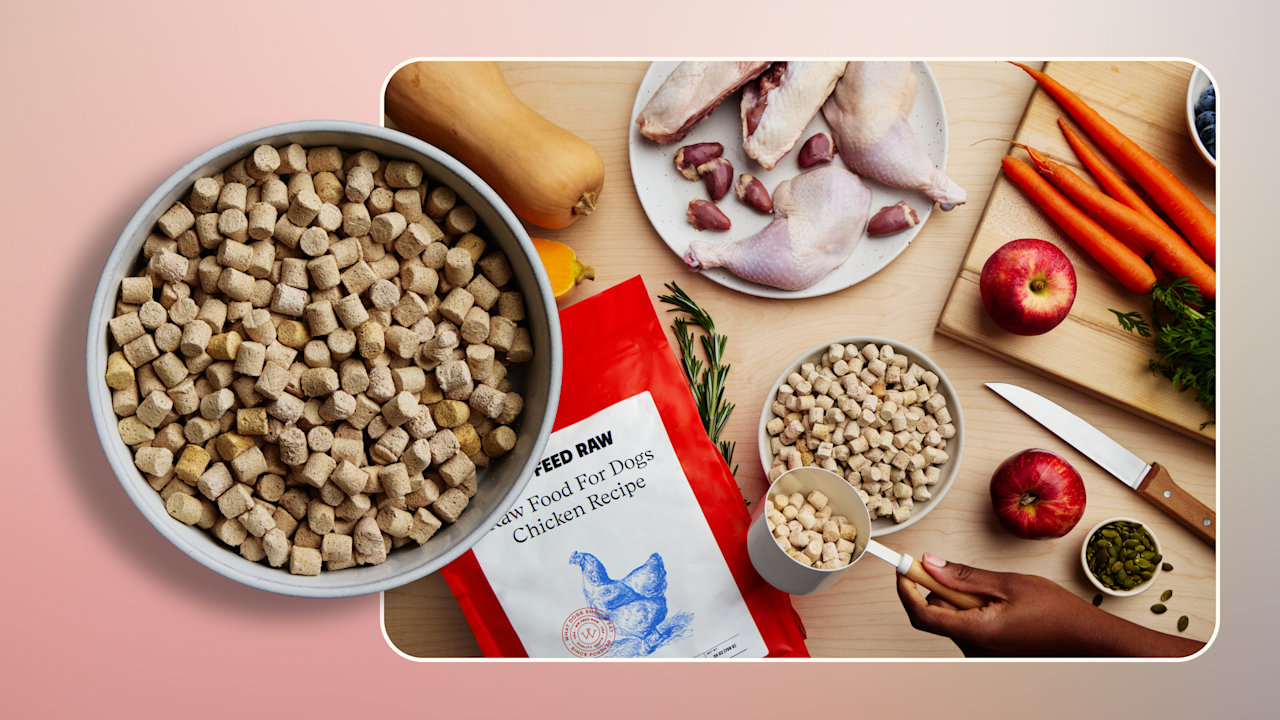
Credit: wefeedraw.com
Essential Ingredients
Feeding your dog a raw food diet requires careful choice of ingredients.
Each component gives different nutrients your dog needs to stay healthy.
Proteins And Meats
Proteins form the base of a raw food diet. Use fresh, high-quality meats.
- Chicken (including necks and wings for calcium)
- Beef (muscle meat and organ meat like liver)
- Lamb (lean cuts and organs)
- Turkey (muscle meat and heart)
- Fish (salmon, sardines, and mackerel)
Vegetables And Fruits
Vegetables and fruits add fiber, vitamins, and minerals.
| Vegetable/Fruit | Benefits |
| Carrots | Good for vision and teeth |
| Spinach | Rich in iron and antioxidants |
| Blueberries | Supports immune system |
| Apples (no seeds) | Provide fiber and vitamin C |
| Green beans | Low-calorie fiber source |
Supplements And Additives
Supplements help balance the diet and improve health.
- Fish oil for omega-3 fatty acids
- Eggshell powder as a calcium source
- Kelp powder for trace minerals
- Probiotics to aid digestion
- Bone meal for extra minerals
Balancing Nutrients
Feeding your dog a raw food diet requires careful nutrient balance. Dogs need proteins, fats, and carbs in the right amounts. Proper nutrients help keep dogs healthy and active.
Understanding how to balance these nutrients helps avoid deficiencies. This guide covers key points to balance proteins, calcium, phosphorus, vitamins, and minerals.
Proteins Vs. Carbohydrates
Proteins are vital for muscle growth and repair. Carbohydrates provide energy but dogs need less of them. A raw diet should focus on high-quality proteins.
- Include meats like chicken, beef, or turkey.
- Use organ meats for extra nutrients.
- Limit starchy carbs like rice or potatoes.
- Add vegetables for fiber and vitamins.
Calcium And Phosphorus Ratios
Calcium and phosphorus support strong bones and teeth. The right ratio keeps these minerals balanced in your dog’s body.
| Mineral | Recommended Ratio | Sources |
| Calcium | 1 part | Bone meal, crushed eggshells |
| Phosphorus | 1.2 parts | Meats, fish, organ meats |
Vitamins And Minerals
Dogs need various vitamins and minerals for good health. These include vitamins A, D, E, and minerals like zinc and iron.
- Vitamin A: Supports vision and skin health.
- Vitamin D: Helps calcium absorption.
- Vitamin E: Acts as an antioxidant.
- Zinc: Boosts immune function.
- Iron: Important for blood health.
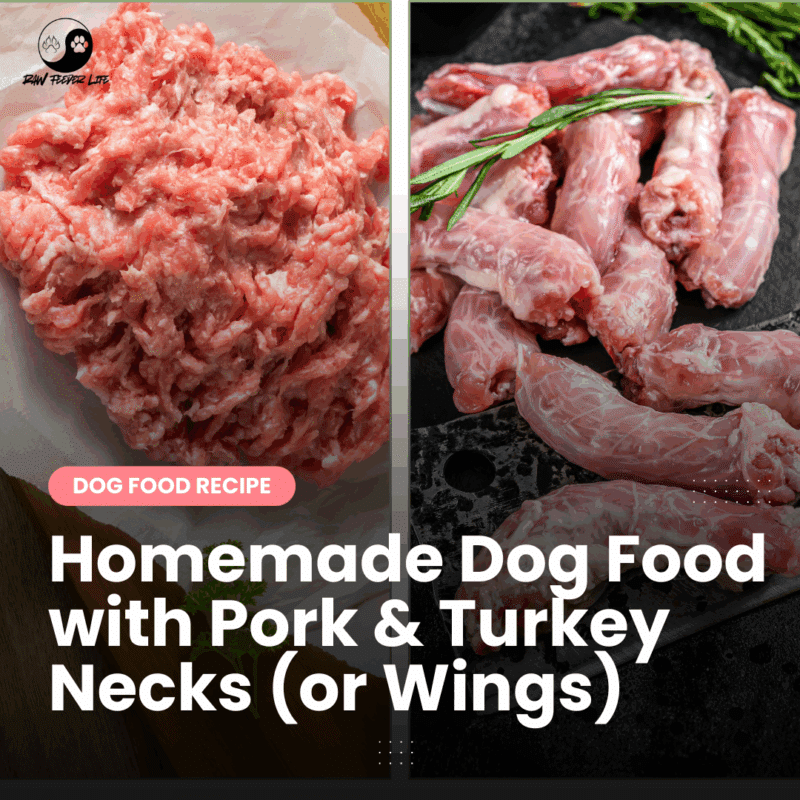
Credit: keepthetailwagging.com
Preparing Raw Meals Safely
Feeding your dog a raw food diet needs careful attention. Safety is key to keep your dog healthy.
This guide covers how to handle, store, and serve raw meals properly. Follow these tips to avoid health risks.
Handling And Storage Tips
Keep raw ingredients cold and clean. Use fresh meat and vegetables. Store meals in sealed containers.
- Wash your hands before and after handling raw food
- Use separate cutting boards for meat and vegetables
- Keep raw food in the refrigerator below 40°F (4°C)
- Freeze portions you won’t use within two days
- Thaw frozen food in the fridge, not on the counter
Avoiding Contamination
Cross-contamination can cause illness. Clean all tools and surfaces after use.
| Risk | How to Prevent |
| Raw meat bacteria | Cook or freeze properly; wash hands |
| Cross-contamination | Use separate utensils and boards |
| Improper thawing | Thaw in fridge, not at room temperature |
| Unwashed vegetables | Rinse well under running water |
Portioning And Serving
Serve the right amount of food based on your dog’s size and needs. Keep portions fresh and safe.
- Weigh your dog to calculate daily food amount
- Divide the daily amount into two or three meals
- Use clean bowls for serving
- Discard any uneaten food after 2 hours
Transitioning Your Dog
Switching your dog to a raw food diet needs care and patience. A smooth change helps your dog adjust well.
Watch your dog closely during this time. Look for signs that the new food suits them.
Gradual Introduction
Start by mixing a small amount of raw food with your dog’s current meals. Increase the raw portion slowly over two weeks.
- Begin with 10% raw food in the meal
- Raise the raw food share by 10% every 3 days
- Keep the rest as the old diet until fully switched
- Watch your dog’s interest and eating habits
Monitoring Reactions
Check how your dog reacts after each meal. Look for changes in energy, digestion, and mood.
| Reaction | What to Do |
| Loose stools | Lower raw food amount for a few days |
| Refusal to eat | Mix raw food with warm water to soften |
| Good energy and normal stools | Continue gradual increase |
| Vomiting or allergy signs | Stop raw diet and consult vet |
Adjusting Portions
Adjust the food amount based on your dog’s size and activity. Use their weight and hunger cues to guide portions.
- Weigh your dog weekly to track changes
- Feed 2-3% of their body weight daily in raw food
- Increase food if your dog is very active
- Reduce food if your dog gains too much weight
- Split food into two meals for better digestion
Common Mistakes To Avoid
Making a raw food diet for dogs can be tricky. Many people make mistakes that can affect their dog’s health. Avoid these common errors to keep your dog healthy.
Overfeeding Or Underfeeding
Feeding the right amount is crucial. Overfeeding can make your dog gain weight. Underfeeding may lead to nutrient deficiencies. Keep track of your dog’s weight and adjust meals accordingly.
- Measure portions based on your dog’s weight.
- Monitor your dog’s body condition regularly.
- Adjust food amounts as needed.
Ignoring Nutritional Balance
Ensuring a balanced diet is important. Your dog needs the right mix of proteins, fats, and carbohydrates. Missing any of these can lead to health problems.
Consider using supplements to make up for any nutrient gaps. Always consult a vet to tailor the diet for your dog’s needs.
Using Unsafe Ingredients
Not all ingredients are safe for dogs. Some can be toxic and cause serious health issues. Always research before adding new foods to your dog’s diet.
| Unsafe Ingredient | Possible Effect |
| Chocolate | Poisoning |
| Grapes | Kidney failure |
| Onions | Red blood cell damage |
Sample Raw Food Recipes
Feeding your dog a raw food diet can be healthy. It can also be simple to prepare. Here are some easy recipes to get you started.
These meals offer a balanced mix of proteins, vitamins, and minerals. They aim to keep your pet happy and healthy.
Basic Chicken Meal
Chicken is a great protein source for dogs. It is easy to digest and full of nutrients.
- 1 cup of raw chicken (without bones)
- 1/2 cup of raw carrots, chopped
- 1/2 cup of raw spinach
- 1 tablespoon of fish oil
- 1 egg (with shell, crushed)
Beef And Veggie Mix
Beef provides essential amino acids. It supports your dog’s muscle health and energy levels.
- 1 cup of raw beef (ground or chunks)
- 1/2 cup of raw broccoli, chopped
- 1/2 cup of raw sweet potato, grated
- 1 tablespoon of olive oil
- 1 egg (with shell, crushed)
Fish-based Diet
Fish is rich in omega-3 fatty acids. It helps keep your dog's coat shiny and skin healthy.
- 1 cup of raw fish (salmon or sardines)
- 1/2 cup of raw zucchini, sliced
- 1/2 cup of raw peas
- 1 tablespoon of coconut oil
- 1 egg (with shell, crushed)
When To Consult A Vet
Switching your dog to a raw food diet can affect their health in many ways. It is important to know when to seek professional advice.
Your vet can help you avoid problems and make sure your dog stays healthy on this new diet.
Health Concerns
Contact your vet if your dog shows signs of illness after starting a raw food diet. Watch for symptoms like vomiting, diarrhea, or lethargy.
- Sudden weight loss
- Change in appetite
- Frequent vomiting or diarrhea
- Unusual behavior or weakness
Diet Adjustments
Your vet can guide you on changing portions or ingredients if your dog needs different nutrients. Adjustments may be needed for age, size, or health conditions.
| Condition | Diet Change |
| Allergy | Remove suspect proteins |
| Kidney issues | Lower phosphorus foods |
| Obesity | Reduce fat content |
| Digestive problems | Increase fiber |
Supplement Recommendations
Raw diets may lack some nutrients. Your vet can suggest safe supplements to fill gaps and keep your dog balanced.
- Omega-3 fatty acids for coat and skin
- Calcium for strong bones
- Probiotics for digestion
- Vitamins to support immunity

Credit: simplefoodproject.com
Frequently Asked Questions
What Ingredients Are Essential For A Raw Dog Food Diet?
A raw dog food diet needs muscle meat, organ meat, bones, and fresh vegetables. These provide balanced protein, vitamins, and minerals for your dog’s health.
How To Safely Prepare Raw Food For Dogs At Home?
Use fresh, high-quality ingredients and practice strict hygiene. Clean surfaces, wash hands, and store food at proper temperatures to avoid bacteria and ensure your dog’s safety.
Can Raw Diets Improve My Dog’s Health?
Yes, many dogs experience better digestion, shinier coats, and increased energy on raw diets. However, consult a vet before switching to ensure it suits your dog’s needs.
How Much Raw Food Should I Feed My Dog Daily?
Feed 2-3% of your dog’s ideal body weight in raw food daily. Adjust portions based on activity level, age, and metabolism for optimal nutrition.
Conclusion
Feeding your dog a raw food diet can improve health and energy. Choose fresh, safe ingredients and balance nutrients carefully. Always watch your dog’s reaction to new foods. Consult a vet to ensure the diet meets all needs. Preparing raw meals at home takes time but shows love.
Your dog deserves wholesome food for a happy life. Start slow, stay consistent, and enjoy the benefits together.

Emily Barker is the founder of ChillDogLife.com, a space dedicated to helping pup parents discover the best dog products, lifestyle tips, and cozy ideas for happier homes.
A lifelong dog lover, Emily combines her passion for pets with a knack for research to share trusted recommendations on everything from toys and furniture to health and everyday care.
Her goal is simple: to make life easier, stylish, and more joyful for dogs and the people who love them.




