Are you wondering if your 6-month-old puppy can start eating adult dog food? It’s a common question for many dog owners who want to give their furry friend the best nutrition at every stage.
Feeding your puppy the right food now can affect their growth, health, and energy for years to come. But switching too soon or choosing the wrong type of food could lead to problems. Keep reading to find out exactly when and why you should consider making the change, so you can keep your puppy happy and healthy.
Credit: zignature.com
Nutritional Needs Of A 6 Month Old Puppy
Puppies grow fast in their first months. Their food must support this quick growth.
At six months, puppies still need special nutrition. They cannot eat adult dog food only.
Growth And Development Requirements
At six months, puppies build strong bones and muscles. They need more calories than adults.
Proper nutrients help their brain and immune system develop well during this stage.
Key Nutrients For Puppies
- Protein for muscle growth
- Calcium and phosphorus for bones
- Fat for energy and brain health
- Vitamins and minerals for overall health
- DHA for brain and eye development
Differences From Adult Dogs
| Aspect | Puppy Food | Adult Dog Food |
|---|---|---|
| Calories | Higher to support growth | Lower for maintenance |
| Protein | More for muscle development | Less, enough for upkeep |
| Calcium & Phosphorus | Balanced for bone growth | Lower to prevent excess |
| Fat | Higher for energy needs | Moderate amount |
| Vitamins | Enriched for immune support | Standard levels |
Credit: www.houndsy.com
Adult Dog Food Vs Puppy Food
Puppies grow quickly and need special nutrition. Adult dog food is made for dogs that are fully grown. This makes the two types of food different in key ways.
Feeding a 6 month old puppy adult dog food may not give the puppy what it needs. Let’s look at some main differences between the two foods.
Caloric Content Comparison
Puppies need more calories than adult dogs because they use energy to grow. Puppy food has more calories per serving than adult dog food.
Adult dog food usually has fewer calories to prevent weight gain in dogs that do not grow anymore.
- Puppy food: Higher calories for growth and play
- Adult food: Lower calories for maintenance
Protein And Fat Levels
Puppies need more protein and fat to build strong muscles and support brain development. Puppy food has extra protein and fat compared to adult dog food.
Adult dog food has less protein and fat because adult dogs do not grow fast and need fewer calories from these nutrients.
- Puppy food: More protein and fat for growth
- Adult food: Less protein and fat for weight control
Vitamins And Minerals Differences
Puppy food has added vitamins and minerals like calcium and phosphorus. These help build strong bones and teeth during growth.
Adult dog food has balanced vitamins and minerals for maintaining health but less of the extras that puppies need.
| Vitamin/Mineral | Puppy Food | Adult Food |
|---|---|---|
| Calcium | Higher for bone growth | Moderate for maintenance |
| Phosphorus | Higher for development | Lower for balance |
| Vitamin D | Increased for calcium absorption | Standard amount |
Potential Risks Of Feeding Adult Food To Puppies
Feeding adult dog food to a 6-month-old puppy can cause problems. Puppies have special needs that adult food may not meet. It is important to understand the risks before making this change.
This article explains the main risks. These include nutrient deficiencies, digestive issues, and effects on growth. Each problem can affect your puppy’s health and development.
Nutrient Deficiencies
Puppies need extra nutrients for energy and growth. Adult dog food usually has fewer calories, protein, and vitamins. Feeding adult food can cause shortages of these vital nutrients.
- Lower protein levels may slow muscle development.
- Less calcium and phosphorus can weaken bones.
- Fewer vitamins and fatty acids may reduce immune strength.
Digestive Issues
Puppies have sensitive stomachs. Adult food may be harder to digest. This can lead to stomach upset, diarrhea, or vomiting.
| Symptom | Cause | Effect |
|---|---|---|
| Diarrhea | Rich ingredients in adult food | Dehydration risk |
| Vomiting | Sudden diet change | Loss of nutrients |
| Gas | High fat content | Discomfort |
Impact On Growth
Growth slows if puppies do not get enough nutrients. Adult food lacks the balance for proper development. This can cause smaller size and weak joints.
- Reduced bone strength
- Delayed muscle growth
- Lower energy for play and learning
When Can Puppies Transition To Adult Food
Feeding your puppy the right food helps them grow strong and healthy. Knowing when to switch to adult dog food is important.
Puppies need special nutrients, but as they grow, their needs change. This guide explains when and how to make the change.
Breed Size Considerations
Different dog breeds grow at different rates. Small breeds grow faster and may switch to adult food sooner than large breeds.
| Breed Size | Typical Age to Switch |
| Small Breeds | 6 to 9 months |
| Medium Breeds | 9 to 12 months |
| Large Breeds | 12 to 18 months |
Signs Puppy Is Ready
Your puppy shows clear signs when ready for adult food. Watch their growth and behavior to decide the right time.
- The puppy has reached most of its adult height.
- Weight gain slows down or stops.
- Energy levels are stable and consistent.
- Vet confirms the puppy is healthy and growing well.
Recommended Transition Process
Switching food too fast can upset your puppy’s stomach. Use a slow transition to help them adjust.
- Start by mixing 25% adult food with 75% puppy food.
- After three days, mix 50% adult and 50% puppy food.
- Then, mix 75% adult with 25% puppy food for three days.
- Finally, feed only adult dog food.
Expert Tips For Feeding A 6 Month Old Puppy
Feeding a 6 month old puppy needs careful choices. Their diet affects growth and health.
Puppies grow fast and need the right food and portions. Here are tips for feeding them well.
Choosing The Right Food
At six months, puppies may start eating adult dog food. But choose food made for their age.
Look for food with balanced nutrients. Protein, fat, and vitamins help growth and energy.
- Choose high-quality puppy or junior formulas
- Check for DHA to support brain development
- Avoid adult food if your puppy is small or still growing
Feeding Schedule And Portions
Feed your puppy three times a day to keep energy steady. Avoid free feeding all day.
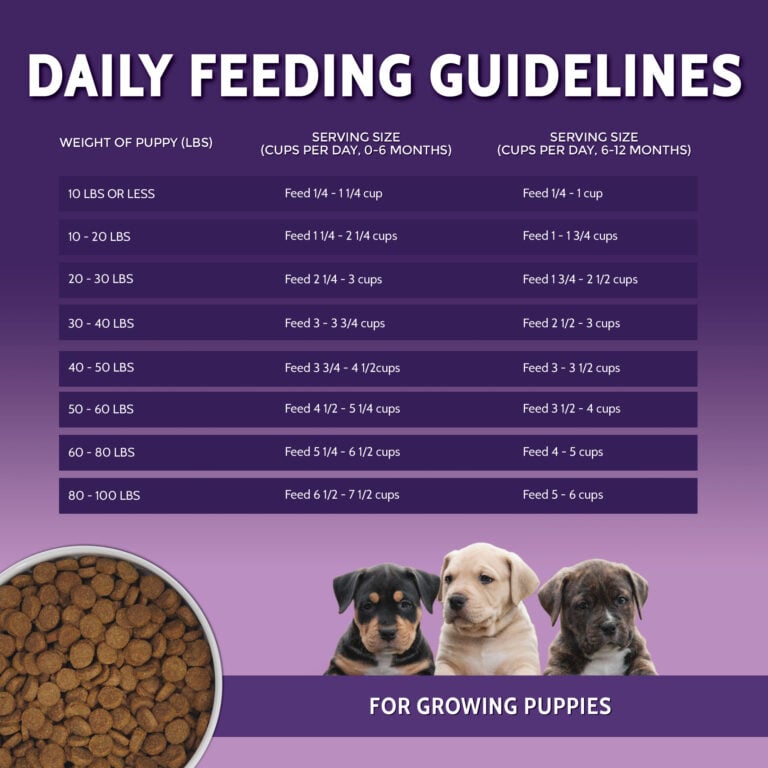
Portion size depends on your puppy’s weight, breed, and activity. Follow package guidelines.
- Divide daily food into equal meals
- Watch your puppy’s hunger and fullness signals
- Adjust portions if weight changes
Monitoring Health And Weight
Track your puppy’s weight weekly. Healthy weight shows good feeding and growth.
Look for signs of problems like poor coat, low energy, or upset stomach. Ask your vet if unsure.
- Use a scale or vet visits to check weight
- Note changes in appetite or behavior
- Switch food or adjust feeding if needed
Credit: www.chewy.com
Frequently Asked Questions
Can A 6 Month Old Puppy Eat Adult Dog Food?
Yes, a 6 month old puppy can start eating adult dog food. However, transition gradually to avoid digestive issues. Puppies need nutrient-rich food for growth, so consult your vet before switching.
When Should I Switch My Puppy To Adult Dog Food?
Most puppies can switch to adult dog food between 6 to 12 months. The exact time varies by breed and size. Always check with your vet for the best timing.
What Are The Risks Of Feeding Adult Food Too Early?
Feeding adult dog food too early may cause nutrient deficiencies. Puppies need higher protein, fat, and calories for growth. Early switching can stunt development and affect overall health.
How To Transition A Puppy From Puppy To Adult Food?
Mix increasing amounts of adult food with puppy food over 7-10 days. This gradual change helps prevent stomach upset and allows your puppy to adjust smoothly.
Conclusion
A 6-month-old puppy needs food made for growing dogs. Adult dog food lacks some important nutrients puppies require. Feeding adult food too soon can affect their health and growth. Always check with your vet before changing diets. Puppies grow fast and need the right nutrition now.
Choosing the correct food helps them stay strong and active. Keep your puppy’s diet balanced and healthy for a happy life. This care sets a good foundation for their future.

Emily Barker is the founder of ChillDogLife.com, a space dedicated to helping pup parents discover the best dog products, lifestyle tips, and cozy ideas for happier homes.
A lifelong dog lover, Emily combines her passion for pets with a knack for research to share trusted recommendations on everything from toys and furniture to health and everyday care.
Her goal is simple: to make life easier, stylish, and more joyful for dogs and the people who love them.




