Are you wondering when the right time is to switch your furry friend to adult dog food? Choosing the perfect moment can feel confusing, but it’s important for your dog’s health and happiness.
Feeding your pup the right food at the right age helps keep their energy up and supports their growth. Keep reading to discover exactly when and why you should make this change, so your dog stays strong and healthy for years to come.
When To Switch To Adult Dog Food
Feeding your dog the right food at the right time is important for their health. Knowing when to switch from puppy food to adult dog food helps support their growth and energy needs.
Switching too early or too late can cause nutrition problems. Watch your dog’s growth and behavior to find the best time to change their diet.
Puppy Growth Stages
Puppies grow quickly in the first months. Their food must give them extra nutrients to build strong bones and muscles. As they grow, their needs change.
Most puppies eat puppy food until they stop growing fast. This usually happens between 9 and 12 months old.
- Birth to 3 months: Rapid growth, need high calories
- 3 to 6 months: Growth slows but still needs extra nutrition
- 6 to 12 months: Growth slows more, start preparing for adult food
Breed Size And Maturity
Different dog breeds grow at different rates. Small breeds mature faster than large breeds. This affects when they should switch to adult food.
Small breeds may switch as early as 9 months. Large breeds may need puppy food until 12 to 18 months old to support slow growth.
- Small breeds: Mature by 9-12 months
- Medium breeds: Mature by 12 months
- Large breeds: Mature by 12-18 months
- Giant breeds: Mature by 18-24 months
Signs Your Dog Is Ready
Watch your dog’s body and behavior to know when to switch food. Signs show if they are ready for adult dog food.
Look for changes in energy, weight, and teeth. These can help you decide the best time to change their diet.
- Steady weight and size growth
- Adult teeth fully grown
- Less need for extra calories
- Lower energy compared to puppy stage
Nutritional Needs Of Adult Dogs
Knowing when to switch your dog to adult food is important. Adult dogs have different nutritional needs than puppies.
Adult dog food supports health, energy, and body maintenance. Feeding the right food helps dogs stay active and strong.
Essential Nutrients
Adult dogs need a balance of proteins, fats, and carbohydrates. These nutrients support their muscles, organs, and energy.
Vitamins and minerals keep the immune system strong. Fiber helps with digestion and keeps the gut healthy.
- Protein for muscle repair and energy
- Fat for energy and skin health
- Carbohydrates for fuel
- Vitamins and minerals for body functions
- Fiber for digestive health
Calorie Requirements
Adult dogs need fewer calories than puppies. Their growth slows down, so energy needs drop.
Calories depend on size, activity, and age. Overfeeding can cause weight gain and health problems.
- Small dogs need fewer calories than large dogs
- Active dogs burn more calories than calm dogs
- Older dogs may need fewer calories
Differences From Puppy Food
Puppy food has more calories and nutrients for fast growth. Adult food is less rich but still complete.
Adult dog food has less calcium and fat. This prevents health issues linked to too much growth support.
| Feature | Puppy Food | Adult Dog Food |
|---|---|---|
| Calories | Higher for growth | Moderate for maintenance |
| Protein | Higher for muscle building | Balanced for upkeep |
| Fat | More for energy | Less to prevent weight gain |
| Calcium | Higher for bone growth | Lower to avoid excess |
Choosing The Right Adult Dog Food
Feeding your dog the right food is important as they grow older. Adult dog food gives the right nutrients for their health and energy.
Choosing good adult dog food depends on knowing the types, ingredients, and what to avoid. This guide helps you make the best choice.
Types Of Adult Dog Food
There are many kinds of adult dog food to choose from. Each type fits different dog needs and owner preferences.
- Dry food:Easy to store and helps clean teeth.
- Wet food:More water content and often tastier.
- Raw food:Includes uncooked meat and vegetables.
- Homemade food:Prepared at home with fresh ingredients.
Ingredients To Look For
Good ingredients give your dog energy and keep them healthy. Check the food label for quality components.
| Ingredient | Benefit |
| Protein (chicken, beef, fish) | Builds strong muscles |
| Carbohydrates (rice, oats) | Provides energy |
| Fats (fish oil, flaxseed) | Supports skin and coat health |
| Vitamins and minerals | Boosts immunity and bones |
| Fiber (vegetables) | Aids digestion |
Avoiding Harmful Additives
Some additives can harm your dog’s health. Watch for these ingredients on the label.
- Artificial colors and flavors
- Preservatives like BHA and BHT
- Excess salt or sugar
- Fillers like corn gluten or wheat
Credit: www.walmart.ca
Transitioning To Adult Dog Food
Switching your dog to adult food is an important step. It supports their health as they grow older.
Making the change slowly helps your dog adjust to the new diet without stomach problems.
Gradual Food Changes
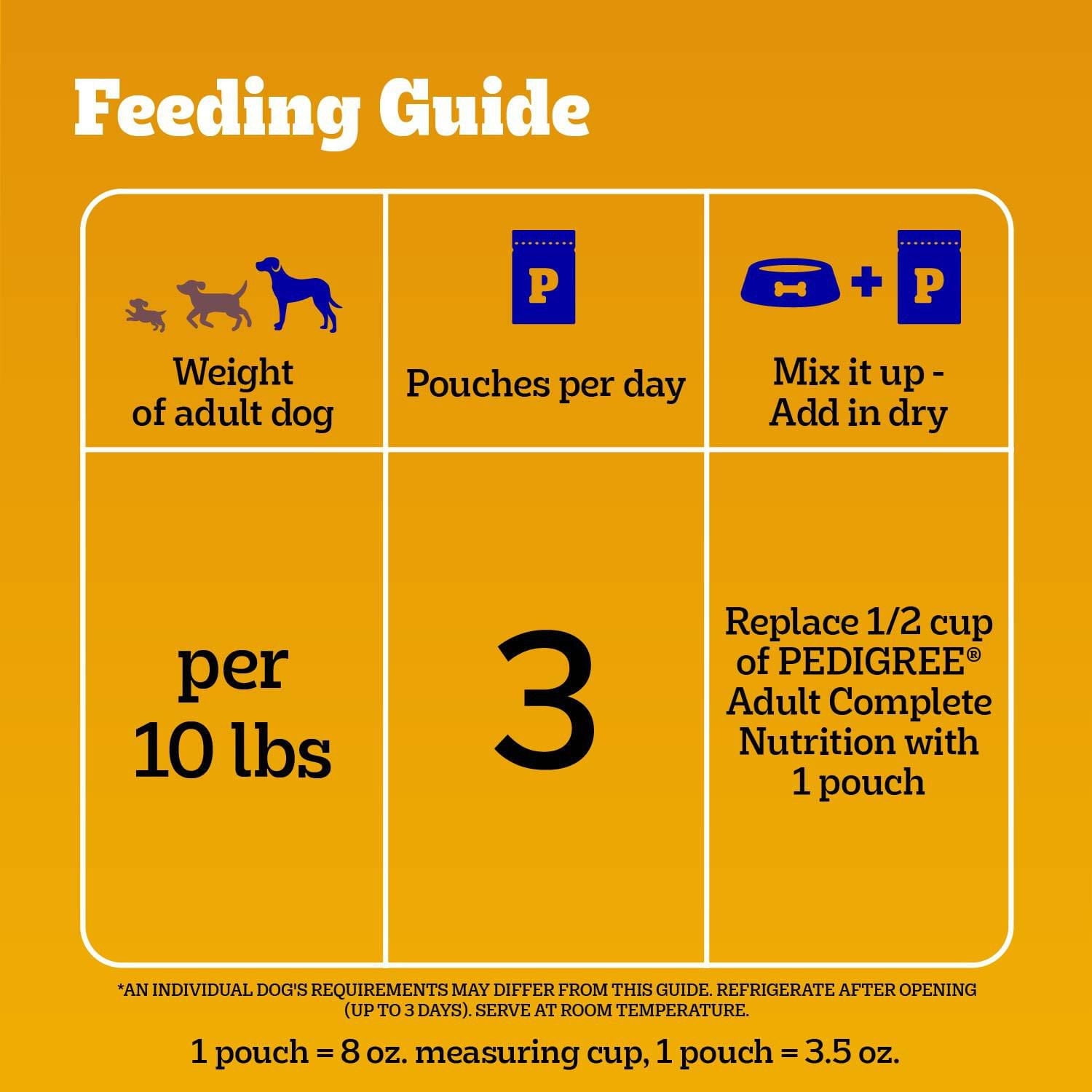
Start mixing small amounts of adult food with your puppy’s current food. Increase the adult food over several days.
- Day 1-2: 25% adult food, 75% puppy food
- Day 3-4: 50% adult food, 50% puppy food
- Day 5-6: 75% adult food, 25% puppy food
- Day 7: 100% adult food
Monitoring Your Dog’s Reaction
Watch your dog closely during the transition. Look for signs like vomiting, diarrhea, or loss of appetite.
| Reaction | What to Do |
| Vomiting | Pause transition, consult vet if it continues |
| Diarrhea | Slow down food changes, offer bland meals |
| Loss of Appetite | Try mixing in favorite treats or wet food |
| Normal Behavior | Continue gradual transition |
Adjusting Portions
Adult dogs need different food amounts than puppies. Adjust portions based on weight and activity.
Use this quick guide to adjust feeding amounts:
- Check your dog’s ideal weight.
- Feed 2-3% of body weight daily in food.
- Split food into two meals per day.
- Watch for weight gain or loss and adjust portions.
Special Considerations
Deciding when to start feeding adult dog food depends on many factors. Each dog is unique and may need different care.
It is important to think about your dog’s health, activity, and age before changing their diet.
Health Conditions
Some health problems affect when a dog should switch to adult food. Dogs with certain illnesses may need special diets.
If your dog has allergies, kidney issues, or digestive problems, talk to your vet. They can recommend the best food type and timing.
Activity Levels
Active dogs burn more energy and may need more calories. Less active dogs may need fewer calories to avoid weight gain.
Feed adult food based on how much exercise your dog gets daily. Adjust portions to keep them healthy and fit.
- High activity dogs may need high-protein adult food
- Low activity dogs may need food with fewer calories
- Watch your dog’s weight and adjust food amounts
Senior Dogs Vs. Adult Dogs
Senior dogs often need different nutrients than adult dogs. Their food may have less fat and more fiber to support aging bodies.
Start feeding senior dog food when your pet reaches about seven years old, or as your vet advises. Adult food is usually best before then.
- Adult dog food suits dogs aged 1 to 7 years
- Senior dog food is for dogs older than 7 years
- Senior food helps with joint health and digestion

Credit: www.youtube.com
Common Mistakes To Avoid
Feeding your dog the right food is essential. Mistakes can harm their health. Avoid common errors when switching to adult dog food.
Knowing when and how to switch food types is crucial. Each dog is unique and has different needs.
Switching Too Early Or Late
Puppies need more nutrients than adult dogs. Switching too early can cause deficiencies. Waiting too long might lead to excess weight.
Consult your vet for the best time to switch. Generally, dogs transition around one year old.
Ignoring Individual Needs
Every dog is different. Age, breed, and activity level affect their dietary needs. Ignoring these can lead to health issues.
Tailor food choices to suit your dog’s lifestyle. Monitor their health and adjust as needed.
Overfeeding And Weight Gain
Adult dogs usually need fewer calories than puppies. Overfeeding can lead to obesity and health problems.
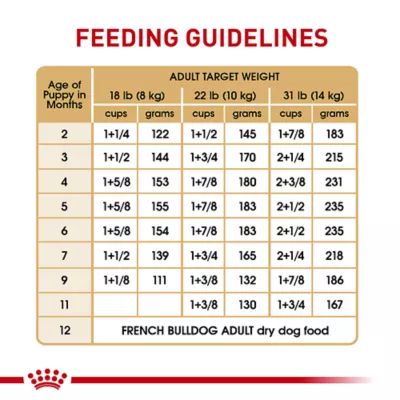
Follow feeding guidelines on packaging. Adjust amounts based on your dog’s size and activity level.
- Measure food portions accurately
- Provide regular exercise
- Consult your vet for advice
Credit: www.petsmart.ca
Frequently Asked Questions
When Should I Switch My Puppy To Adult Dog Food?
Most dogs switch to adult food between 12 to 18 months old. Medium and large breeds often transition closer to 18 months, while small breeds may switch earlier. Consult your vet for the best timing based on your dog’s breed and growth rate.
What Are Signs My Dog Is Ready For Adult Food?
Signs include slowed growth, less playful behavior, and increased appetite. Your dog may also have a more mature coat and stable weight. These indicators suggest it’s time to transition to adult dog food for balanced nutrition.
Can Switching Too Early Harm My Puppy?
Yes, switching too early can cause nutritional imbalances. Puppies need higher protein and fat for growth. Early transition may lead to deficiencies and health issues. Always follow vet guidance to ensure proper timing for your puppy’s diet.
How To Transition Safely To Adult Dog Food?
Mix increasing amounts of adult food with puppy food over 7-10 days. Gradual change helps avoid digestive upset and allows your dog to adjust. Monitor your dog’s response and consult your vet if any issues arise.
Conclusion
Choosing the right time to switch your dog to adult food matters a lot. Most dogs start this change around one year old. Larger breeds may need to wait a bit longer. This helps them grow strong and stay healthy.
Watch your dog’s size and energy to guide you. Feeding the right food supports their health and happiness. Keep your dog’s needs in mind for a smooth transition. Your dog will thank you with a wagging tail. Simple steps can make a big difference in their life.

Emily Barker is the founder of ChillDogLife.com, a space dedicated to helping pup parents discover the best dog products, lifestyle tips, and cozy ideas for happier homes.
A lifelong dog lover, Emily combines her passion for pets with a knack for research to share trusted recommendations on everything from toys and furniture to health and everyday care.
Her goal is simple: to make life easier, stylish, and more joyful for dogs and the people who love them.




