Are you wondering when to switch your furry friend to adult dog food? Choosing the right time is key to keeping your dog healthy and happy.
Feeding your pet the wrong food at the wrong age can lead to nutrition problems or upset tummy. You’ll discover the best age to make the change and how to spot signs your dog is ready. Keep reading to learn how to give your dog the nutrition they truly need at every stage of life.
Credit: www.purina.com
When To Switch To Adult Dog Food
Choosing the right time to switch your puppy to adult dog food is important. This change helps your dog grow strong and stay healthy.
Puppies have different nutritional needs than adult dogs. Knowing when to make the switch supports their development.
Signs Your Puppy Is Ready
Watch for signs that show your puppy is ready for adult dog food. These signs help you know the right moment to switch.
Many puppies start to slow down their rapid growth. Their body shape becomes more adult-like, and their energy levels even out.
- Your puppy is about 80% of its expected adult size
- They lose some puppy teeth and get adult teeth
- Growth rate slows down noticeably
- They show less hyperactivity than before
Breed And Size Considerations
Different breeds and sizes of dogs need adult food at different ages. Small breeds mature faster than large breeds.
Large or giant breeds take longer to grow. They often need puppy food for a longer time to support their bones and joints.
- Small breeds: switch at about 9 to 12 months old
- Medium breeds: switch around 12 months old
- Large breeds: switch at 12 to 18 months old
- Giant breeds: may need puppy food up to 18-24 months
Veterinarian Recommendations
Your vet can guide you on the best time to switch your puppy to adult food. They consider your dog’s health and growth.
Regular check-ups help track your puppy’s weight and development. Your vet may suggest a gradual change to avoid stomach upset.
- Ask your vet about your dog’s growth milestones
- Follow their advice on switching food types
- Change food gradually over 7-10 days
- Monitor your dog’s digestion and energy during the switch
Credit: dogsauce.co
Nutritional Differences Between Puppy And Adult Food
Puppies and adult dogs have different nutritional needs. Their food must match their age for healthy growth and maintenance.
Puppy food supports fast growth, while adult food focuses on keeping dogs healthy. Knowing these differences helps you feed your dog right.
Calorie And Protein Needs
Puppies need more calories than adult dogs. They use this energy for growth and play.
Protein is also higher in puppy food. It helps build strong muscles and tissues as they grow.
- Puppy food has more calories per cup
- Adult food has fewer calories to prevent weight gain
- Puppies need higher protein percentages
- Adult dogs require moderate protein for maintenance
Essential Vitamins And Minerals
Puppy food includes extra vitamins and minerals. These nutrients support bone growth and immune health.
Adult dog food keeps vitamin and mineral levels balanced. This helps avoid health problems as dogs age.
- Calcium and phosphorus are higher in puppy food
- Vitamin D supports bone development in puppies
- Adult food has controlled mineral levels for long-term health
- Both foods include antioxidants for immune support
Avoiding Overfeeding
Adult dogs need fewer calories than puppies. Overfeeding can cause weight problems and health issues.
Follow feeding guidelines on the dog food package. Adjust portions based on your dog’s activity and weight.
- Measure food carefully each meal
- Feed adult food after puppy stage ends
- Watch your dog’s weight regularly
- Consult a vet if unsure about portions
Steps For A Smooth Food Transition
Changing your dog’s food to adult dog food needs care. A slow change helps your dog adjust well.
This guide shows easy steps to help your dog switch foods without upset stomachs or fuss.
Gradual Mixing Techniques
Start by mixing a small amount of adult food with your dog’s current food. Increase the adult food each day.
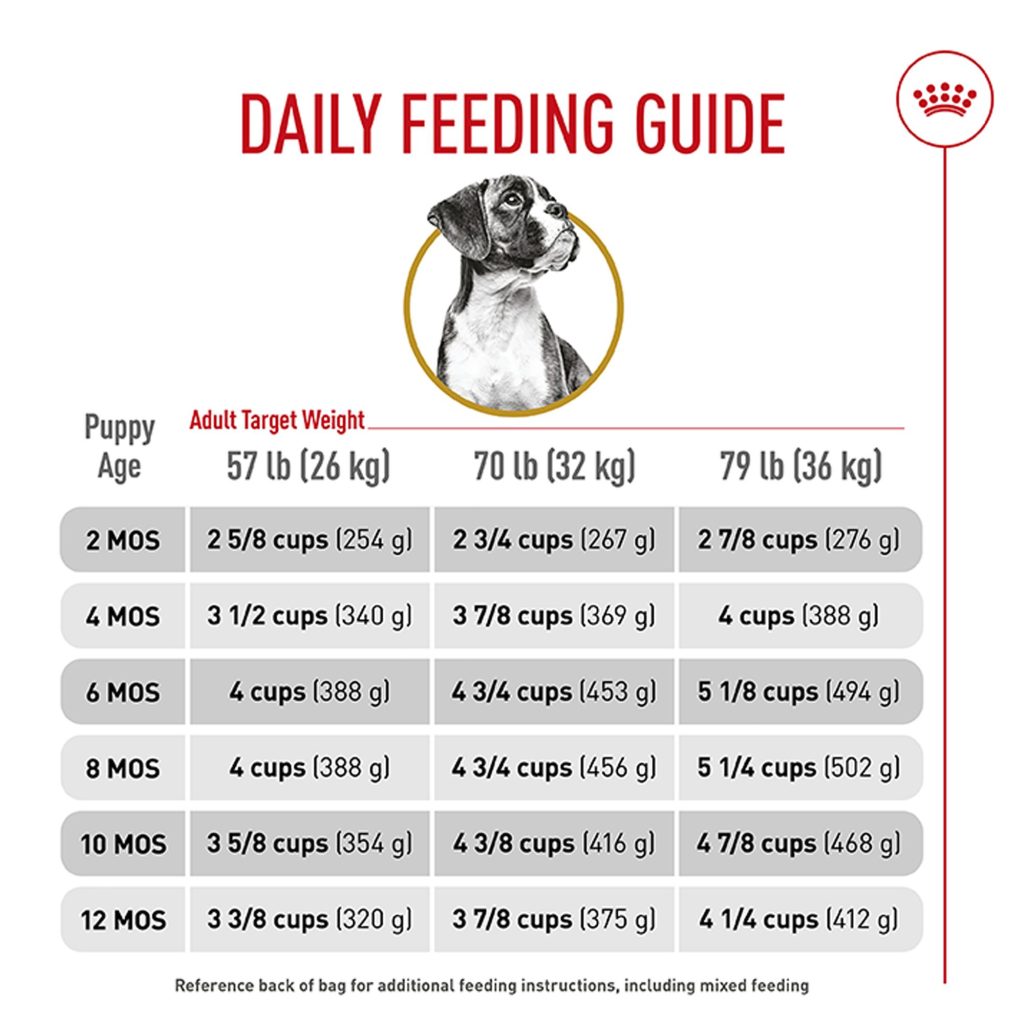
- Day 1-2: Mix 25% adult food with 75% old food.
- Day 3-4: Mix 50% adult food with 50% old food.
- Day 5-6: Mix 75% adult food with 25% old food.
- Day 7: Give 100% adult food.
Monitoring Digestive Health
Watch your dog’s digestion during the food change. Look for signs like soft stool or vomiting.
| Sign | What to Do |
|---|---|
| Loose stool | Slow down the transition, keep the mix for a few more days. |
| Vomiting | Pause the change and consult a vet if needed. |
| Normal stool | Continue with the planned food increase. |
Adjusting Portions Over Time
Adult dogs may need different food amounts than puppies. Adjust portions based on activity and weight.
Use this simple formula to adjust feeding size:
- Start with the recommended portion on the food package.
- Reduce or increase by 10% if your dog gains or loses weight.
- Check your dog’s body condition weekly.
- Ask your vet for help if unsure.
Common Mistakes To Avoid
Feeding your dog the right food at the right time is very important. Many dog owners make mistakes about when to switch to adult dog food. These errors can affect your dog’s health and growth.
Learn about common mistakes so you can keep your dog healthy and happy. Avoid these errors to give your pet the best care possible.
Switching Too Early Or Too Late
Changing your dog’s food too early or too late can cause problems. Puppies need special nutrients to grow. Adult food might not have enough of these. On the other hand, staying on puppy food too long can lead to weight gain.
- Switch at the right age, usually around one year
- Watch your dog’s growth and energy levels
- Ask your vet if you are unsure about timing
Ignoring Breed-specific Needs
Different breeds have different needs. Large dogs need food that supports joints. Small dogs need smaller pieces and fewer calories. Ignoring these needs can lead to health issues.
| Breed Size | Food Needs |
| Small Breeds | Smaller kibble, more calories per pound |
| Medium Breeds | Balanced nutrition for energy and weight |
| Large Breeds | Support for joints, lower calorie density |
Neglecting Regular Vet Checkups
Skipping vet visits can lead to missed signs of problems. Your vet can tell if your dog’s food is right. They can suggest changes based on health and age.
Here are key reasons to keep regular vet visits:
- Check your dog’s weight and growth
- Detect allergies or food sensitivities
- Update vaccinations and health screenings
- Get advice on diet changes
Special Considerations For Senior Dogs
Senior dogs have different needs than younger adults. Their bodies change as they age. This means their food should change too.
Choosing the right food helps keep older dogs healthy and happy. It supports their joints, digestion, and energy levels.
When To Move To Senior Food
Most dogs move to senior food between 7 and 10 years old. The exact time depends on the breed and size. Larger breeds often age faster.
Look for signs your dog is aging. These include less energy, weight changes, or joint stiffness. These signs show it may be time to change food.
Nutritional Needs For Aging Dogs
Older dogs need fewer calories but more nutrients. Their metabolism slows down. They also need food that helps keep their joints and organs healthy.
- Higher protein to keep muscles strong
- More fiber to aid digestion
- Added antioxidants to support the immune system
- Joint supplements like glucosamine and chondroitin
- Lower fat to prevent weight gain
Maintaining Healthy Weight
Weight control is key for senior dogs. Too much weight strains joints and organs. Too little weight means loss of muscle and energy.
| Weight Status | Health Risks | Feeding Tips |
|---|---|---|
| Overweight | Joint pain, heart disease | Feed low-fat food, measure portions |
| Underweight | Weakness, poor immune health | Feed higher-calorie food, increase protein |
| Ideal Weight | Good energy, strong muscles | Maintain balanced diet, regular exercise |

Credit: www.gosupps.com
Frequently Asked Questions
When Should I Switch My Dog To Adult Food?
Switch to adult dog food when your dog reaches 12 months old. Large breeds may need adult food later, around 18-24 months. This timing supports proper growth and nutrition for your dog’s size and breed.
Why Is Age Important For Choosing Dog Food?
Age affects your dog’s nutritional needs. Puppies require more calories and nutrients for growth. Adult dogs need balanced nutrition for maintenance. Feeding age-appropriate food helps maintain health and energy at every life stage.
Can I Feed Puppy Food To An Adult Dog?
Feeding puppy food to adult dogs is not ideal. Puppy food is richer in calories and nutrients. This can cause weight gain and health issues in adults. Always transition to adult dog food at the right age.
What Happens If I Delay Switching To Adult Dog Food?
Delaying the switch can lead to nutritional imbalances. Your dog may get excess calories or insufficient nutrients. This affects weight, energy, and overall health. Timely switching ensures your dog gets the right diet for adulthood.
Conclusion
Adult dog food suits dogs around one year old and older. Puppies need special nutrition to grow strong and healthy. Switching to adult food too soon can cause problems. Wait until your dog reaches the right age and size. Watch your dog’s energy and weight to decide the best time.
A balanced diet helps dogs live a happy, healthy life. Choose food made for adult dogs to support their needs. Always check with your vet for advice on feeding your dog. Good nutrition means a better life for your furry friend.

Emily Barker is the founder of ChillDogLife.com, a space dedicated to helping pup parents discover the best dog products, lifestyle tips, and cozy ideas for happier homes.
A lifelong dog lover, Emily combines her passion for pets with a knack for research to share trusted recommendations on everything from toys and furniture to health and everyday care.
Her goal is simple: to make life easier, stylish, and more joyful for dogs and the people who love them.




