You want the best for your dog, especially when it comes to their diet. But how do you know when it’s time to switch from puppy food to adult dog food?
Making the change too early or too late can affect your dog’s health and energy. You’ll discover the signs to watch for and the right timing to make this important switch. Keep reading to ensure your furry friend gets the nutrition they need to thrive at every stage of life.
Signs Your Puppy Is Ready
Knowing when to switch your puppy to adult food is important for their health. Puppies need special nutrition as they grow up.
This guide helps you spot the signs that show your puppy is ready to eat adult food.
Age Benchmarks For Switching
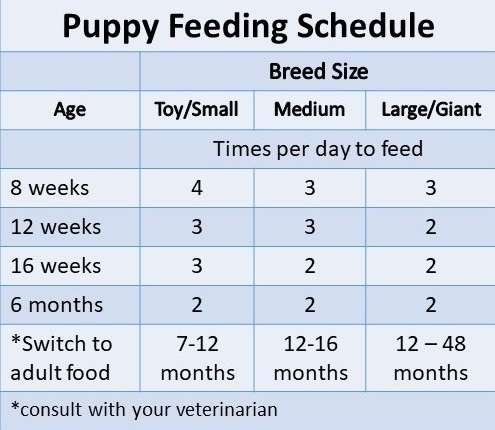
Puppies usually start eating adult food between six to twelve months old. The exact time depends on the breed and size.
Small breeds may switch around six months, while large breeds might need more time, up to a year.
- Small breeds: 6 to 9 months
- Medium breeds: 9 to 12 months
- Large breeds: 12 months or older
Behavioral Changes To Watch
Behavior changes can show your puppy is ready for adult food. Watch how they eat and act.
If your puppy seems less energetic or finishes meals quickly, it might be time to switch their food.
- Less hyperactivity after meals
- Steady appetite with no fuss
- Chewing on adult toys more often
Physical Growth Indicators
Physical signs help know if your puppy is ready. Check their size and teeth development.
When your puppy reaches most of their adult height and has a full set of adult teeth, switching food is safe.
- Reached about 75% of adult size
- Adult teeth fully grown in
- Steady weight gain without spikes
Credit: www.vetsupply.com.au
Choosing The Right Adult Food
Feeding your dog the right adult food is important for their health. Adult dogs have different needs than puppies. Choosing food that fits these needs helps your dog stay strong and active.
Knowing when to switch and what to choose can be confusing. This guide explains key points about adult dog food.
Nutritional Needs Of Adult Dogs
Adult dogs need balanced nutrients to keep their body working well. They require the right amount of protein, fat, vitamins, and minerals. Too much or too little of any can cause problems.
Protein helps maintain muscles, fats give energy, and vitamins support the immune system. Fiber aids digestion and keeps the gut healthy.
Types Of Adult Dog Food
There are many kinds of adult dog food. You can choose dry kibble, wet canned food, or raw diets. Each type has its pros and cons.
- Dry food:Easy to store and helps clean teeth.
- Wet food:More moisture, good for picky eaters.
- Raw food:Closer to natural diet but needs careful handling.
Reading Food Labels
Food labels show important information about what is in the food. Look for quality ingredients and clear nutrient amounts.
| Label Item | What to Look For |
| Protein Source | Named meats like chicken, beef, or fish |
| Fat Content | Moderate levels, usually 8-15% for adult dogs |
| Fiber | At least 2-5% for digestion |
| Vitamins and Minerals | Included to support health |
| Artificial Additives | Avoid if possible |
Transitioning Smoothly
Switching your dog to adult food is an important step. It supports their health as they grow.
Making the change slowly helps your dog adjust well to the new food.
Gradual Food Introduction
Start by mixing a small amount of adult food with your dog’s current food. Increase the adult food amount daily.
This slow change helps avoid upset stomachs and picky eating.
- Day 1-2: 25% adult food, 75% puppy food
- Day 3-5: 50% adult food, 50% puppy food
- Day 6-7: 75% adult food, 25% puppy food
- Day 8 and after: 100% adult food
Managing Digestive Adjustments
Your dog’s digestive system needs time to adjust to adult food. Watch for signs like loose stools or gas.
If problems appear, slow the transition or try smaller food changes each day.
- Introduce food in small amounts
- Keep feeding times consistent
- Provide plenty of fresh water
- Consult a vet if issues persist
Monitoring Your Dog’s Response
Watch your dog’s behavior and health during the switch. Good signs include steady energy and normal stools.
Note any changes in appetite, mood, or digestion. Adjust the food plan based on what you see.
- Check for regular eating habits
- Observe stool consistency and frequency
- Look for signs of allergies or discomfort
- Keep a food diary to track changes
Special Considerations
Switching your dog to adult food is an important decision. It depends on many factors beyond age. Some dogs need special care when changing diets.
Consider your dog’s breed, size, and health before making the switch. Talk to your vet for the best advice.
Breed And Size Differences
Different breeds and sizes grow at different rates. Large breeds take longer to mature. Small breeds mature faster. This affects when they should eat adult food.
- Small breeds: switch around 9-12 months old
- Medium breeds: switch around 12 months old
- Large breeds: switch around 12-18 months old
- Giant breeds: may need puppy food up to 18-24 months
Health Conditions And Diet
Some dogs have special health needs. These conditions affect their diet and when to switch food.
| Health Condition | Dietary Consideration | Switch Timing |
| Obesity | Low-calorie adult food | After vet approval |
| Allergies | Hypoallergenic food | Based on vet’s plan |
| Kidney Issues | Special renal diet | Never switch without vet advice |
| Digestive Problems | Easily digestible formulas | Consult vet before switching |
Consulting Your Veterinarian
Your veterinarian knows your dog’s health best. They can help decide the right time to switch to adult food.
- Discuss your dog’s breed and size
- Review any health problems
- Ask about the best food types
- Follow the vet’s switching schedule
Maintaining Healthy Growth
Switching your dog to adult food is important for their growth. It helps keep them healthy and strong.
Knowing the right time and how to feed adult food supports good development and energy.
Balanced Diet Tips
Adult dog food has the right nutrients for mature dogs. It includes proteins, fats, and vitamins.
Make sure the food matches your dog’s size and breed. This helps keep their weight healthy.
- Choose food with real meat as the first ingredient
- Look for balanced vitamins and minerals
- Avoid foods with too many fillers or artificial additives
Regular Feeding Schedule
Feed your dog at the same times each day. This creates a good routine and helps digestion.
Adult dogs usually eat twice a day. Puppies need more frequent meals until they switch.
- Feed puppies 3-4 times daily before switching
- Start adult food feeding at about one year old for most dogs
- Keep water fresh and available at all times
Exercise And Nutrition
Exercise keeps your dog fit and helps use the energy from food well. It supports strong muscles.
Match exercise with your dog’s age and size. Too much or too little can affect their health.
- Take daily walks or play games suited for your dog
- Adjust food portions based on activity level
- Check with your vet about special needs or diet changes

Credit: www.youtube.com

Credit: petheavenblogs.com
Frequently Asked Questions
When Is The Right Age To Switch Dogs To Adult Food?
Most dogs should switch to adult food around 12 months old. Small breeds may switch earlier at 9 months, while large breeds might wait up to 18 months. Consult your vet for personalized advice based on your dog’s breed and growth rate.
Why Switch Dogs From Puppy To Adult Food?
Adult dog food has balanced nutrients to maintain health and energy. Puppy food is richer in calories and protein to support growth. Switching prevents overnutrition and supports proper metabolism as your dog matures.
How To Transition Dogs To Adult Food Safely?
Transition gradually over 7-10 days by mixing increasing amounts of adult food with puppy food. This prevents digestive upset and helps your dog adjust to the new formula comfortably.
What Signs Indicate Dogs Need Adult Food?
Signs include slowed growth, reduced energy needs, and reaching maturity. If your dog seems less active or gains excess weight, it may be time to switch to adult food for proper nutrition.
Conclusion
Switching your dog to adult food depends on their age and breed size. Most dogs change diets around one year old, but large breeds may need more time. Watch for signs like slower growth or less energy. Choosing the right food helps keep your dog healthy and strong.
Always consult your vet for advice tailored to your dog. Feeding the right food at the right time supports a happy, active life. Simple steps make a big difference in your dog’s health and happiness.

Emily Barker is the founder of ChillDogLife.com, a space dedicated to helping pup parents discover the best dog products, lifestyle tips, and cozy ideas for happier homes.
A lifelong dog lover, Emily combines her passion for pets with a knack for research to share trusted recommendations on everything from toys and furniture to health and everyday care.
Her goal is simple: to make life easier, stylish, and more joyful for dogs and the people who love them.




