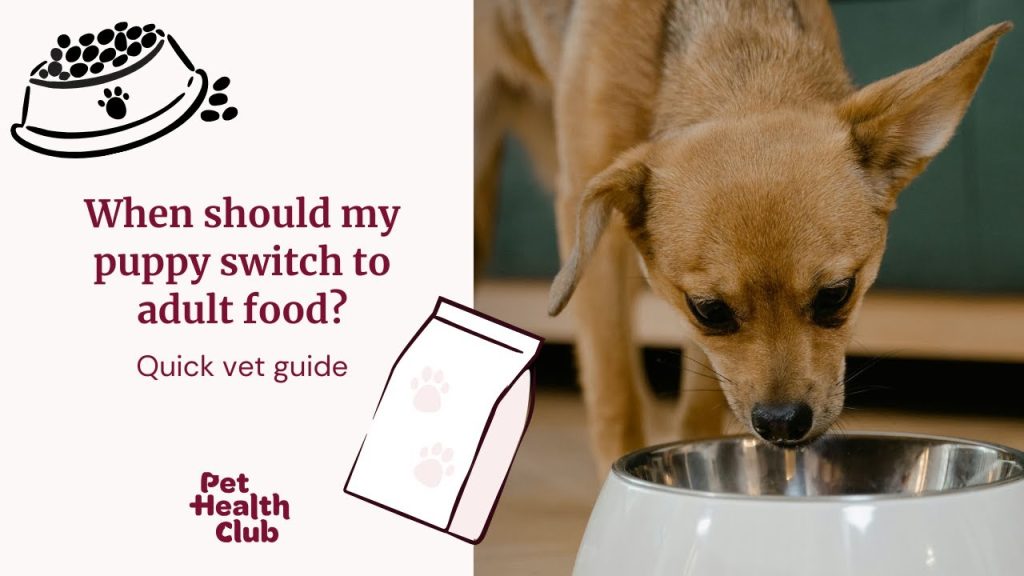
You want the best for your dog, and that includes feeding them the right food at the right time. But how do you know when to switch your dog to adult food?
Feeding your pup the wrong diet can affect their growth, energy, and health. If you’re wondering whether it’s time for this important change, you’re in the right place. Keep reading to discover the signs to watch for and the best way to make the switch smoothly.
Your dog’s health depends on it!
Puppy Growth Stages
Puppies grow fast during their first year. Their food needs change as they grow. Feeding them the right food helps them stay healthy.
Knowing when to switch from puppy food to adult food is important. This depends on their growth stage and nutritional needs.
From Newborn To Adolescent
Newborn puppies depend on their mother’s milk for nutrition. After a few weeks, they start eating soft puppy food. As they grow, they need more solid food.
By the time puppies reach adolescence, their growth slows down. This is the right time to think about switching to adult dog food.
Nutritional Needs At Each Stage
Each growth stage has specific nutritional needs. Newborns need milk rich in antibodies. Young puppies require food with high protein and fat for growth.
Adolescent dogs need balanced food with fewer calories. This helps maintain a healthy weight and supports their slower growth.
- Newborn:Milk with antibodies and nutrients
- Young Puppy:High protein and fat for energy
- Adolescent:Balanced nutrients, fewer calories

Credit: www.youtube.com
Signs Your Dog Is Ready
Switching your dog to adult food is important for their health. Knowing when to make the change helps your dog grow strong.
Look for signs in your dog’s body and behavior. These signs show they are ready to eat adult food.
Physical Development Indicators
Your dog’s body changes as they grow. These changes tell you when to switch their food.
Check if your dog has reached most of their adult size. Their teeth should be fully grown and strong.
- Full set of adult teeth, usually by 6 months
- Steady body weight with less rapid growth
- Muscle development and firmer body shape
- Less puppy-like soft fur, more adult coat
Behavioral Changes To Watch
Behavior can also show if your dog is ready for adult food. Watch for changes in activity and eating habits.
Your dog may become less hyperactive and more calm. Their appetite might change as they grow.
- Less chewing on everything around
- More regular eating schedule
- Lower energy bursts compared to puppy stage
- Increased focus and calmer behavior
Age Guidelines By Breed Size
Switching your dog to adult food depends on its breed size. Each size group grows at a different rate. Feeding the right food at the right time helps your dog stay healthy.
Knowing when to change food can prevent health issues. This guide shows age guidelines for small, medium, and large breeds.
Small Breeds
Small breeds grow fast and reach adult size sooner. Switching too late can cause weight gain. Changing food between 9 and 12 months works well.
- Examples: Chihuahua, Pomeranian, Dachshund
- Switch age: 9 to 12 months
- Reason: Early maturity and high energy needs
Medium Breeds
Medium breeds grow steadily and reach full size later than small breeds. Changing food at 12 months fits their growth cycle well.
| Breed | Switch Age | Notes |
| Beagle | 12 months | Balanced growth pace |
| Cocker Spaniel | 12 months | Good time for diet change |
| Bulldog | 12 months | Watch weight closely |
Large And Giant Breeds
Large and giant breeds take longer to grow. Switching to adult food too soon can harm their bones. Wait between 12 and 24 months, based on breed size.
Example guideline for large breeds:
- Large breeds (50-100 lbs): switch at 12-18 months
- Giant breeds (over 100 lbs): switch at 18-24 months
- Consult your vet for breed-specific advice

Credit: petheavenblogs.com
Choosing The Right Adult Food
Switching your dog to adult food is an important step. Adult food supports your dog’s health as it grows.
Choosing the right food means understanding what nutrients your dog needs. Reading labels helps you pick the best option.
Essential Nutrients For Adults
Adult dogs need a balanced mix of nutrients. These include proteins, fats, vitamins, and minerals.
- Proteins:Help build and repair muscles.
- Fats:Provide energy and support skin health.
- Carbohydrates:Offer energy and fiber for digestion.
- Vitamins:Support immune and body functions.
- Minerals:Keep bones strong and help nerve function.
Reading Dog Food Labels
Labels show what is in the food. Look for clear ingredient lists and nutrient amounts.
| Label Section | What to Look For | Why It Matters |
|---|---|---|
| Ingredients | Named meats and whole foods first | Shows quality of food |
| Guaranteed Analysis | Protein, fat, fiber, moisture percentages | Ensures balanced nutrition |
| Feeding Guidelines | Recommended daily amounts by weight | Helps prevent over or underfeeding |
| Adequacy Statement | Meets AAFCO standards for adult maintenance | Confirms food suits adult dogs |
Transitioning Tips
Switching your dog to adult food is an important step. Knowing the right time and method can ensure a smooth transition.
Understanding the signs that your dog is ready for adult food is crucial. It helps in providing the right nutrition for their growth.
Gradual Food Switching Process
Introduce the new food gradually to avoid stomach upset. Mixing the old and new food can help your dog adjust.
- Start with 25% new food mixed with 75% old food.
- After a few days, increase to 50% new food and 50% old food.
- Then move to 75% new food and 25% old food.
- Finally, transition to 100% new adult food.
Monitoring Your Dog’s Response
Observe your dog’s reaction to the new diet. Look for signs of allergies or digestive issues.
| Observation | Action |
| Loose stool | Slow down the transition |
| Itching or scratching | Consult your vet |
| Increased energy | Continue with the diet |
Keeping an eye on your dog’s health during this time is key. Adjust the diet as needed based on their response.
Common Mistakes To Avoid
Switching your dog to adult food is important for their health. Doing it at the wrong time can cause problems. Some owners make simple mistakes that affect their dog’s growth and energy.
Learn which mistakes to avoid when changing your dog’s diet. This will help your dog stay strong and healthy.
Switching Too Early Or Late
Changing to adult food too early can stop your puppy from getting enough nutrients. Puppies need special food to grow well. Switching too late may cause your dog to gain weight or miss important nutrition.
It is best to switch at the right age based on your dog’s breed and size. Large breeds may need more time on puppy food than small breeds.
- Switching before 9 months can stunt growth
- Switching after 12 months can cause weight gain
- Follow breed-specific feeding guidelines
Ignoring Individual Needs
Not all dogs grow the same way or have the same needs. Some dogs may need special diets due to health or activity levels. Ignoring these needs can lead to health issues.
Watch your dog’s body condition and energy. Talk to your vet to find the best time and type of adult food for your dog.
- Consider your dog’s size and breed
- Adjust food for active or less active dogs
- Check for allergies or sensitivities
Veterinarian Recommendations
Understanding when to switch your dog to adult food is crucial. Veterinarians offer guidance to ensure your pet’s health.
As dogs grow, their nutritional needs change. Consulting a vet helps tailor food choices to support these changes.
When To Consult A Vet
A vet can assess your dog’s growth and health. They provide advice on the right time to switch food.
- Check your dog’s age and breed
- Observe growth and weight changes
- Monitor activity levels and energy
Tailoring Food Choices
Different dogs have unique dietary needs. Tailoring food choices ensures they get the right nutrients.
| Breed | Recommended Age to Switch |
| Small Breeds | 9-12 months |
| Medium Breeds | 12-15 months |
| Large Breeds | 15-18 months |

Credit: www.reddit.com
Frequently Asked Questions
When Is The Best Age To Switch Dog To Adult Food?
Most dogs should switch to adult food between 12 to 18 months. Large breeds may need to wait longer, around 18 to 24 months. This timing supports healthy growth and proper nutrition as puppies mature into adults.
How To Know If My Dog Is Ready For Adult Food?
Look for signs like slowed growth, less energy bursts, and stable weight. Your vet can confirm readiness based on breed, size, and health. Switching too early or late can affect your dog’s health and development.
Can Switching Dog Food Too Early Cause Problems?
Yes, switching too early can cause nutrient deficiencies or digestive upset. Puppies need higher protein and calories for growth. Adult food lacks these, so premature switching may stunt development or cause health issues.
What Are The Benefits Of Adult Dog Food?
Adult dog food supports maintenance, energy balance, and healthy weight. It contains tailored nutrients for mature dogs, including fewer calories and balanced proteins. This helps prevent obesity and supports long-term health.
Conclusion
Switching your dog to adult food at the right time is important. Watch for signs like age and weight changes. Adult food supports health and energy needs better. Gradually changing food helps avoid stomach problems. Always choose good-quality dog food for the best results.
Your dog will stay happy and healthy with proper nutrition. Pay attention to your pet’s needs as they grow. A smooth transition makes feeding easier for both of you. Keep your dog’s diet balanced and suitable for their age.

Emily Barker is the founder of ChillDogLife.com, a space dedicated to helping pup parents discover the best dog products, lifestyle tips, and cozy ideas for happier homes.
A lifelong dog lover, Emily combines her passion for pets with a knack for research to share trusted recommendations on everything from toys and furniture to health and everyday care.
Her goal is simple: to make life easier, stylish, and more joyful for dogs and the people who love them.




