Are you wondering when your puppy is ready to switch to adult dog food? Choosing the right time can make a big difference in your dog’s health and happiness.
Feeding your furry friend too early or too late could cause digestion problems or nutritional gaps. You’ll discover the key signs to watch for and expert tips to help you make the best decision. Keep reading to ensure your dog gets the nutrition they need at every stage of life.
When To Switch To Adult Food
Choosing the right time to switch your dog to adult food is important for their health. Puppies need special nutrition, but adult dogs need food that supports their grown bodies.
Switching too early or too late can affect your dog’s growth and energy levels. This guide helps you know when to make the change.
Age Guidelines By Breed Size
| Breed Size | When to Switch |
| Small Breeds | 9 to 12 months |
| Medium Breeds | 12 months |
| Large Breeds | 12 to 18 months |
| Giant Breeds | 18 to 24 months |
Small breeds mature faster and need adult food sooner. Giant breeds grow longer and need puppy food for a longer time.
Signs Your Dog Is Ready
- Your dog’s adult teeth have grown in fully.
- Your dog’s growth has slowed down noticeably.
- Your dog shows less puppy-like energy and behavior.
- Your veterinarian confirms your dog’s growth stage.
- Your dog eats puppy food without digestive issues.
Watching these signs helps you know if your dog is ready for adult food, even if they are younger or older than the breed guideline.
Choosing The Right Adult Food
Knowing the right age to switch your dog to adult food is important. This change supports their health as they grow.
Choosing the right food means understanding what your dog needs at this stage. Adult food has different nutrients than puppy food.
Nutritional Needs For Adult Dogs
Adult dogs need balanced nutrients for energy and health. Proteins, fats, vitamins, and minerals are key.
- Protein helps keep muscles strong.
- Fat provides energy and supports skin and coat.
- Vitamins and minerals boost the immune system.
- Fiber aids digestion.
- Water is vital for all body functions.
Types Of Adult Dog Food
Adult dog food comes in several types. Each has pros and cons based on your dog’s needs.
| Type | Description | Benefits |
|---|---|---|
| Dry Kibble | Dry and crunchy food pieces. | Good for teeth and easy to store. |
| Wet Food | Moist and soft canned food. | High water content and tasty. |
| Raw Food | Uncooked meat, bones, and veggies. | Close to natural diet but needs care. |
| Dehydrated Food | Food with removed moisture, rehydrated before feeding. | Lightweight and retains nutrients. |
Transitioning Your Dog’s Diet
Knowing when to switch your dog to adult food is important. Most dogs can start adult food around one year old.
Changing your dog’s diet slowly helps avoid stomach problems. A careful transition keeps your dog healthy and happy.
Step-by-step Transition Plan
Start by mixing a small amount of adult food with puppy food. Increase the adult food amount every few days.
Keep feeding your dog the new diet fully after about a week. Watch your dog’s reaction to the food during this time.
- Day 1-3: 25% adult food, 75% puppy food
- Day 4-6: 50% adult food, 50% puppy food
- Day 7-9: 75% adult food, 25% puppy food
- Day 10: 100% adult food
Common Challenges And Solutions
Some dogs may refuse new food or have digestion issues. Patience and small changes can help fix these problems.
If your dog has soft stools, slow down the transition. Try mixing food for a longer time to help their stomach adjust.
- Refusal to eat: Offer new food mixed with favorite treats
- Digestive upset: Transition more slowly, use bland food temporarily
- Loss of appetite: Feed smaller meals more often
Credit: dogsauce.co
Monitoring Your Dog’s Health
Feeding your dog adult food at the right age is important. Watching your dog’s health helps you know if the food suits them. Careful checks keep your dog happy and strong.
Look for changes in weight and energy. These signs show if your dog grows well with adult food. Always stay alert to your dog’s needs and habits.
Tracking Weight And Energy Levels
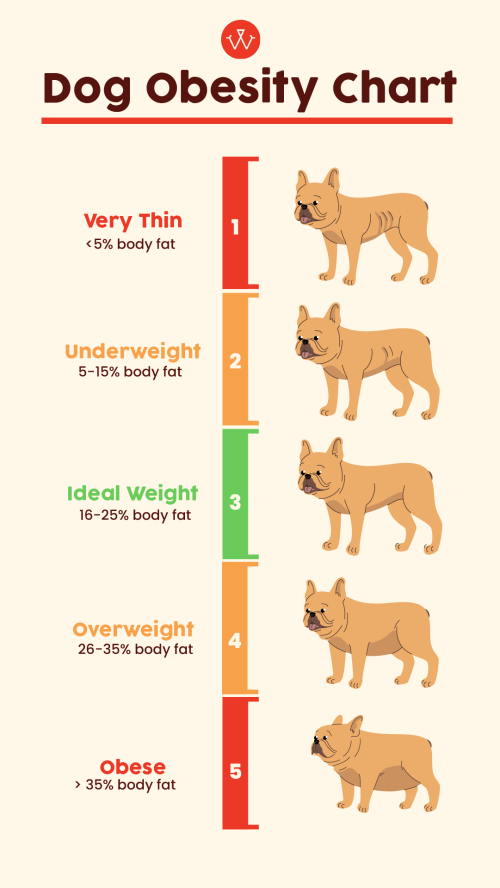
Check your dog’s weight every week. Sudden weight loss or gain may mean a problem. Watch how active your dog is during the day. Low energy can show they don’t like the food or feel unwell.
- Weigh your dog using the same scale each time.
- Note if your dog plays and moves as usual.
- Look for signs of tiredness or lack of interest.
- Keep a record of weight and energy changes.
When To Consult A Veterinarian
Visit the vet if your dog’s weight or energy changes a lot. The vet can check for health problems. Early advice helps keep your dog safe and healthy.
| Signs to Watch | Why See the Vet |
|---|---|
| Continuous weight loss | Could mean illness or poor food digestion |
| Excessive tiredness | May show pain, infection, or diet issues |
| Refusal to eat adult food | Could indicate allergies or wrong food choice |
| Sudden behavior changes | May signal health or stress problems |
Special Considerations
Switching dogs to adult food depends on their health and age. Some dogs need extra care before changing their diet.
We look at puppies with health issues and senior dogs. Both need special diet plans to stay healthy.
Puppies With Health Issues
Puppies with health problems may need different food than healthy puppies. Talk to your vet before changing food.
- Puppies with allergies may need hypoallergenic food.
- Those with digestive problems might need easy-to-digest meals.
- Puppies recovering from illness may require high-calorie food.
- Some need special nutrient balance to support growth.
Senior Dogs And Diet Adjustments
Older dogs have slower metabolism and may need fewer calories. They also benefit from food made for joint health.
| Age Range | Diet Focus | Food Type |
| 7-9 years | Weight control, energy balance | Adult maintenance food |
| 10+ years | Joint support, easy digestion | Senior dog food |
| Special health needs | Kidney, heart care | Prescription diets |
Credit: wefeedraw.com

Credit: www.hillspet.com
Frequently Asked Questions
When Should Puppies Switch To Adult Dog Food?
Puppies can switch to adult dog food at about 12 months old. Large breeds may need adult food later, around 18 months. This timing supports proper growth and nutrition tailored to adult dogs.
Why Not Feed Puppies Adult Dog Food Early?
Adult dog food lacks essential nutrients puppies need for growth. Feeding adult food too early can cause nutritional deficiencies. It’s important to provide puppy-specific food until they mature.
How To Transition From Puppy To Adult Food?
Gradually mix increasing amounts of adult food with puppy food over 7–10 days. This helps your dog adjust without digestive upset. Monitor your dog’s health during the transition.
Does Breed Size Affect Switching Age To Adult Food?
Yes, small breeds often switch at 12 months, while large breeds may need up to 18 months. Large breeds grow slower and require special nutrition during growth. Consult your vet for breed-specific advice.
Conclusion
Dogs usually switch to adult food around one year old. Large breeds may need more time before changing food. Watch your dog’s growth and energy to decide the right time. Always introduce adult food slowly to avoid stomach upset. Proper nutrition helps keep your dog healthy and happy.
Feeding the right food supports strong bones and shiny fur. Remember, each dog is unique, so adjust feeding based on their needs. Consult your vet for advice if unsure about the timing. Your dog’s health depends on good food choices at every stage.

Emily Barker is the founder of ChillDogLife.com, a space dedicated to helping pup parents discover the best dog products, lifestyle tips, and cozy ideas for happier homes.
A lifelong dog lover, Emily combines her passion for pets with a knack for research to share trusted recommendations on everything from toys and furniture to health and everyday care.
Her goal is simple: to make life easier, stylish, and more joyful for dogs and the people who love them.




